Weather
FEMA Funding Dwindles As FL Hurricane Season Prep Is Underway: Report
"As individual Floridians, you have a role to play in making sure that you're prepared," Gov. Ron DeSantis said Tuesday.


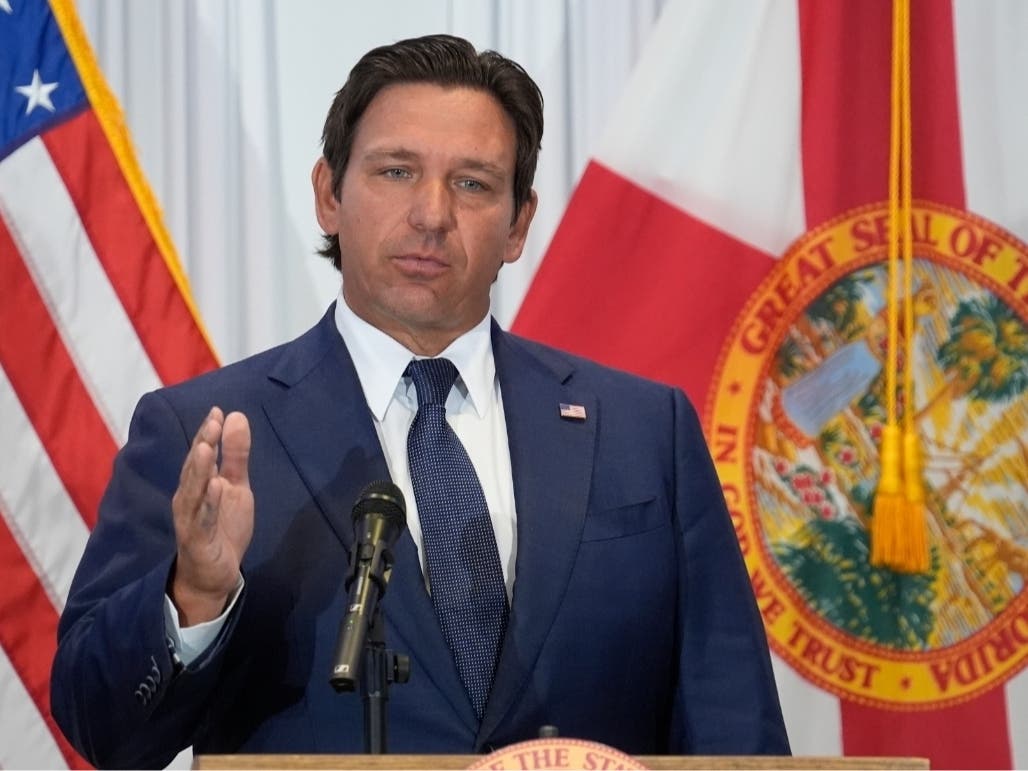
FLORIDA — "We prepare for the worst and hope for the best," Gov. Ron DeSantis said Tuesday as he spoke at a news conference on Florida's hurricane season preparation.
June 1 was the official start to the Atlantic hurricane season, which some forecasters have said could be an "explosive" storm season for Florida, and DeSantis said the Sunshine State will be ready. He reminded residents the first of two 14-day sales tax holidays to purchase disaster preparation supplies is underway. (See dates and list of eligible items below.)
Hurricane researchers at Colorado State University recently said the overall probability of major hurricanes making landfall somewhere in the continental U.S. is 62 percent, compared to an average of 43 percent, researchers said in the early look at the June 1-Nov. 30 hurricane season.
Find out what's happening in Across Floridafor free with the latest updates from Patch.
If a La Niña climate pattern forms as expected, the chances for an intense hurricane season are even greater, researchers said.
The research team predicts 23 named tropical storms in the Atlantic, including 11 hurricanes, five of which could be Category 3 or higher “major” hurricanes. The chances for a busy season are a combination of record-warm Atlantic Ocean surface temperatures and atmospheric patterns that boost tropical cyclones, researchers said.
Find out what's happening in Across Floridafor free with the latest updates from Patch.
This comes when the Federal Emergency Management Agency’s Disaster Relief Fund is set to run out of money by August as it could sit at a $7 billion deficit, the Miami Herald reported Tuesday.
"Without congressional action, that could leave Florida and other states staring at massive expenses and slower recovery efforts if a major storm hits. The chances for that are high ahead of what is predicted to be the busiest season on record," the Herald reported.
FEMA would prioritize life-saving and life-sustaining efforts in the case funding is minimal, Deputy Administrator Erik Hooks said at a news conference last week, per the Herald.
Related:
- 'Extremely Active' 2024 Hurricane Season Predicted: What To Know In FL
- 'Explosive' 2024 Hurricane Season Could Break Records
- Summer 2024 Forecast For FL: 'Supercharged' Hurricane Season
He noted Florida's State Guard, which assisted in August 2023 with Hurricane Idalia recovery, will be available during this year's season.
As hurricane season looms, DeSantis sent a warning to anyone who may decide to take advantage of a disaster.
"We're not going to let you loot while other people are suffering," he said. "Don't try it here, but if you do, we're going to throw the book at you when you do."
Amid the FEMA shortage, DeSantis on Tuesday awarded $7.5 million from Florida’s Job Growth Grant Fund to assist with rebuilding and enhancing a Lee County shrimp dock at San Carolos Maritime Park that was destroyed in September 2022 during Hurricane Ian.
"This dual-purpose facility will serve as an emergency operations site to launch barges, provide a place for shrimp vessels to dock and transfer product to distribution trucks," DeSantis said. "So, obviously, it's an important part of the economy."
Readiness Plans, Sales Tax Holidays
While state and local officials will work to respond and recover during the season, DeSantis said residents should take part in the planning.
"As individual Floridians, you have a role to play in making sure that you're prepared," he said at the news conference.
Not only did the Republican governor encourage families to establish disaster readiness plans and kits, he also advised residents to make use of the 14-day sales tax holiday to purchase disaster preparation supplies.
The first sales tax holiday ends on June 14 with another scheduled for Aug. 24-Sept. 6 for replenishment of supplies.
“With hurricane season underway, now is the time to get prepared and ensure you have a disaster plan in place,” DeSantis said in a news release. “I encourage all Floridians to use the sales tax holiday to stock up on the necessary emergency supplies and assemble a disaster preparedness kit.”
Kits may include the following tax-free items:
- Water
- Shelf-stable canned food
- Batteries
- Flashlights
- Reusable ice
- Pet items
- Toys
- Portable power banks and more
- Portable generators
- Tarps or other waterproof sheeting
- Smoke detectors and alarms
- Fire extinguishers
- Carbon monoxide detectors
- Portable radios less than $50
Current tax-free pet items include pet leashes, beds, wet and dry food and over-the-counter pet medications.
As for evacuations, DeSantis said, in some instances, Florida residents may not need to leave to travel to bordering states such as Georgia. They can potentially find higher ground away from water in their own counties.
He reminded pet owners that evacuations with pets are possible.
Preparedness efforts and resources include, per state officials:
Education and information: Learn about community disaster plans and community warning systems. Every household is encouraged to have a battery-operated or hand-crank weather radio to ensure they can continue to receive alerts from the National Weather Service in the event of power outages or damaged cell towers. Register to receive life-saving emergency weather alerts.
Planning: Make a list of personal household needs and resources for meeting them in a disaster environment. Include all members of the family, including children, in the disaster preparedness planning process, so that everyone knows what to do in the event of an emergency. Identify a safe place to take pets if you cannot bring them with you during an evacuation. Never leave household pets behind during a hurricane or tropical storm. Both family and business plans can be crafted.
Inventory of home possessions: Make a record of your possessions – in writing or video – to help claim reimbursement in case of loss or damage.
Reduction in home hazards: Have defective electrical wiring and leaky gas connections repaired. Place large, heavy objects on lower shelves. Have cracks in ceilings and foundations repaired. Make landscaping hurricane-resistant by trimming trees and plants down and putting any items inside that may turn into dangerous projectiles in high winds.
Preparation of an emergency kit: Every household should have a fully stocked disaster supply kit with at least seven days of items for each household member, including consideration of children, pets and seniors.
Safeguarding of important records and documents: Keep copies of important family records and other documents (birth and marriage certificates, Social Security cards, passports, wills, deeds, insurance cards, etc.) in a safe deposit box or other waterproof location.
Knowing your zones and homes: Learn if you live in an evacuation zone or low-lying flood-prone area. Know your home’s ability to withstand hurricane-force winds. Follow all evacuation orders issued by local county emergency management officials.
Filling gas tanks at least halfway: During hurricane season, vehicles should always have at least half a tank of gas or be halfway charged to ensure they have enough fuel to evacuate as soon as possible without worrying about long lines at gas stations and to avoid gas shortages prior to a storm.
Evacuations: Evacuations do not have to be hundreds of miles away – they can typically be tens of miles inland to a location that can withstand hurricane-force winds and remain out of reach from life-threatening storm surge.
“Thanks to the steadfast leadership of Governor DeSantis, the state has all the resources necessary to support Florida communities in the event a storm does strike this hurricane season,” Florida Division of Emergency Management Executive Director Kevin Guthrie said in the release.
“I’ve spent the last month traveling around the state to meet with county emergency managers to ensure preparedness and coordination at all levels. Now, I encourage Floridians to finalize their preparedness plans for their homes and businesses, because it only takes one storm to severely impact a community.”
Get more local news delivered straight to your inbox. Sign up for free Patch newsletters and alerts.