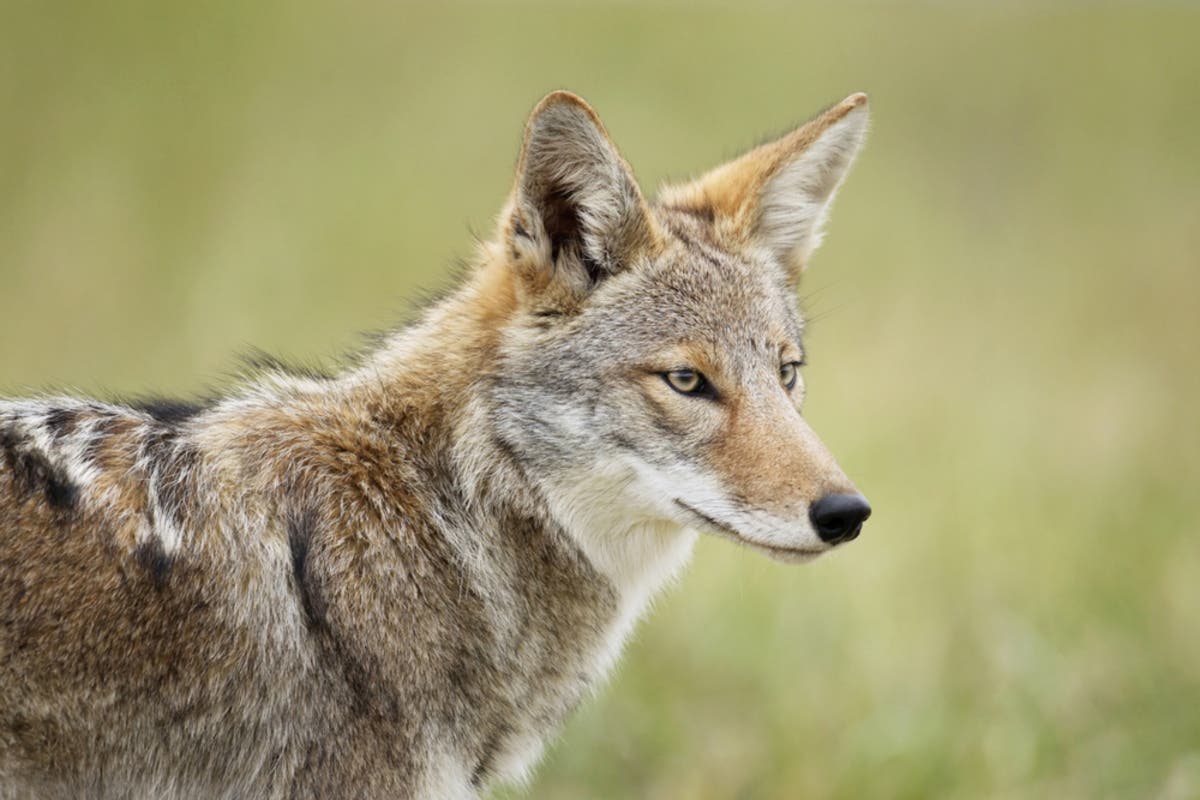
DALLAS, GA — A bat and a fox have recentlytested positive for rabies in Paulding County. These are the first confirmed incidences of animal rabies in Paulding County in 2018.
Rabies is a virus that affects the nervous system in humans and other mammals. A person may contract rabies through a bite, scratch, or saliva from an infected animal. A potential rabies exposure should never be taken lightly. If untreated, rabies is fatal.
Public health officials emphasize that animal rabies can be found throughout Paulding County. “Rabies is regularly found in Paulding County and is always circulating in our wild animal population,” says Tim Allee, environmental health director for the Georgia Department of Public Health Northwest Health District. Confirmed animal rabies cases in Paulding from 2015 through 2017 have involved a bat, a bobcat, a raccoon, and a fox.
Find out what's happening in Dallas-Hiramfor free with the latest updates from Patch.
(Sign up for Patch real-time email alerts for the latest news in Dallas-Hiram — or other neighborhoods. Access Patch on the go with our iPhone app or our brand new app for Android phone users.)
Allee cautions that wild, stray, and unvaccinated animals may be infected with rabies and emphasized residents should take precautions to protect themselves, their families and their pets. Changes in any animal’s normal behavior can be early signs of rabies, although animals do not have to be aggressive or behaving erratically to have rabies.
Find out what's happening in Dallas-Hiramfor free with the latest updates from Patch.
“Reducing the risk of rabies in domestic animals and limiting human contact with wild animals are two measures central to the prevention of human rabies,” explains Allee. Bats can be especially troublesome, he says.
“Bats become active this time of year, which means the possibility of exposure to rabies from bats increases. If you find yourself near a bat, dead or alive, do not touch, hit, or destroy it, and do not try and remove it from your home. Most bats don’t have rabies, but you can’t tell if a bat has rabies by just looking at it. Rabies can only be confirmed in a laboratory.”
“Call your local animal control office to collect the bat and call your healthcare provider or local public health department immediately to report the exposure and determine if preventive treatment is needed. If the bat is available for testing, and test results are negative, preventive treatment is not needed.”
According to Allee, a bat bite or scratch may not be seen or even felt by the injured person due to the small size of its teeth and claws. Bats that are on the ground, unable to fly, or active during the day are more likely than others to be rabid. Such bats are often easily approached, but should never be handled.
Allee has these recommendations to help prevent the spread of rabies via bats:
• If a bat is in your home, do not release the bat outdoors until after speaking with animal control or public health officials. It may be possible to test the bat and avoid the need to receive rabies treatment.
• If you wake to a bat in the room, you may need to be treated if the bat cannot be tested.
• Maintain homes and other buildings so bats cannot get inside.
Allee also reminds that pet vaccinations are an important part of pet healthcare and a key to preventing rabies. “Getting your pet vaccinated against rabies is the single best way to protect your pet from rabies. It’s important to do it for their protection, for our protection and because it’s state law.”
Other effective precautions against rabies include:
• Vaccinate all dogs, cats and ferrets against rabies. Check with your veterinarian to make sure your pets have up-to-date protection against rabies. Remember that the vaccination of pets against rabies protects not only the pets, but more importantly, protects people.
• Don’t leave pet food out where wild animals can access it. Leaving pet food out is a sure way of getting wild animals to visit your home endangering you, your family and your pets.
• Remind children to avoid animals they don’t recognize, especially
stray or wild animals. These animals may be infected with rabies.
• Small children should not be left unattended with dogs, even if the dog is a pet or the child is familiar with it.
• Keep pets at home. Obey any county laws requiring that dogs be
restrained to the owner’s property. Pets that are kept close to home are less likely to encounter a rabid animal.
• Report any raccoon, fox, bat or skunk that is out during the day in a residential area or that is behaving strangely to the local Georgia Department of Natural Resources Game and Fish Division office at 1-800-241-4113.
• Report stray dogs and cats and aggressive or sick-appearing animals to the local animal-control office.
• Don’t attempt to assist injured or sick animals without professional help. Even animals which would never bite otherwise can bite when sick or in pain.
• Bats found in sleeping quarters should be captured and tested for rabies even when there is no evidence of a bite wound or contact with the sleeping individuals.
• After-hours calls involving aggressive animals should be directed to 911.
• After-hours calls involving animal bites and their potential for rabies exposure should be directed to 866-PUB-HLTH (866-782-4584).
Paulding County residents can contact the Paulding County Health Department’s Environmental Health Office in Dallas at 770-443-7877 for additional information or with any questions or concerns.
Residents can visit the Northwest Georgia Public Health website for information on animal rabies and rabies precautions. Residents can also visit the CDC for comprehensive rabies information.
RELATED:
Image via Shutterstock
Get more local news delivered straight to your inbox. Sign up for free Patch newsletters and alerts.