Politics & Government
South Cobb Public Officials Support Letting Public Decide Sunday Alcohol Sales Issue
Austell Mayor Joe Jerkins, South Cobb Commissioner Woody Thompson and State Rep. Alisha Morgan (D-Austell) all agree that citizens should be able to vote on the issue if it passes the House.


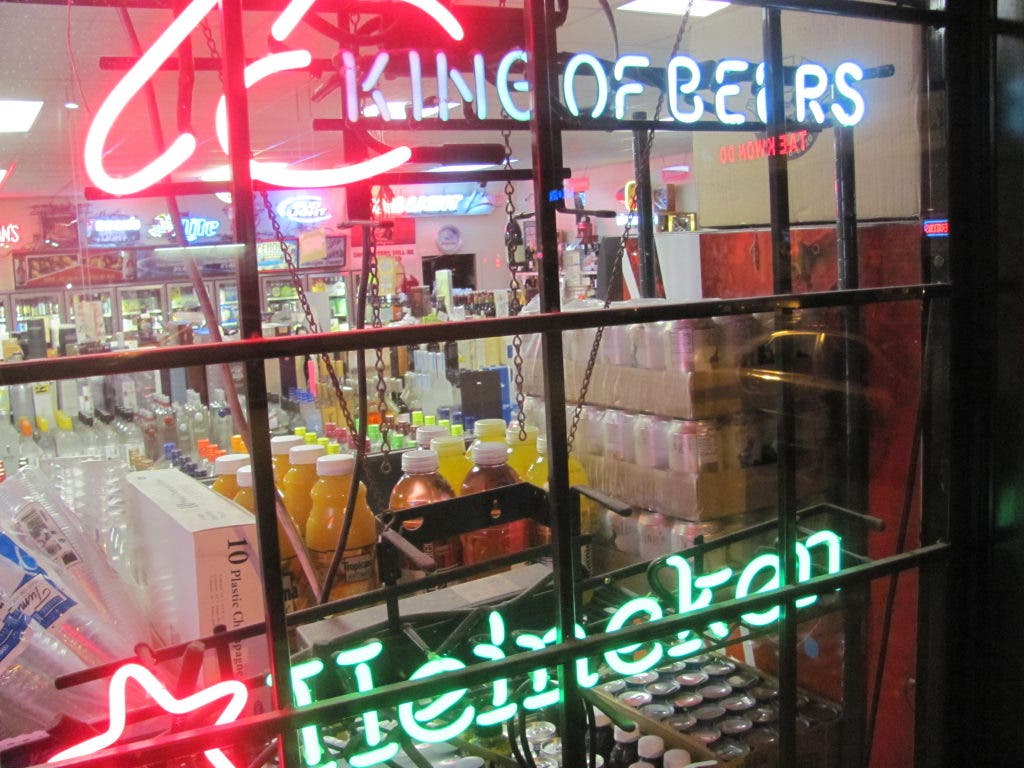
The Georgia General Assembly has a lot to do in its last three days of session this week, including a final House vote on the sale of alcohol on Sunday afternoons.
South Cobb residents may soon have a chance to vote whether they’d like to be able to purchase a bottle of wine or a six-pack of beers while doing their Sunday grocery shopping if the House passes this bill, which was approved by the State Senate with a 32-22 vote on Crossover Day two weeks ago.
Only Indiana and Connecticut also ban packaged alcohol sales on Sundays.
Find out what's happening in South Cobbfor free with the latest updates from Patch.
State Rep. Alisha Morgan (D-Austell) stated in an email to South Cobb Patch, “Yes I support the bill to allow local governments to vote for Sunday sales AND I support Sunday sales. I think it’s an issue of personal responsibility and bringing our state to the 21st century.”
Austell Mayor Joe Jerkins said that although he will not participate in the purchase of alcohol on Sundays, he does not see any reason that it should not be on the November ballot, where the mayor and three city council seats are up for re-election, if it passes the state legislature.
Find out what's happening in South Cobbfor free with the latest updates from Patch.
“I’m not for it personally,” said Jerkins, who retired as owner of a package store before becoming Austell’s mayor. “But I don’t have a problem with people voting for it.”
As for bringing additional revenue to the city, Jerkins said, “It might bring very little to the area.”
South Cobb Commissioner Woody Thompson expressed similar sentiments, saying that he, too, would not vote for Sunday alcohol sales, but would not be opposed to allowing the residents of the county to vote on the issue.
For Faisal Hafeez, owner of Mableton Bottle Shop, Sunday alcohol sales “isn’t going to help anybody.”
Hafeez said it would be more of a burden for those who sell liquor, beer and wine only.
It would be advantageous for gas stations or grocery stores that are already open on Sundays, he said, but it would mean additional operation costs, including the additional pay for employees, for packaged alcohol store owners.
“People go to these stores on Friday and Saturday knowing they can’t buy on Sunday,” he said, adding that this legislation would not increase revenue for independent packaged alcohol store owners because he does not see customers buying more alcohol as a result. The customers will have the option to buy on Sunday now what they would have purchased on a Friday or Saturday before, he explained.
Some opponents of the bill said easing Sunday alcohol sale restrictions would result in more traffic accidents. However, according to Politifact Georgia, those claims are false.
In the past, pressured by those with conservative religious values, state lawmakers have been reluctant to move towards Sunday sales. But that’s not the case now.
Jerry Luquire, president of the Georgia Christian Coalition, acknowledged that if the measures pass the legislature, then most, if not all, metro Atlanta cities and counties would approve Sunday alcohol sales, provided city councils and county commissions placed the measure on a ballot.
A Feb. 10 poll by The Schapiro Group, an Atlanta-based public opinion research firm, said 78 percent of Georgia voters want the opportunity to vote on Sunday alcohol sales. In metro Atlanta, 83 percent were in favor of the measure. The results were part of the firm’s annual Georgia Legislative Poll, which was not conducted for any corporate sponsor.
If given the chance to decide, 61 percent of metro Atlantans said they would vote for Sunday alcohol sales. Twelve percent were “probably in favor;” 5 percent were “probably against;” 16 percent were “definitely against;” and 6 percent were undecided.
Metro Atlanta voters, men, and residents of urban and suburban areas are most likely to vote in favor, while voters over age 60, non-metro Atlanta voters, and rural residents are the most likely to vote against, the survey found.
- Tim Darnell contributed to this story.
Get more local news delivered straight to your inbox. Sign up for free Patch newsletters and alerts.