Community Corner
Sneak Peek: $8.8M Josiah Henson Park & Museum Renovation
Josiah Henson Park, a Montgomery County historic site where a venerable abolitionist was enslaved, is expected to reopen in late 2020.


BETHESDA, MD — Josiah Henson Park — a North Bethesda historic site where a venerable abolitionist was enslaved — is slated to open in late 2020 after an $8.8 million renovation, two officials told Patch.
Since Nov. 5, 2018, construction crews have been working to transform the site into an interactive park and world-class museum that focuses on the Rev. Josiah Henson's life and Montgomery County's history of slavery.
"Within the regional and statewide community of historical sites and museums that focus on the African American experience in Maryland, the Josiah Henson Museum & Park stands out," said Shirl Spicer, the museum manager of Montgomery Parks. "There are so few museums and historic sites which focus on the achievements of any one or two African American men or women."
Find out what's happening in Bethesda-Chevy Chasefor free with the latest updates from Patch.
Born in 1789, Henson was enslaved on the Riley plantation just off Georgetown Road at what is now Josiah Henson Park. According to the University of North Carolina at Chapel Hill, Henson tried to purchase his freedom in 1828, but was swindled out of $350 by his master, Isaac Riley. After he barely escaped being sold to New Orleans, Henson escaped to Canada, where he helped found the Dawn Settlement for runaway slaves.
Henson's fight for freedom is said to have inspired Harriet Beecher Stowe's book, "Uncle Tom's Cabin."
Find out what's happening in Bethesda-Chevy Chasefor free with the latest updates from Patch.
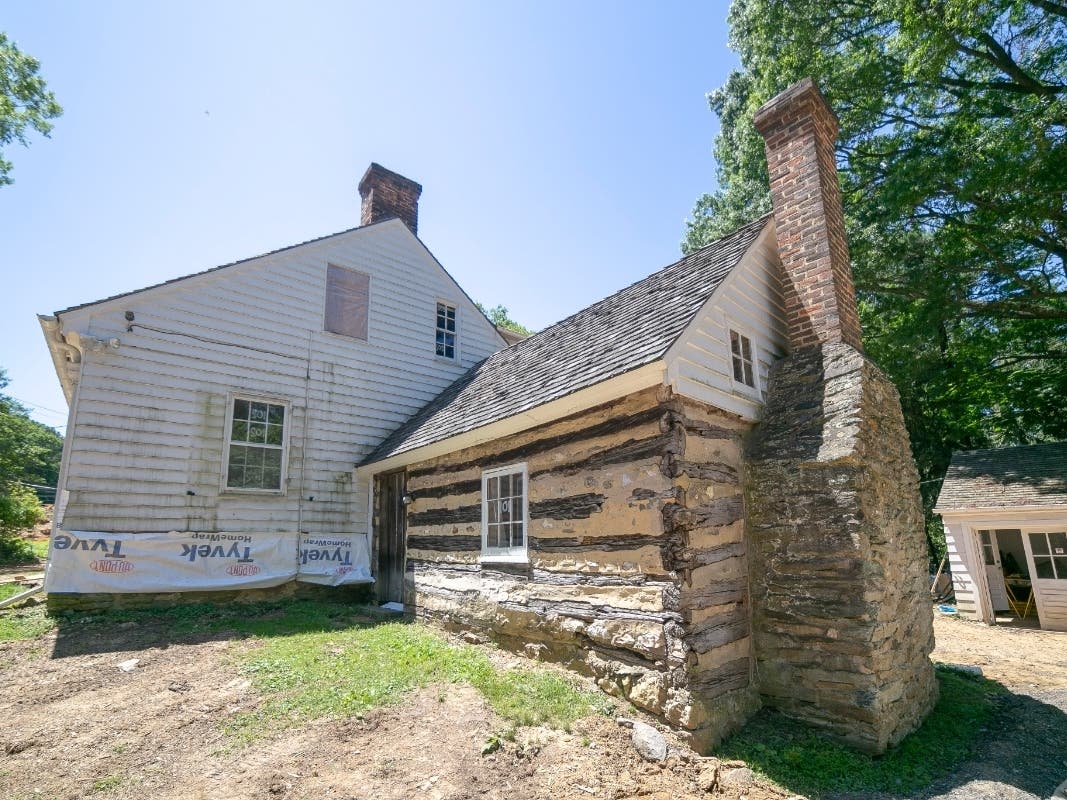
Today, Josiah Henson Park is a 3.34-acre historic site that consists of the Riley-Bolten House (1800-1815) — a two-story, wood-frame home locally known as "Uncle Tom's Cabin" — and its attached log kitchen.
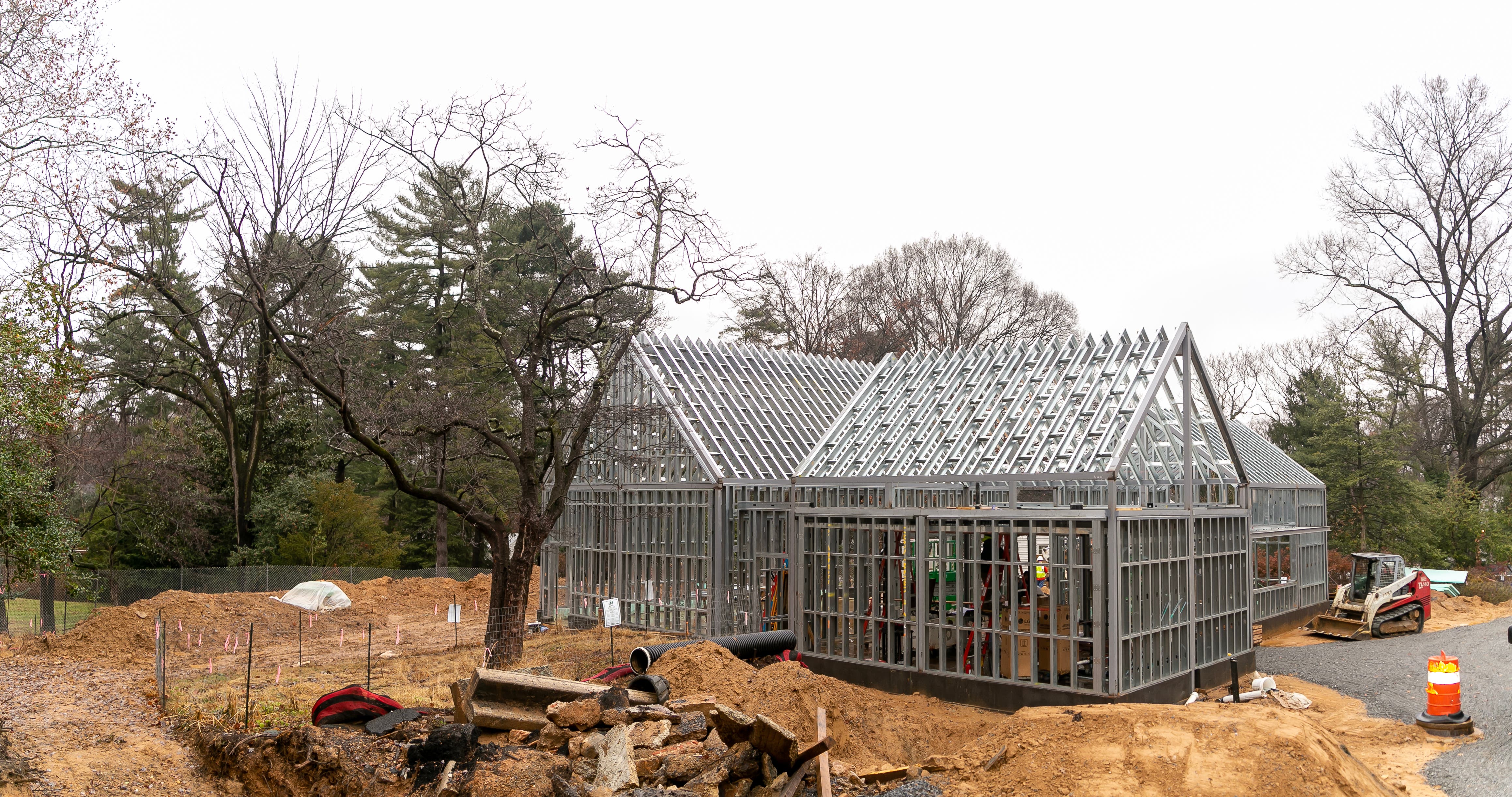
The multi-million-dollar renovation plan includes: converting the Riley-Bolten House into a modern museum; restoring the log kitchen to what it looked like in the 1850s; adding interpretative signs and an outdoor archeological education area; and constructing a new visitor center with a bus-drop off area and a three-car parking lot.
"The story of Josiah Henson really begins in the parking lot," Spicer said. "They will be introduced to Henson with outdoor interpretive signs. And as they enter the park, and then walk through the park, there will be more interpretive signs that illustrate what the plantation would have looked like when Henson lived there."
Then, there's the new one-story, 2,900-square-foot visitor center. It will feature a gift shop, restrooms, and an 80-person multipurpose room where visitors can watch a brief film about the property and Henson's life.
The Riley-Bolten House, which is where the slave-owning Riley family lived, is being converted into what Montgomery Parks officials describe as a "world-class museum."
This museum won't look like most other house museums, Spicer explained. For one, it won't be furnished to depict life on Riley's plantation in the 1800s.
Instead, there will be a variety of modern exhibits including large-scale, interactive timelines and visitor-controlled audio that lets visitors hear narrated excerpts at certain exhibit checkpoints.
"I think they are going to be blown away by the exhibits within the historic house. For the past 10 years, we've been telling the story of Josiah Henson. Now they will be able to visualize his story — his typical day. I think that will excite people to see that and to enjoy the space in a different way," Spicer said.
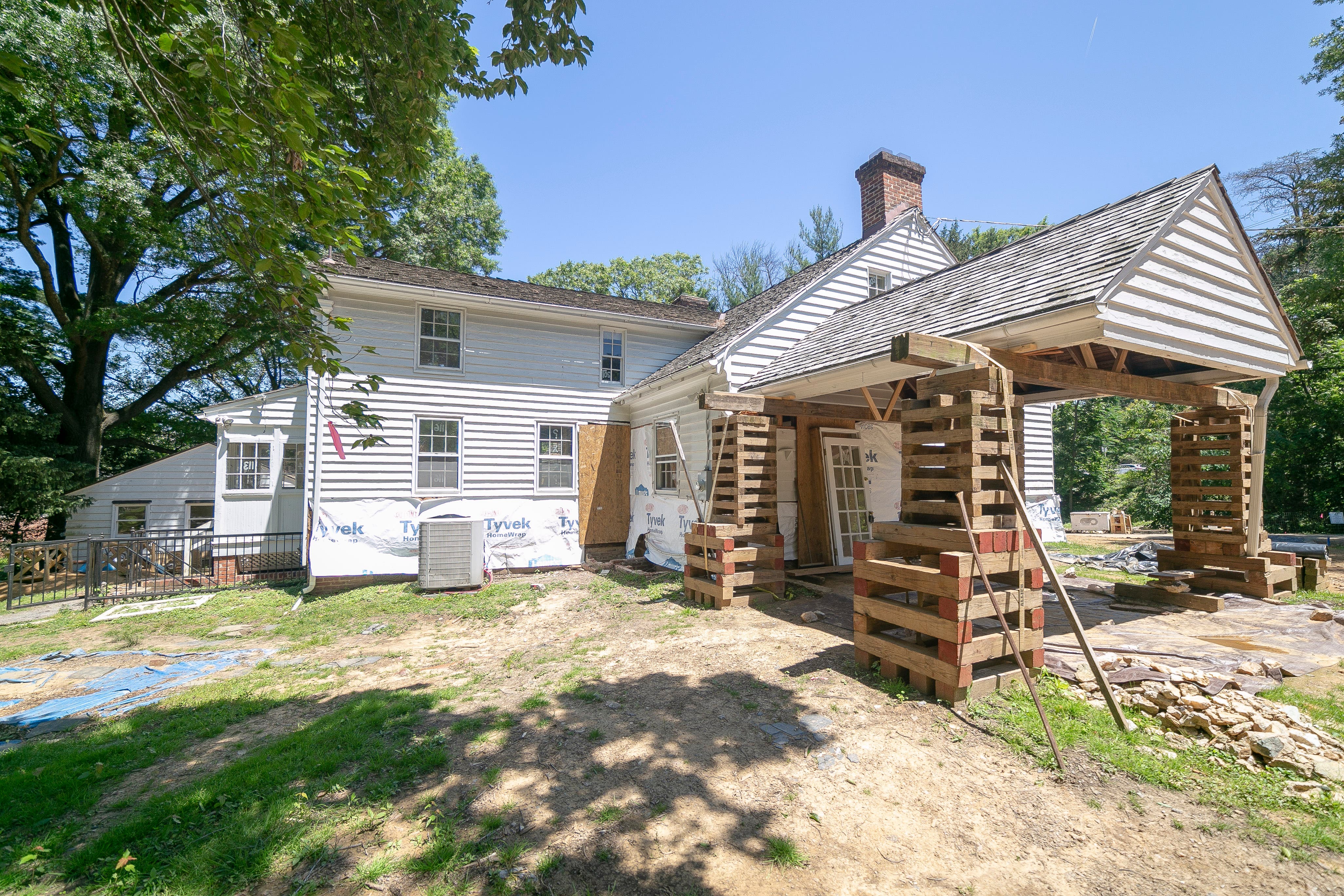
The log kitchen, which is attached to the Riley-Bolton House, is the third main attraction. It was built in 1850 — 20 years after Henson escaped to Canada.
But even if Henson didn't step foot in the log kitchen, there is still so much to learn about the site and the enslaved people living at the time.
"Given that 1850 is after Henson's 1830 escape to Canada, but before emancipation in Maryland, it is assumed that enslaved people, such as a cook, would have worked in the kitchen and that the cook's family slept in a loft above the kitchen, which was known to exist, but is now removed," Montgomery Parks said.
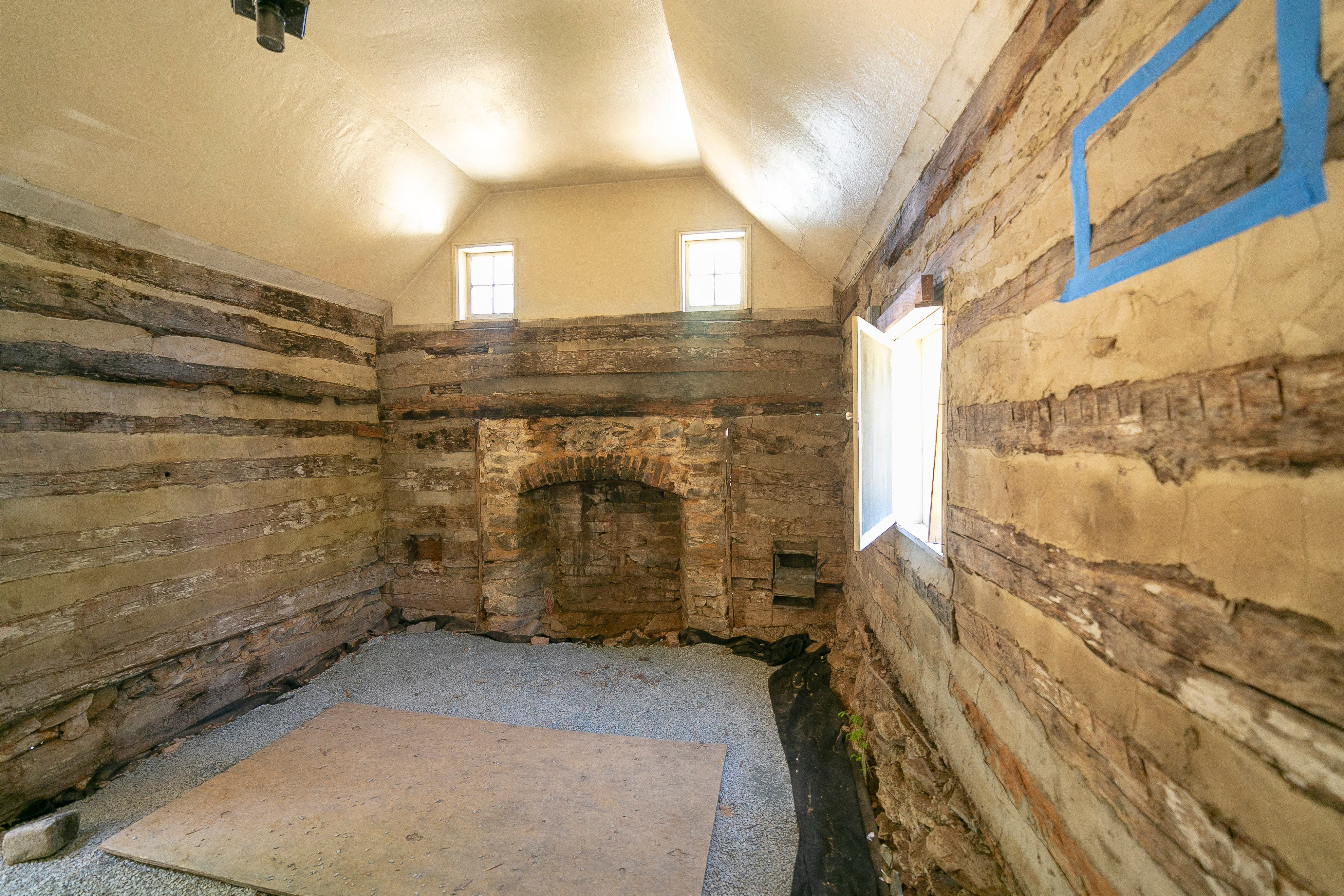
Today, the log kitchen is the site of an interior archaeological dig.
According to Spicer, archeologists have recovered more than 30,ooo artifacts and three previous earthen floors inside the kitchen space.
"We are fortunate to have a site that is both a historical site and an active archeological site," Spicer said.
Once Josiah Henson Park reopens, visitors can swing by the archeological excavation site.
"It gives the visitors an opportunity to always come in and see what an excavated site looks like and gives us an opportunity to show them what part of an 1850s working kitchen would look like," said Spicer.
It is unclear exactly when Josiah Henson Museum & Park will open, but Montgomery Parks officials tell Patch it will be sometime at the end of 2020. The park is located at 11420 Old Georgetown Rd.
SEE ALSO:
Get more local news delivered straight to your inbox. Sign up for free Patch newsletters and alerts.