Schools
Burlington High to Conduct Risky Behavior Survey
Burlington Drug & Alcohol Task Force and the Burlington Community Life Center to conduct the Youth Risk Behavior Survey in grades 9, 10, 11 and 12 on Monday, Jan. 30.


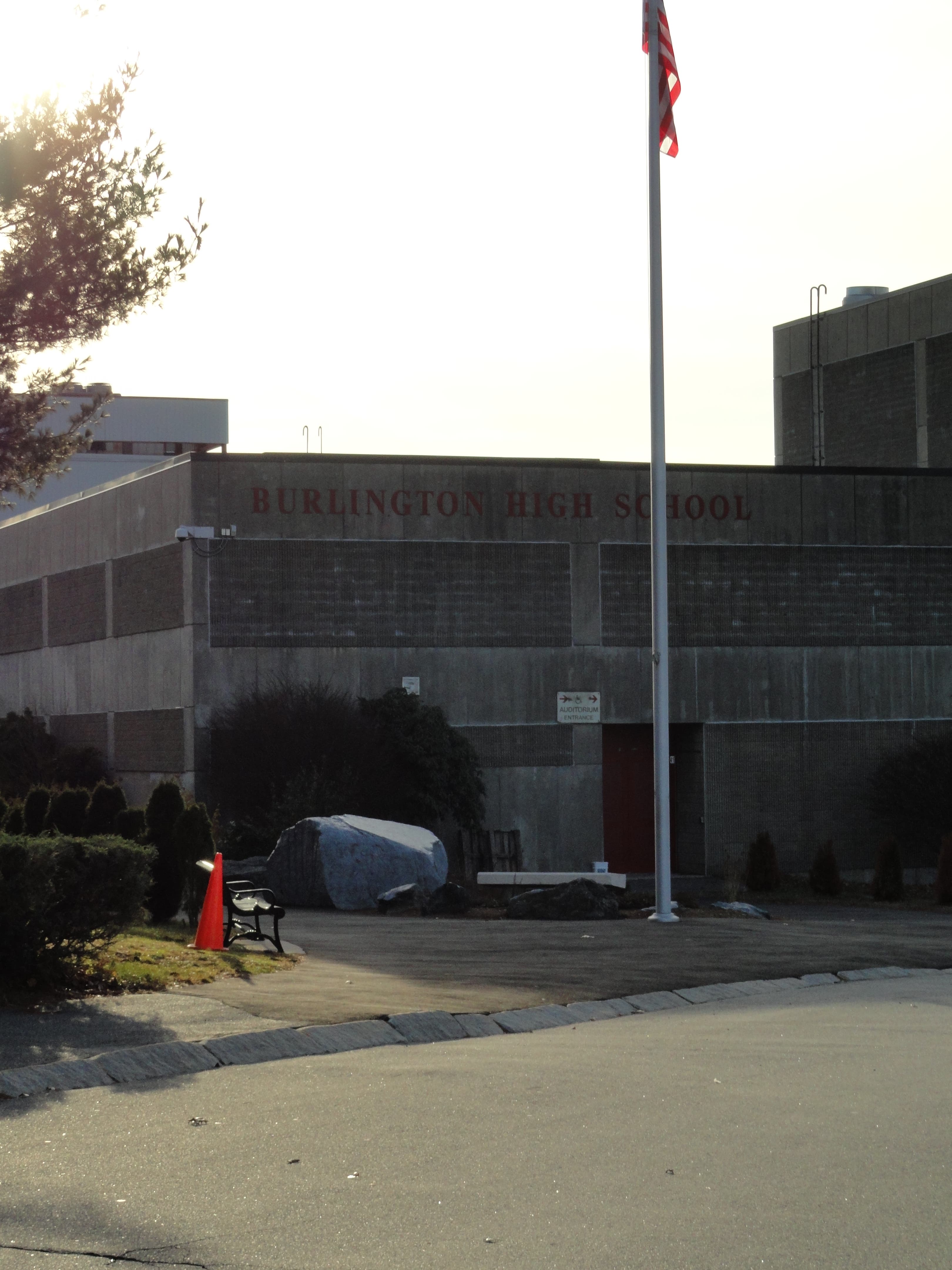


Students at Burlington High School will soon take a survey to help determine risky behaviors among the student population.
According to Principal Patrick Larkin, the school will team up with the and the to conduct the Youth Risk Behavior Survey (YRBS) in grades 9, 10, 11 and 12 on Monday, Jan. 30. Through this survey, health risk behaviors can be monitored that will assist in the planning of prevention strategies and a health curriculum that will reduce behaviors that present the greatest risk. It is anticipated that results of the survey will be made available to the public in the Spring of 2012.
"The Drug & Alcohol Task Force has been asking for a few years for us to do this survey," Larkin told Burlington Patch. "It has been done in a lot of communities but we haven't done it Burlington for a while. I said I thought any information about our kids, especially on risky behavior, would be useful to have."
Find out what's happening in Burlingtonfor free with the latest updates from Patch.
The survey the students will take focuses on a variety of risky behaviors, including those that result in injuries, tobacco use, alcohol and drug use, sexual behaviors that result in sexually transmitted diseases and dietary behaviors. No information on any individual student results will be collected as the students will fill out the survey anonymously, but the school-wide results will be made public. Parents also can have their children opt out of the study if they wish (see below).
"I'm not sure why you would do something like this and hide the results," Larkin said when asked about making the results public. "The people who have an impact on our kids should have access to the information, and that is their parents."
Find out what's happening in Burlingtonfor free with the latest updates from Patch.
Larkin added that the survey, while touching on some sensitive topics, is a helpful way for educators and parents to determine which risky behaviors children are undertaking and the results will help the school determine problem areas that need to be addressed.
"For whatever reason a lot of schools shy away from this survey, possibly because they think they know what the results will be," He said. "These are the things our kids are doing and we need to promote this conversation with parents and I think sometimes we shy away from talking to our kids about certain subjects. I'm not sure if we're naive or nervous but these are important conversations to have with our kids."
"The information is the same whether we have it or not, and these things are affecting our kids," Larkin added. "We want to make sure our focal points, in health and conversations or formal programs, are allowing us to do everything we can to be proactive and make sure we are educating out students."
The following information on the YRBS survey is from Principal Larkin's blog:
What is the Youth Risk Behavior Survey? The YRBS was developed by the Center for Disease Control and Prevention in conjunction with other federal agencies and state departments of education. The survey is designed to protect the privacy and confidentiality of all participating students while measuring the level of certain risky behaviors. The YRBS has been administered to a statewide sample of Massachusetts high school students on a biannual basis since 1990.
What is the Topic of the Survey? The YRBS focuses on priority health-risk behaviors. These include: (1) behaviors that result in unintentional and intentional injuries; (2) tobacco use; (3) alcohol and other drug use; (4) sexual behaviors that result in sexually transmitted infections and unintended pregnancies; (5) dietary behaviors; and (6) physical activity.
How Can YRBS Results Be Used? Students participating in the YRBS respond to questions measuring actual health-risk behaviors, not simply attitudes or beliefs. For example, while it is commonly known by youth that use of seat belts saves lives, over one-in-nine students (12%) indicated that they do not wear a seat belt at all times. This demonstrates the need to measure actual health-risk behaviors. Information learned from the YRBS can help the Burlington Public Schools develop and implement programs to support youth and meet the challenges that affect their futures. Tomorrow’s healthy outcomes are the result of today’s healthy choices.
How Accurate are the Results? The YRBS has been extensively field-tested, and is determined to be valid and reliable. Research indicates that students answer the questions on anonymous surveys truthfully and that data of this nature can be gathered as reliably from adolescents as from adults.
The Survey is Entirely Anonymous. Students will not put their names or any other identifying information on the survey. All results from the survey will be presented only in group summary form. Additionally, your child’s participation in the survey is completely voluntary. Each student may leave questions blank if he or she prefers not to answer.
You may Decline to have your Child Participate. A copy of the Youth Risk Behavior Survey is available in the main office of the Burlington High School for parents to review. If you choose to not allow participation, your son or daughter will participate in some other alternative activity while the survey is being administered.
What if I have Questions? You are welcome to contact Charles Franich, LICSW at the Burlington Community Life Center with any questions about the Youth Risk Behavior Survey. He can be reached by phone at 781-270-1961 or by email at cfranich@burlmass.org.
If you would like to opt out of having your child take this anonymous survey, please click this link to download the sign-off sheet. The form needs to be returned to the BHS main office by January 20, 2012.
Get more local news delivered straight to your inbox. Sign up for free Patch newsletters and alerts.