Kids & Family
Resident Tackles Physician-Assisted Suicide, Other Ethical Issues
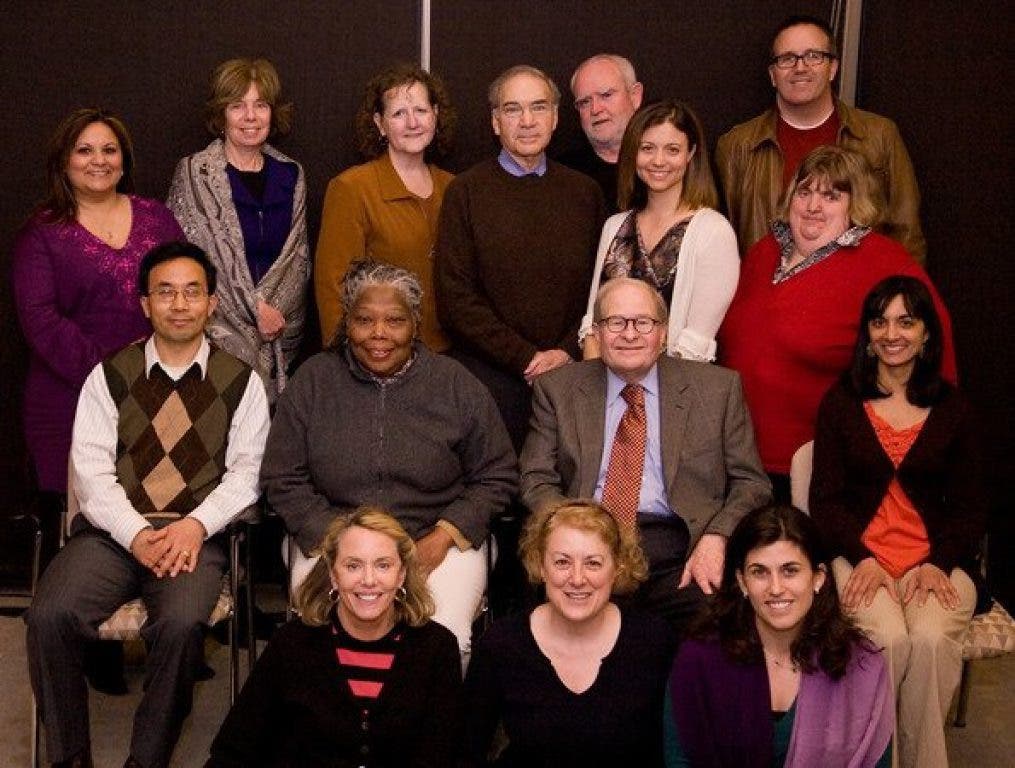
Julian Willard is a member of a group of Massachusetts residents that meets to discuss questions faced by members of the medical community.

Medical professionals who knowingly left African-American test subjects infected with a curable disease as part of the Tuskegee Syphilis experiment in the 20th century made ethical decisions that likely influenced many future generations.
That's the belief of Julian Willard, a Marlborough resident who helps provide feedback on medical ethics policies to the Harvard teaching hospitals.
“Histories can shape a whole community’s feeling about medical ethics,” said Willard, a Marlborough resident.
Find out what's happening in Marlboroughfor free with the latest updates from Patch.
The Tuskegee Syphilis experiment is among the many issues the Community Ethics Committee discusses. Along with 17 other Boston-area residents, Willard, who holds a doctorate in philosophy, discusses complications and issues related to medical ethics. Most recently, physician-assisted suicide, a ballot initiative on which Massachusetts residents will vote in November, has been at the forefront of the committee's collective mind.
“It’s about listening more than it’s about talking,” Willard said, adding that the committee recognizes that medicine raises all kinds of question about the nature of being a human.
The committee meets once a month to “study and discuss ethical issues,” Williard said. The committee is associated with Harvard hospitals and the medical school, but consists of people outside of the medical profession, all of different ages, religious beliefs, socioeconomic statuses and races. The committee aims to be as representative as possible of the greater Boston area, Willard said.
Willard is an English teacher at a school in Weston who immigrated to America from Europe. With a deep, previous interest in philosophy, Willard thought he was prepared for the discussion he expected to have, he said, but was shocked by what he discovered.
The discussions were “very emotional and powerful,” he said, adding that he was not a student but rather a human being as he participated on the committee.
Willard said he was also surprised by the importance of community and not just the individual in issues related to medical ethics. The experiences that have affected whole communities, such as the Jewish experience in Europe in the last century, shape the way that those communities view the medical profession at large.
Such community influence leads committee members to bring the discussion to their own local areas, Willard said. In Marlborough, he is “looking for ways of increasing outreach."
Particularly in light of the ballot initiative that Massachusetts residents will vote on in November regarding the legality of physician-assisted suicide, the committee focuses on the importance of remaining “organic, inclusive and respectful,” when talking to others in the community, he said.
Though many people not on the committee don’t have the time to sit down for a lengthy discussion, it is still essential for committee members to promote respectful dialogue, Willard said.
The committee puts out a blog called “Medical Ethics and Me” which highlights the topics of their discussions, and helps to promote a new paper, “Choosing Medically Induced Death” which aims to concisely present the tenets of the issue subject to a ballot vote.
Find out what's happening in Marlboroughfor free with the latest updates from Patch.
Get more local news delivered straight to your inbox. Sign up for free Patch newsletters and alerts.