Politics & Government
NH Residency Terminology Clarification Heading To Sununu’s Desk
Update: Guv "remains opposed" to HB 372, a bill that changed a few words in the statute designating who can vote in New Hampshire elections.


CONCORD, NH — A bill that attempts to clarify who is allowed to vote in the state of New Hampshire was approved along party lines in the state Senate on Jan. 3, 2017, and heads to Gov. Chris Sununu, R-NH, for approval. HB 372 removed eight words – “for the indefinite future” – from two sections of state law, NH RSA 21:6 and NH RSA 21:6-a, as well as added four words – “or her” from two sections. These changes, while minor, effectively eliminate a loophole by which out-of-state college students as well as “visiting professionals” and “modern mobile workforce” participants, as one progressive organization has described non-residents in New Hampshire, from voting.
Democrats – who have benefitted electorally by thousands of colleges students that mostly live in blue states voting here – called the bill a “poll tax” and “voter suppression”; Republicans – who want to return to the days when only people who actually lived here could vote here – called the bill a “common sense” change.
ALSO READ:
Find out what's happening in Concordfor free with the latest updates from Patch.
- 5,300 Fraudulent Votes May Have Been Cast In NH In 2016
- NH Anti-Vote Fraud Domicile Registration Bill Challenged In Court
- NH Voter Database, Election Integrity Commission Lawsuit Dropped
- Millions Of Rural Obama Voters Abandoned Clinton In 2016: Researchers
- Nearly 95K Voters In NH Registered In Other States: Data
- NH Secretary of State to Serve on Trump's Vote Fraud Panel
- Investigation of Voter Affidavit Fraud Abandoned by NH AG
- NH AG to Investigate Drive-By Voting: Report
- Project Veritas Action: We Never Heard from Investigators
- Tax Activist: AG's Investigations Have Been 'Laughable'
- Project Veritas Vote Fraud Investigator Subpoenaed by NH AG
- Is Former Sanders Field Director Preparing to Sue Vote Fraud Hunter O'Keefe?
- Sanders Staffers Registered to Vote at Campaign Office: Report
- Attorney General Investigating Thousands of NH Voter Affidavits
- Illegal Political Mailers Aim to Depress Ayotte Vote, Promote Indie Challenger
- NH Man Pleads Guilty to Voter Fraud
- Man Arrested for Wrongfully Voting, Unsworn Falsification
- Windham Checklist Supervisors: There is Voter Fraud in NH
- Massachusetts Democrat Pleads Guilty in NH Vote Fraud Case
"HB 372 is a political ploy to slow progress by making it harder for young people to participate in our democracy,” state Sen. Jeff Woodburn, D-Whitefield, the minority leader said in a press statement. “This legislation creates a de facto poll tax and disenfranchises eligible New Hampshire voters. This bill clearly targets college students, who have every legal right to vote here. We should be encouraging students to stay here and remain a part of their communities after college, but HB 372 does the exact opposite.”
New Hampshire Democratic Party Chairman Ray Buckley also criticized the bill and called for Republicans to work with Democrats “to modernize our election system and protect every eligible voter's right to have their voice heard."
Find out what's happening in Concordfor free with the latest updates from Patch.
However, state Sen. Regina Birdsell, R-Hampstead, who has worked on a number of similar bills during the past two years, praised it, saying the changes were needed to clarify the state’s definition of residency and domicile – especially when elections are decided by very small numbers of votes in the state.
“With the support of Secretary of State Bill Gardner, this legislation clarifies where one may vote, without changing the requirements for voting eligibility in the state of New Hampshire,” she said in a statement. “By clarifying the definitions of residency and domicile, we are making our elections more accessible by offering individuals greater ease in understanding the requirements surrounding New Hampshire elections as well as aligning our state with the voting laws in our neighboring New England states.”
Birdsell was also a sponsor of SB3 last year which "better defined" a domicile for voting purposes. It was also approved by the state Senate along party lines and signed into law last year.
The question now becomes: Will Sununu sign the bill?
At an event a few weeks ago, the governor was cornered by a political activist and asked about whether or not he supported laws that might result in voter suppression and he stated that he didn’t. In a statement earlier today, he said he remain opposed to the bill.
“My position has not changed," he stated in an email. "I remain opposed to SB 372 as it is currently written.”
Liz Wester, the state director for the New Hampshire Campaign for Voting Rights, called on Sununu to “follow-through” on his promise to oppose anything that suppresses the vote.
“It is disappointing to once again see the Legislature focus on limiting participation in our election process rather than finding ways to modernize and secure our elections,” she stated. “We should be focusing on ways to secure our electoral system, including protecting voter data, not focusing on ways to exclude eligible voters from the ballot box.”
However, others, like Ed Naile, a vote fraud hunter and registered Democrat (albeit a conservative one), have noted that changes like the ones contained in HB 372 don’t suppress any votes: Out-of-state college students can file absentee ballots from where they actually live.
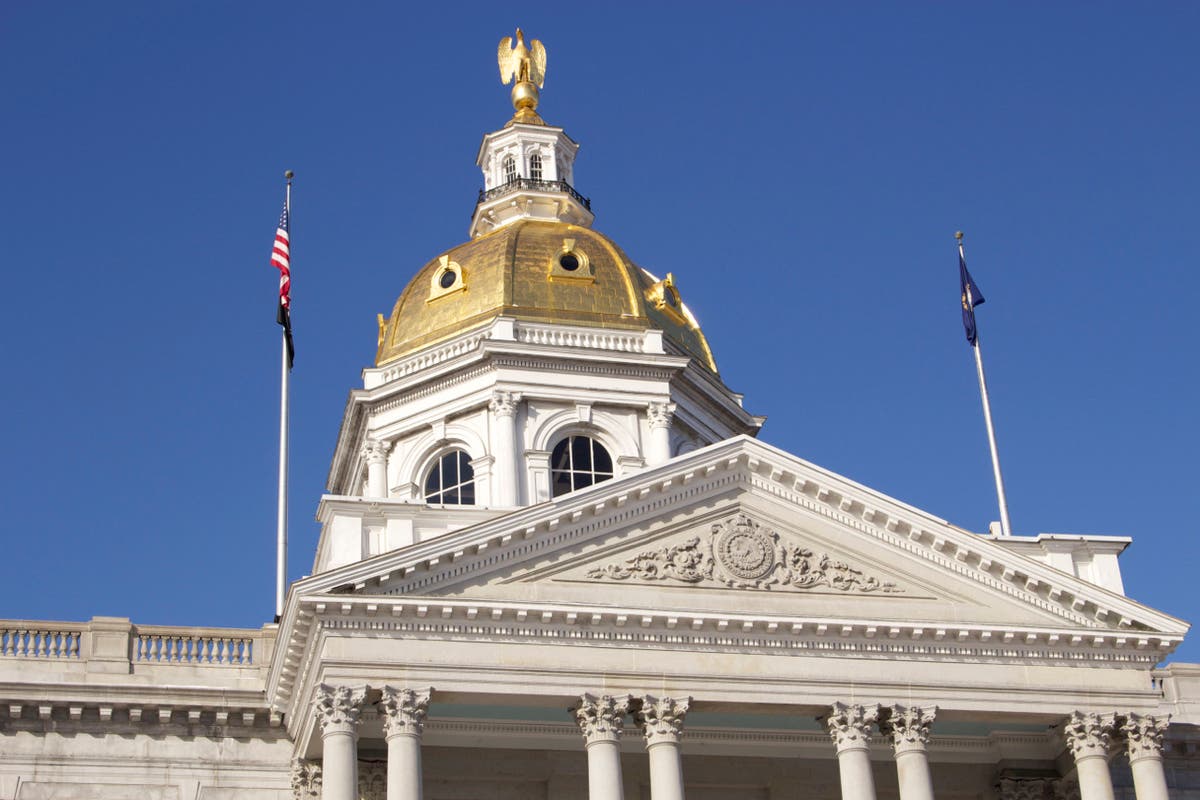
Statehouse image by Tony Schinella, Patch staff.
Get more local news delivered straight to your inbox. Sign up for free Patch newsletters and alerts.