Schools
Rare East Asian Tick Found On Bergen County Child
The tick was also found at the Soldier Hill Golf Course, state officials said


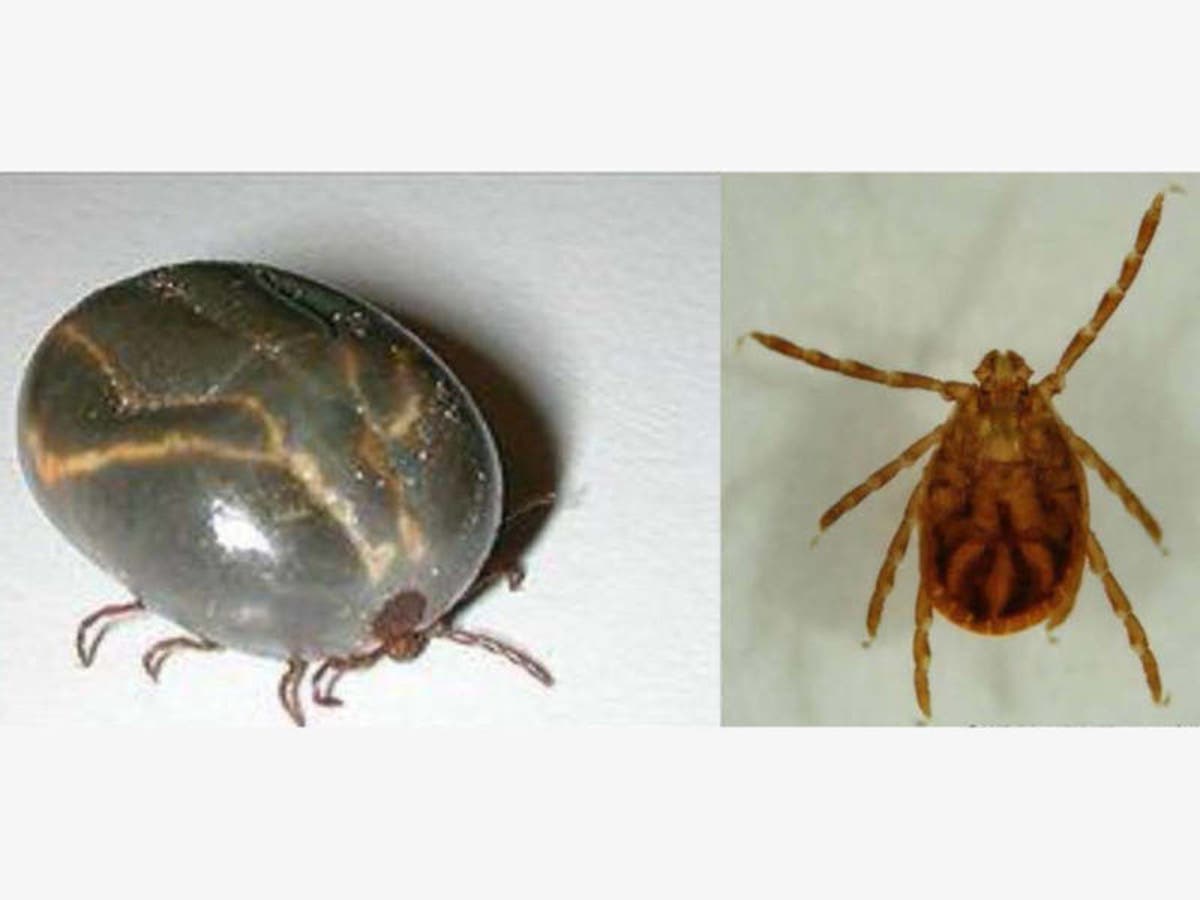
BERGEN COUNTY, NJ — Two rare and exotic Longhorned ticks, also known as the East Asian ticks, were found in Bergen County recently, including one on a child, authorities confirmed Tuesday. In addition to the tick found on a child, another was confirmed at the Solider Hill Golf Course in Emerson, the U.S. Department of Agriculture's Veterinary Services Laboratory said.
The Rutgers Center for Vector Biology at Rutgers University – New Brunswick confirmed the tick was found on the child. The tick did not bite the child and tests by a private lab revealed no pathogens were in the tick.
The 12-year-old girl is believed to be the first person in the U.S. to be found carrying the exotic tick, NorthJersey.com reported.
Find out what's happening in Ridgewood-Glen Rockfor free with the latest updates from Patch.
The Bergen County Executive's Office confirmed last week the tick had been found in Bergen County, but did not specify exactly where or how many. Bergen is the fifth New Jersey county where the tick has been spotted. State Department of Agriculture officials confirmed the tick was found in Mercer County last month.
Like deer ticks, the nymphs of the Longhorned tick are very small (resembling tiny spiders) and can easily go unnoticed on animals and people. This tick is known to infest deer and a wide range of other hosts. Therefore, it has the potential to infect multiple North American wildlife species, the NJ Department of Agriculture said.
This type of tick is a "serious" pest to livestock, as well as wildlife, pets and humans, authorities say.
Find out what's happening in Ridgewood-Glen Rockfor free with the latest updates from Patch.
"Farmers should monitor their livestock for the presence of this tick and decreased growth rates or signs of anemia in the animals. With respect to livestock, the tick is known to transmit a disease called Theileriosis to cattle, which results in severe anemia and possibly death," the Department of Agriculture said in November when the tick was first found.
The rare tick was initially located in November in Hunterdon County. Since then, it was discovered at a park in Union County and at Rutgers University–New Brunswick's Cook Campus farm in Middlesex County.
Other public parks where the Longhorned tick has been found include Davidson Mill County Pond Park in Middlesex County and Watchung Reservation, Houdaille Quarry Park and Briant Park in Union County. There have also been confirmed findings of the Longhorned tick in New York, North Carolina, Virginia, West Virginia and Arkansas.
“We want to emphasize that it is important that people continue to use normal tick prevention measures for themselves, their pets and livestock,” said Dr. Manoel Tamassia, the New Jersey Department of Agriculture State Veterinarian. “We will work to continue to develop strategies to control the spread of the tick to other areas.”
As part of the investigation, counties have set up drop off locations where people can submit ticks they find on themselves, their pets, livestock or on wildlife. Information on these locations and how to submit a tick can be found on the New Jersey Department of Agriculture's website.
A tick line has also been established to leave a message if a tick is found and there is uncertainty about what the next steps are. The number is 1-833-NEWTICK (1-833-639-8425).
Email daniel.hubbard@patch.com
Image via NJ Dept of Agriculture: An adult engorged Longhorned tick and a regular adult Longhorned tick.
Get more local news delivered straight to your inbox. Sign up for free Patch newsletters and alerts.