Crime & Safety
Saying NJ Has Too Many Pedestrian Deaths, Gottheimer Announces Aid For Bergen County Towns
In Ridgewood Tuesday, Rep. Josh Gottheimer announced a traffic safety plan and more than $1M in federal aid for Bergen County towns.


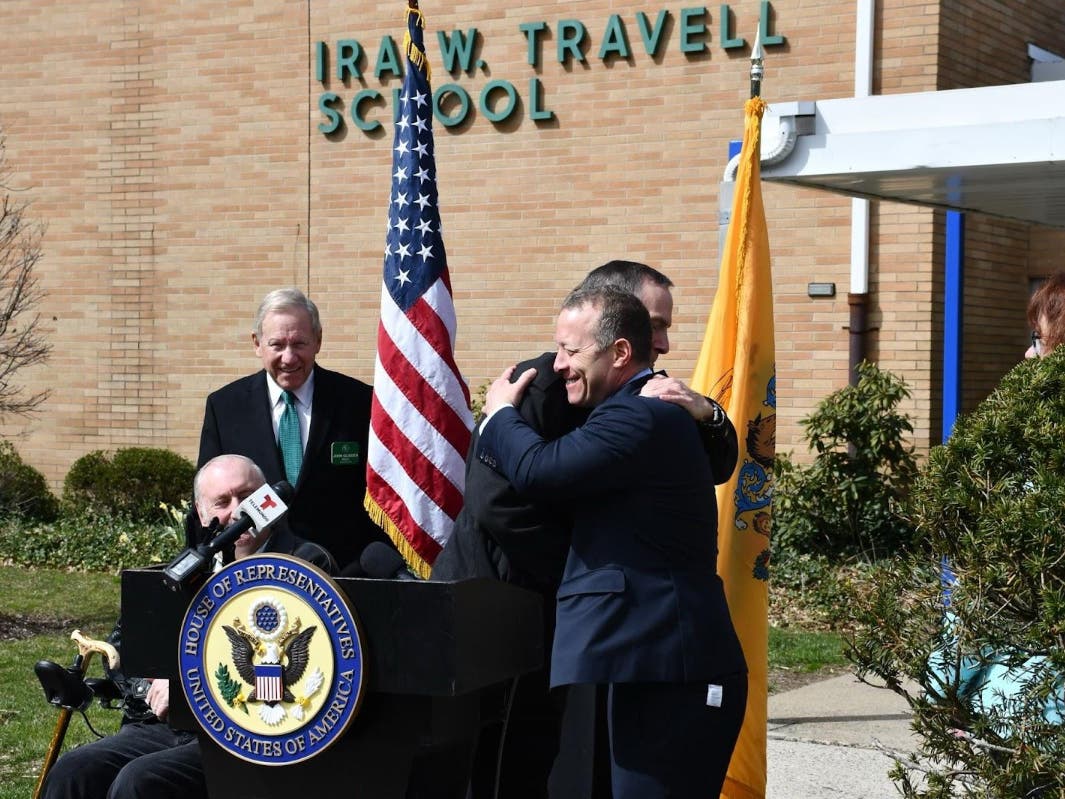

RIDGEWOOD, NJ — Saying New Jersey has the most deadly roads for pedestrians, Rep. Josh Gottheimer (5th Dist.) came to Ridgewood to announce a new pedestrian safety program and to say that aid would be given to several Bergen County towns.
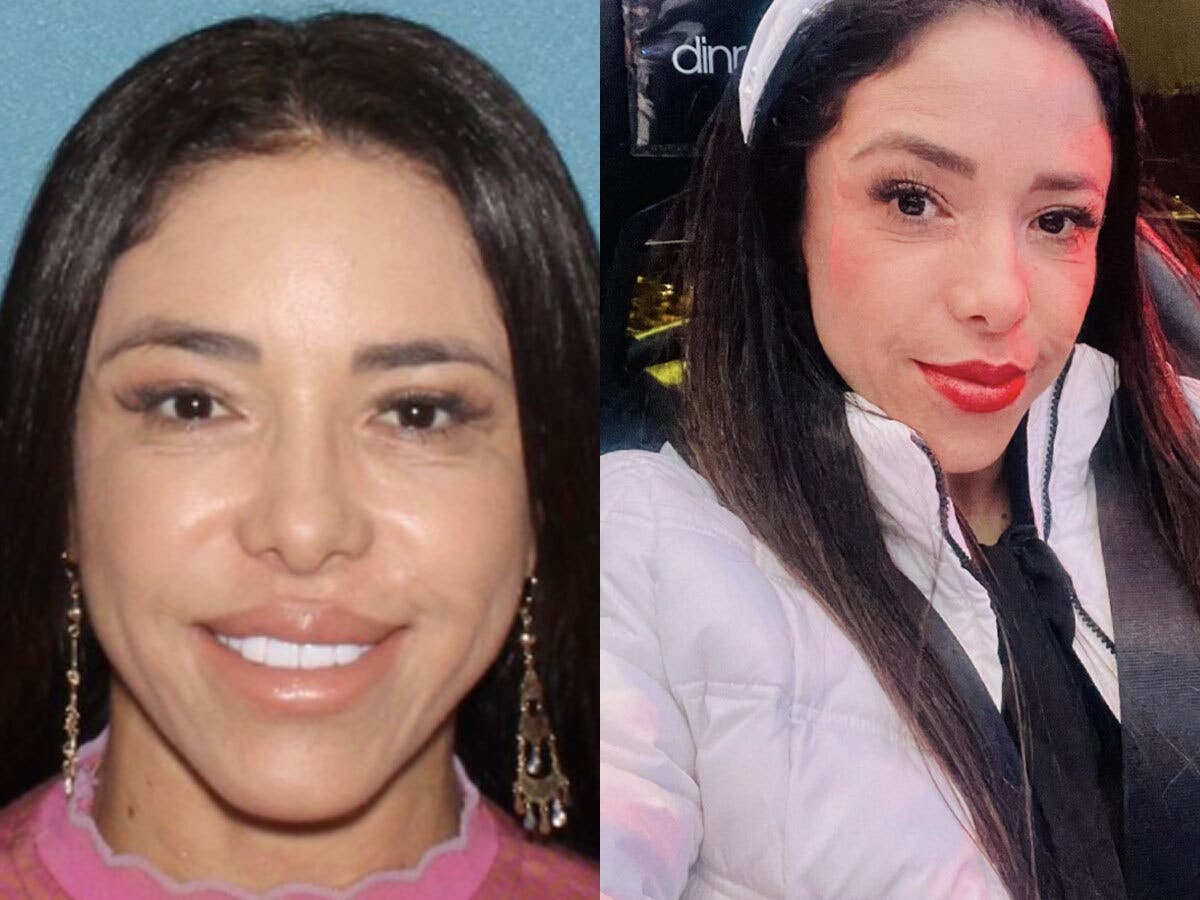
Earlier this month, two pedestrians were killed in Bergen County by elderly drivers in a three-day period, one in a library parking lot. The second victim, who was crossing a street in Dumont, was a beloved teacher in Englewood. READ MORE: 2 Bergen County Drivers, 94, Had Fatal Crashes 2 Days Apart
Englewood itself has had nine traffic fatalities from 2017 to 2021, Gottheimer said.
Find out what's happening in Ridgewood-Glen Rockfor free with the latest updates from Patch.
He also noted the death earlier this year of 30-year-old pedestrian Matthew Ritter of Wyckoff, an adult with special needs, and the deaths last month of two children, 2 years old and 9 months old, near a Camden County motel.
Gottheimer said that the federal aid to Bergen County towns would be used in a variety of ways.
Find out what's happening in Ridgewood-Glen Rockfor free with the latest updates from Patch.
In Ridgewood, the money will be used for sidewalks around schools. In Closter it will fund a bridge to students athletic courts. Midland Park and Hackensack will receive nearly $1 million to update railroad crossing signals and surfaces.
(Not all Ridgewood residents want new sidewalks; READ MORE: Sidewalk Near School Stirs Debate.)
Below is a rundown of which towns will get aid, and Gottheimer's remarks on Tuesday at Travell Elementary School in Ridgewood.
Present for the announcement Tuesday were Ridgewood Mayor Paul Vagianos, Ridgewood Deputy Mayor Pamela Perron, Closter Mayor John Glidden, Midland Park council members Mark Braunius, Lorraine DeLuca, and Nancy Cronk Peet, and Ridgewood Schools Superintendent Mark Schwarz.
Towns And Their Aid
- Ridgewood received a $178,248.39 federal Safe Routes to School grant to benefit students at Willard Elementary, Ridge Elementary, Orchard Elementary, Somerville Elementary, Hawes Elementary, George Washington Middle School, Ben Franklin Middle School, and Travell Elementary. The project will help build safe paths to schools by adding new sidewalk sections, reducing roadway widths, and installing driver feedback signs.
- Englewood received a $200,000 federal Safe Streets and Roads for All grant. Between 2017 and 2021, Englewood tragically suffered nine traffic fatalities – just tragic. With this grant, they’ll be able to develop a traffic safety action plan using the gold-standard Safe System Approach. The Safe System effectively helps mitigate pedestrian safety risks with new road designs.
- Closter received $400,000 in a new federal investment to build a pedestrian bridge connecting Memorial Park to the 9/11 Park. Currently, students at Tenakill Middle School who want to get to basketball courts or the baseball diamond have to cross Harrington Avenue, a street without sidewalks. When it’s finished, the new bridge will allow students and families to walk safely without playing frogger when they cross the street and avoid car traffic. Closter will build this new bridge without a municipal bond, so no hit on the taxpayers. That’s a big win for safety and the taxpayers in Closter and the surrounding area.
- Midland Park and Hackensack will receive nearly $1 million to update railroad crossing signals and surfaces.
Gottheimer also announced three pieces of legislation he is helping lead to protect pedestrians across Jersey and encourage new, safer road designs near schools and in downtowns:
- The PHASE Act directs the National Institute of Standards and Technology to devise new solutions to address distracted drivers, and creates a new grant program for cities and towns to implement pedestrian-friendly infrastructure.
- The bipartisan Sarah Debbink Langenkamp Active Transportation Safety Act includes grants and other incentives from the Highway Safety Improvement Program, giving states and local governments like ours the funds they need to build bike and walking paths for pedestrians.
- The Complete Streets Act directs states to design new approaches for pedestrians, bicyclists, and public transit that includes safe and accessible transportation options for children, seniors, and people with disabilities.
Gottheimer’s Remarks
Good morning. As I pulled up today here at Travell Elementary School, I immediately noticed the school zone signs. Near every school across Jersey, we have these bright signs and crosswalks to ensure our students can get to school safely. At our elementary schools, we often have crossing guards. The last thing that should be on our minds, as parents, is worrying about our child getting across the street and to school safely.
But, too often, you go beyond this immediate zone around the school, and for children and adults alike, the safety of pedestrians on all of our streets is a major concern.
According to data from the National Highway Traffic Safety Administration (NHTSA), New Jersey has the most dangerous roads for pedestrians in the entire country. Yes, you heard me right – in the entire nation. That should send alarm bells off across our Jersey communities.
And, that’s why I’m here today — to announce my new Pedestrian Safety Strategy to help address this crisis. My Pedestrian Safety Strategy includes new federal investments I’ve helped claw back to Northern Jersey, totaling nearly $1.8 million dollars — to build new infrastructure — everything from safer crosswalks, to revitalized sidewalks, and even a pedestrian bridge over a busy road. It also includes legislation to protect pedestrians across Jersey and to encourage new safer road designs near our schools, near our railroads, on our roads, and in our downtowns. We must leverage every tool in the toolkit to keep our streets and families safe.
Pedestrians make up 30 percent of the state’s road fatalities – that’s about double the national average. Six of our state’s counties are ranked among the top 20 most dangerous counties in the country for pedestrians, including right here in Bergen County. In 2023, 177 Jersey pedestrians lost their lives — 47 residents this year alone — meaning we are on track to exceed last year’s numbers. Over the past few years, we’ve seen an alarming increase in pedestrian deaths in Jersey, reversing decades of progress in making our streets safer. The victims are far too often children and seniors, including from harder-pressed families in cities where fewer people drive.
These aren’t just statistics. They are our friends and family members. Earlier this month, right here in our backyard, we lost Elizabeth Feliciano-Rosa, a first grade teacher from Englewood. She died after being hit by a pickup truck at a pedestrian crosswalk in Dumont. Just two days later, Helen Koons, a senior who was a beloved volunteer for several Bergen County charities, died from injuries sustained while walking in the parking lot of Paramus Library.
In January, Matthew Ritter, a 30-year-old Wyckoff resident, was struck and killed by a car while crossing a street in Fair Lawn and another man was struck and injured. And sadly, late last year, two children were killed at an intersection and their mother hospitalized in Camden County.
This morning, there is actually a press conference in Newark with family members of a high school student at Newark Arts School who was struck and injured while crossing the street.
Everywhere in New Jersey, our families and children deserve to walk on safe streets. If we can tackle these infrastructure problems head-on, we can save lives.
That’s why, today, I’m proud to announce my new Pedestrian Safety Strategy to help address the alarming number of pedestrian fatalities here in Jersey and around the country.
First, we have to invest in new infrastructure to actually make our roads safer for our children and families. These road and sidewalk improvements are expensive, so I’ve been focused, as ever, on clawing more of federal tax dollars back to our towns and cities. This will help our towns and cities afford to do what’s necessary without raising property taxes. Municipal budgets are strapped, as it is.
This is something I focused on when I helped write, negotiate, and pass the Bipartisan Infrastructure Bill, which includes new federal investments to make our streets and sidewalks safer for pedestrians.
Here’s the good news that I’m announcing today. In the last few weeks, working closely with the mayor and council, Closter received $400,000 in a new federal investment to build a pedestrian bridge connecting Memorial Park to the 9/11 Park. Right now, students at Tenakill Middle School who want to get to basketball courts or the baseball diamond have to cross Harrington Avenue, a street without sidewalks.
When it’s finished, the new bridge will allow students and families to walk safely without playing frogger when they cross the street and avoid car traffic. Closter will build this new bridge without a municipal bond, so no hit on the taxpayers. That’s a big win for safety and the taxpayers in Closter and the surrounding area.
We also clawed $200,000 back to Englewood through the Department of Transportation’s Safe Streets and Roads for All program. Between 2017 and 2021, Englewood tragically suffered nine traffic fatalities – just tragic. With this grant, they’ll be able to develop a traffic safety action plan using the gold-standard Safe System Approach. The Safe System effectively helps mitigate pedestrian safety risks with new road designs.
And, right here, Ridgewood received a $178,000 federal grant from Safe Routes to School program, which will benefit students at eight schools across Ridgewood just like this one: Willard Elementary, Ridge Elementary, Orchard Elementary, Somerville Elementary, Hawes Elementary, George Washington Middle School, Ben Franklin Middle School, and the 353 students who attend Travell Elementary, where we’re standing right now. The project will help build safe paths to schools by adding new sidewalk sections, reducing roadway widths, and installing driver feedback signs.
We’re also making the areas near our railroads, which are typically the most dangerous for pedestrians, more walkable. I’m proud to announce that Midland Park and Hackensack will receive nearly $1 million to update railroad crossing signals and surfaces. To combat the ongoing pedestrian crisis, the officials at Midland Park have been working overtime and are even looking into additional grants to protect pedestrians on sidewalks and crosswalks across the town. The new improvement there include more than $600,000 clawed back to Susquehanna & Western Railway which goes directly through the community.
So far, we’ve clawed back nearly $1.8 million in federal dollars to North Jersey communities to invest in five new, pedestrian-safe infrastructure projects. That’s real money for real pedestrian safety.
The second part of our Pedestrian Safety Strategy is all about how we rethink the way we build our roads, sidewalks, and overall infrastructure, so that it’s all safer. We need to deploy more smart technology, bike paths, and take steps to prevent distracted driving, so that our communities are safer for our kids and families.
To do that, I’m helping lead three key pedestrian safety legislation. The PHASE Act directs the National Institute of Standards and Technology to devise new solutions to address distracted drivers, and creates a new grant program for cities and towns to implement pedestrian-friendly infrastructure.
The bipartisan Sarah Debbink Langenkamp Active Transportation Safety Act includes grants and other incentives from the Highway Safety Improvement Program, giving states and local governments like ours the funds they need to build bike and walking paths for pedestrians. And the Complete Streets Act directs states to design new approaches for pedestrians, bicyclists, and public transit that includes safe and accessible transportation options for children, seniors, and people with disabilities.
The final leg of my Pedestrian Safety Strategy is all about collaboration and cooperation at all levels of government, from our towns and cities to the state and federal government to find new innovative solutions to safer, pedestrian friendly streets. None of us can solve the pedestrian safety crisis alone. Working together, we need to chase after every nickel to help build this new infrastructure for our towns and cities. We have a five alarm pedestrian fire in Jersey – and we all need to join efforts to design safer streets and claw back even more federal investments for Jersey towns. There’s no excuse for New Jersey to be the most dangerous state in the nation for pedestrians. It’s unacceptable.
Today we are taking critical steps and building on years of work, but we must do more.
In the end, pedestrian safety is about keeping our communities safe. Everyone – from our elementary school children to our elderly residents – should feel safe crossing the road and walking down the sidewalk, no matter what time of day.
My Pedestrian Safety Strategy will help deliver that safety, without raising local and property taxes. The grants I’ve highlighted represent a significant investment we’ve clawed back from Washington for our families, for local projects, and the legislation I’m backing opens the door for even more investments. And my Pedestrian Safety Strategy includes new legislation that will help us rethink how we build our communities, including near our schools and downtowns. With safer streets, these towns will now be even more attractive locations for families to call home, which will make life better for our residents.
There isn’t anything partisan about this plan. By working together and protecting our pedestrians, I know our best days will always be ahead of us.
Thank you. God bless you, and may God continue to bless the United States of America.
Get more local news delivered straight to your inbox. Sign up for free Patch newsletters and alerts.