Community Corner
‘Bone Treats’ Kill, Sicken Dogs, FDA Warns Pet Owners
Processed, packaged "bone treats" have killed 15 dogs and sickened dozens more, the FDA said in a warning urging consumers not to buy them.


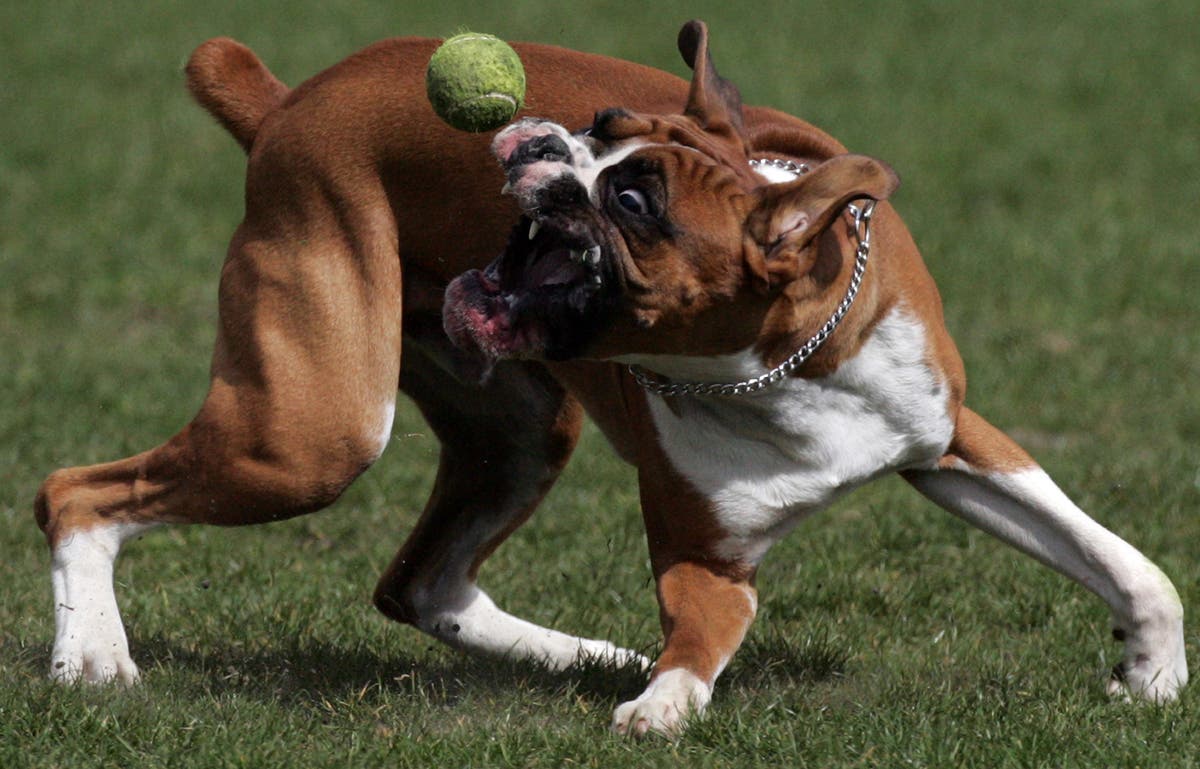
If the family pooch gets a holiday stocking full of goodies along with the rest of the family, make sure it doesn’t include commercial "bone treats," the federal Food and Drug Administration recently warned after getting dozens of complaints about dogs that got sick or died after eating the processed, packaged treats.
About 15 dogs died and 75 were sickened after eating bone treats, the FDA said. The treats were labeled as “Ham Bones,” “Pork Femur Bones,” “Rib Bones” and “Smokey Knuckle Bones.”
“Giving your dog a bone treat might lead to an unexpected trip to your veterinarian, a possible emergency surgery, or even death for your pet,” Carmela Stamper, a veterinarian for the FDA’s Center for Veterinary Medicine, said in the warning.
Find out what's happening in Across Americafor free with the latest updates from Patch.
Unlike uncooked butcher-type bones, “bone treats” may be dried through a smoking process or by baking, and may contain other ingredients such as preservatives, seasonings and smoke flavorings.
In all, it received 68 reports of dogs that became sick after eating the treats; some of the reports involved multiple dogs. The FDA said some of the illnesses and symptoms pet owners and veterinarians reported among dogs that had eaten the bone treats included:
Find out what's happening in Across Americafor free with the latest updates from Patch.
- Gastrointestinal obstruction (blockage in the digestive tract);
- Choking;
- Cuts and wounds in the mouth or on the tonsils;
- Vomiting;
- Diarrhea;
- Bleeding from the rectum, and/or
- Death
- Chicken bones and other bones from the kitchen table can cause injury when chewed by pets, too. So be careful to keep platters out of reach when you’re cooking or the family is eating.
- Be careful what you put in the trash can. Dogs are notorious for helping themselves to the turkey carcass or steak bones disposed of there.
- Talk with your veterinarian about other toys or treats that are most appropriate for your dog. There are many available products made with different materials for dogs to chew on.
Stamper and her colleagues recommend supervising dogs any time they have a chew toy or treat, especially a new one the dog hasn't had before. And if the dog "just isn't acting right," call the veterinarian immediately, Stamper said.
Problems with pet foods or treats can be reported to the FDA at “How to Report a Pet Food Complaint.”
Photo by Matt Cardy/Getty Images News/Getty Images
Get more local news delivered straight to your inbox. Sign up for free Patch newsletters and alerts.