Community Corner
Monarch Butterfly Numbers Up 64%; Why It’s Only A Fragile Glimmer Of Hope
Conservation efforts large and small are paying off, but monarch butterfly populations remain perilously low and vulnerable to collapse.


Monarchs and the people who love these majestic orange and black butterflies got some encouraging news recently: Their efforts to restore habitat and other measures have contributed to a noteworthy increase in the number overwintering in Mexico.
A remarkable 64 percent more monarch butterflies made it to the forests of western Mexico this past winter compared to the winter before, according to the World Wildlife Fund. The area occupied by monarchs increased to 7.24 acres of forest, compared to 4.42 acres the previous winter, the most coverage since 2018.
The annual butterfly census offers a glimmer of hope for the species, but populations remain perilously low due to a combination of deforestation, herbicide use and climate change, conservationists warn.
Find out what's happening in Across Americafor free with the latest updates from Patch.
In monarchs’ overwintering groves, “there were once so many butterflies that the sound of their wings was described as like a rippling stream or a summer rain,” according to the World Wildlife Fund. The kaleidoscope — an appropriate name for a group of these vibrantly colored insects — of monarchs in the groves is still an impressive sight, but where there once were millions clustering thickly on branches, now only a fraction remain, their dwindling numbers a quiet signal of environmental strain.
Monarchs are vital pollinators. Flutters of them distribute pollen to a diverse array of wildflower species. Their presence is a sign of environmental health, and they hold significant cultural and symbolic value.
Find out what's happening in Across Americafor free with the latest updates from Patch.
“The monarch butterfly is the symbol of the trilateral relationship between Mexico, the United States and Canada,” Mexican environment minister Alicia Bárcena Ibarra told reporters at a March 17 news conference on the release of the report. “Its conservation is a collective commitment we must maintain for the future.”
Monarch butterflies have been in a steep decline since the 1990s, with their populations reaching critically low, brink-of-extinction levels multiple times in the last decade, particularly in the mid-2010s and early 2020s. The western monarch butterfly population in North America has faced more severe declines than the eastern population, with the most dire situation occurring around 2020–2021.
“Monarchs need our help, and we need monarchs because they are spectacular and irreplaceable,” Tierra Curry, endangered species co-director at the Center for Biodiversity, an environmental nonprofit, said in a statement.
Curry criticized federal delays in finalizing Endangered Species Act protections after a proposed listing in December 2024, saying, “It would be unforgivable for their epic migrations to collapse.”
What’s Happening Now
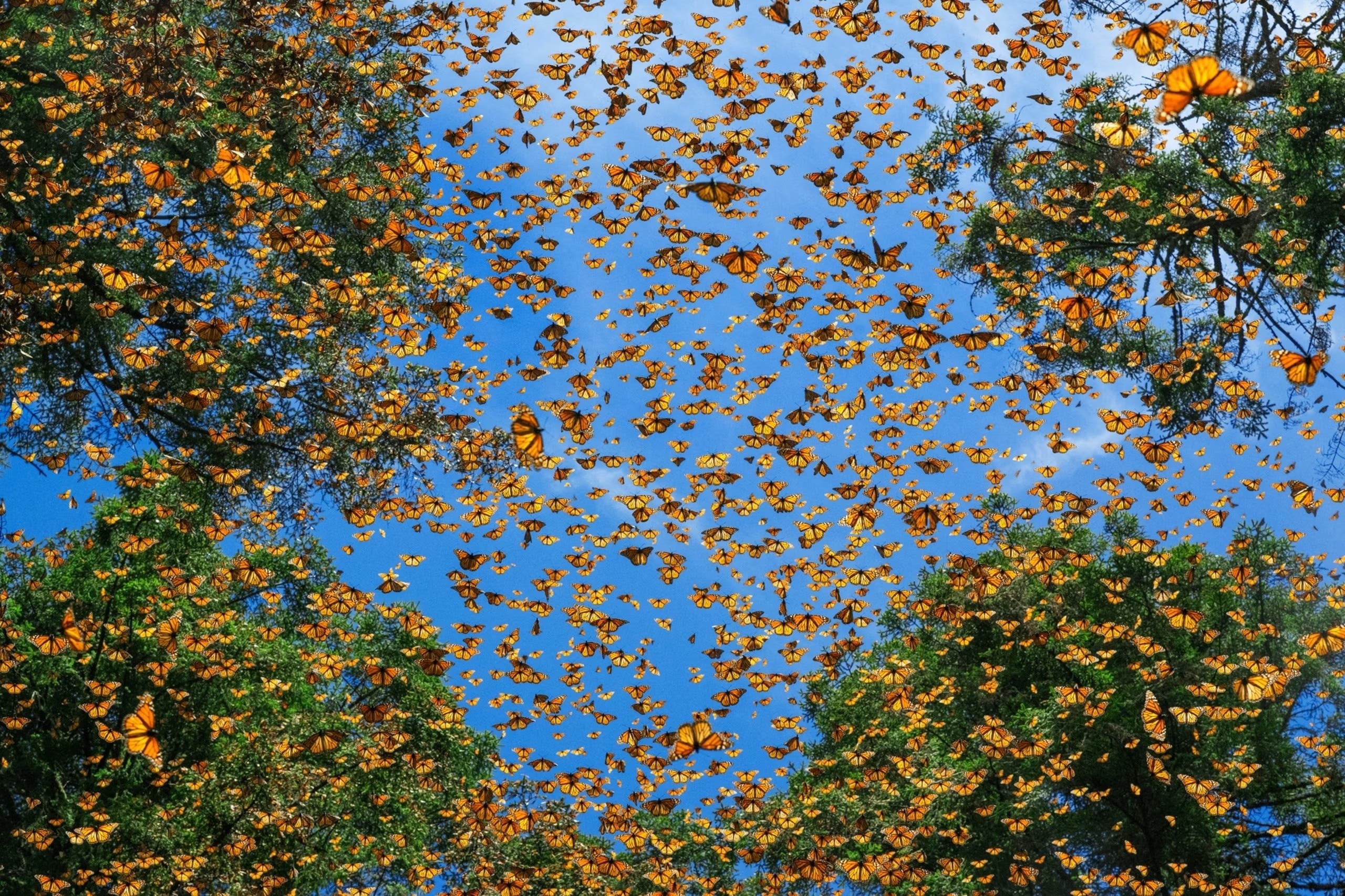
Every spring, tens of millions of monarch butterflies that drape Oyamel fir trees in shimmering orange during the winter months awake from their state of semi-hibernation and begin the nearly 3,000-mile journey from Mexico, across the United States and on to Canada.
Imagine it like a relay race across generations. Here’s how it unfolds:
As the weather warms and days get longer, overwintering butterflies wake up, become active again, and start flying north. Along the way, usually in the southern U.S., they lay eggs on milkweed plants. Their job is basically done.
The next generation takes the baton. Those eggs hatch into caterpillars, then become butterflies. These new butterflies continue flying farther north, laying eggs again as they go.
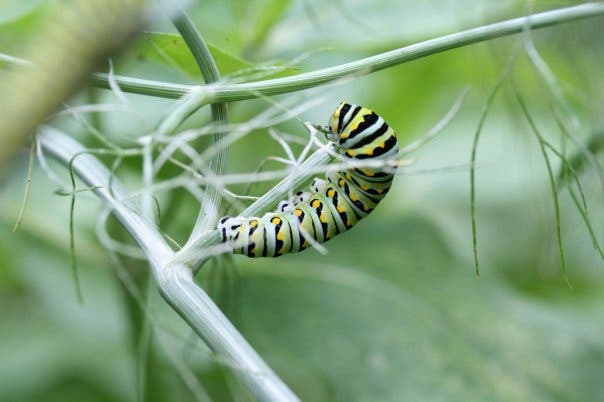
The cycle continues, and by the time monarchs reach places like the northern U.S. or Canada, it’s actually the great-grandchildren — or even great-great-grandchildren — of the butterflies that left Mexico.
It usually takes three to four generations to complete the northward journey.
Monarchs began leaving Mexico in late February and early March, and many have already laid their eggs, according to Journey North, a citizen science program that engages people from across North America in tracking wildlife migration and seasonal changes. The tracking project is the result of a partnership of the Monarch Joint Venture and the University of Wisconsin-Madison Arboretum.
Monitoring the map provides the most accurate, up-to-date information on butterflies’ progress.
Conservation Efforts Pay Off
The World Wildlife Fund says its report shows conservation efforts are making a difference despite ongoing challenges.
These include large-scale initiatives like partnering with Mexico to support forest management and sustainable tourism in the Monarch Butterfly Reserve. In the United States, efforts focus on reducing neonic pesticide use — a key driver of monarch decline — and restoring Great Plains grasslands as pollinator habitat.
“Despite environmental challenges, the March 17 announcement shows promising signs of recovery for the eastern monarch population,” said Maria Jose Villanueva, WWF-Mexico Director General. “Conservation measures are moving in the right direction, but this migration still faces significant threats.”
Multiple state transportation agencies have implemented milkweed projects to support declining monarch butterfly populations, primarily by restoring habitats along roadsides and encouraging public participation.
Six states along the north-south Interstate 35 corridor — Texas, Oklahoma, Kansas, Missouri, Iowa and Minnesota — are cooperating to create the Monarch Highway.
Cities and towns are creating monarch habitat. Romeoville, Illinois, Mayor John D. Noak recently renewed the National Wildlife Federation’s Mayor’s Monarch Pledge, committing the town to initiatives like planting milkweed and providing education to help save declining monarch butterflies. The pledge asks local leaders to implement three to eight conservation steps.
Community initiatives emphasize the planting of regional milkweed species while at the same time removing non-native milkweed plants. These plants, sold at nurseries and garden centers under common names such as bloodflower, scarlet milkweed, Mexican Butterfly Weed and balloon milkweed, can harm monarch populations by disrupting migration and spreading disease.
In San Leandro, California, an important overwintering site for western monarchs, the traveling exhibit "Monarchs and Milkweed: A Story of Survival” will run April 2-May 30 at the city’s main library.
“The San Leandro Marina serves as an overwintering site for monarchs, making our community a key player in their survival,” said Brian Simons, library director. “This exhibit will help people understand how small actions can make a big difference, and the related programming provides learning opportunities for supporting monarchs and other pollinators in San Leandro.”
The San Leandro library is planning a series of related programs through May to draw attention to easy things people can do to improve monarchs’ chances of survival.
What You Should And Shouldn’t Do
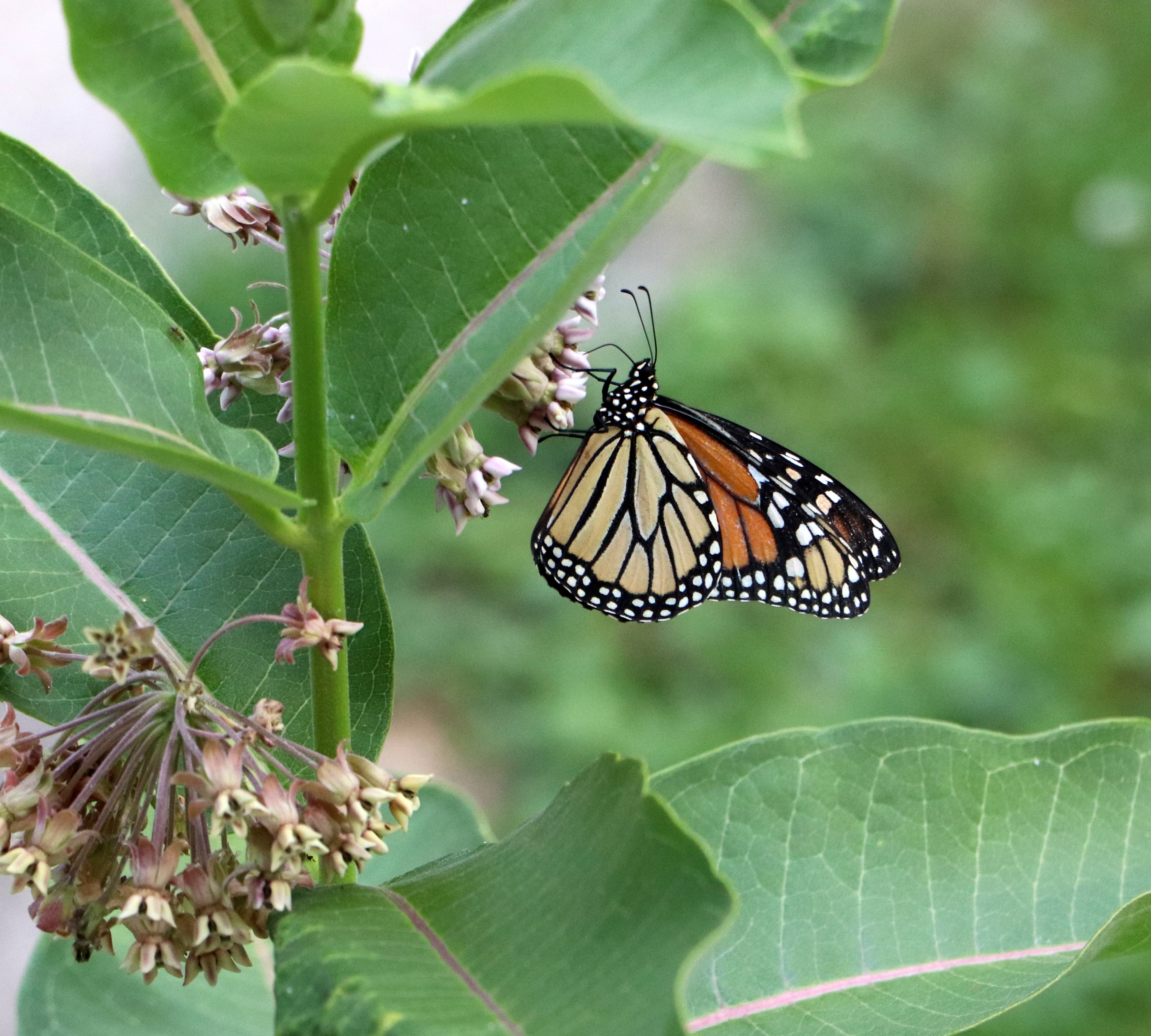
Across the country, gardeners are planting “monarch waystations” — gardens featuring native milkweed for larvae and caterpillars and varied nectar plants for adults — to serve as stopovers for traveling monarchs.
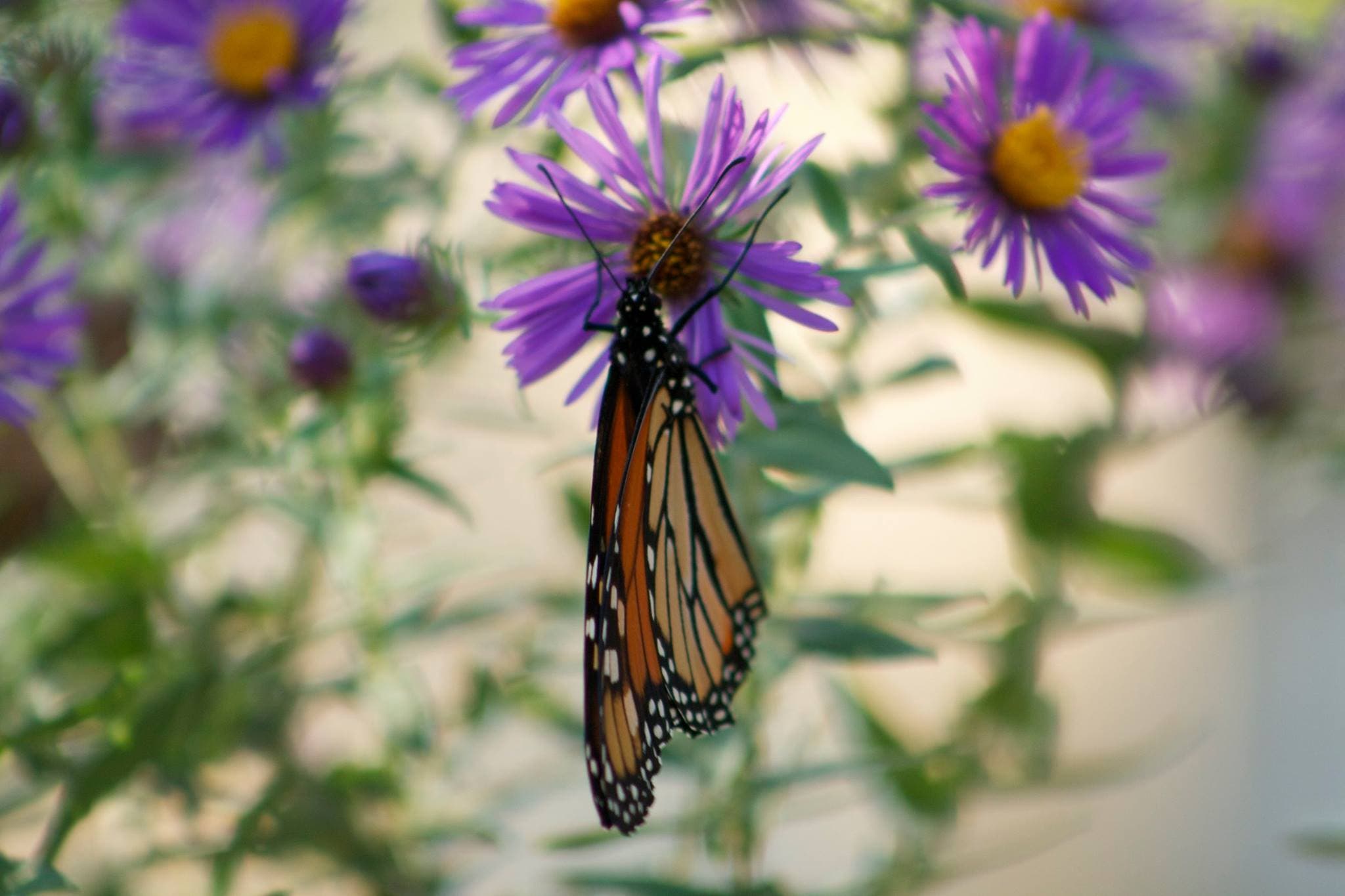
In addition to a couple of milkweed plants native to your region, some plants to consider include goldenrod, asters, blazing star, Joe Pye Weed and coneflowers, ensuring blooms from spring to fall. Here’s a guide on what to plant.
Here are some other things to do:
- Avoid using insecticides or herbicides in your garden, as they kill monarchs and their food sources.
- Ensure plants are not treated with systemic pesticides before purchasing from local nurseries or native plant sales.
- Encourage neighbors, homeowners’ associations, and local officials to participate in initiatives like the Mayors’ Monarch Pledge.
- Become a citizen scientist, and participate in monitoring efforts to track migration. For projects, visit the Monarch Joint Venture website.
- Reduce your lawn size, replacing portions of grass with native habitats to reduce water usage and provide pollinator benefits.
Also On Patch
Get more local news delivered straight to your inbox. Sign up for free Patch newsletters and alerts.