Seasonal & Holidays
Hidden Summer Hazards Families Should Not Ignore
Pools, beaches, boating excursions and road trips come with risks. Here's what to know about summer safety hazards before heading out.


A child can slip under the water without a sound. A clear sky can turn into a lightning delay at the ballpark. A routine drive can become the most dangerous part of a long weekend.
Summer brings people outside and on the road, but federal health, weather and transportation data show the season’s ordinary pleasures come with real risks — drowning, rip currents, lightning, severe storms, sun exposure, heat illness and highway crashes among them.
Below is a look at some of the top hazards and what to do.
Find out what's happening in Across Americafor free with the latest updates from Patch.
Drowning: Major Danger For Kids
Be careful in the water.
On average, more than 4,000 people die in drownings every year, which works out to be about 11 fatal drownings a day, according to the Centers for Disease Control and Prevention. The agency also reports an average of more than 8,000 nonfatal drownings per year.
Find out what's happening in Across Americafor free with the latest updates from Patch.
Drowning is a leading cause of death in children ages 1-4, and among children ages 5-14, it’s the second leading cause of death after motor vehicle crashes, according to the CDC.
It’s important to know what drowning looks like — and what it doesn’t look like. Forget the dramatic scenes of people widely flailing their arms and frantically calling for help that you’ve seen on TV and in the movies.
Real-life drowning happens quietly, without flailing arms and frantic calls for help. People can't simply stop drowning long enough to take in a breath of air and call for help. The human body isn't built that way.
Secure pool gates to prevent unsupervised access. Children require constant, undivided supervision without distractions like cellphones. Enroll children in swimming lessons and prompt advanced swimmers to pursue lifeguard certification.
If there is no lifeguard, use a float, rope, or stick to pull a drowning person to safety. Physical rescues are risky for the untrained; if necessary, pull them from behind by the armpits, keeping their head above water.
How To Perform CPR
- Lay the victim on a flat, firm surface.
- Check responsiveness by tapping their shoulder and shouting.
- Look and listen for breathing; if absent, start CPR.
- Clear the airway by tilting the head back and lifting the chin.
- Deliver initial rescue breaths (five for adults, two for children/infants).
- Provide chest compressions at 100-120 per minute, pushing down 1.5 to 2 inches based on age.
- Cycle 30 compressions with two rescue breaths.
- Continue until help arrives or the victim revives; call 911 if alone.
Rip Currents A Hidden Danger
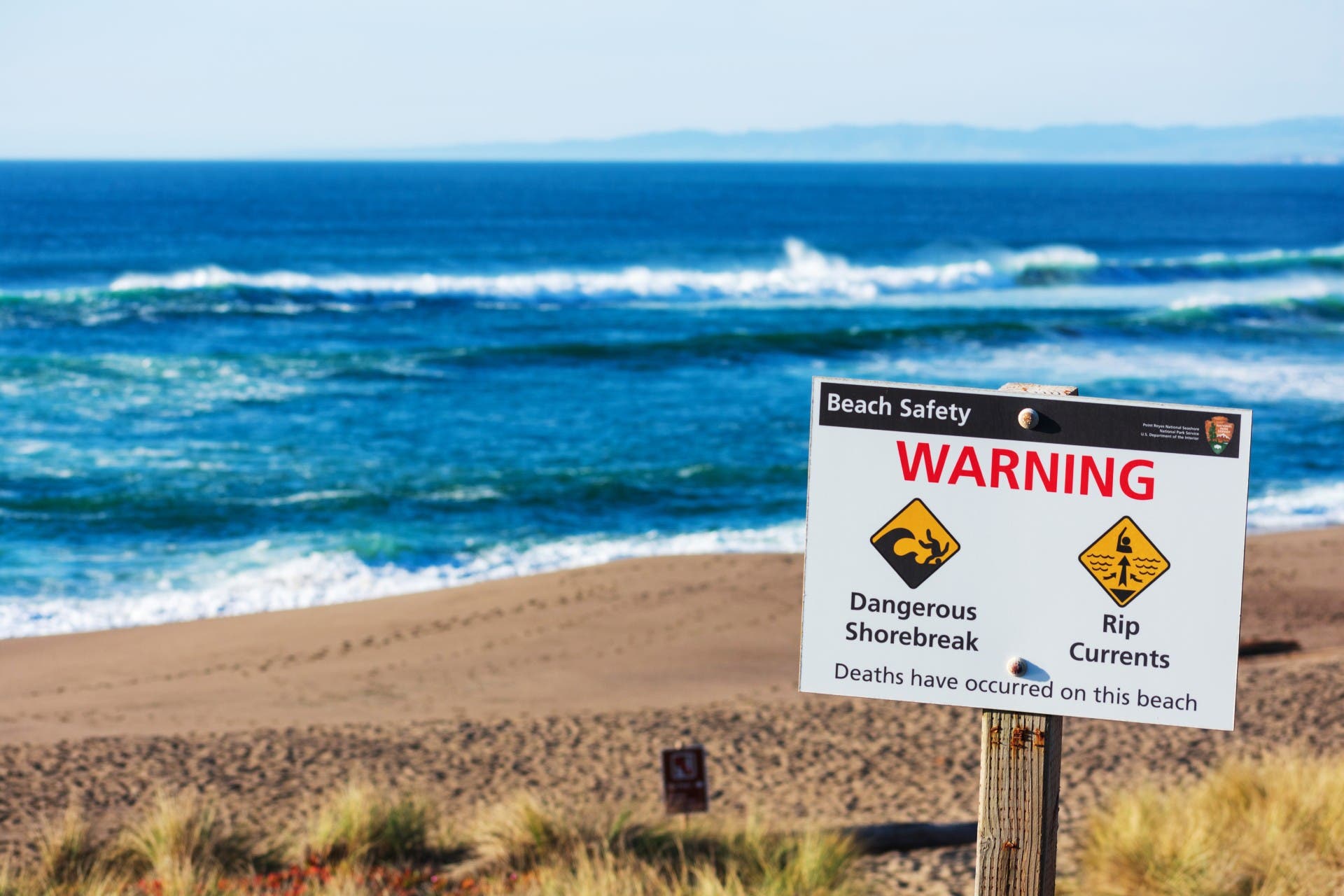
At the beach, one of the most dangerous hazards — rip currents — can be hard to spot from the sand.
While these narrow channels of fast-moving water flowing away from shore don’t pull swimmers under water, they can sweep even strong swimmers away from the beach. In 2024, the National Weather Service reported 74 rip-current deaths and 53 injuries, noting that fatalities frequently involve males aged 10–29 and often occur during June and July.
Last year, the agency said there were 99 surf-zone fatalities at U.S. beaches, with rip currents accounting for a large share of them. Most fatalities occur in June and July.
The basic advice is simple but often forgotten in panic: Do not fight the current. Float, call or wave for help, and swim parallel to shore until free of the current before turning back toward land. Beachgoers should check surf forecasts, obey warning flags and swim near lifeguards whenever possible.
- Related: How To Spot And Survive Rip Currents
Don’t Drink And Boat
Boating is another summer risk, especially around the Fourth of July, when crowded waterways, alcohol, inexperienced operators, darkness and fast-changing weather can overlap.
Accident statistics for 2025 aren’t expected to be released until August, but in 2024, the U.S. Coast Guard counted 556 recreational boating deaths and 2,170 injuries in 2024.
Alcohol was the leading known contributing factor in fatal boating accidents, accounting for 92 deaths. The agency urges boaters to wear life jackets, boat sober, use an engine cut-off switch, and check the weather before heading out.
Severe Storm Hazards
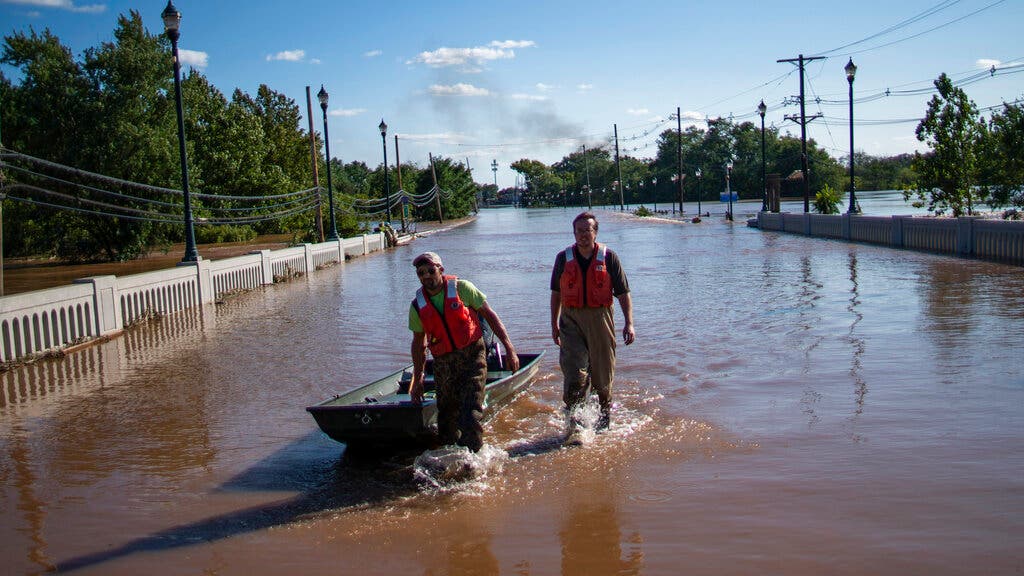
Summer storms are sometimes treated as a brief interruption — a reason to pack up a picnic or delay a Little League game. But severe weather can become life-threatening in minutes.
Lightning killed 20 people in the United States in 2025, tornadoes killed 80 people, and flash flooding claimed 45 lives, according to preliminary National Weather Service data.
Lightning is especially dangerous because people often wait too long to seek shelter. The safest place during a thunderstorm is inside a substantial building or a hard-topped vehicle. Pavilions, dugouts, tents, golf carts, open porches and trees do not provide adequate protection.
In flooding, drivers should never attempt to cross water-covered roads. The depth and condition of the pavement underneath can be impossible to judge.
Heat Is A Deadly Hazard
Extreme heat has become one of the most serious seasonal health threats in the United States. The CDC says heat waves are among the leading causes of weather-related deaths, and the National Weather Service attributed 529 deaths and 223 injuries to heat in 2024, the latest year for which data is available.
Heat illness can develop when the body cannot cool itself fast enough. Early symptoms may include heavy sweating, dizziness, weakness, nausea or headache. Heat stroke — marked by confusion, loss of consciousness or very high body temperature — is a medical emergency.
Older adults, infants and young children, outdoor workers, athletes, people with chronic medical conditions, pregnant people and those without reliable air conditioning face higher risk. Parked cars are especially dangerous: temperatures inside a vehicle can become deadly quickly, even when the outside temperature seems moderate.
Sunburn Not Just A Short-Term Problem

Sunburn is another common summer injury that can seem minor in the moment but carry long-term consequences.
The CDC says skin cancer is the most common form of cancer in the United States. Federal cancer data show millions of adults are treated each year for basal cell and squamous cell carcinomas, two common forms of skin cancer. Melanoma, while less common, is more likely to be deadly.
UV exposure adds up over time, and blistering sunburns are a warning sign of skin damage.
Treat sunburns at home by cooling the skin with cool compresses or showers, moisturizing, and pain relievers. The best thing to do is prevent sunburn and its more severe form, sun poisoning. Dermatologists recommend using a sunscreen with an SPF of at least 30, which blocks 97 percent of the sun’s UVB rays. Higher-number SPFs block slightly more of the sun's UVB rays, but no sunscreen can completely block them.
Don’t forget the sunglasses. That includes the kiddos, too, but don’t grab them from the toy aisle because those glasses don’t typically offer UV protection. The Food and Drug Administration recommends glasses with a UV400 rating or lenses offering 100 percent UV protection. Keep this in mind: Dark lenses and UV protection are not synonymous. Consider large, wrap-around frames for more protection.
Also, wear a wide-brimmed hat, Airy, light-colored clothing providing full-body coverage can provide full-body protection.
Roads Get Riskier As Travel Increases
Summer also brings more highway travel, more teen drivers on the road, more long-distance trips and more late-night driving after gatherings.
Traffic deaths fell to record lows in 2025. With an estimated 36,640 traffic fatalities in 2025 — a 6.7 percent decrease from 2024 — the nation saw its second-lowest traffic fatality rate in recorded history at 1.10 fatalities per 100 million vehicle miles traveled, according to the U.S. Department of Transportation.
That’s still a staggering toll. The National Highway Traffic Safety Administration said traffic fatalities remain higher than they were a decade ago, and the agency continues to emphasize speeding, impairment, distraction and lack of seat belt use as major risks.
Holiday weekends can intensify those dangers. More traffic, fatigue, alcohol, motorcycles, construction zones and impatient drivers can turn routine trips into fatal crashes.
The safest choices are familiar: buckle up, drive sober, put the phone away, slow down, allow extra time and avoid driving when exhausted. Parents of teen drivers should be especially alert during the long stretch between Memorial Day and Labor Day, often described by traffic safety groups as the “100 deadliest days” for young drivers.
Easy-To-Overlook Summer Hazards

Not every summer danger makes national headlines.
Foodborne illness can spread when picnic foods sit too long in warm temperatures. Fireworks cause burns, eye injuries and fires. Lawn mowers and outdoor equipment send children and adults to emergency rooms. Bicyclists, pedestrians and motorcyclists share crowded roads with distracted drivers. Pets can overheat, burn their paws on pavement, or die in hot cars.
Ticks and mosquitoes bring another set of seasonal risks. Repellent, long sleeves in wooded or grassy areas, tick checks after outdoor activity, and removing standing water around homes can reduce exposure.
Snakebites also rise as people spend more time hiking, camping, gardening and working outdoors. The CDC says 7,000 to 8,000 people are bitten by venomous snakes in the United States each year, and about five die. Safety officials advise people not to handle snakes, to watch where they place their hands and feet, and to seek medical care right away after a bite.
Shark bites also draw attention every summer, though they remain rare compared with other water hazards. The Florida Museum of Natural History’s International Shark Attack File confirmed 65 unprovoked shark bites worldwide in 2025, including 25 in the United States and one U.S. fatality. The database also counted 29 provoked bites worldwide.
Prevention Is The Common Thread
The risks of summer are varied, but the safety advice is the same: Pay attention early, not after conditions become dangerous.
Check the weather before outdoor plans. Watch children closely around water. Swim near lifeguards. Leave the beach when storms approach. Take heat warnings seriously. Wear sun protection. Drive sober and rested. Keep food cold. Use fireworks carefully if they are legal where you live.
Get more local news delivered straight to your inbox. Sign up for free Patch newsletters and alerts.

![Dogs Are Family, But They May Not Be Welcome Everywhere [The Question]](https://patch.com/img/cdn20/shutterstock/790386/20261016/012721/styles/patch_image/public/shutterstock-2270425569___16132539536.jpg)