Community Corner
Invasive Spotted Lanternfly Monitoring Continues In Fairfax County: What To Know
The invasive spotted lanternfly, which can be destructive to plants, were previously found in Fairfax County. Here's what to know this year.


FAIRFAX COUNTY, VA — The invasive spotted lanternfly continues to pose a threat around Fairfax County, leading the county government to urge residents to look out for the insect.
The spotted lanternfly, an invasive insect originally from Asia that has spread to some U.S. states, poses a threat by feeding on over 70 plant species. Its preferred food source is the tree-of-heaven, but officials say the insect threatens Virginia's peach, apple, grape, and wine industries. The insect can also emit a sticky substance that can cause mold growth and attract stinging insects.
The spotted lanternfly first appeared in the U.S. in Pennsylvania and is now present in 14 U.S. states. In Virginia, some areas are under a quarantine, which means businesses must inspect regulated items leaving the quarantined areas so they don't have any stages of the spotted lanternfly. The insect is a known "hitchhiker" that spreads through shipments of items such as produce.
Find out what's happening in Greater Alexandriafor free with the latest updates from Patch.
Fairfax County isn't under the quarantine, but neighboring Prince William County is, along with the cities of Manassas and Manassas Park along with select Virginia counties and cities outside Northern Virginia. However, Fairfax County government noted the spotted lanternfly was found in isolated areas of the county in 2022 and was first found in October 2021. Officials are monitoring the county to determine if the invasive specifies is present.
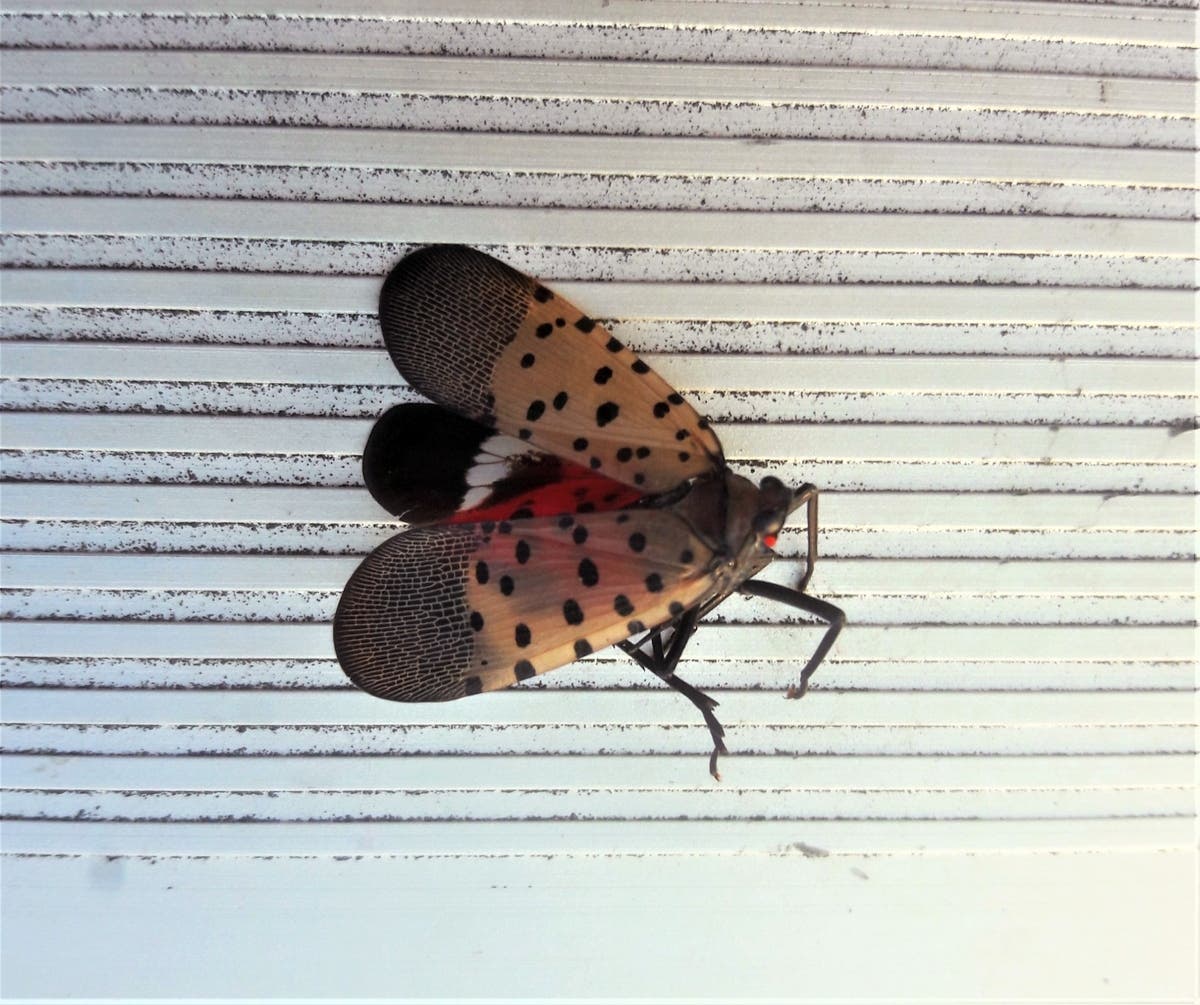
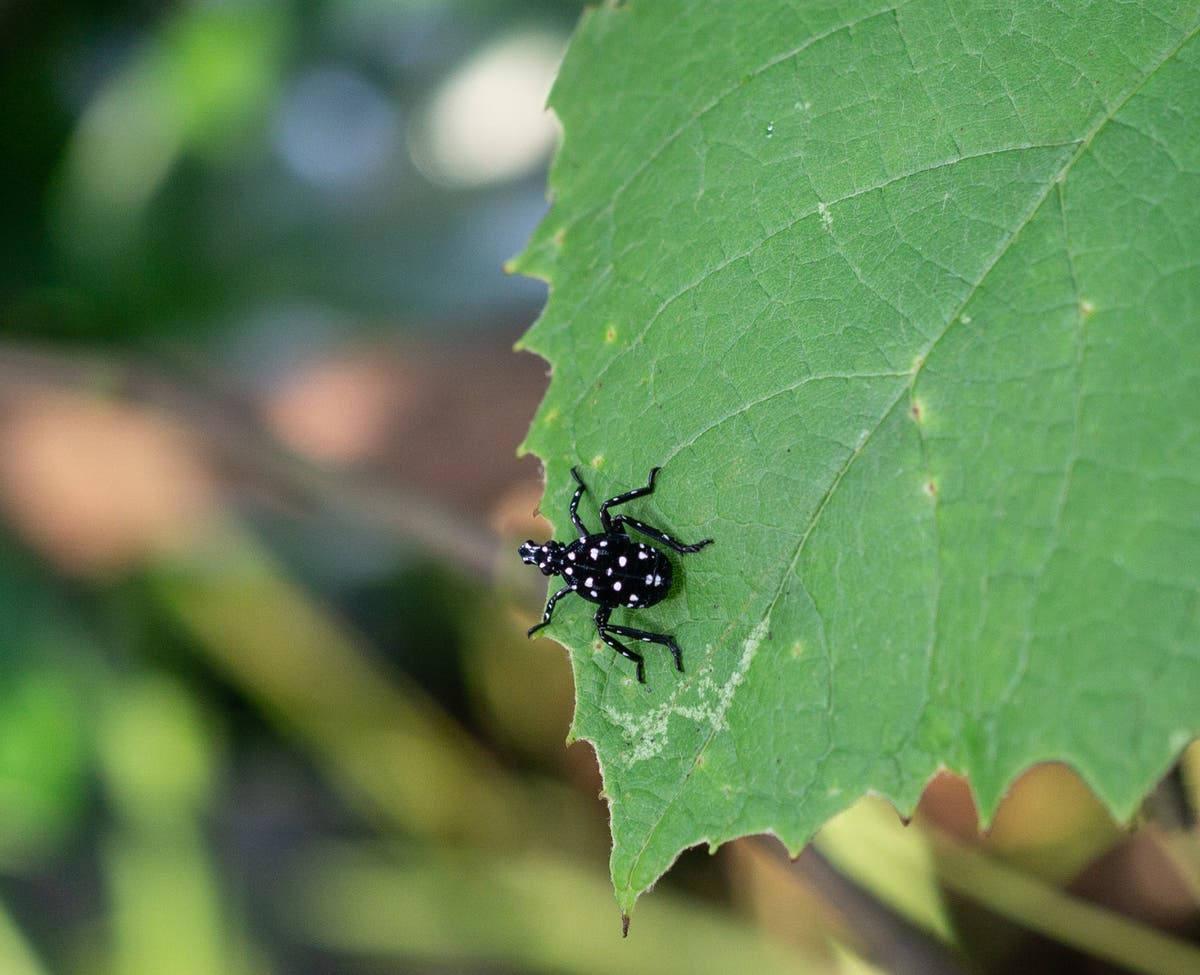
To that end, the county government asks residents to be on the lookout for any life stages of the spotted lanternfly. During July, spotted lanternfly nymphs turn into adults. Adult spotted lanternflies are around 1 inch long with gray forewings covered in black dots, hind wings, with red patches and black spots and a white band. Nymphs are smaller and do not have wings, starting as black with white spots and developing red patches as they mature.
Find out what's happening in Greater Alexandriafor free with the latest updates from Patch.
Adult spotted lanterflies typically lay eggs starting in September through the first hard frosts. Egg masses are covered in a light gray colored wax that appears like mud when dry.
Images are available online to help identify spotted lanternflies. Residents who believe they've found a spotted lanternfly can send a report through the mobile app iNaturalist or send an email to ReportSLF@fairfaxcounty.gov with photos and an address or call Fairfax County's 703-324-5304.
Get more local news delivered straight to your inbox. Sign up for free Patch newsletters and alerts.