Crime & Safety
16 Opioid Overdoses, 3 Deaths In 24 Hours Across Anne Arundel County
Anne Arundel County Police are urging residents to seek addiction treatment after a deadly string of heroin and opioid overdoses this week.


ANNAPOLIS, MD — A lethal spike in overdoses in just a 24-hour period this week across Anne Arundel County has authorities warning the community of the increase in heroin and opioid overdoses, and to remind users how they can receive treatment for addiction. According to Anne Arundel County Police, a total of 16 overdoses were reported — with three of the cases proving fatal — between 8:42 a.m. on March 7 and 3:43 a.m. on March 8.
Fatal overdoses occurred in Glen Burnie, Linthicum and Pasadena, while non-fatal overdoses included five in Glen Burnie, two in Brooklyn, and one each in Linthicum, Pasadena, Millersville, Severn, Hanover and Odenton, police say.
The county has had 21 people die from overdose so far this year, compared with a total of 21 deaths in all of 2016. Overall, the number of overdoses in Anne Arundel County in 2017 is about double the total for all of last year, and only three months into the year. Records show there have been 218 overdoses so far in 2017, compared with 126 a year ago.
Find out what's happening in Annapolisfor free with the latest updates from Patch.
"We, as a department, have been telling the public that this is a fight of epidemic proportions, but it seems like people have not been listening," police spokesman Lt. Ryan Frashure told Patch. "If any good comes from that one day spike, it's that people will see the fight that we have been fighting every day for the past 2-3 years. We have worked very hard with other organizations within the county to provide education, treatment and prevention. We need the individuals to have the courage to seek help and take advantage of these resources we provide."
Several sessions of the "Not My Child" program to discuss the use of drugs by children and adults in every community are planned in coming weeks countywide. The focus of this program is to provide the facts of abuse of prescription drugs and the escalation of heroin use in local communities. The "Not My Child" presentation includes a panel of experts, question and answer from the audience, and treatment providers ready to provide information and referral.
Find out what's happening in Annapolisfor free with the latest updates from Patch.
"Not My Child" sessions are planned for:
- Tuesday, March 14, at 7 p.m. at Chesapeake Bay Middle School
- Tuesday, March 21, at 10 a.m. at Edgewater Library
- Thursday, March 23, at 6:30 p.m. at Glen Burnie (North County) Library
At a January 2017 press conference where Maryland Gov. Larry Hogan unveiled new legislation aimed at fighting the state's opioid addiction crisis, the personal story of Anne Arundel County's top prosecutor illustrated two of the issues that contribute to the problem: physicians who prescribe heavy-duty painkillers when they may not be needed, and red tape that complicates efforts by families to get someone into a treatment program, and then keep them there.
Hogan said when he asked people across the state what their community's biggest problem was, regardless of whether they were from a rural, urban, wealthy, or poor community, "the answer was always the same: heroin."
State's Attorney Wes Adams, R-Anne Arundel, spoke about the recent death of his brother-in-law, who he said died of an opioid overdose. Adams said his brother-in-law became addicted to opioids after being prescribed painkillers following a surgery about eight years ago. He said he moved in and out of rehab centers and periodically became clean, only to relapse later.
Experts say that many heroin users in the state are people who became addicted to prescription narcotics following an injury or surgery, then begin to use cheaper illicit heroin when they can no longer obtain prescriptions for legal opioids.
SEE ALSO:
- Maryland Opioid Epidemic: New Laws Tackle Addiction
- Heroin and Opioid Crisis Hits Record High in Maryland
- Heroin Crisis: Desperate Families Wonder If Anyone Cares
- Heroin Epidemic Escalates Across Maryland
- 3 Die from Heroin Overdoses in One Day: Harford Sheriff
- $3M Targeted at Fighting Maryland's Heroin Epidemic
- Heroin Addicts Dealt Hope By County Police Chief
- 'I Really Like Getting High': Anne Arundel Heroin User
According to the most recent numbers released by the state in late December, through the end of September 2016 Maryland had set a tragic record in the number of overdose deaths. The Department of Health and Mental Hygiene says that from January to September, Maryland saw 1,468 deaths related to overdose, surpassing the 1,259 overdose deaths that occurred in all of 2015 statewide.
The overdoses come mainly from opioids, which include heroin, plus prescription drugs methadone, fentanyl, Percocet and OxyContin.
And the Maryland Department of Health and Mental Hygiene has yet to tally overdose deaths from October through December 2016, which will increase the record tally. In 2015, the state saw a 21 percent increase in the number of deaths from drug and alcohol intoxication. The number of intoxication deaths had nearly doubled since 2010.
Signs of Overdose:
- Person is not responsive.
- Fingertips or lips turn blue or grey.
- Breathing is slow, shallow or has stopped.
- Person is gurgling or making snoring noises.
What can you do if you see an opioid overdose?
- Call 911.
- If you have naloxone, give the person naloxone and perform rescue breathing.
- If no response after 2-3 minutes, give a second dose of naloxone.
- Do not leave the person alone. Help will arrive.
- If the person starts to breathe or becomes more alert, lay the person in the recovery position; put the person slightly on the left side so that their body is supported by a bent knee with their face turned to the side and bottom arm reaching out to stabilize the position.
Remember the Good Samaritan Law – save a life!
- If you provide help or assist a person experiencing a medical emergency due to alcohol or drugs, you are criminally IMMUNE from being charged, arrested and prosecuted from certain crimes. (Ann. Code Md. CR §1-210)
- The police and the courts believe that saving a life is more important than a charge or an arrest.
Where can I get free naloxone training?
On www.aahealth.org, there is a calendar listing all public naloxone training. Naloxone is available from your doctor, nurse practitioner or pharmacy if you have received the training. Free naloxone training: Save a Life!
- Carry naloxone with you at all times and inform others where it is.
- If you haven’t used in a while, start slowly. You are at a high risk for overdose after leaving jail, prison or the hospital or after coming out of treatment.
- Avoid mixing substances.
- Be aware that drugs vary widely in purity and strength.
- Don’t use alone. If you must use alone, let people know where you are, and never the lock the door.
- Check up on each other.
- Seek treatment.
Where can someone get treatment?
Call the Anne Arundel County Substance Use Treatment and Referral Line: 410-222-0117.
If you have any questions, call Sandy O’Neill at the Anne Arundel County Department of Health: 410-222-7165.
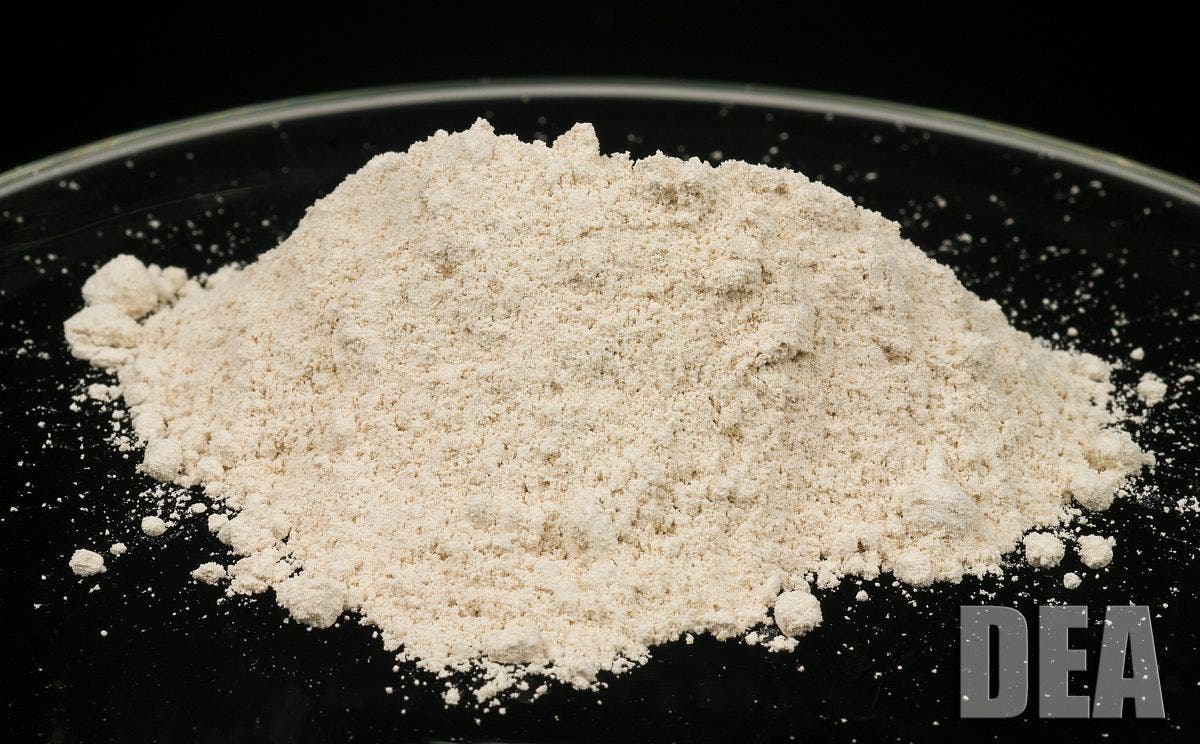
»Photo of heroin powder from the Drug Enforcement Administration
Get more local news delivered straight to your inbox. Sign up for free Patch newsletters and alerts.