Albany, NY|Local Classified|For Sale|
The Growing Industry of Cat Litter Manufacturing and Sustainable Pet Care Solutions
The global pet care industry has experienced rapid growth in recent years, driven by increasing pet ownership and rising demand for high-quality pet products. Among these products, cat litter plays a crucial role in maintaining hygiene, comfort, and convenience for both pets and owners. As urban lifestyles become more compact and cleanliness standards continue to rise, the demand for efficient and eco-friendly cat litter products has expanded significantly.
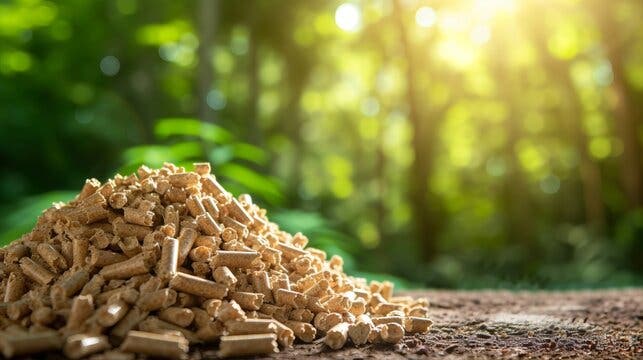
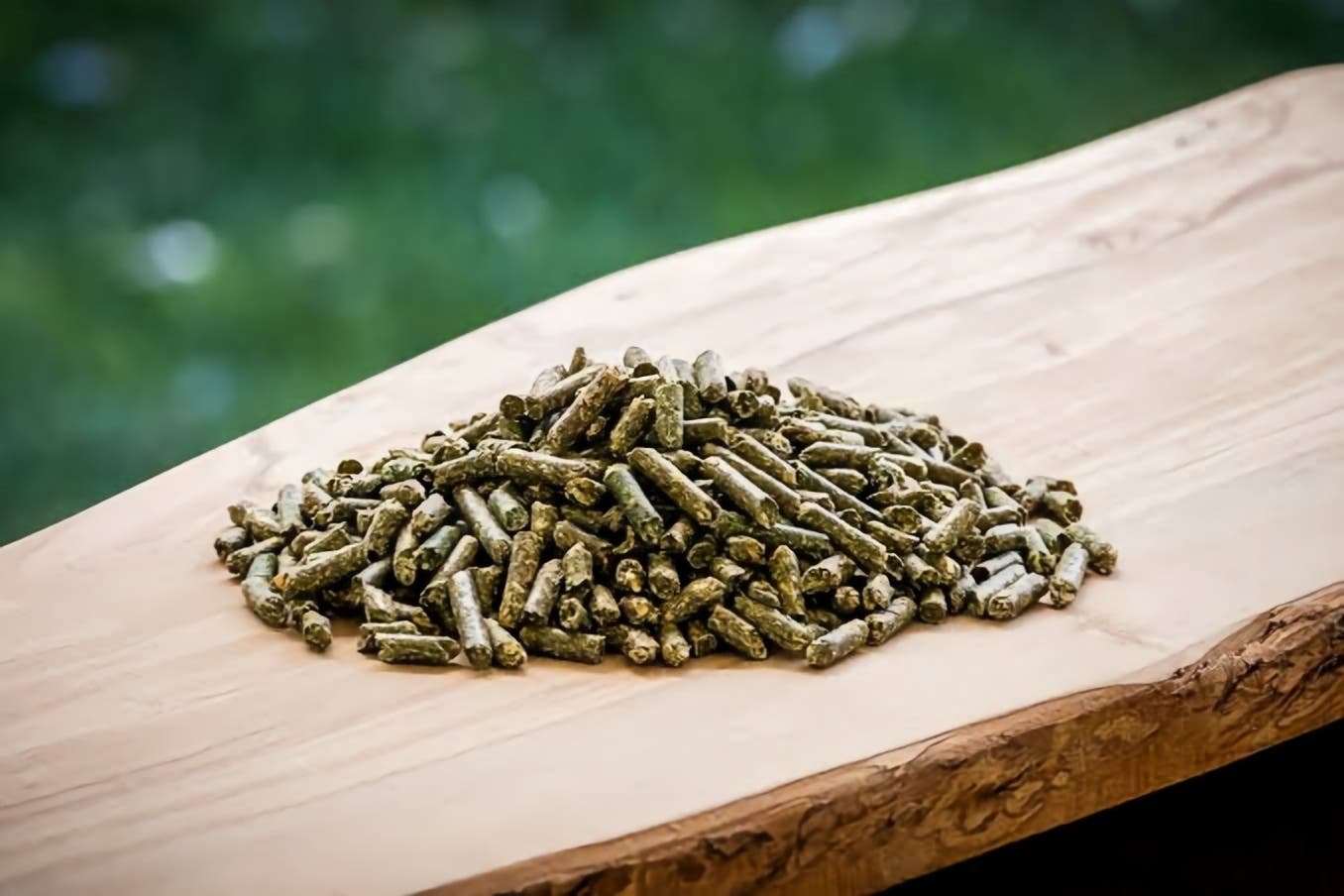
Modern cat litter is produced using a variety of raw materials, including bentonite clay, tofu residue, corn starch, wood pellets, and recycled paper. Each material offers different advantages in terms of absorption, odor control, dust levels, and environmental impact. In particular, biodegradable cat litter products have gained popularity due to increasing environmental awareness among consumers.
pelletisingmachine.com/cat-litter-production-line/
The production process of cat litter involves several important stages to ensure consistent quality and performance. First, raw materials are carefully selected and screened to remove impurities. This step is essential to guarantee product safety and uniformity. Next, the materials are dried and processed to achieve optimal moisture levels, which directly affect absorption capacity and clumping performance.
Crushing and granulation follow, where raw materials are reduced into fine particles or formed into pellets depending on product type. During this stage, additives such as deodorizing agents or natural binders may be included to enhance performance. The material is then shaped and stabilized using specialized equipment designed for large-scale manufacturing.
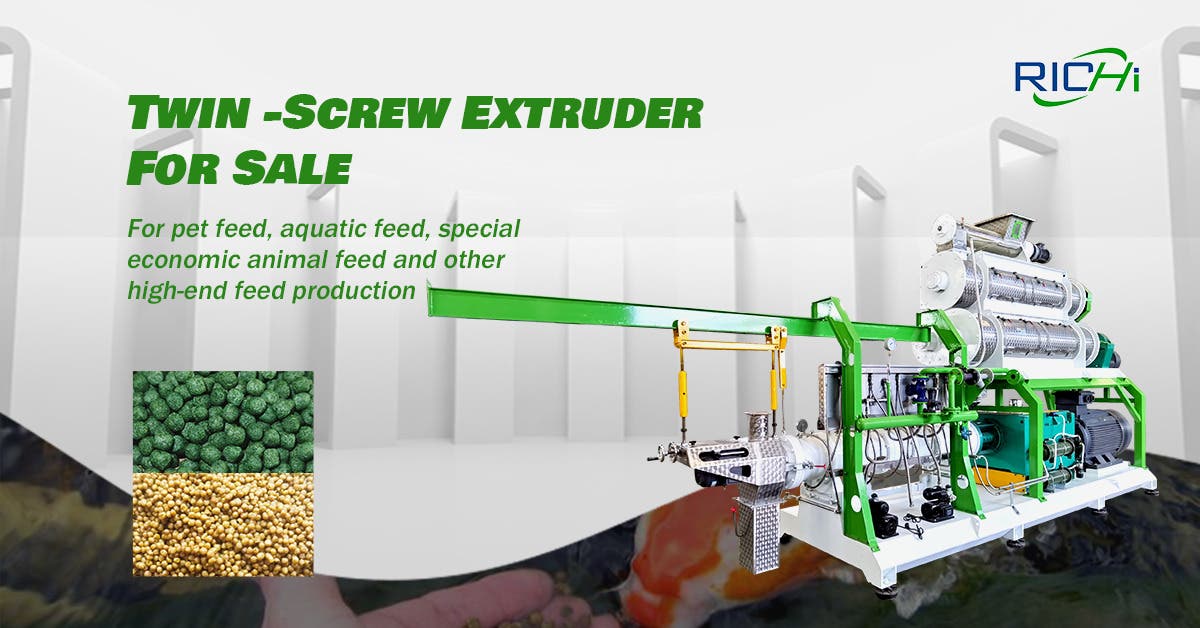
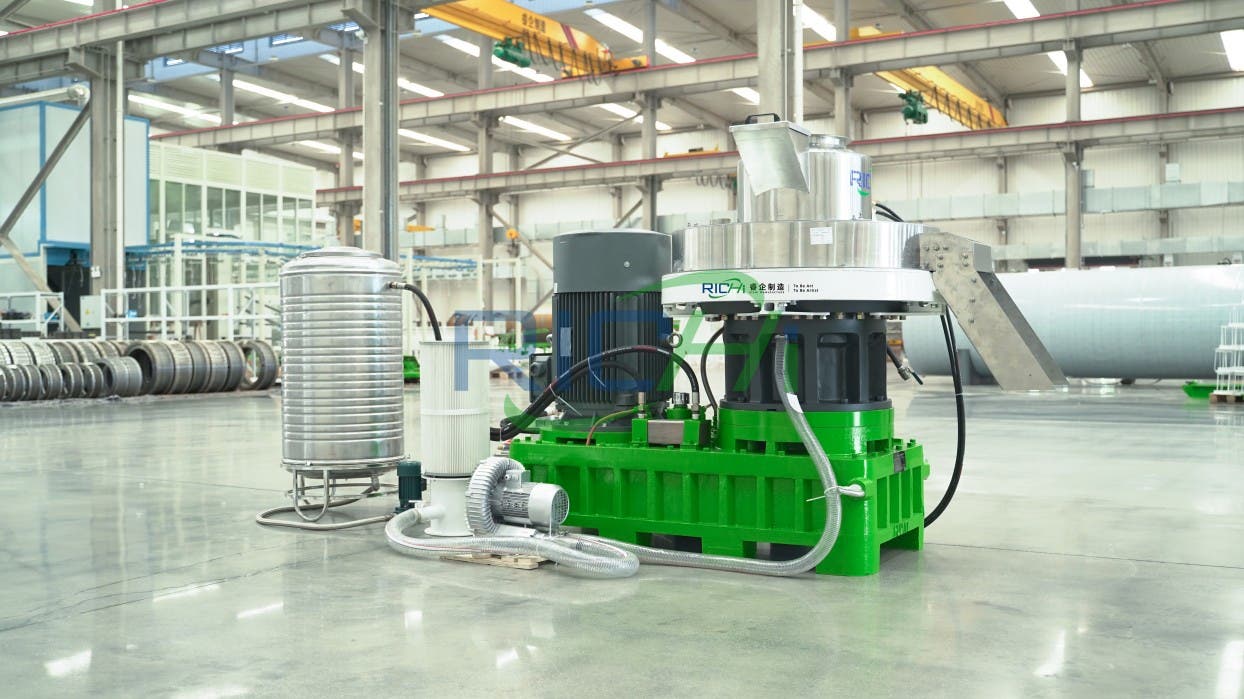
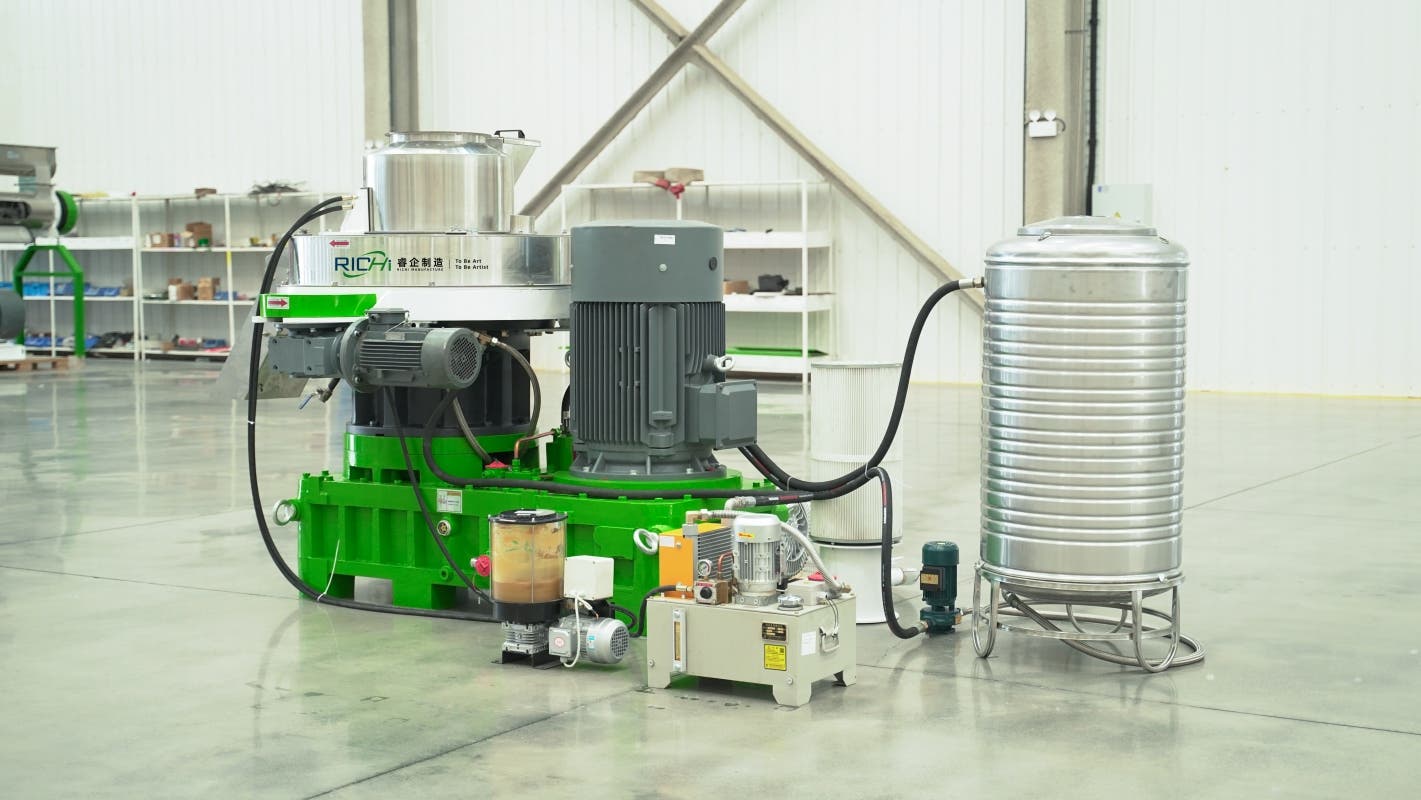
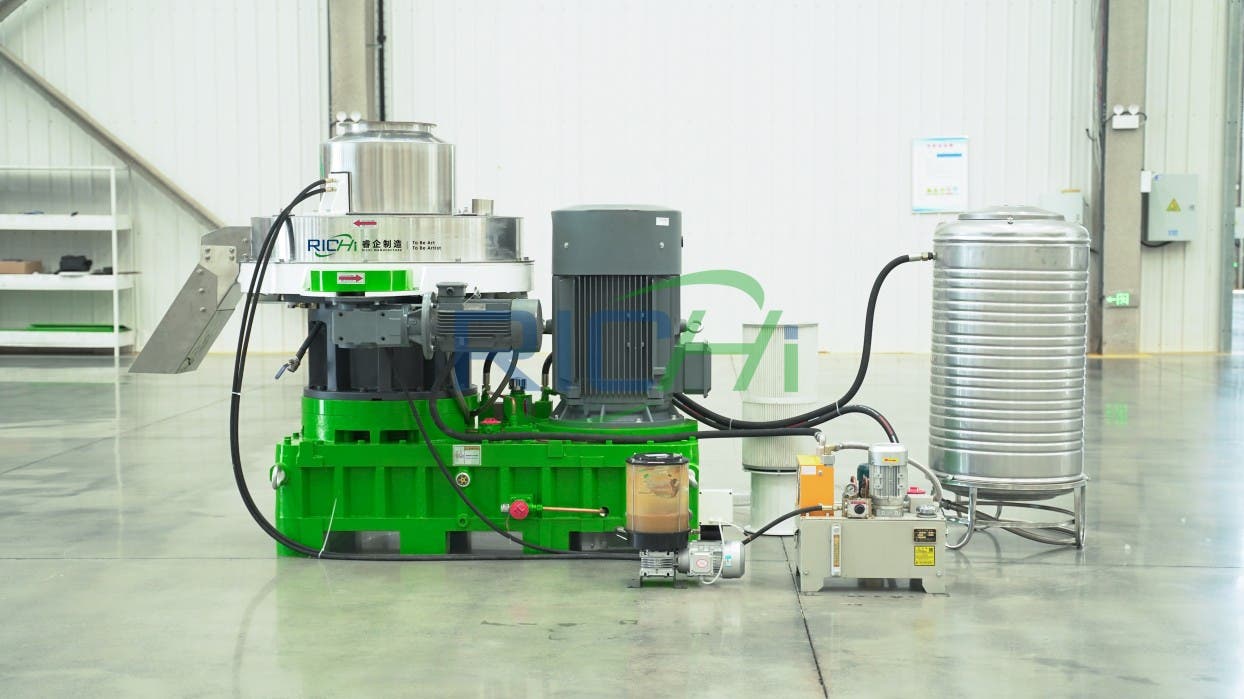
At the core of this process is the cat litter production line, which integrates multiple automated systems including mixing, drying, pelletizing, screening, and packaging. This integrated system ensures high efficiency, stable output, and consistent product quality. Automation also reduces labor costs and minimizes production errors, making large-scale manufacturing more competitive.
After processing, the cat litter is cooled and screened to remove dust and broken particles. High-quality products are then packaged into various sizes, ranging from small retail bags to large bulk packages for commercial distribution. Packaging design often focuses on convenience, moisture resistance, and branding appeal.
The cat litter industry is also moving toward sustainability. Many manufacturers are adopting eco-friendly materials and production methods to reduce environmental impact. Biodegradable litter options help reduce landfill waste and support circular resource use.
In conclusion, the cat litter industry continues to evolve with technological advancements and changing consumer expectations. The use of a modern cat litter production line ensures efficient manufacturing, high product quality, and sustainable production practices, making it an essential component of today’s pet care market. (Richi machinery manufacture)