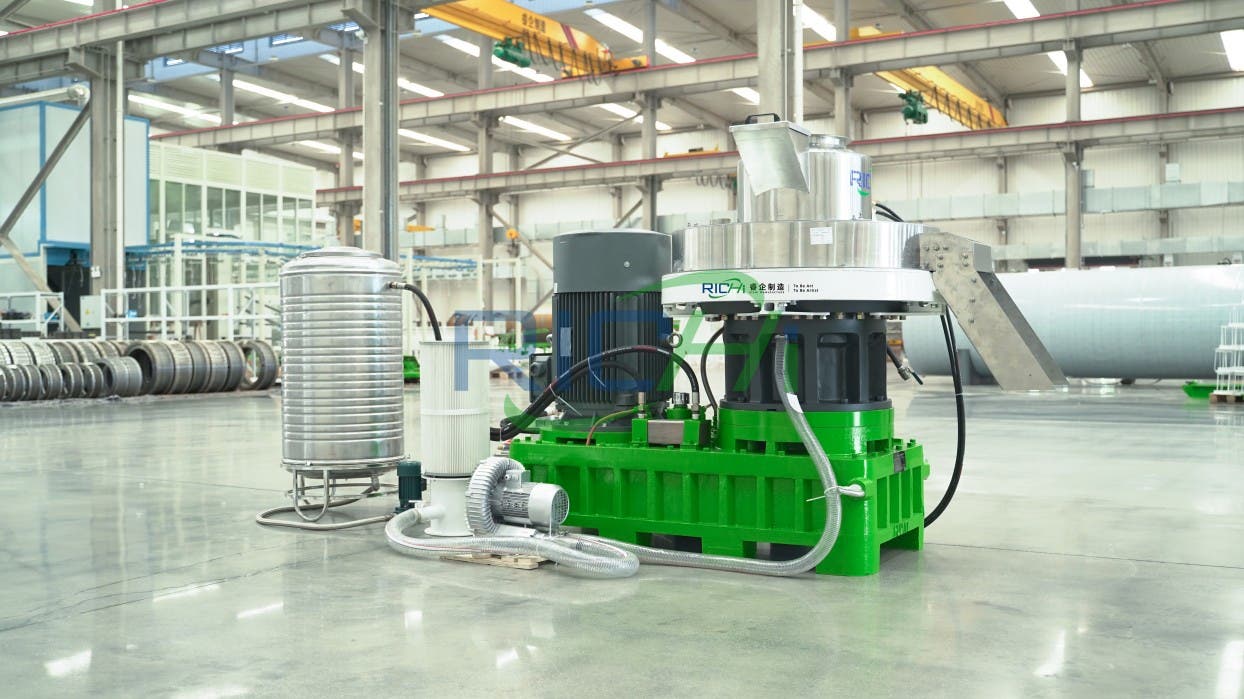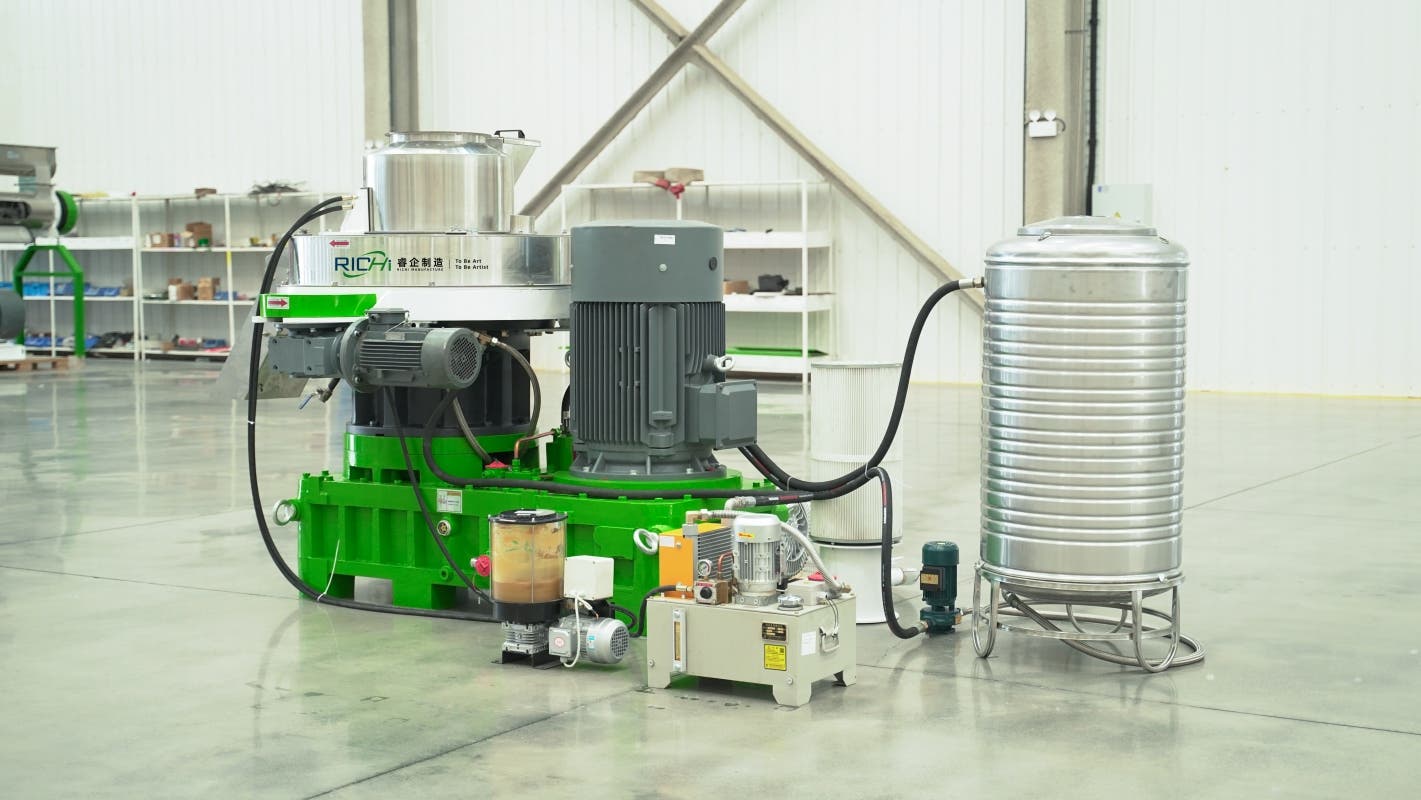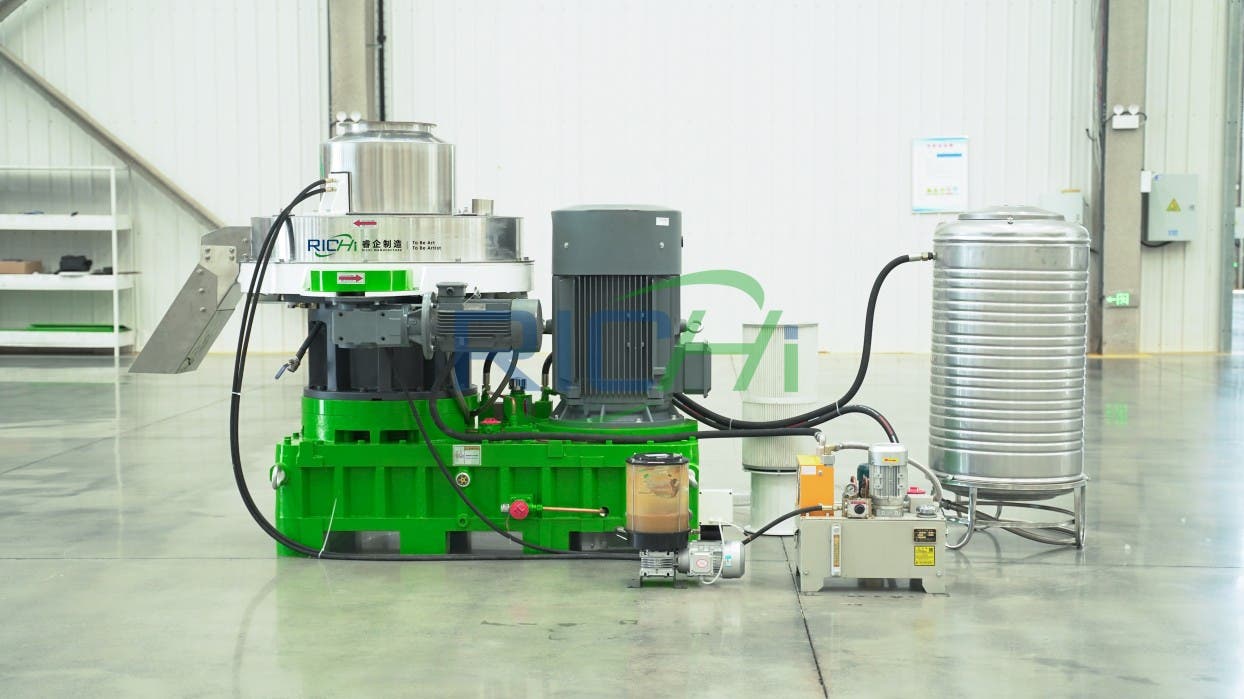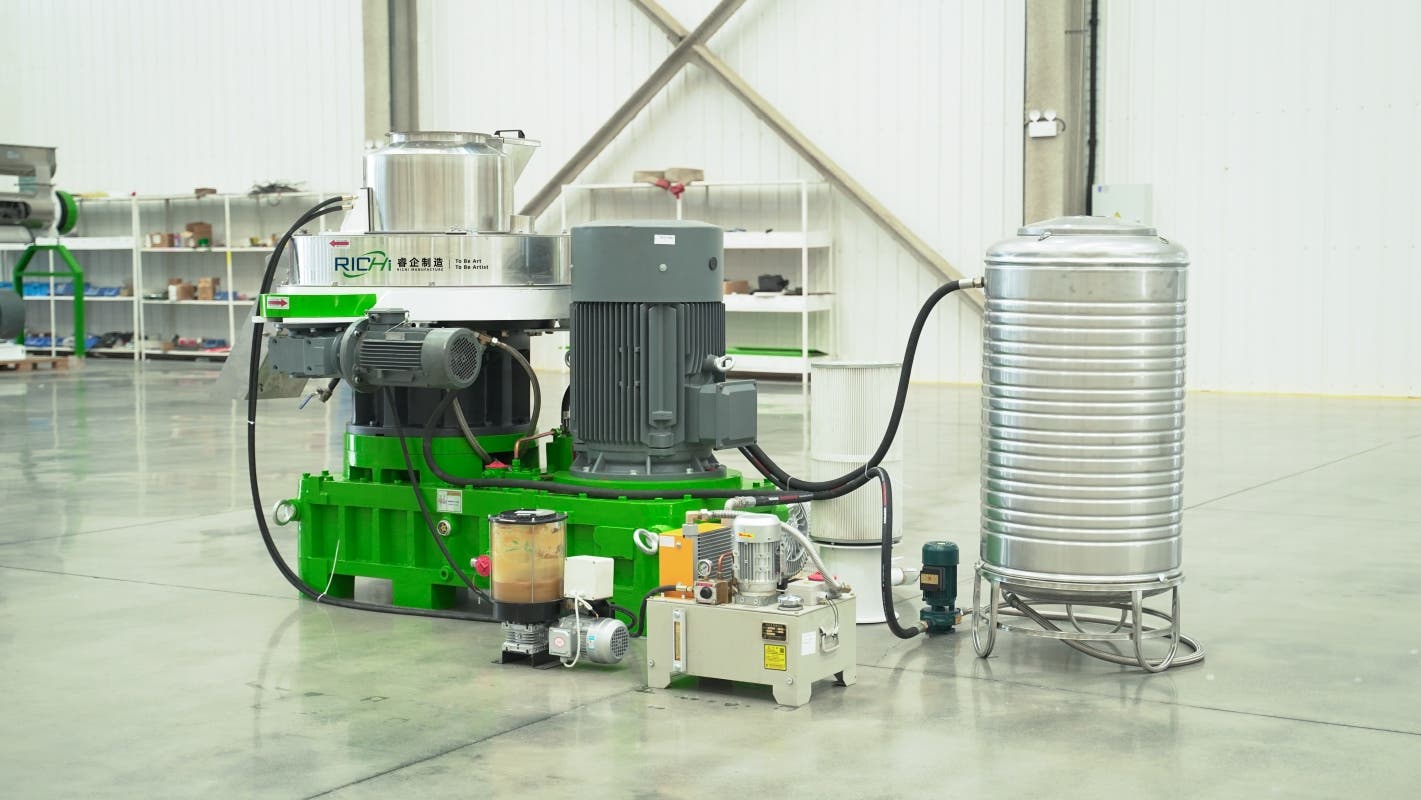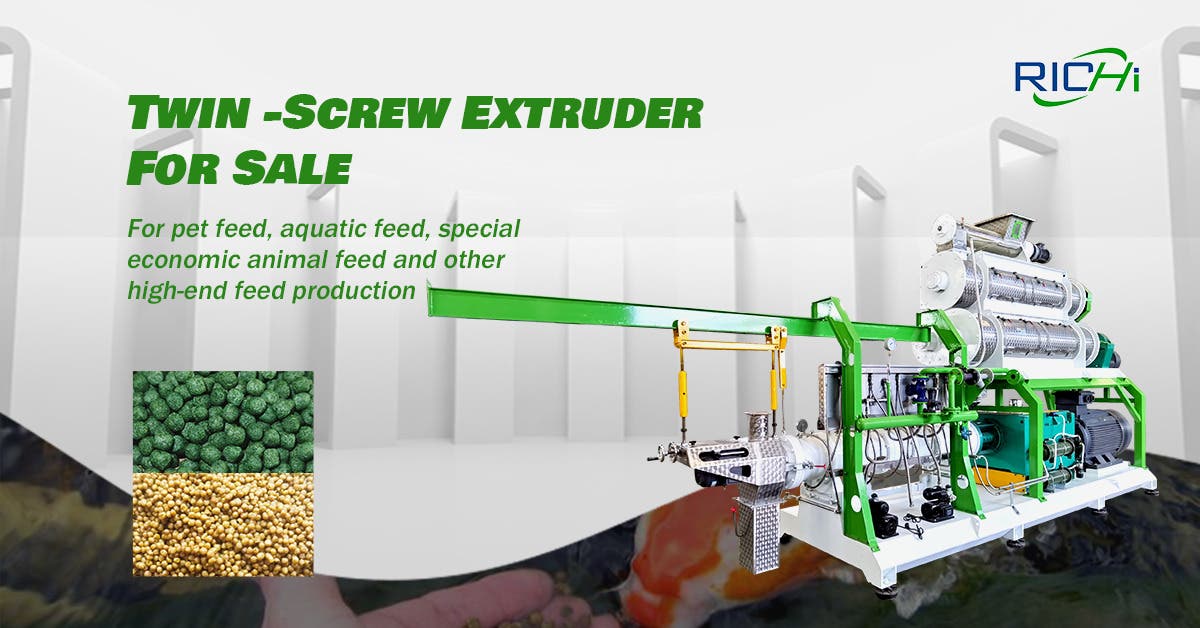
Aquaculture continues to expand as global demand for seafood rises, pushing farmers and feed producers to adopt more efficient and reliable production technologies. One of the most important developments in modern aquafeed manufacturing is the use of the floating fish feed extruder, a specialized machine designed to produce high-quality floating pellets with excellent stability and nutrition retention.
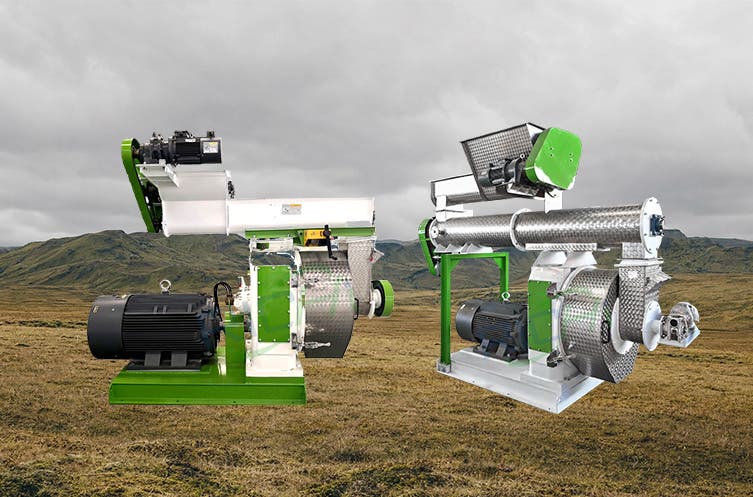
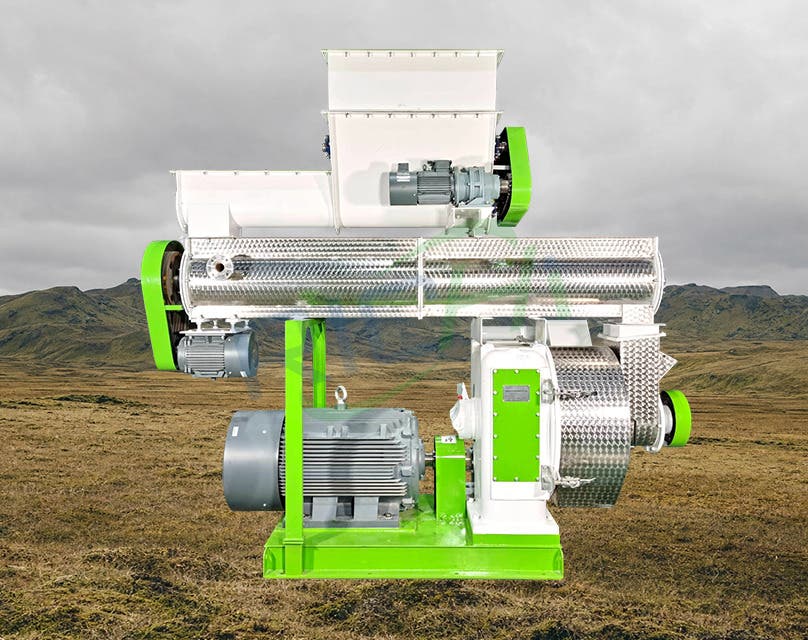
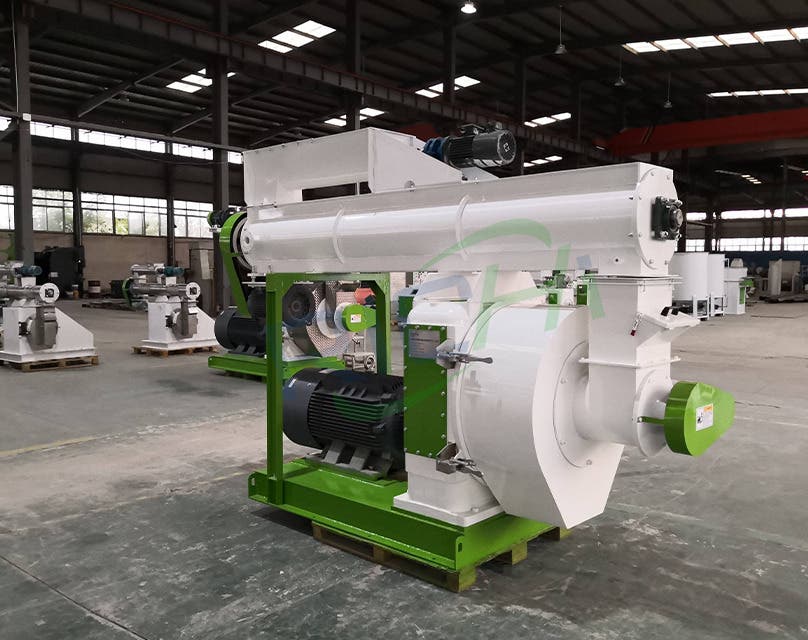
A floating fish feed extruder works by processing raw ingredients through a combination of heat, pressure, and mechanical force. Unlike conventional pellet mills, this equipment uses an extrusion process that expands the feed material, creating a porous internal structure. As a result, the final pellets become lightweight and capable of floating on the water surface for an extended period.
This floating characteristic is especially important for species that feed at the surface, such as tilapia, trout, ornamental fish, and many juvenile aquaculture species. Floating feed allows farmers to visually monitor feeding activity, adjust feeding rates in real time, and significantly reduce feed waste.
The production process typically begins with raw material preparation. Ingredients such as fish meal, soybean meal, corn, wheat flour, and vitamins are carefully selected and ground into fine particles. These materials are then mixed according to a precise formulation to ensure balanced nutrition. Once the mixture is ready, it is fed into the floating fish feed extruder for processing.
pelletisingmachine.com/wet-type-fish-feed-extruder/
Inside the machine, high temperature and pressure cause starch gelatinization and protein denaturation. When the material exits the die, the sudden pressure drop causes expansion, forming porous pellets that float on water. Operators can adjust parameters such as temperature, screw speed, and moisture content to control pellet size, hardness, and buoyancy.
One of the key advantages of a floating fish feed extruder is its ability to improve feed efficiency. Because pellets remain on the water surface, fish have more time to consume them, reducing sinking losses and water pollution. This contributes to better feed conversion ratios and improved farm profitability.
In addition, the extruder enhances feed digestibility. The high-temperature processing improves nutrient availability, making it easier for fish to absorb proteins and energy. This supports faster growth and healthier stock conditions.
Modern floating fish feed extruders are also designed with energy efficiency and automation in mind. Many models feature advanced control systems that allow precise monitoring of temperature and pressure, ensuring consistent product quality across large-scale production runs.
As aquaculture continues to industrialize, the demand for high-performance feed equipment is expected to grow. The floating fish feed extruder will remain a key technology in supporting sustainable and efficient fish farming, helping producers meet rising global seafood demand while improving resource utilization and environmental performance. (Richi Pellet Machine)