FOR IMMEDIATE RELEASE
The growing interest in renewable energy is encouraging agricultural businesses to make better use of crop residues. Corn stalks, which are produced in large quantities after every harvest, are increasingly being processed into biomass fuel instead of being burned or discarded. This trend is creating new opportunities for farmers, biomass producers, and energy companies.
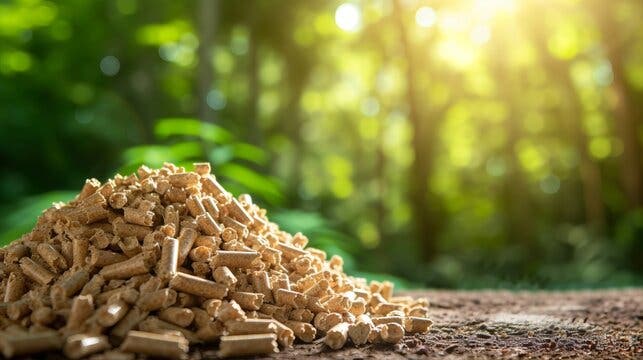
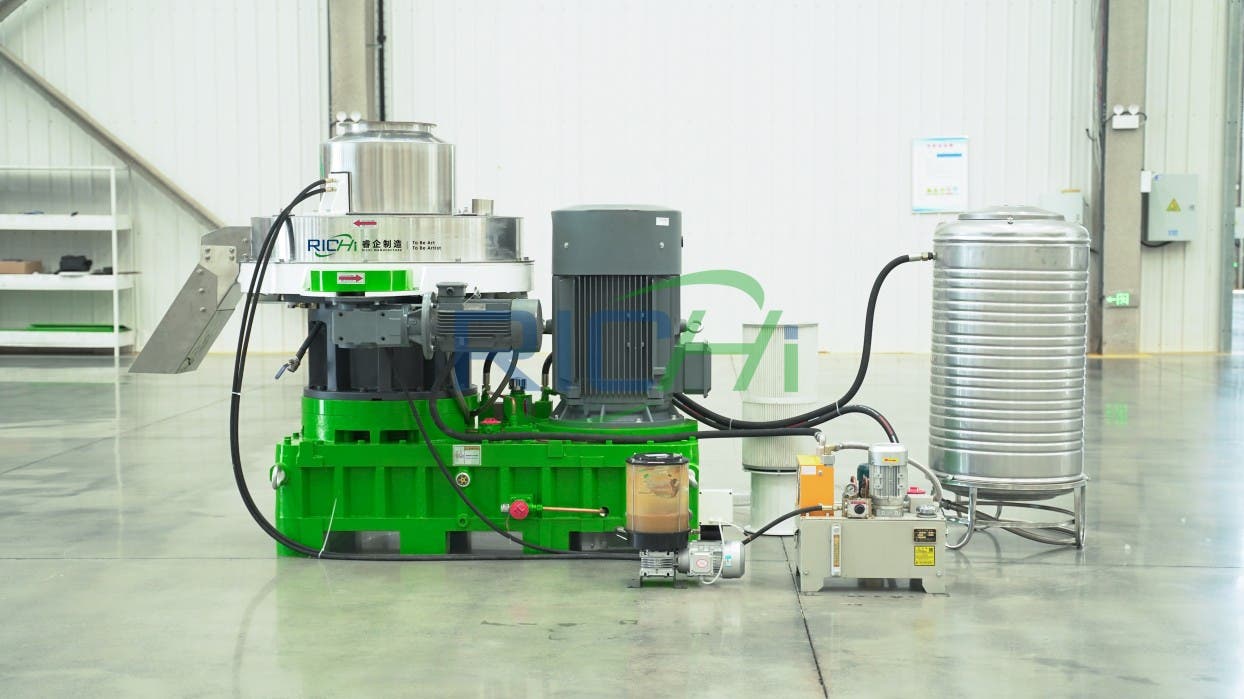
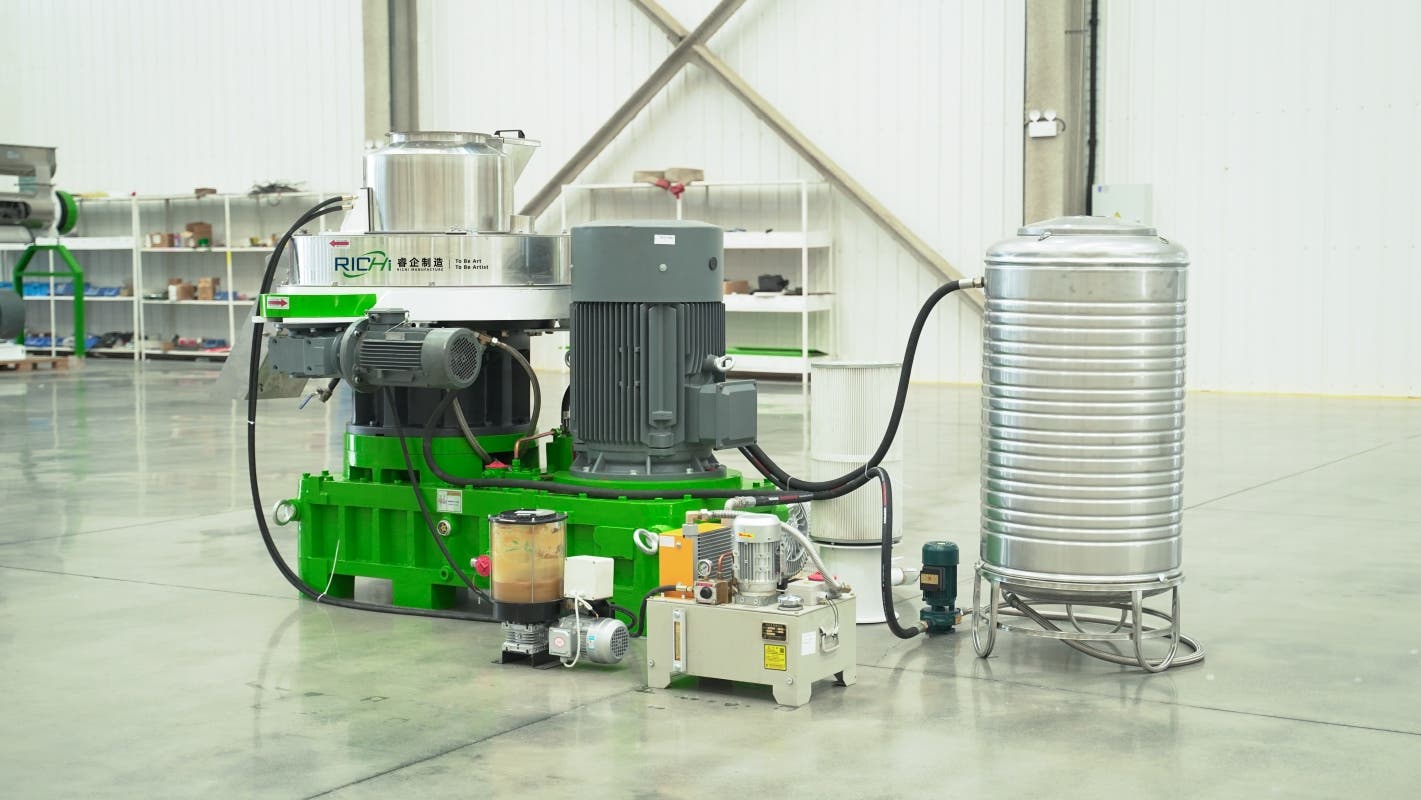
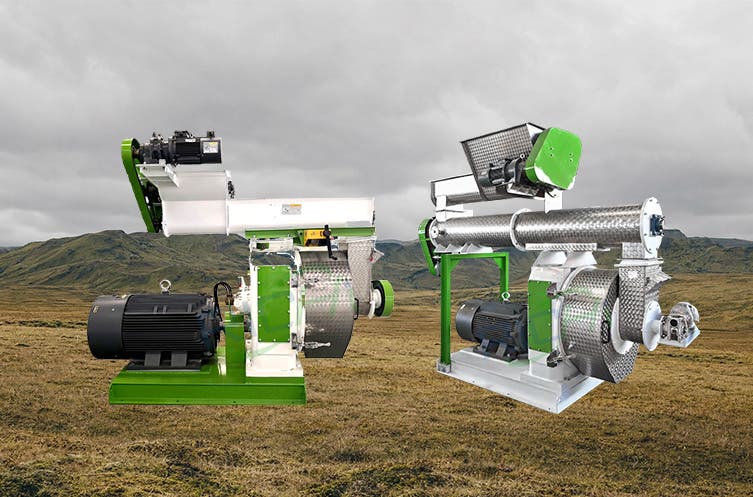
A modern corn stalk pellet mill has become one of the key technologies driving this transformation. By compressing processed corn stalks into dense biomass pellets, the equipment helps convert low-value agricultural waste into a clean and renewable fuel suitable for industrial boilers, biomass power plants, and commercial heating systems.
Industry experts note that biomass pellets offer several advantages over loose agricultural residues. They have higher density, require less storage space, are easier to transport, and provide more stable combustion. These benefits have contributed to the growing demand for pellet production equipment in many agricultural regions.
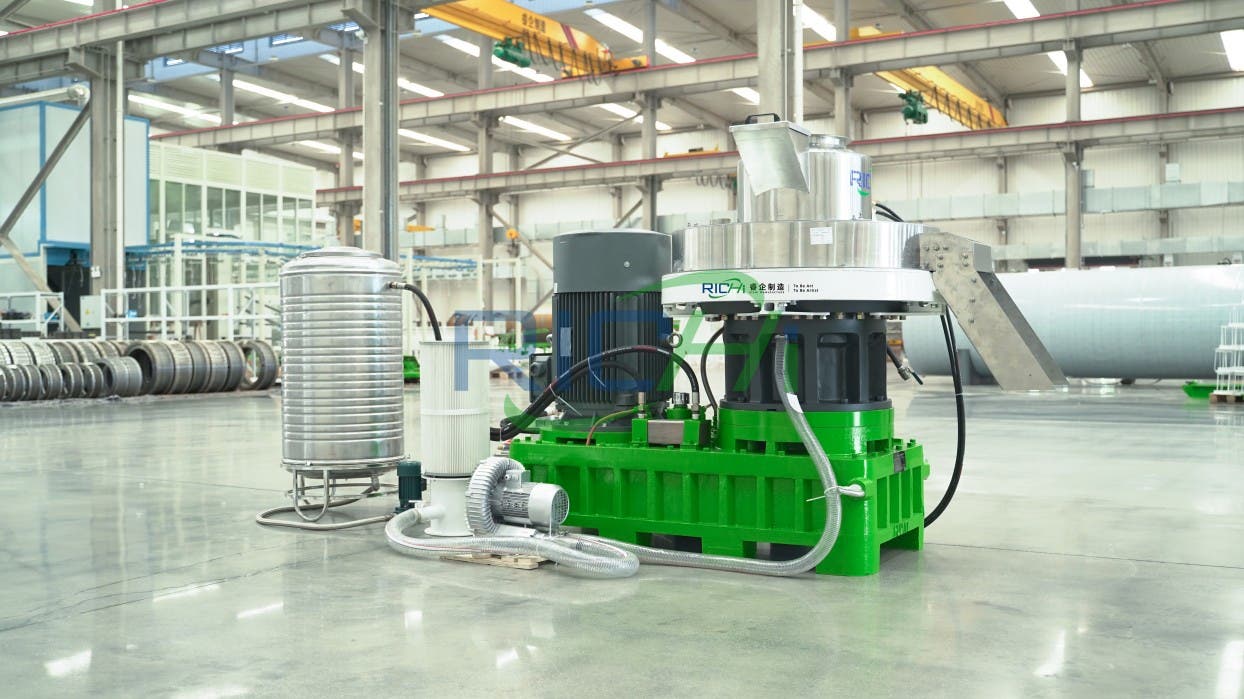
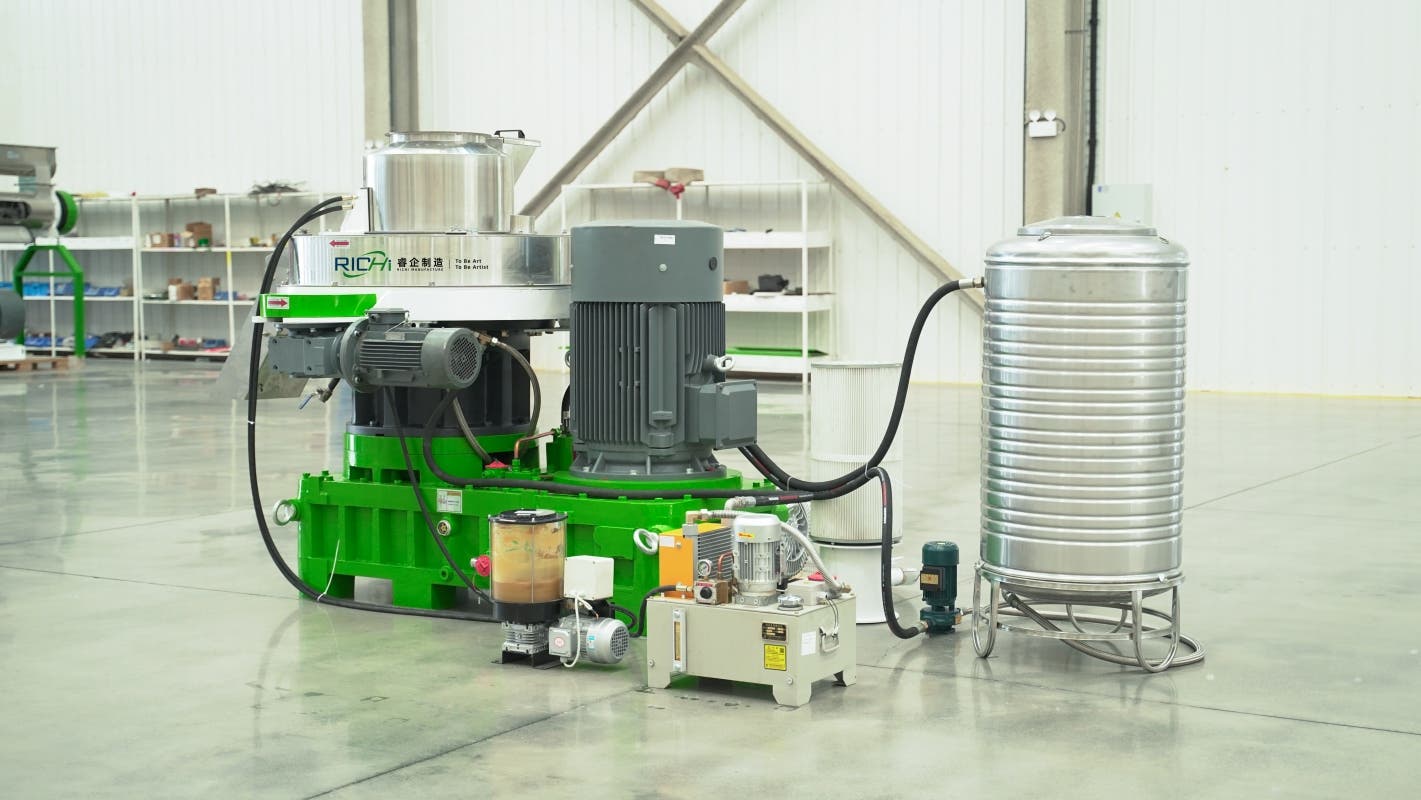
A typical biomass processing line begins with collecting and crushing corn stalks into small particles. The material is then dried to achieve the proper moisture content before entering the corn stalk pellet mill. Inside the pelletizing chamber, rollers press the biomass through a ring die under high pressure. Heat generated during the process activates the natural lignin in the plant fibers, allowing durable pellets to form without the need for additional binders.
pelletisingmachine.com/corn-stalk-pellet-machine/
After pelletizing, the finished pellets are cooled, screened, and packaged for storage or shipment. The final product can be used as an environmentally friendly alternative to coal and other traditional fuels.
Equipment manufacturers continue to improve the performance of every corn stalk pellet mill by incorporating intelligent control systems, energy-efficient motors, automatic lubrication, and wear-resistant components. These innovations help increase production efficiency while reducing operating costs and maintenance requirements.
As governments continue to encourage renewable energy development and carbon reduction initiatives, the biomass pellet industry is expected to expand steadily. More agricultural enterprises are investing in pellet production facilities to create additional value from crop residues while supporting sustainable farming practices.
Industry analysts believe that demand for advanced corn stalk pellet mill technology will continue to grow as businesses seek reliable solutions for converting agricultural waste into renewable fuel. With abundant corn stalk resources available in many parts of the world, biomass pellet production is expected to remain an important contributor to the global transition toward cleaner and more sustainable energy.