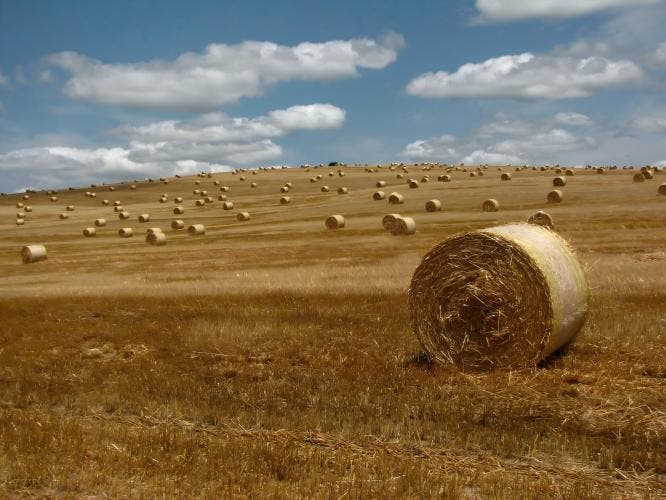
As the demand for renewable energy continues to grow, agricultural residues are becoming increasingly important as alternative fuel sources. Among the various types of crop waste, corn stalks are one of the most abundant biomass materials available worldwide. Every year, millions of tons of corn stalks are left in fields after harvest, creating both disposal challenges and valuable opportunities. Today, many farmers and biomass producers are discovering efficient ways to make pellets from corn stalk and transform agricultural waste into profitable products.
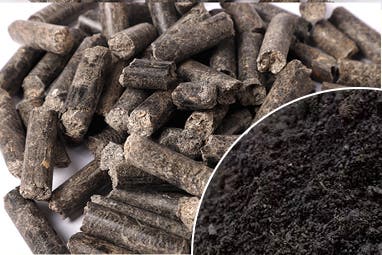
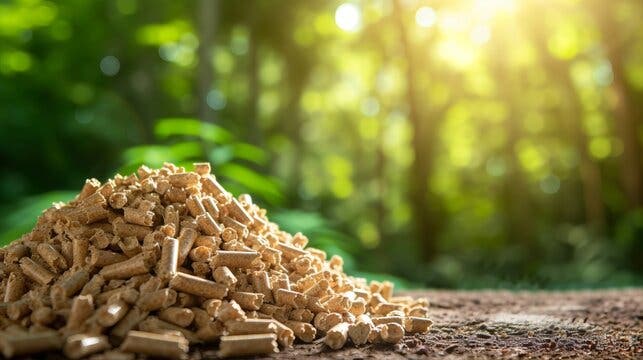
Corn stalks contain a significant amount of organic matter and stored solar energy. Instead of burning or discarding these residues, pelletizing technology allows them to be converted into dense biomass pellets. These pellets can be used as renewable fuel for residential heating systems, industrial boilers, and biomass power plants. By utilizing corn stalks, producers can reduce waste while creating an environmentally friendly energy source.
The process to make pellets from corn stalk typically begins with collecting the raw material from the field. The stalks are then dried to achieve a suitable moisture level, usually between 10% and 15%. Proper moisture control is essential because excessive moisture can reduce pellet quality and production efficiency. After drying, the material is ground into smaller particles to ensure uniform pellet formation.
pelletisingmachine.com/corn-stalk-pellet-machine/
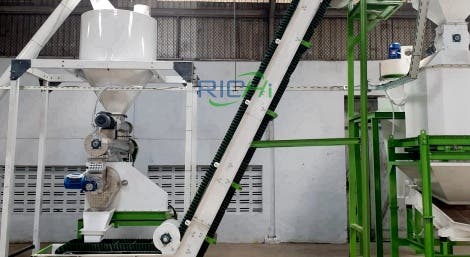
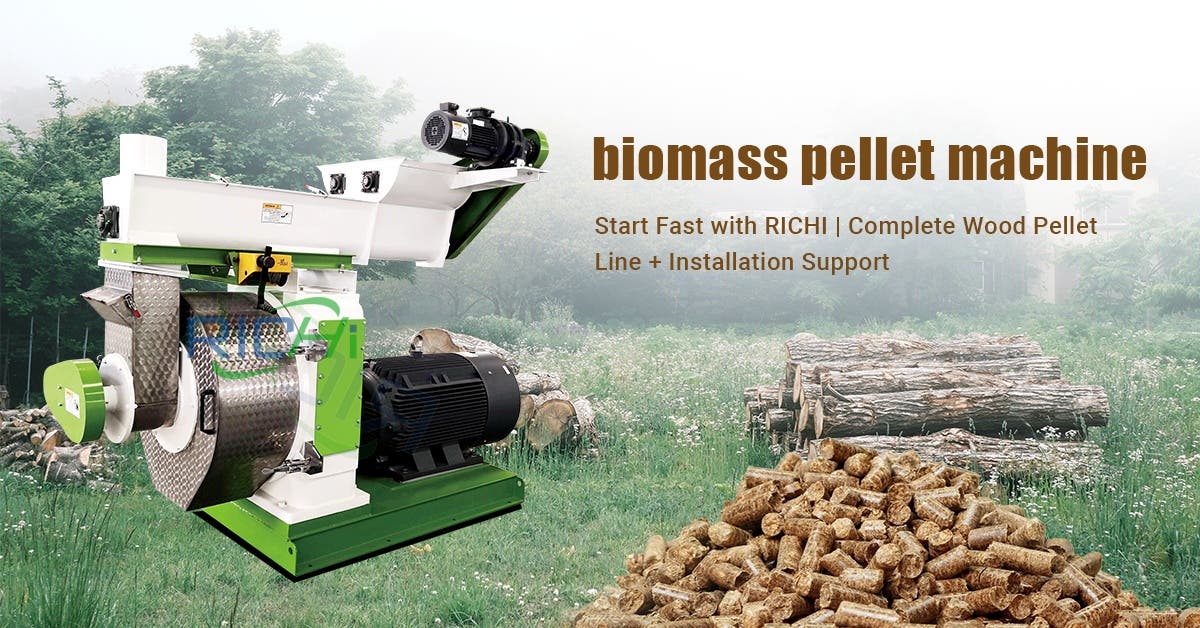
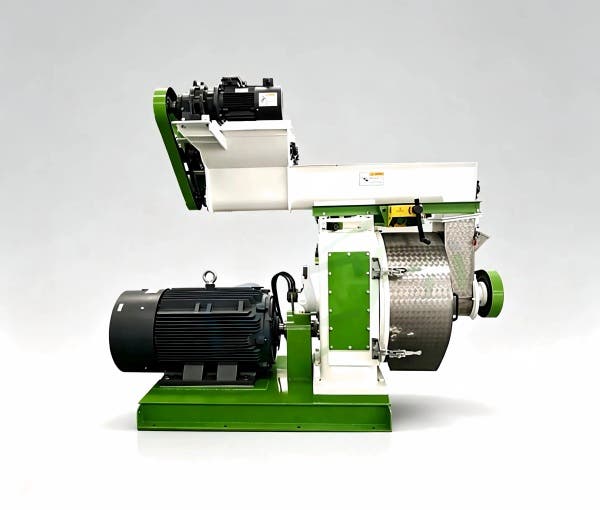
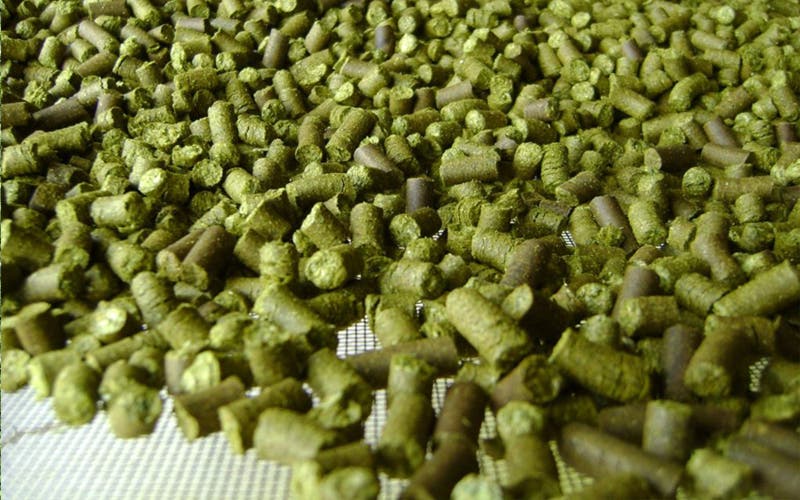
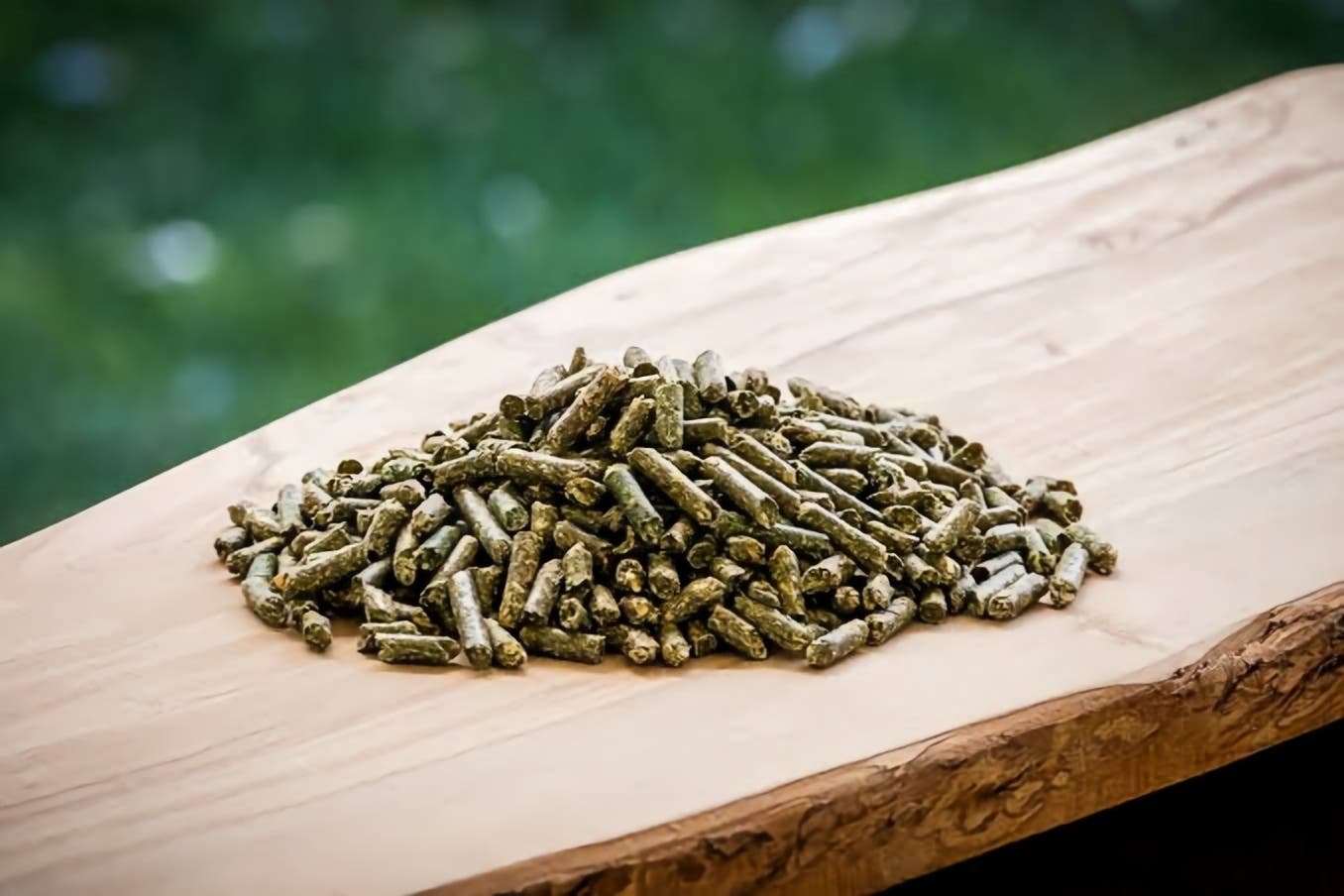
Once prepared, the corn stalk material enters a pellet mill where it is compressed under high pressure. During this process, friction generates heat that softens the natural lignin found in plant fibers. The lignin acts as a natural binder, allowing the particles to stick together and form durable pellets without requiring additional chemicals. The finished pellets are then cooled, screened, and packaged for storage or transportation.
There are numerous benefits to producing biomass pellets from corn stalks. First, pelletizing significantly increases bulk density, making transportation and storage more economical. Second, biomass pellets provide a renewable alternative to fossil fuels, helping reduce carbon emissions and support sustainable energy goals. Third, farmers can generate additional income from agricultural residues that would otherwise have little commercial value.
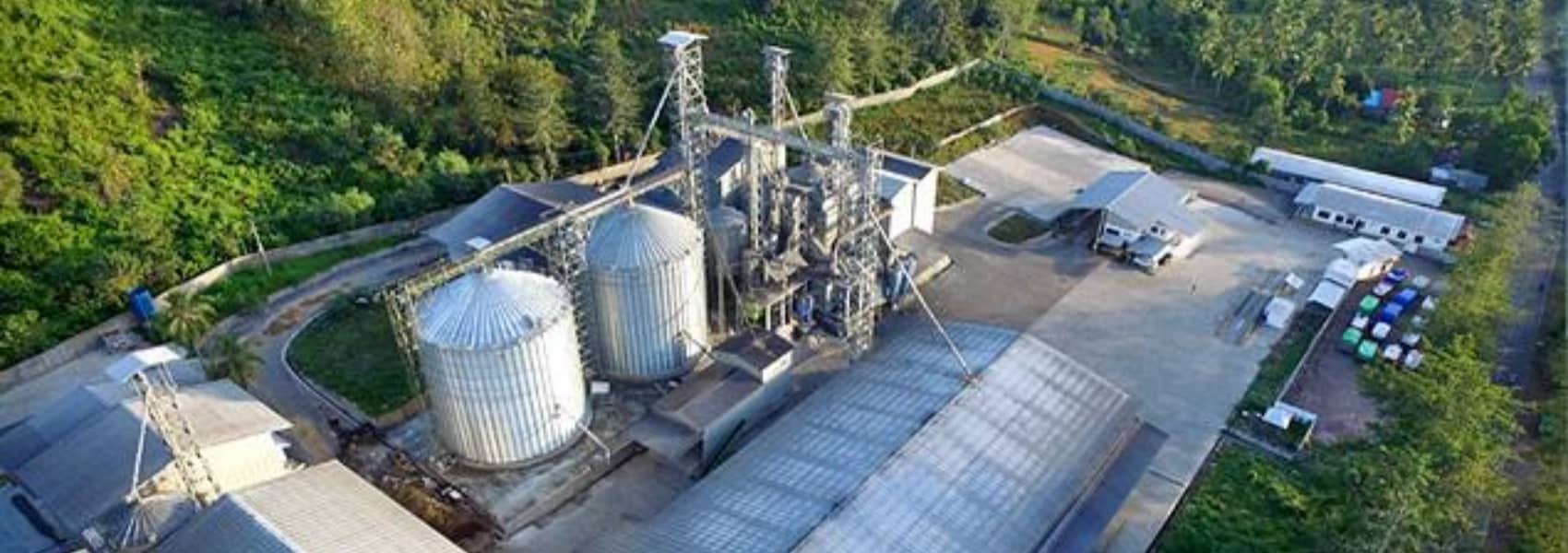
As renewable energy markets continue to expand, more agricultural businesses are investing in biomass processing technologies. The ability to make pellets from corn stalk offers a practical solution for managing crop residues while creating value-added products. By converting waste into fuel, farmers and biomass producers can contribute to environmental sustainability, improve resource utilization, and participate in the growing bioenergy economy.
With increasing awareness of renewable energy and circular economy principles, corn stalk pellet production is expected to play an even greater role in the future of sustainable agriculture and clean energy development.