Albany, NY|Local Classified|For Sale|

Vertical Biomass Pellet Production Line for Efficient Renewable Energy
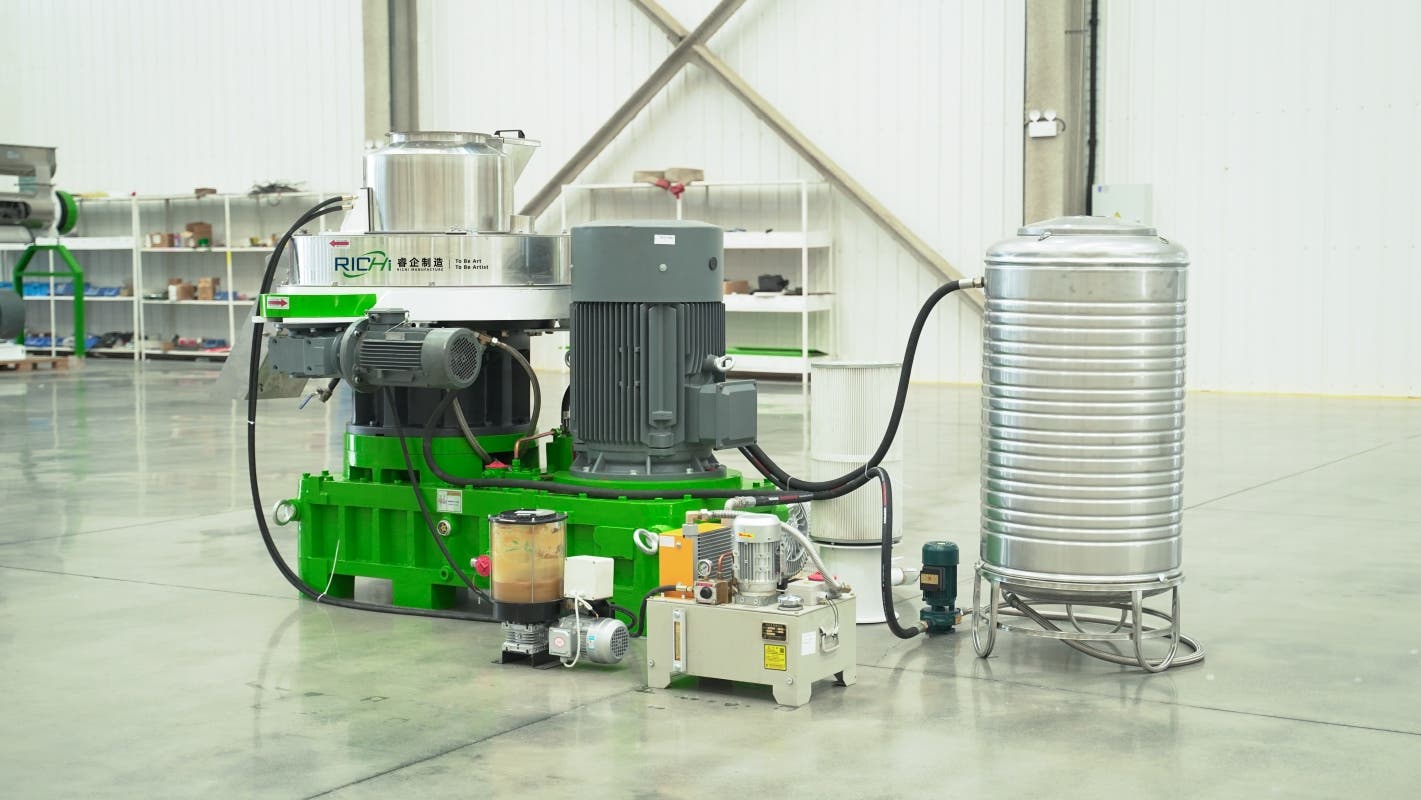
The growing demand for renewable energy has led to rapid development in biomass processing technologies. Among these, the vertical biomass pellet production line has become an efficient and practical solution for converting agricultural and forestry waste into high-quality fuel pellets. It is widely used in biomass energy plants, farms, and industrial facilities that aim to reduce waste and improve energy efficiency.
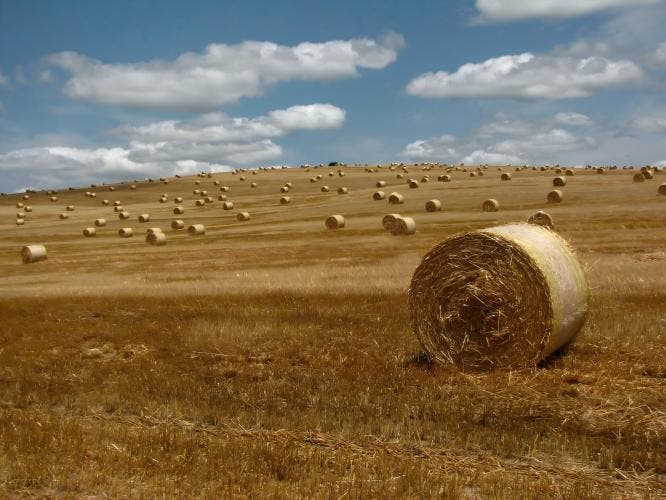
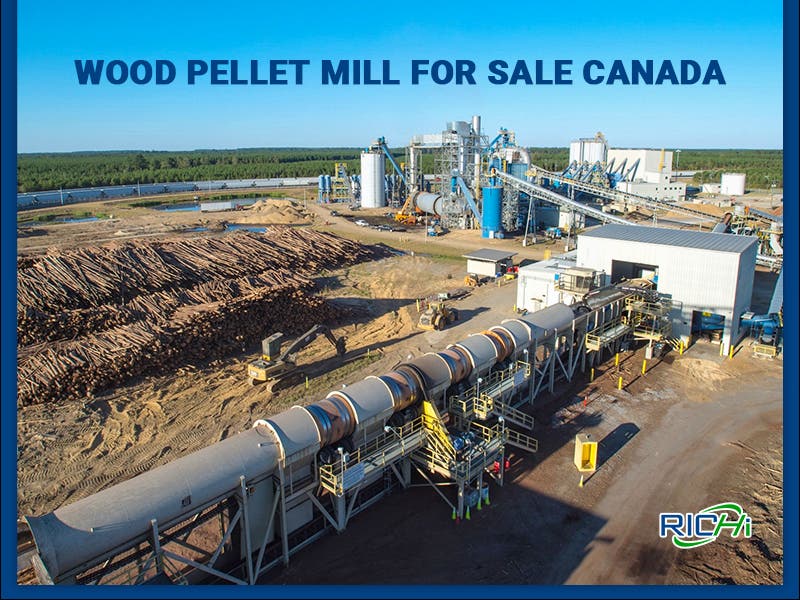
A vertical biomass pellet production line is a complete system that integrates several processes, including raw material preparation, crushing, drying, pelletizing, cooling, and packaging. The system is designed to handle materials such as sawdust, wood chips, straw, rice husks, and other organic residues. These raw materials are first collected and pre-processed to remove impurities and ensure consistent quality before entering the production line.
The process begins with size reduction, where raw biomass is crushed into smaller particles. This step is important because uniform particle size improves the efficiency of later compression. After crushing, the material is sent to a drying system to reduce moisture content. Proper moisture control, usually around 10–15%, is essential for producing strong and durable pellets.
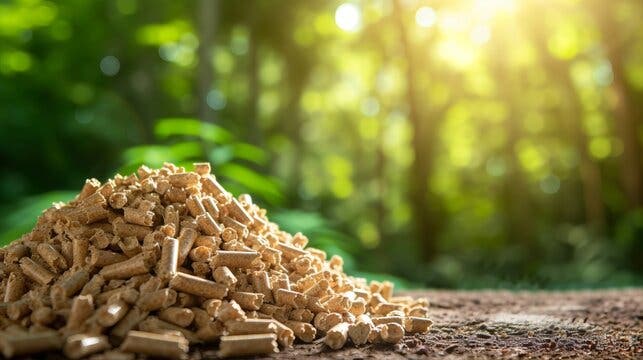
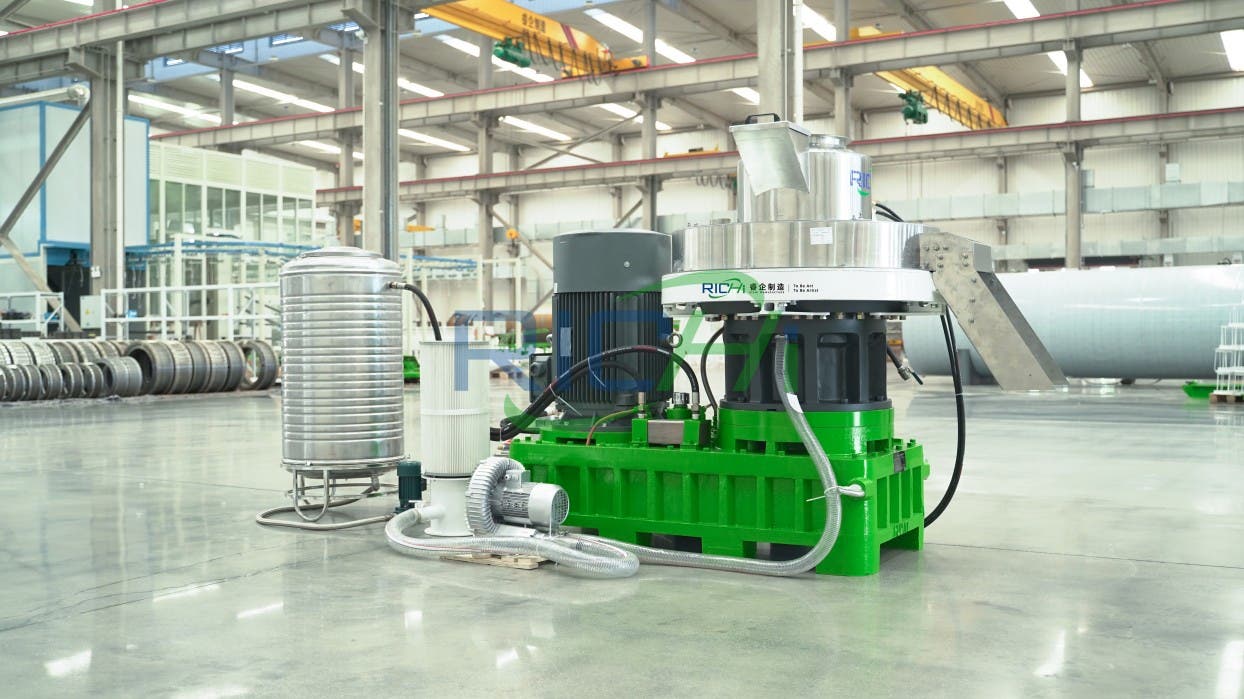
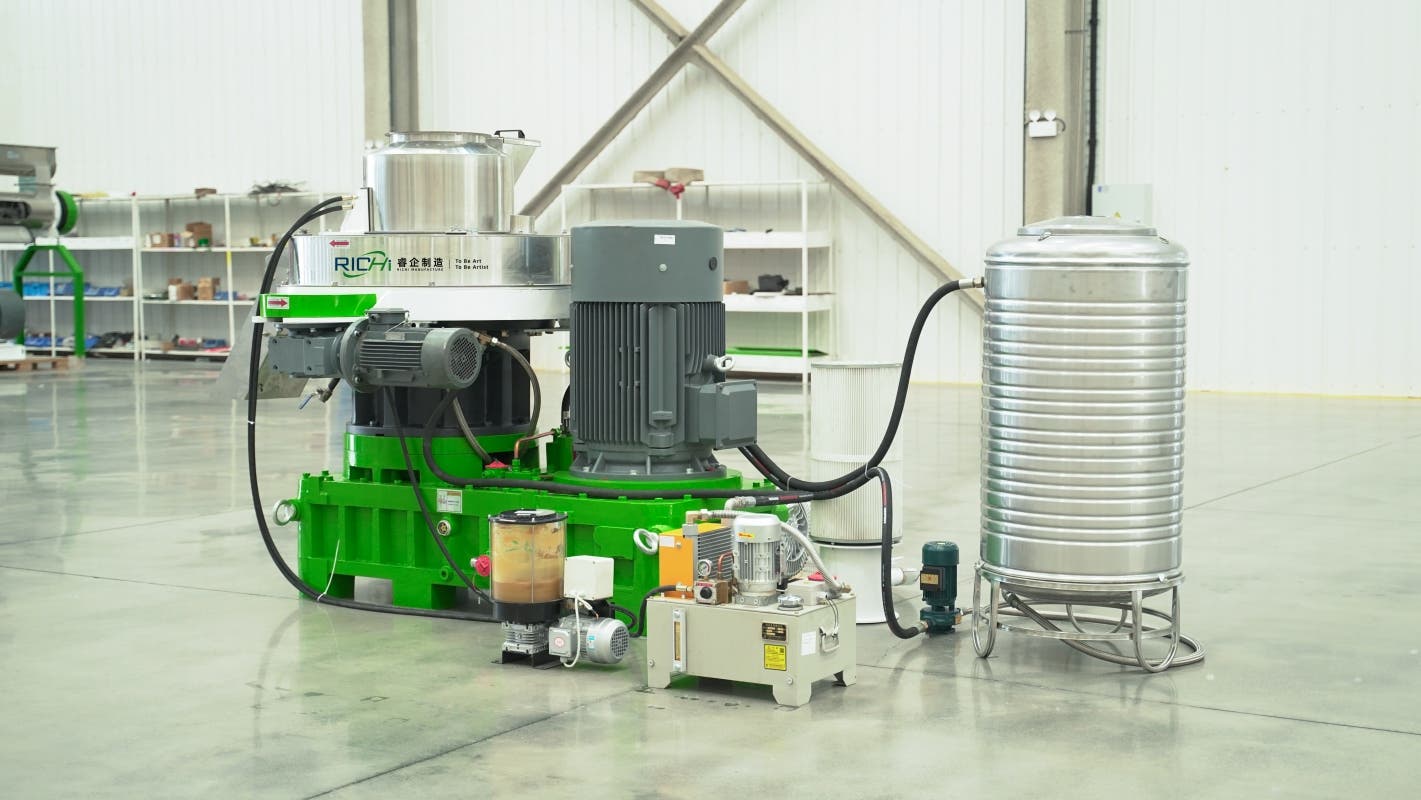
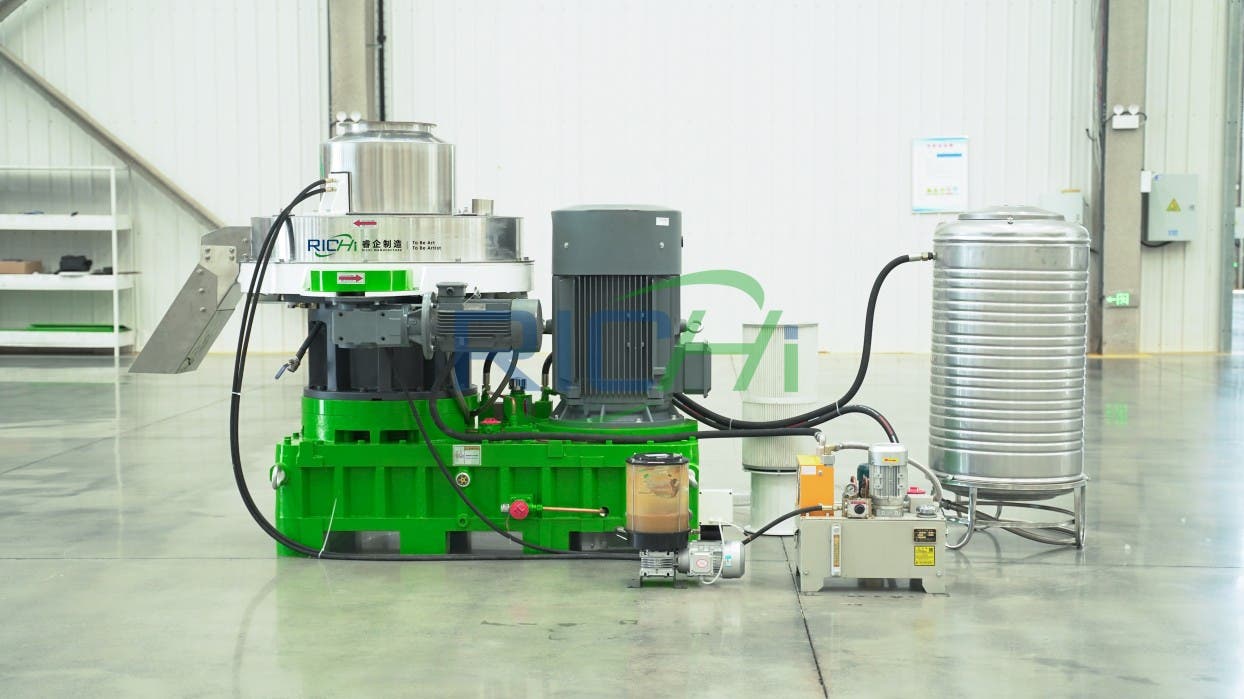
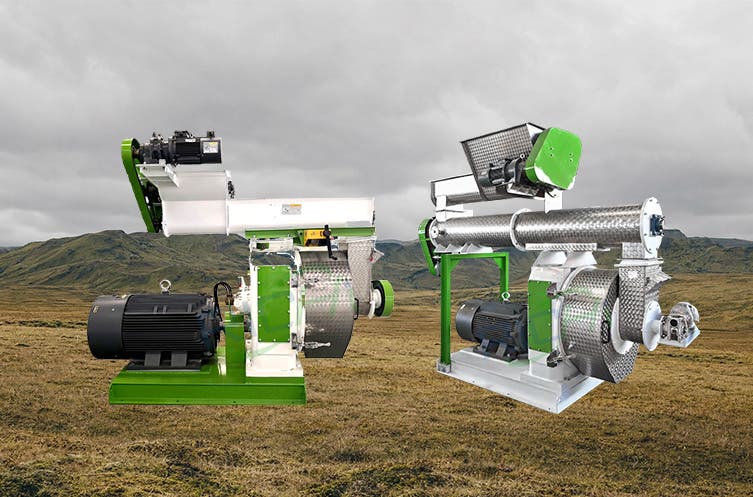
Next, the prepared material enters the pelletizing section, which is the core of the vertical biomass pellet production line. In this stage, a vertical pellet mill applies high pressure through rollers and a die system. The vertical design allows gravity to assist in feeding the material evenly into the machine, ensuring stable operation. Under pressure and heat, natural lignin in the biomass acts as a binder, forming solid cylindrical pellets without chemical additives.
pelletisingmachine.com/vertical-biomass-pellet-mill/
After pellet formation, the pellets are discharged at a high temperature and must be cooled. Cooling systems reduce temperature and harden the pellets, improving their strength and storage stability. The pellets are then screened to remove dust and broken particles, which are recycled back into the system to improve efficiency and reduce waste.
Finally, the finished pellets are packaged for transport or storage. They are commonly used for residential heating, industrial boilers, and power generation. Compared to fossil fuels, biomass pellets offer lower carbon emissions and help reduce environmental pollution.
One of the main advantages of a vertical biomass pellet production line is its efficiency and compact structure. The vertical design reduces energy consumption, improves material flow, and minimizes equipment wear. It is suitable for both small and large-scale production projects.
In conclusion, the vertical biomass pellet production line plays an important role in modern renewable energy development. By transforming waste materials into clean and usable fuel, it supports sustainable energy goals and contributes to a greener future.