The global shift toward renewable energy is creating new opportunities for biomass fuel producers, and bamboo is emerging as one of the most promising raw materials. With its rapid growth, high biomass yield, and widespread availability, bamboo has become an ideal feedstock for manufacturing biomass pellets. As a result, demand for modern bamboo pellet production line solutions continues to increase among bamboo processors, biomass fuel manufacturers, and renewable energy investors.
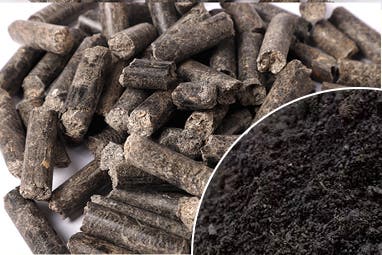
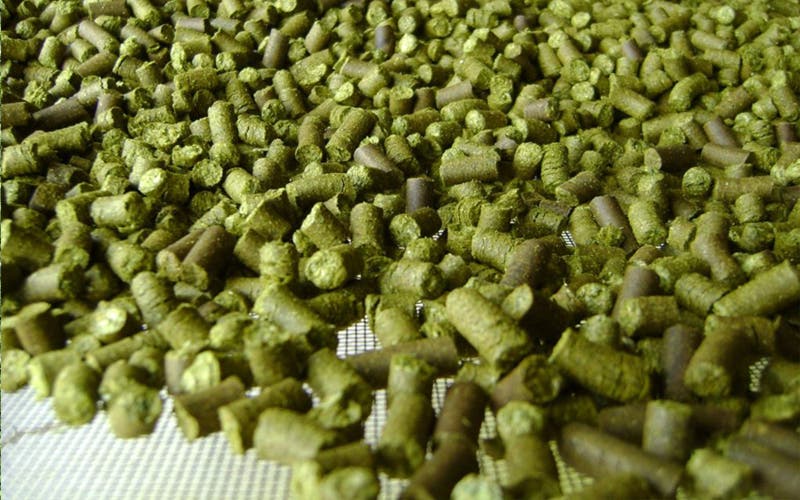
A complete bamboo pellet production line is designed to convert bamboo residues—including sawdust, chips, shavings, fibers, dust, and trimming waste—into dense, high-quality fuel pellets. These pellets are widely used in industrial boilers, biomass power plants, commercial heating systems, and residential pellet stoves as a clean alternative to coal and other fossil fuels.
Industry experts note that bamboo processing generates significant amounts of by-products every year. Instead of being discarded or burned, these materials can be recycled into valuable renewable fuel, helping manufacturers reduce waste disposal costs while creating additional revenue streams.
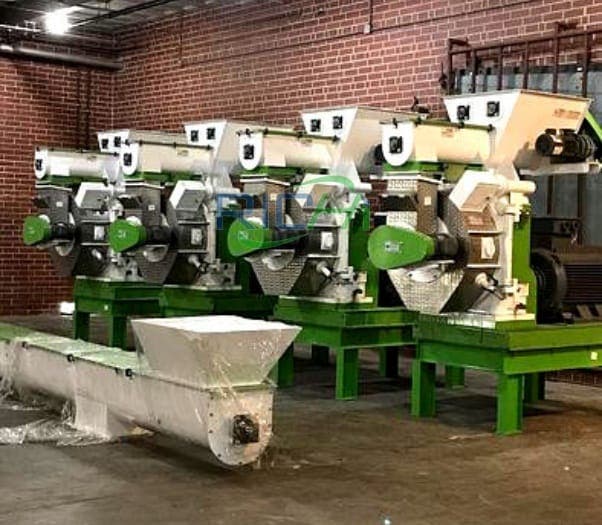
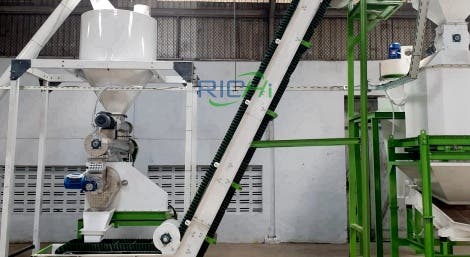
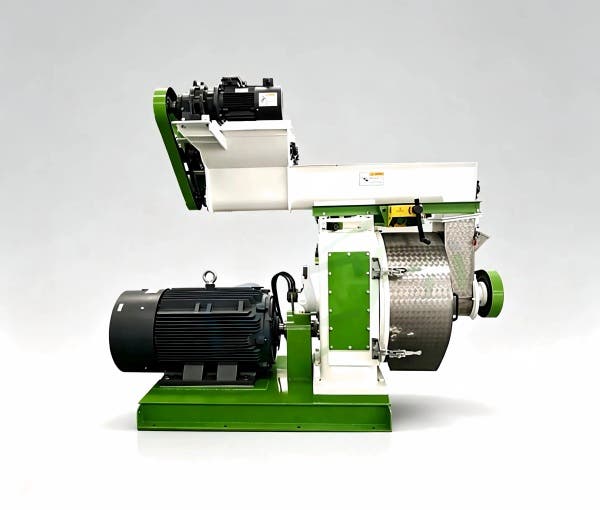
Modern production lines integrate multiple processing stages into one automated system. The process typically includes raw material receiving, crushing, drying, screening, pelletizing, cooling, final screening, and packaging. Each stage is carefully designed to ensure stable production and consistent pellet quality.
pelletisingmachine.com/bamboo-pellet-machine/
Automation has become a key feature of today's bamboo pellet production line. Advanced PLC control systems allow operators to monitor important production parameters such as feeding speed, moisture content, motor load, and pellet mill performance in real time. This improves operating efficiency, reduces labor requirements, and helps maintain stable product quality throughout continuous production.
Equipment manufacturers have also introduced more durable ring dies, wear-resistant rollers, energy-efficient motors, and intelligent lubrication systems to reduce maintenance costs and extend equipment service life. These improvements enable producers to achieve higher output while lowering overall operating expenses.
The environmental benefits of bamboo pellet production are equally significant. By converting bamboo residues into renewable fuel, manufacturers can reduce industrial waste, decrease greenhouse gas emissions, and support the development of a circular economy. Because bamboo regenerates quickly after harvesting, it also provides a sustainable long-term source of biomass feedstock.
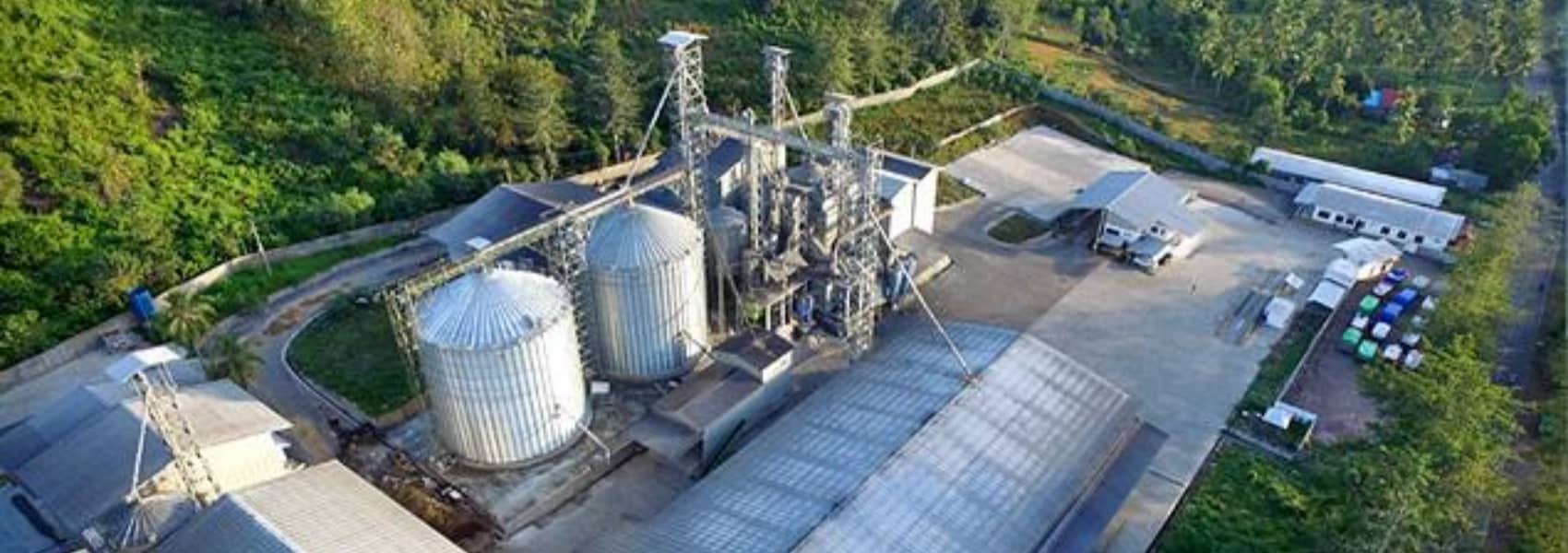
Market analysts expect global demand for biomass pellets to continue growing as more countries adopt renewable energy policies and seek cleaner heating and power generation solutions. This trend is encouraging bamboo processors to invest in integrated pellet production facilities capable of producing high-quality fuel for both domestic consumption and export markets.
With continuous technological innovation and expanding renewable energy demand, the bamboo pellet production line is expected to remain an important solution for transforming bamboo waste into valuable clean energy while supporting sustainable industrial development worldwide.