Biomass energy is becoming an increasingly important part of the global shift toward cleaner and more sustainable power sources. As industries look for alternatives to coal, oil, and natural gas, biomass pellets have emerged as a practical solution that converts agricultural and forestry residues into efficient fuel. These pellets are made by compressing raw organic materials into dense, uniform cylinders, which improves their energy density and makes them easier to store, transport, and use.
The production of biomass pellets relies on a wide range of raw materials, including sawdust, wood chips, rice husks, wheat straw, corn stalks, and other agricultural by-products. These materials are often considered waste in traditional farming and forestry operations, but they contain significant energy potential that can be recovered through pelletization technology. By turning waste into fuel, biomass systems help reduce environmental pollution and improve resource efficiency.
pelletisingmachine.com/vertical-biomass-pellet-mill/
The pellet production process typically includes several key stages. First, raw materials are collected and cleaned to remove impurities such as stones, soil, and metal particles. Next, the materials are crushed into smaller particles to ensure uniform size and improve processing efficiency. Moisture control is also essential, as the material must be dried to an optimal level to ensure proper pellet formation and durability.
The core of the production process is pelletizing, where biomass materials are compressed under high pressure and temperature. During this process, natural lignin in the biomass acts as a binding agent, allowing particles to form solid pellets without chemical additives. This makes the process both environmentally friendly and cost-effective.
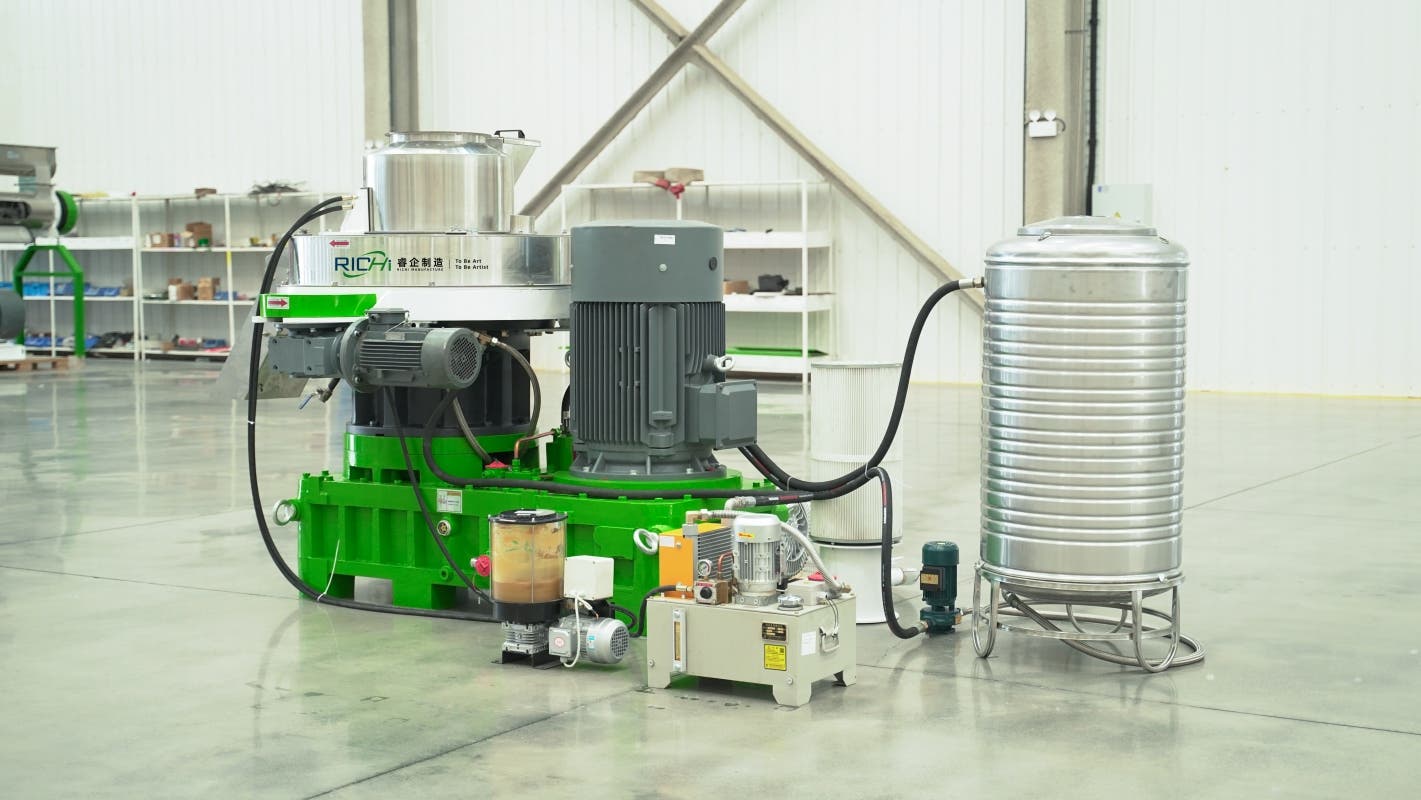
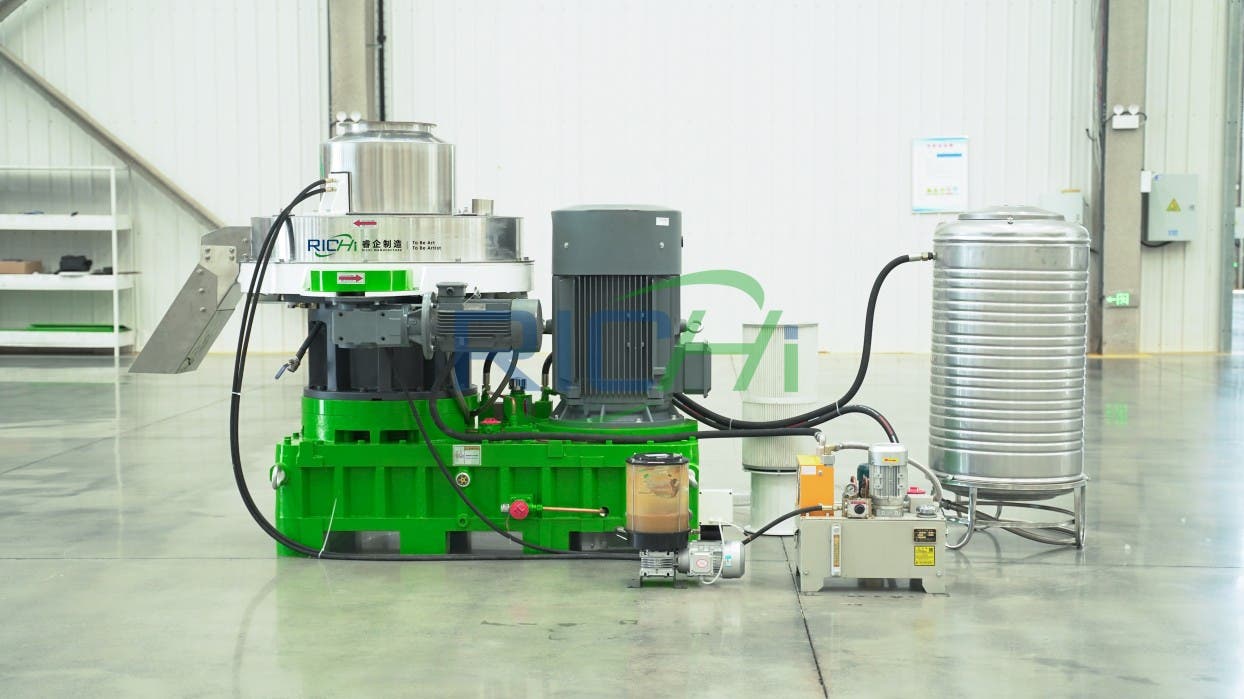
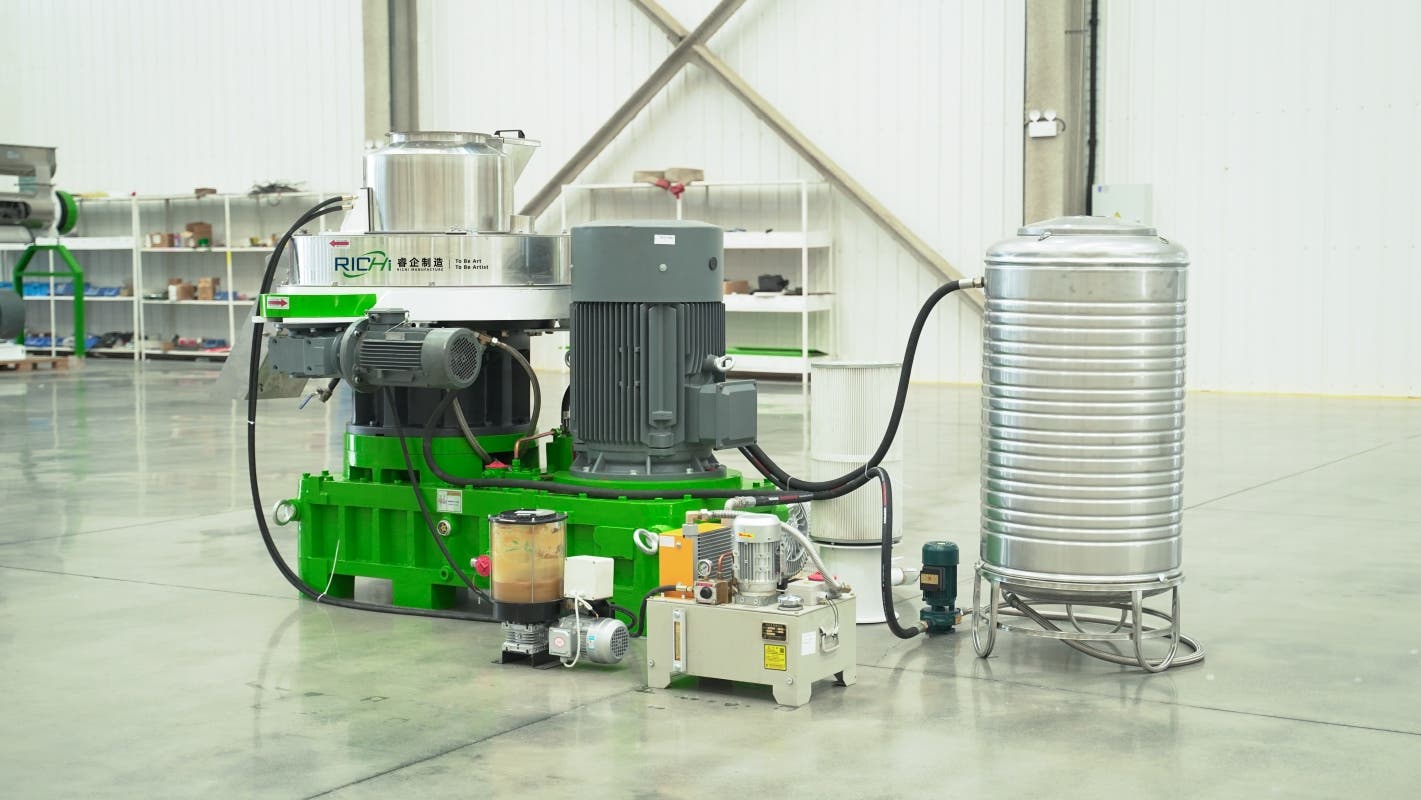
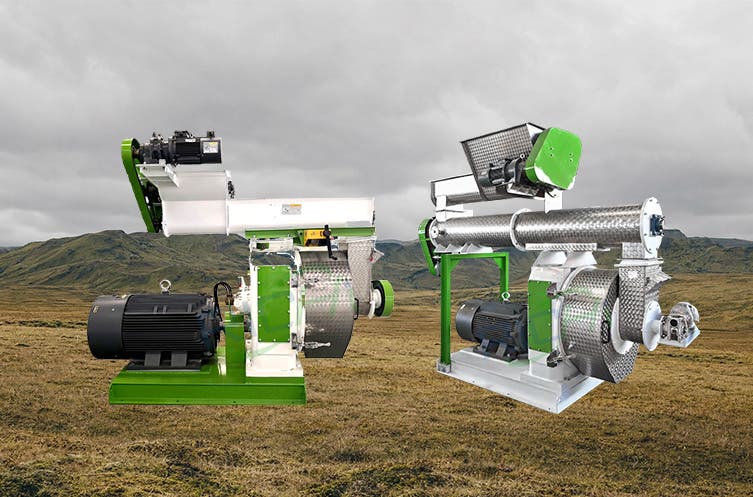
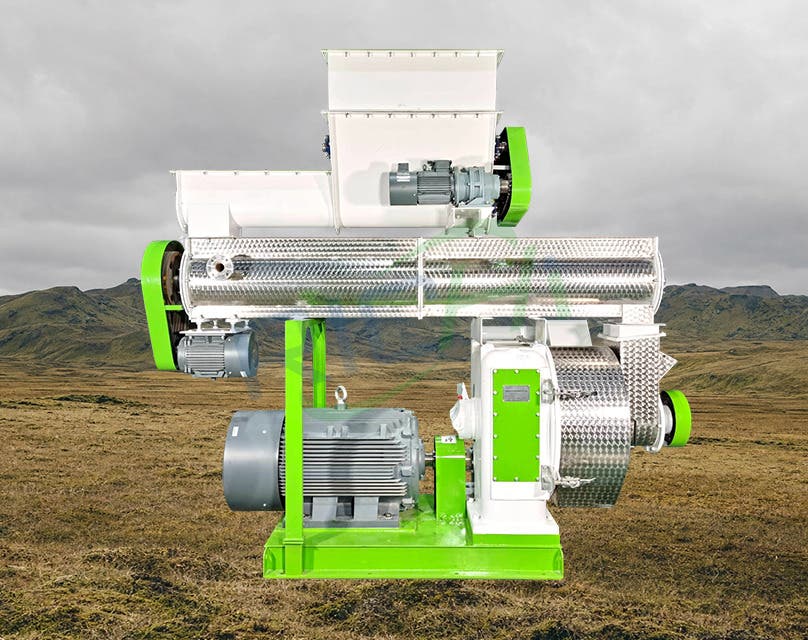
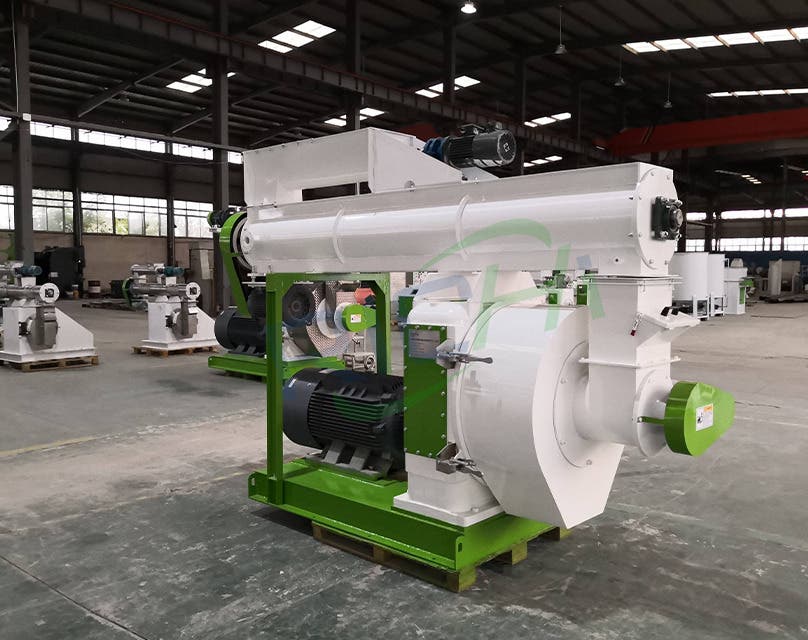
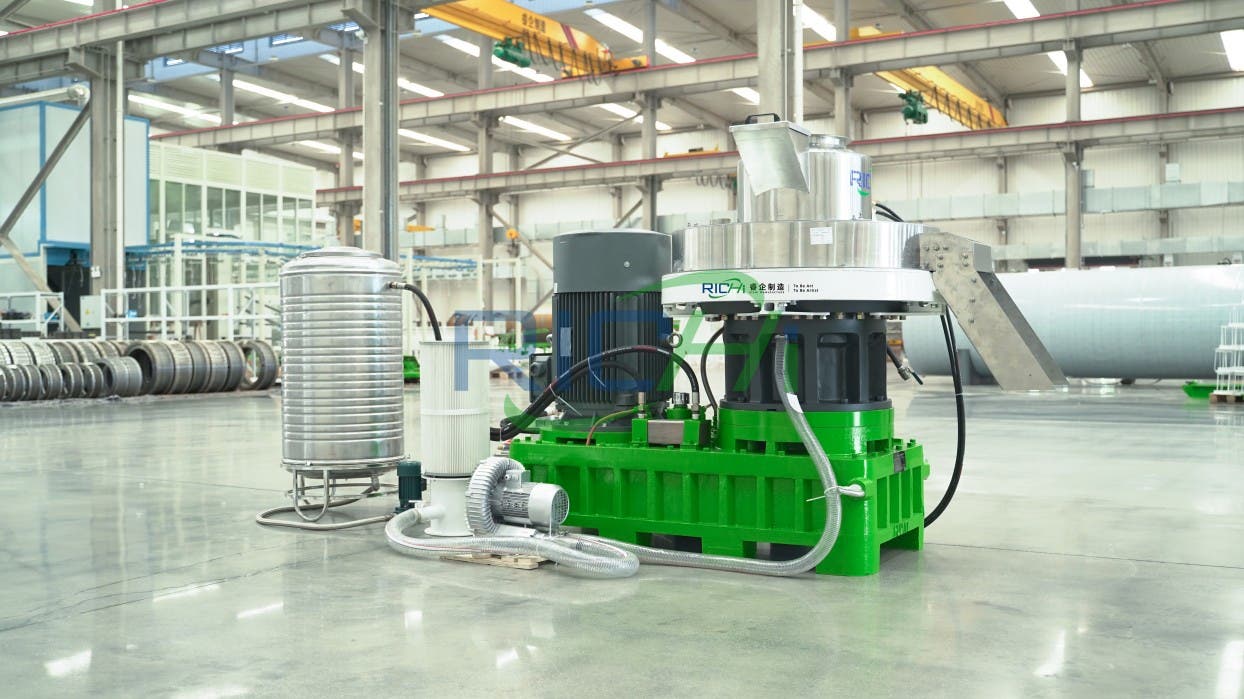
One of the most efficient machines used in large-scale production is the vertical biomass pellet mill. This equipment is designed with a vertical structure that allows raw materials to enter the compression chamber more evenly under gravity. Inside the machine, rollers press the material through a rotating die, forming high-density pellets with stable quality. The vertical design improves feeding efficiency, reduces blockages, and enhances overall production stability, making it suitable for continuous industrial operation.
After pellet formation, the hot pellets are cooled to stabilize their structure and reduce moisture content. They are then screened to remove dust and broken particles before being packaged or stored for distribution. The final product is widely used in industrial boilers, power plants, and residential heating systems.
Biomass pellets offer significant environmental benefits by reducing open-field burning of agricultural residues and lowering greenhouse gas emissions compared to fossil fuels. Economically, they create additional income opportunities for farmers and support rural development by turning waste materials into valuable energy products.
As global energy demand continues to grow, the importance of efficient equipment like the vertical biomass pellet mill will increase. It plays a key role in improving production efficiency, reducing operational costs, and supporting the large-scale adoption of renewable biomass energy.