Business & Tech
Stores Know Enough About You To Make You Blush; Some Use It To Decide How Much You’ll Pay
Retailers could have to disclose when your data shapes your price. Skeptical consumers want a way to stop it, not more fine print.


A store may know enough to make you blush before you’ve logged in, let alone bought anything. The more unnerving possibility: What it knows could help determine your price.
Retailers’ tracking tools can record what you browsed for, how long you considered it, whether you put it in the cart or saved it for later. Add where you live and estimates of what you and your neighbors are worth, and a little window-shopping can leave quite a paper trail.
That intimate accounting of your habits and circumstances can help businesses answer a question shoppers might prefer to keep to themselves: How much could they get you to pay?
Find out what's happening in Across Americafor free with the latest updates from Patch.
It’s called “personalized pricing” or “surveillance pricing.” Federal regulators want businesses to tell shoppers when it’s happening, even if they lack the authority to ban the practice altogether. Being told you’ve been sized up, of course, isn’t the same as being able to stop it.
An Intimate Shopping Diary
The Federal Trade Commission has been watching the practice evolve for several years as e-commerce businesses continue to gain market share in retail sales.
Find out what's happening in Across Americafor free with the latest updates from Patch.
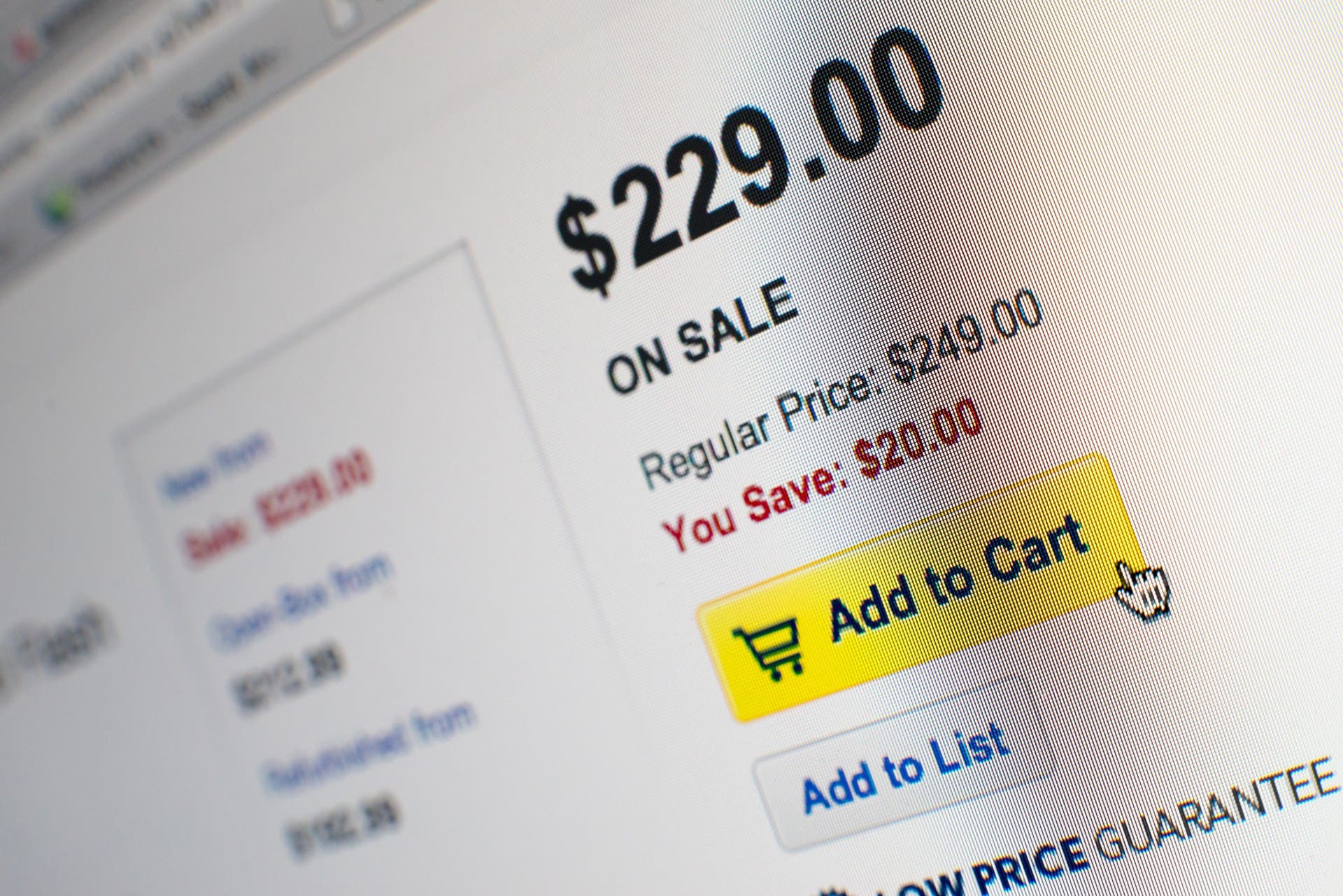
In a 2025 report, the agency said grocers, clothing companies and others were using third-party companies to help them individually tailor prices and deals based on shoppers’ locations, browsing histories and other factors, including how long they left items in their virtual shopping carts.
Even leaving something in the cart to think it over can become another piece of information to work with.
Shoppers looking for a company-by-company accounting won’t find one in the public report. The agency redacted or anonymized information to protect trade secrets and confidential business information. It used hypothetical examples to illustrate its findings, including a hotel charging more if someone appears to be traveling for a funeral, or a delivery service raising its fee if someone appears unable to leave home.
Those are illustrations, not identified incidents. They nevertheless get at what makes the practice so unsettling. The circumstances that leave someone with fewer choices could also make that person a candidate for a higher price.
The FTC now proposes making clear that sellers risk violating existing consumer-protection law when they conceal personalized pricing. Sellers would be expected to disclose that a price is personalized, the basis for it and the types of data used.
The proposal would not ban the practice or create a new right for shoppers to stop companies from selling their data.
“When consumers see a listed price, they expect it to be (the) same price that everyone else sees, not the retailer’s estimate of how much they are willing to pay based on their personal data,” FTC Chairman Andrew Ferguson said in a statement at the time.
Ferguson said the FTC doesn’t have the legal authority to ban personalized pricing in all circumstances. But failing to “clearly and conspicuously disclose” the practice and the data behind it could violate the FTC Act’s prohibition on unfair or deceptive practices.
Consumers have already pushed back against prices that move around. Wendy’s sparked outrage in 2024 over potential peak-hour pricing, while Uber and Lyft remain under scrutiny for surge fees.
But prices that change with demand and prices tailored to a shopper’s personal information raise different questions. One concerns when you buy. The other concerns what a business knows about you and how it uses that information to decide what you’ll pay.
‘Digital Rat Race For Tickets’
Those questions are making their way into court.
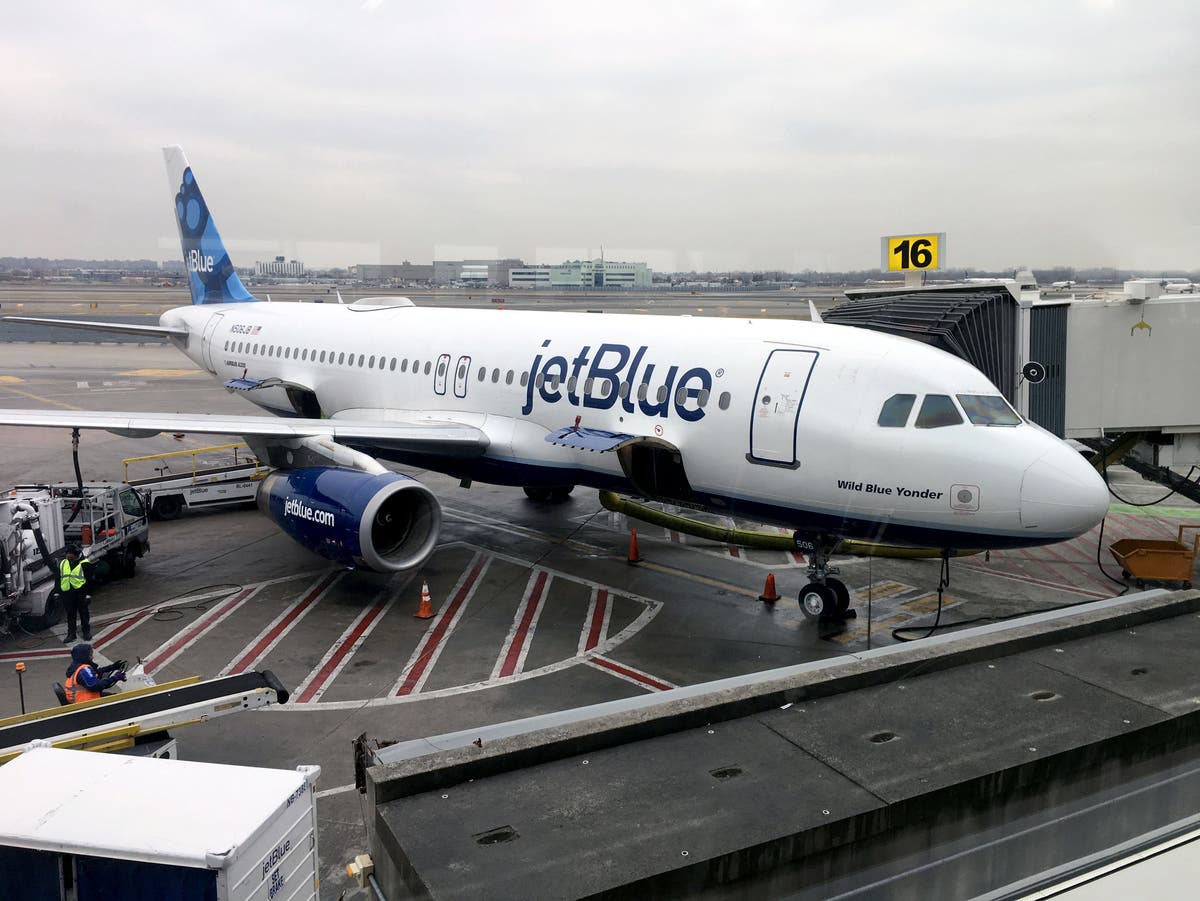
JetBlue faces a proposed class action alleging it used travelers’ personal information and browsing activity to set individualized fares without their consent. Filed in April, the suit accuses the airline of using information gathered about customers to determine what to charge them.
Plaintiff Andrew Phillips, a New York resident, accuses the airline of tracking him as he booked a flight on its website for the “purpose of setting pricing.”
“Consumers should not have to have their privacy rights violated to participate in [JetBlue’s] digital rat race for airline tickets, which should cost the same for each similarly seated passenger,” the lawsuit alleges.
“It allows defendant to manipulate prices in real time in order to make as much money as they can on fares for airline tickets, which are priced differently for consumers based on their private information, which they did not consent to surrender for this purpose,” the suit added.
The complaint points to a since-deleted post on X that said, “I love flying @JetBlue but a $230 increase on a ticket after one day is crazy. I’m just trying to make it to a funeral.”
The airline’s social media team offered this advice, according to the screenshot: “Try clearing your cache and cookies or booking with an incognito window. We’re sorry for your loss.”
That reply gave travelers something else to chew on.
The user who captured a screenshot of the conversation posted it on X, asking, “Did JetBlue just admit to surveillance pricing?”
The airline denied the allegation.
“JetBlue does not use personal information or web browsing history to set individual pricing,” the carrier said in a statement to CBS News. “Fares are determined by demand and seat availability, and all customers have access to the same fares on jetblue.com and our mobile app.”
Same Product, Different Prices

The disputes extend well beyond airline tickets, although the reasons for different prices aren’t always the same.
The dating app Tinder’s age-based subscription prices led to a class action lawsuit alleging older customers were unfairly charged more for premium services. Last fall, the company agreed to a $60.5 million settlement with California customers while denying wrongdoing.
Instacart also showed shoppers different prices for identical groceries. An investigation by Consumer Reports and advocacy groups found the same dozen eggs offered from the same store for $3.99 to $4.79.
Same store. Same eggs. A different total at checkout.
Instacart ended the tests in December 2025 but said shoppers had been assigned prices randomly, without using their personal information. That distinction matters: Different prices alone don’t prove a company used someone’s private data to decide what to charge.
Retailers Defend Loyalty Programs
Retailers point to a use of customer data that shoppers tend to like: discounts.
They want to preserve data tracking for loyalty and rewards programs, according to the National Retail Federation, which represents major stores such as Walmart, Target and Macy’s.
David French, NRF’s executive vice president of government relations, told The Associated Press the group will continue to “aggressively advocate” for the protection of programs that offer savings and personalized deals.
In a letter to U.S. senators, the Retail Industry Leaders Association, representing Best Buy, Home Depot, Dollar General and others, said members do not use personal data to raise prices. It said competition drives retailers to offer lower prices, discounts and value.
Following a Senate hearing, grocery trade group FMI also urged the preservation of loyalty programs, noting electronic shelf labels do not dynamically alter prices for individual shoppers.
Transparency, But So What?
On Reddit, users were skeptical that much will change, even if the FTC imposes stringent disclosure requirements.
“What is transparency going to do anyway? Knowing you are being screwed over without a way to avoid it doesn’t really help,” one user said.
“Right!” another user replied. “Some sites and retail outlets post disclaimers explaining that they do this and that by using their site or service you agree to be screwed in this particular and special way.”
One cheeky user suggested a transparency disclosure could go something like this: “Hey, just letting you know we’re gonna charge you 25% more because we noticed you’re well-dressed, which must mean you have more money than the next guy.”
Others had a shorter proposal. Retailers who value their customers should stop snooping on them.
“How about just not doing it at all? No retailer should use real-time data or stored data to target pricing, especially in spaces where you don’t explicitly agree to such things,” a Reddit user said.
Sexual Health Ads Proliferate
Privacy concerns go beyond the price tag.
One Reddit user worried that spending data could reveal illnesses, children’s ages and other private details, adding, “I just don’t think Kroger or whoever needs to know that.”
That was a central theme in this week’s $20.5 million class action settlement by the CVS pharmacy chain and its advertising partner.
One of the plaintiffs said he began seeing ads for medications and sexual health products after searching for those items to treat a medical condition on the CVS website.
Other plaintiffs alleged that the app exposed their names, email and home addresses, medications and products they viewed to an outside analytics company.
Congress Can Ban It
A handful of states, including Maryland, Connecticut and New Jersey, have banned grocery personalized pricing, with California and New York considering similar bans. New Jersey also paused new electronic shelf labels for a year, despite retailer claims that they enable discount automation rather than individualized rates.
The consumer advocacy organization Consumer Reports said the FTC proposal is encouraging but might still leave consumers reading detailed pricing disclosures while shopping online, according to The Associated Press.
That would put another task on the shopper’s list — figuring out what the store figured out about them.
The group said the FTC and Congress should instead follow the states’ lead and ban companies from using customer data to personalize prices in the first place.
What Consumers Can Do
Shoppers can reduce how much information they leave behind, but there’s no single switch that makes the tracking stop.
A retailer can still record activity on its own site. Blocking cookies doesn’t block every way of identifying a visitor. And incognito mode is not an invisibility cloak, the FTC says. It mainly limits what remains in the browser after a session; websites can still observe activity during the visit.
- Decline optional cookies. Select “reject all” or “necessary cookies only” rather than accepting ad and analytics trackers.
- Enable tracking protection. Block third-party cookies in browser settings or use a tracker blocker.
- Restrict app permissions. Revoke unneeded location, contact and photo access, and remove invasive apps.
- Manage ad settings. Turn off personalized ads, which changes how data is used without fully stopping collection.
Additional privacy measures include:
- Decline tracking on Apple devices: Choose “Ask App Not to Track” or disable requests in Settings → Privacy & Security → Tracking. This restricts cross-app and cross-site tracking, though in-app data collection may continue.
- Opt out of data sales/sharing: Use “Do Not Sell or Share My Personal Information” links or browser tools like Global Privacy Control to send automated requests. Applicable state laws require covered businesses to honor these requests.
- Request data deletion: Subject to state laws, consumers can ask companies to delete collected data, except for legal or transactional needs. This is separate from opting out of data sharing.
The Associated Press contributed to this report.
Also On Patch
Get more local news delivered straight to your inbox. Sign up for free Patch newsletters and alerts.