Health & Fitness
Tick And Mosquito Infections Surge In Virginia, DC: CDC Report
The number of mosquito-, flea- and tick-borne illnesses has risen sharply in Virginia and DC, according to health officials.


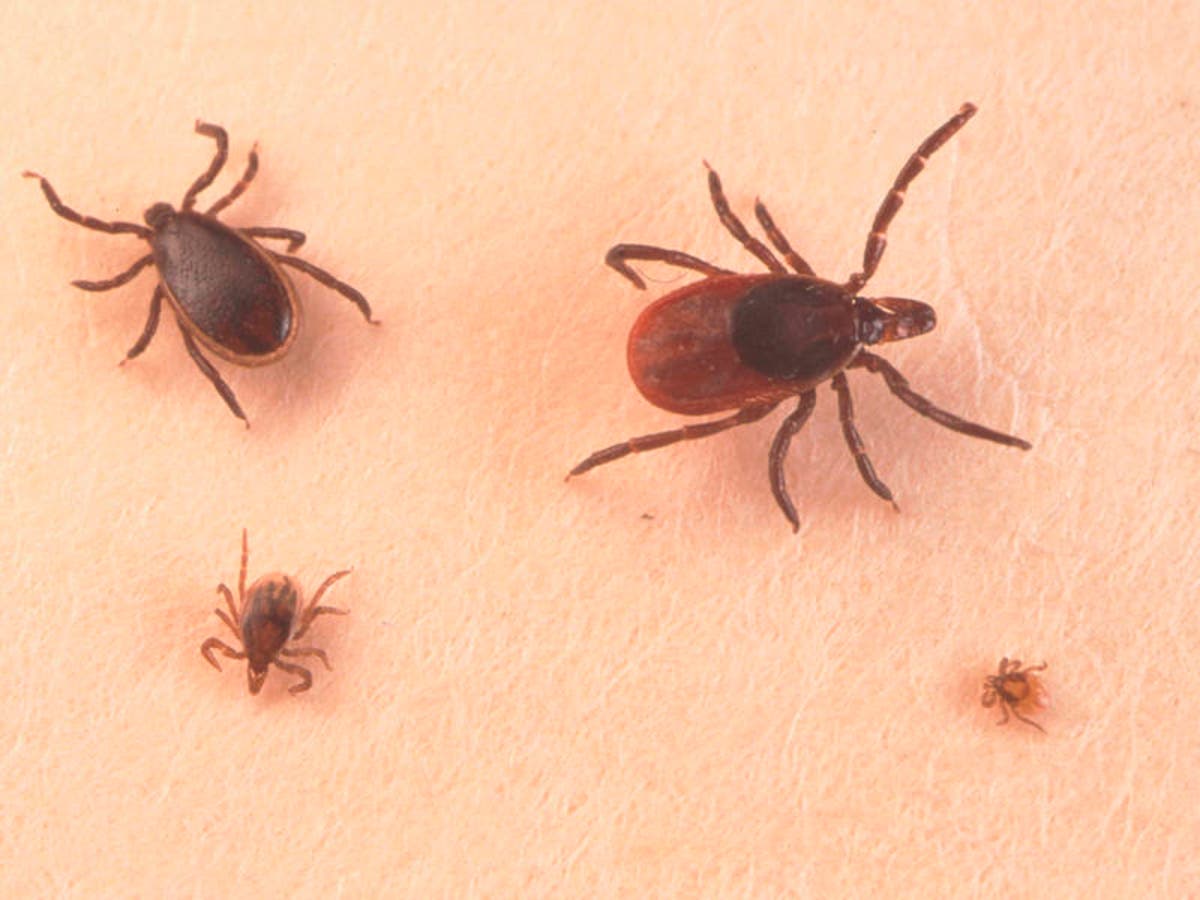
WASHINGTON, DC — Tick-borne illnesses are on the increase in the United States and disease cases have doubled between 2004 and 2016, according to a new report released by the Centers for Disease Control and Prevention. Further, the report found that disease cases from infected mosquitoes, ticks and fleas have tripled in 13 years and nine vector-borne diseases were discovered or introduced for the first time from the United States and its territories. Virginia is one of the hardest hit states for ailments spread by bugs.
According to the CDC report, 48,000 tick-borne diseases were reported in 2016 and Lyme disease accounted for 82 percent of all tick-borne diseases between 2004 and 2016. In 2004, 22,000 tick-borne diseases were reported. In its report, the CDC said the nation needs to be better prepared to face this public health threat.
"Zika, West Nile, Lyme, and chikungunya—a growing list of diseases caused by the bite of an infected mosquito, tick, or flea—have confronted the U.S. in recent years, making a lot of people sick. And we don't know what will threaten Americans next," CDC Director Robert R. Redfield said in a news release. "Our Nation's first lines of defense are state and local health departments and vector control organizations, and we must continue to enhance our investment in their ability to fight against these diseases."
Find out what's happening in Across Virginiafor free with the latest updates from Patch.
In Virginia there were 16,454 tick-borne disease cases between 2004 and 2016, according to the CDC, while the District of Columbia recorded 720 cases. Neighboring Maryland recorded 22,166 tick-borne disease cases in the same period. Maryland and Virginia were in the top 20 percent of states for tick-borne diseases. Tick-borne diseases occur throughout the country but predominate in the eastern parts of the country and along the Pacific Coast.
(For more news like this, find your local Patch here. If you have an iPhone, click here to get the free Patch iPhone app; download the free Patch Android app here.)
Find out what's happening in Across Virginiafor free with the latest updates from Patch.
The CDC identified four other tick-borne diseases; spotted fever rickettsioses, babesiosis, and anaplasmosis/ehrlichiosis, that have all seen a rise in the 13 year period.
According to the CDC, ticks are particularly hard to control. The New York Times reported that ticks need deer or rodents as their main blood hosts and their populations have increased while predators like foxes have disappeared. The CDC notes that tick-borne pathogens rarely cause sudden epidemics because human are typically incidental hosts that do not transmit further. In comparison, mosquito-borne illnesses are transmitted directly between humans by the mosquitoes.
The CDC says their data underestimates disease occurrence and its estimated that Lyme Disease affects 300,000 Americans every year. Many cases result in minimal symptoms.
The lead author of the CDC study, Dr. Lyle R. Petersen, told the Times that warmer weather is an important cause in the surge but he didn't directly link the increase to climate change. Petersen also said a lack of vaccines and jet travel were factors in the surge.
The CDC says the burden falls on local health agencies to survey and control ticks and nearly all vector control operations are locally funded and operated. With ticks being difficult to control, the CDC says people must take extra steps to protect themselves.
Here are some steps you can take to prevent yourself from being bitten by a tick via University of Maryland professor Michael Raupp, also known as the Bug Guy.
- Avoid ticks by staying on walking paths, trails, or pavement. In woodlands or grassy areas wear long pants that you tuck into your socks and light colored clothing so you spot ticks as they move. Apply repellents. Put your cloths directly in a clothes dryer when you get home; the heat will kill ticks.
- Inspect yourself, your family, and your pets thoroughly when you get home and when taking a shower. A thorough inspection may involve enlisting a helper to view those "hard to see" areas.
- Remove ticks right away by firmly grasping it as close to your skin as possible using a pair of fine forceps or tweezers and slowly, steadily pull the tick out. Cleanse the area with antiseptic.
The CDC also has tips:
Repel Ticks on Skin and Clothing
- Use repellent that contains 20 percent or more DEET, picaridin, or IR3535 on exposed skin for protection that lasts several hours.
- Use products that contain permethrin on clothing. Treat clothing and gear, such as boots, pants, socks and tents with products containing 0.5% permethrin. It remains protective through several washings. Pre-treated clothing is available and may be protective longer.
- The Environmental Protection Agency has an online tool to help you select the repellent that is best for you and your family.
Find and Remove Ticks from Your Body
- Bathe or shower within two hours to wash off and more easily find ticks that are crawling on you.
- Conduct a full-body tick check using a hand-held or full-length mirror to view all parts of your body upon return from tick-infested areas. Parents should check their children for ticks under the arms, in and around the ears, inside the belly button, behind the knees, between the legs, around the waist, and especially in their hair.
- Examine gear and pets. Ticks can ride into the home on clothing and pets, then attach to a person later, so carefully examine pets, coats, and day packs.
- Tumble dry clothes in a dryer on high heat for 10 minutes to kill ticks on dry clothing after you come indoors.
- If the clothes are damp, additional time may be needed.
- If the clothes require washing first, hot water is recommended. Cold and medium temperature water will not kill ticks effectively. If the clothes cannot be washed in hot water, tumble dry on low heat for 90 minutes or high heat for 60 minutes. The clothes should be warm and completely dry.
You can view the full report at cdc.gov.
(Photo By Getty Images)
Get more local news delivered straight to your inbox. Sign up for free Patch newsletters and alerts.