Politics & Government
Call of the Wild: Fairfax County Receives 1,000 a Year
Mild winter brings no increase in calls, but county's wildlife biologist says residents call about everything from groundhogs to coyotes.

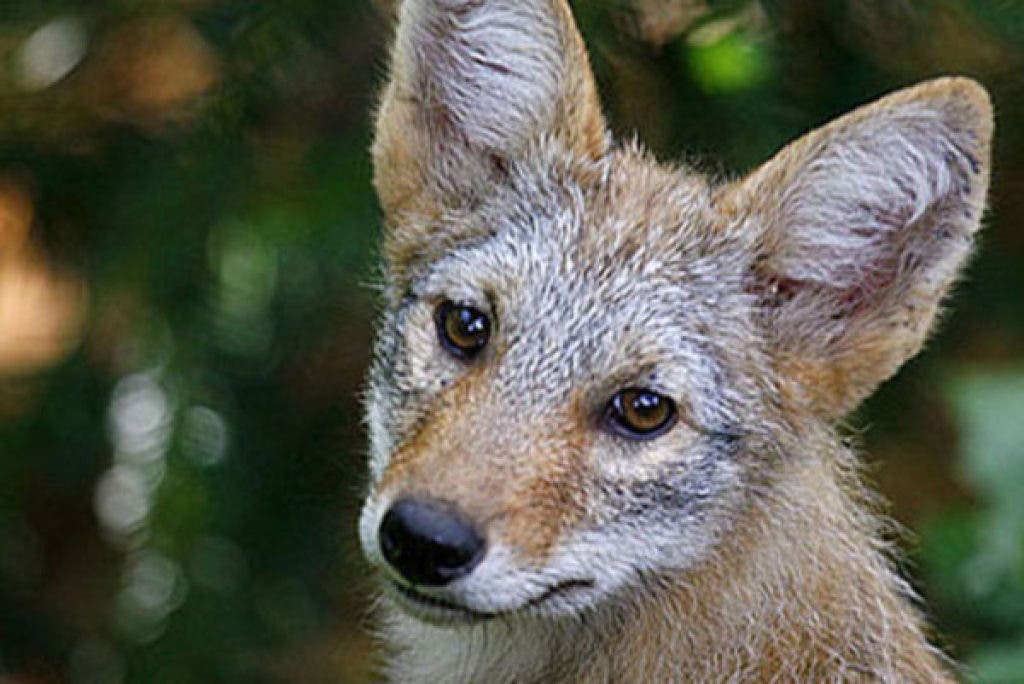


Each year, Fairfax County receives about 1,000 calls from residents about wildlife.
"This mild winter, the number of calls I have received about urban wildlife has held fairly steady when compared to previous seasons," said Vicky Monroe, Fairfax County Wildlife Biologist with the Fairfax County Police Department's Animal Services Division.
"I have received no unusual sightings, other than Eastern coyotes, which have been confirmed here since 2000," she said. "Fairfax County is home to a high number of wild species that not only survive, but often thrive in habitat-modified areas and in close proximity to humans. These 'urban wildlife' come in sometimes frequent contact with human neighbors. I receive nearly a thousand calls each year."
Find out what's happening in Greater Alexandriafor free with the latest updates from Patch.
(More information about Eastern coyotes can be found at the Eastern Coyote Research Web site.)
Can you guess what animal residents most often call about?
Find out what's happening in Greater Alexandriafor free with the latest updates from Patch.
Monroe said the majority of calls she receives are about white-tailed deer (Odocoileus virginianus).
That's followed by: red foxes, geese, groundhogs, coyotes, snakes, raccoons, bats, and miscellaneous wildlife or wildlife management inquiries, she said.
But just because you see an animal doesn't necessarily mean you should contact the county. "Animal Control will go out on wildlife calls for injured, sick , orphaned/abandoned (unweaned) or aggressive wildlife," Monroe noted.
They will also dispatch officers, at their discretion, for wildlife that may pose additional threat to human health or public safety—e.g. rabies vector species (bat in bedroom, raccoon stuck in house, etc.).
Tips from Fairfax County, if you see wildlife in your yard or near your house:
1. Never touch or feed wild animals. If you see an injured, sick, aggressive, or orphaned/abandoned wildlife, call Animal Control (703-691-2131).
2. Many wild species are most active at night. The presence of non-natural food sources is a strong attractant for most wildlife. Many simple exclusion and repellency methods offer long-term humane deterrence for a range of wildlife.
3. Never leave cats or other smaller pets outdoors overnight.
4. If you feed your pets outdoors, remember to bring in your pet’s food and water bowls in the evening.
5. Secure lids on trash cans and recycling bins (or bring into the garage at night)
6. Cover compost heaps and protect garden vegetables, fruits, and other fragrant or tasty plants with mesh wire, fencing or other inexpensive cover.
7. If you have a bird feeder, clean the bird feeder itself regularly using hot water and mild soap or very dilute beach solution (5 percent) to reduce the spread of wildlife disease transmission.
8. If you have a bird feeder, clean the area under the bird feeder on a daily or weekly basis to remove all bird seed and/or other fallen debris.
Get more local news delivered straight to your inbox. Sign up for free Patch newsletters and alerts.