Health & Fitness
Fentanyl Boosts Number Of Overdose Deaths In Maryland: Opioid Crisis
The latest fatal overdose count in Maryland shows that while prescription drug deaths are down, fentanyl is killing more residents.


BALTIMORE, MD — The latest fatal overdose count by state health officials shows that while prescription drug overdose deaths are down across Maryland and heroin fatalities are relatively flat in recent months, fentanyl is killing more residents than ever.
The rate of fatal drug and alcohol overdoses in the state continues at an epidemic pace — especially for users of fentanyl and the even more lethal carfentanyl — say state officials, who urged users to get into treatment before it's too late. The Maryland Department of Health on Tuesday released data for fatal overdoses for the second quarter of 2017, and the numbers show that opioid-related overdose deaths continue to skyrocket in the state.
From January through June of 2017, there were 1,172 overdose-related deaths in the state, including 799 fentanyl-related deaths. In the first three months of the year, by comparison, there were 550 drug and alcohol overdose-related deaths statewide, including 372 fentanyl-related deaths. During the same six-month period in 2016, 969 Marylanders died from an overdose. (For more news like this, find your local Patch here. If you have an iPhone, click here to get the free Patch iPhone app.)
Find out what's happening in Annapolisfor free with the latest updates from Patch.
Watch: These Drugs Just Surpassed Heroin As The Deadliest Opioids In The US
"We continue to see a dramatic increase in the number of overdose deaths connected to fentanyl,” said Health Secretary Dennis Schrader in a news release. The largest increases in overdose deaths are fentanyl-related, carfentanil-related, and from cocaine use combined with opioids.
Find out what's happening in Annapolisfor free with the latest updates from Patch.
"These synthetic substances, often combined with other drugs, continue to claim the lives of Marylanders in staggering numbers. Fentanyl deaths alone increased by more than 300 from the first quarter through the second quarter. Fentanyl and carfentanil are 50 and 100 times more potent than heroin, respectively," officials said in the report.
Heroin and prescription opioid deaths for the second quarter of 2017 are relatively flat compared to the second quarter of 2016. Heroin overdose deaths increased by seven in the second quarter of 2017 when compared to the same time frame in 2016. Overdose deaths from prescription opioids fell by seven, totaling 218 in the second quarter of 2016 and falling to 211 during 2017.
»See the full state report online .
.
The areas with the largest increases in overdose fatalities are the city of Baltimore with 89 more from a year ago, Prince George's County with 27 additional deaths, Baltimore County with 16 more, and Harford County with 18.
“Maryland is continuing to combat this crisis – including the increasingly deadly threat posed by fentanyl and carfentanil, with everything we’ve got, and we see a significant amount of work being done at the state and local level each day,” said Clay Stamp, executive director of the Opioid Operational Command Center. “It will take everyone working together – from the federal, state, and local levels – to turn the tide in this epidemic and save the lives of thousands of Marylanders.”
SEE ALSO:
- Heroin Fatalities Up 185 Percent: Harford Sheriff
- 16 Opioid Overdoses, 3 Deaths In 24 Hours Across Anne Arundel County
- Maryland Opioid Epidemic: New Laws Tackle Addiction
- Heroin and Opioid Crisis Hits Record High in Maryland
- Heroin Crisis: Desperate Families Wonder If Anyone Cares
- Heroin Epidemic Escalates Across Maryland
- 3 Die from Heroin Overdoses in One Day: Harford Sheriff
- $3M Targeted at Fighting Maryland's Heroin Epidemic
- Heroin Addicts Dealt Hope By County Police Chief
- 'I Really Like Getting High': Anne Arundel Heroin User
On July 1, 2017, three new initiatives to further combat the opioid epidemic went into effect. First, the Maryland Medicaid policies reforming the opioid-prescribing process went into effect. This new police requires prior authorization for all high-dose and long-acting opioids issued to Maryland Medicaid recipients.
The Prescription Drug Monitoring Program went into effect, which allows providers and pharmacists access to their patients' history of such prescribed controlled dangerous substances as prescribed opioids. Prescribers are required, with some exceptions, to query and review their patient’s PDMP data prior to prescribing an opioid or benzodiazepine and at least every 90 days thereafter, as long as the course of treatment continues to include prescribing an opioid or benzodiazepine.
Maryland Medicaid also began to reimbursement for federally funded residential substance use treatment. Maryland was the third state in the nation to be granted a waiver from the federal Centers for Medicare and Medicaid Services to provide treatment with federal Medicaid dollars.
State officials said Tuesday that access to the Screening, Brief Intervention and Referral to Treatment program, already in existence in 10 hospitals will soon expand to a total of 15 facilities. The hospitals already involved are: Bon Secours Hospital, Johns Hopkins Bayview Medical Center, MedStar Franklin Square Medical Center, MedStar Good Samaritan Hospital, MedStar Harbor Hospital, MedStar Montgomery Medical Center, MedStar Union Memorial Hospital, Mercy Medical Center, University of Maryland Medical Center, and University of Maryland Medical Center Midtown Campus. The department and command center also are working to implement peer recovery support in all 15 of the hospitals.
Where to Get Help in Maryland
Maryland residents who need help finding substance abuse treatment resources should visit the Department of Health website for links to substance abuse treatment facilities. Or call the Maryland Crisis Hotline, which provides 24/7 support, at 1-800-422-0009.
If you know of someone who could use treatment for substance abuse, treatment facilities can be located by location and program characteristics online.
Signs of Overdose:
- Person is not responsive.
- Fingertips or lips turn blue or grey.
- Breathing is slow, shallow or has stopped.
- Person is gurgling or making snoring noises.
What can you do if you see an opioid overdose?
- Call 911.
- If you have naloxone, give the person naloxone and perform rescue breathing.
- If no response after 2-3 minutes, give a second dose of naloxone.
- Do not leave the person alone. Help will arrive.
- If the person starts to breathe or becomes more alert, lay the person in the recovery position; put the person slightly on the left side so that their body is supported by a bent knee with their face turned to the side and bottom arm reaching out to stabilize the position.
Remember the Good Samaritan Law – save a life!
- If you provide help or assist a person experiencing a medical emergency due to alcohol or drugs, you are criminally IMMUNE from being charged, arrested and prosecuted from certain crimes. (Ann. Code Md. CR §1-210)
- The police and the courts believe that saving a life is more important than a charge or an arrest.
How can I lower my risk of overdose?
- Carry naloxone with you at all times and inform others where it is.
- If you haven’t used in a while, start slowly. You are at a high risk for overdose after leaving jail, prison or the hospital or after coming out of treatment.
- Avoid mixing substances.
- Be aware that drugs vary widely in purity and strength.
- Don’t use alone. If you must use alone, let people know where you are, and never the lock the door.
- Check up on each other.
- Seek treatment.
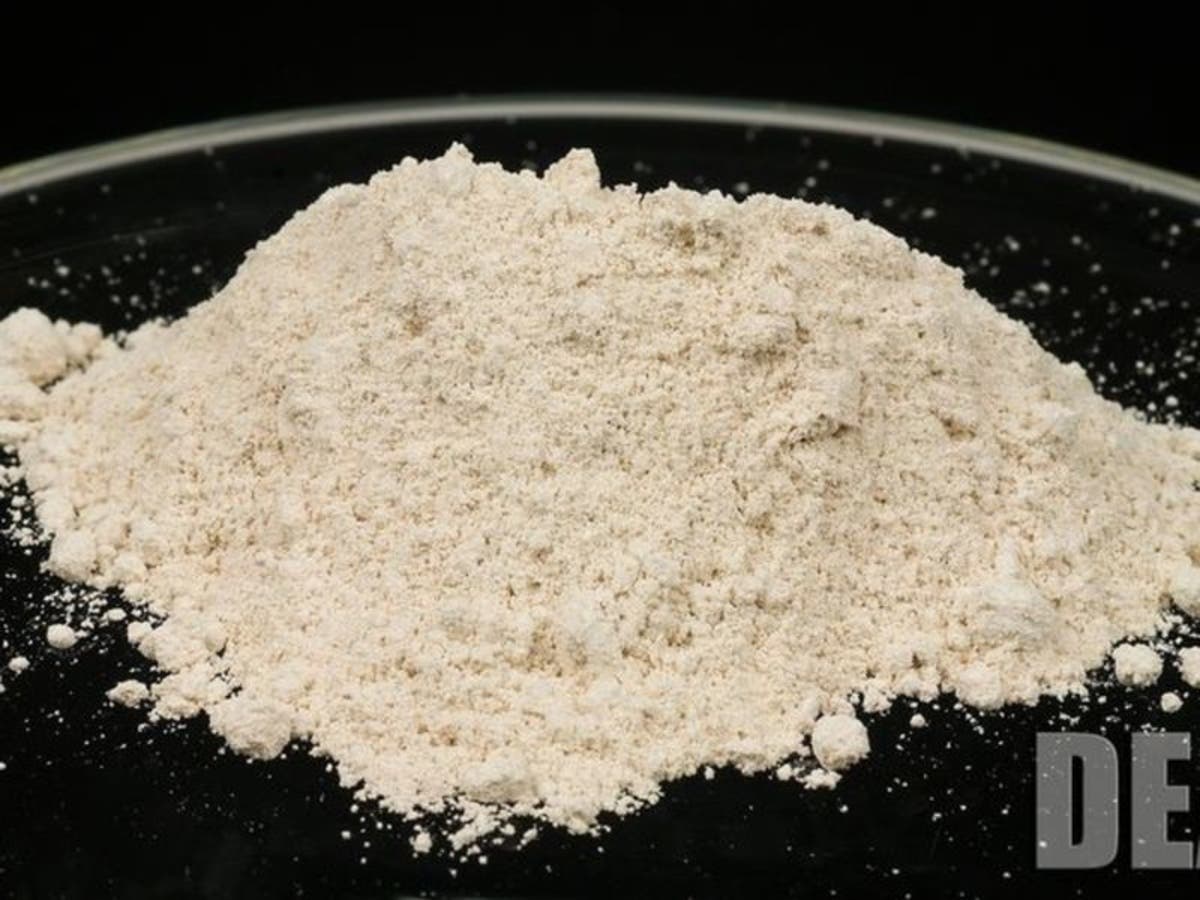
»Photo of heroin powder from the Drug Enforcement Administration
Get more local news delivered straight to your inbox. Sign up for free Patch newsletters and alerts.