This post was contributed by a community member. The views expressed here are the author's own.

|Local Classified|For Sale|

Wood Shavings Pellet Fuel Production for Renewable Energy

Wood Shavings Pellet Fuel Production for Renewable Energy

Wood shavings are one of the most common raw materials used in biomass fuel manufacturing. With the increasing global demand for renewable energy, many investors and wood processing companies are turning wood waste into valuable biomass pellets. Through modern pelletizing technology, wood shavings can be compressed into high-density fuel pellets that are widely used for industrial heating, household boilers, and power generation.

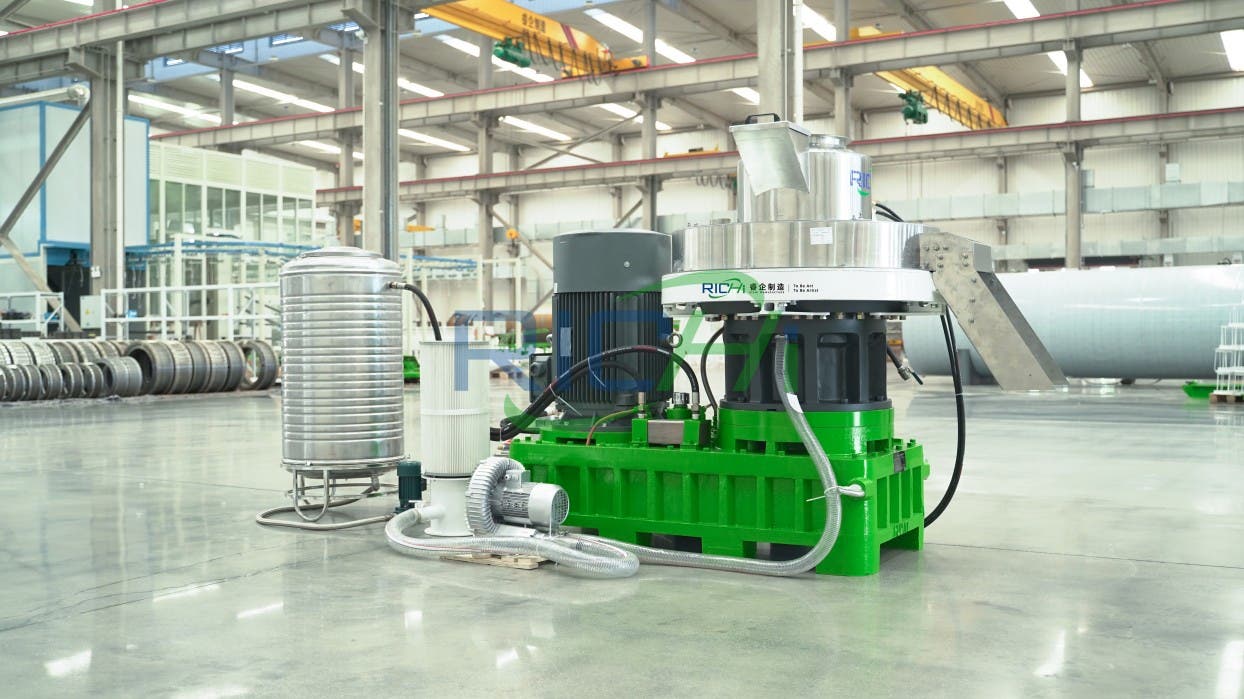
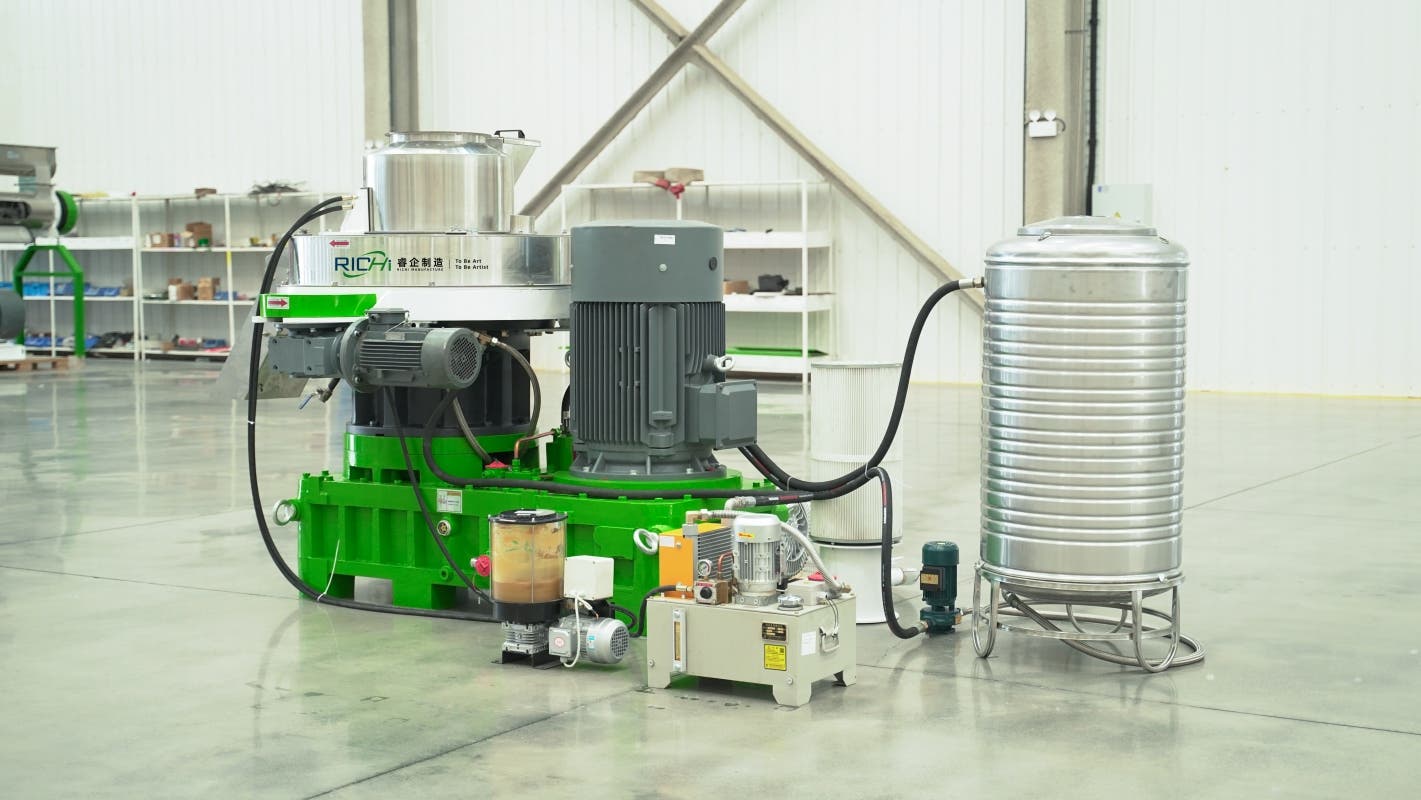
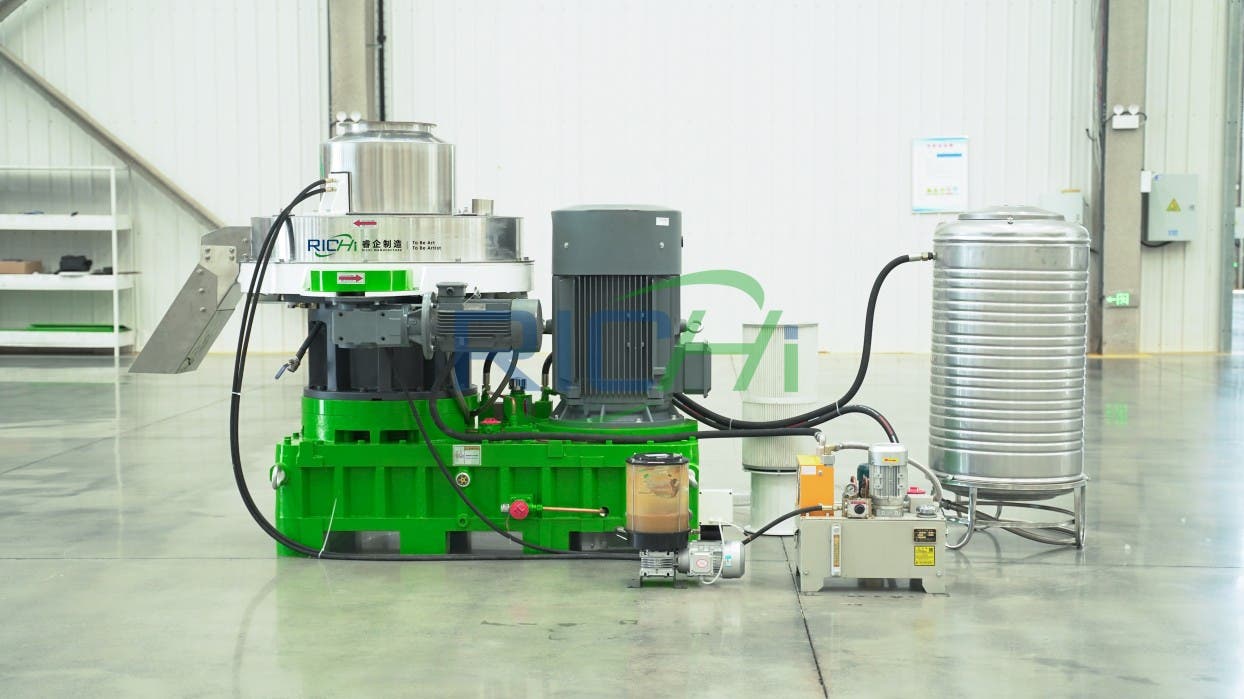
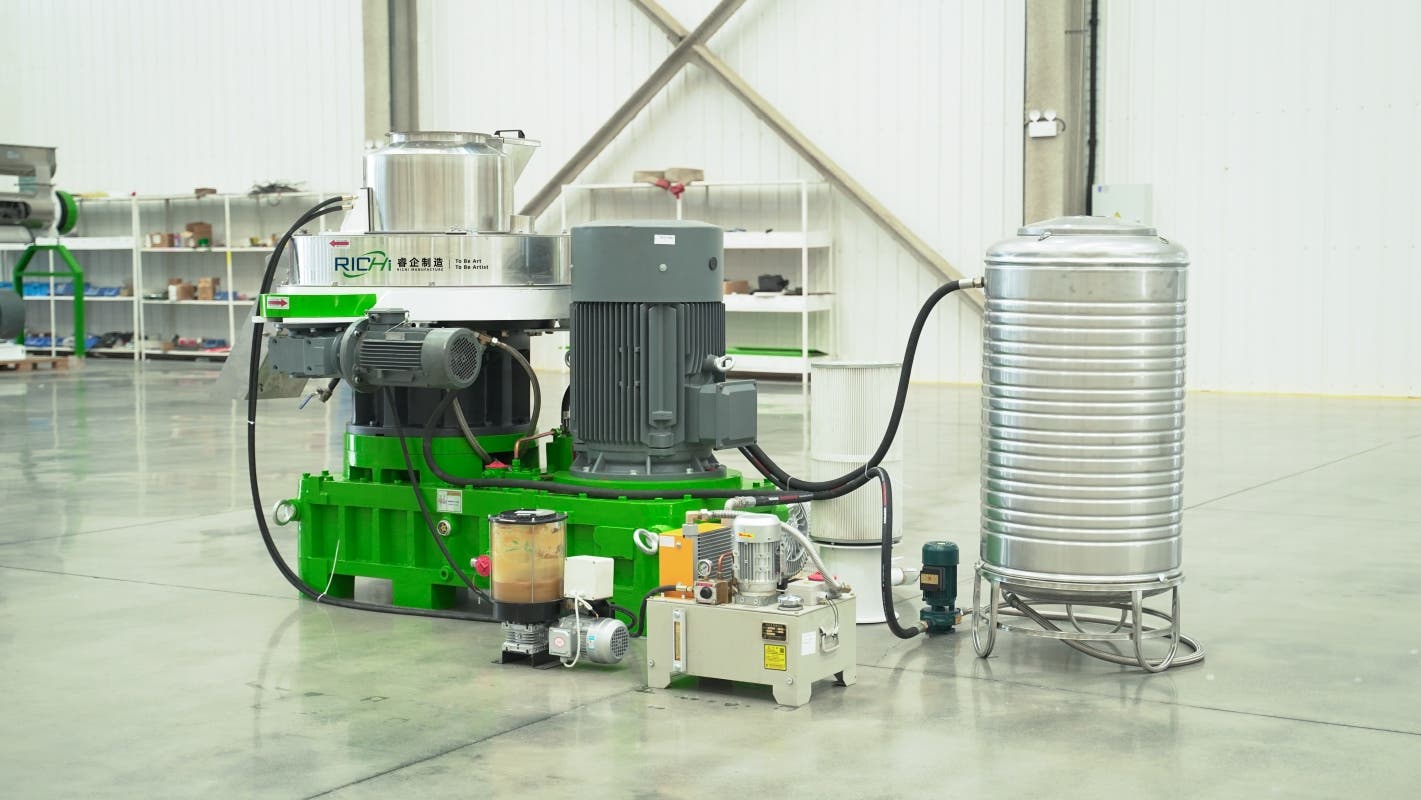
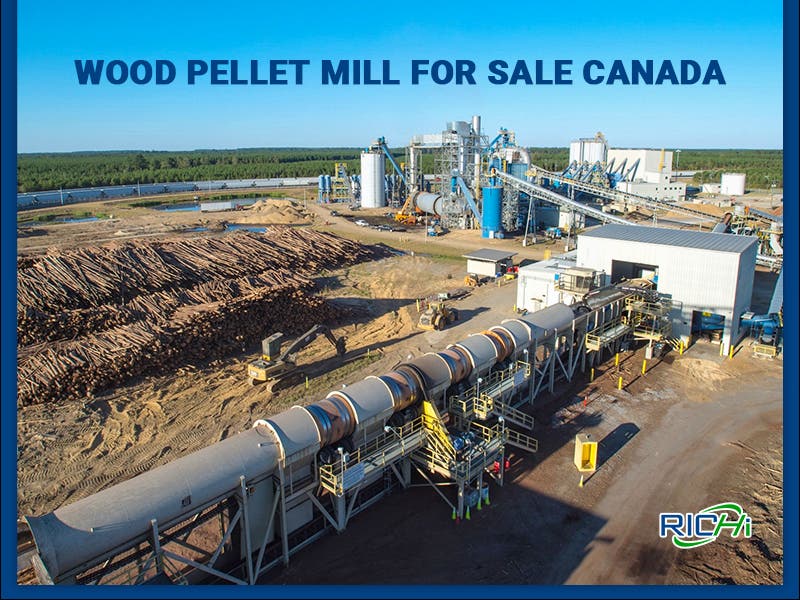
A complete wood pellet production system usually includes crushing, drying, pelletizing, cooling, and packaging equipment. The most important machine in the process is the wood pellet mill, which compresses raw materials into durable and energy-efficient pellets. The quality and efficiency of the equipment directly affect production capacity and pellet quality.

One major advantage of using wood shavings is the low raw material cost. Furniture factories, sawmills, and wood processing plants generate large quantities of waste wood every day. Instead of discarding these materials, manufacturers can convert them into profitable biomass fuel products. This not only reduces environmental pollution but also creates additional revenue opportunities.

The pelletizing process begins with raw material preparation. Wood shavings must first be screened to remove impurities such as metal or stones. If the moisture content is too high, drying equipment is used to reduce it to the optimal level for pellet production. Proper moisture control is critical because it affects pellet density and combustion performance.

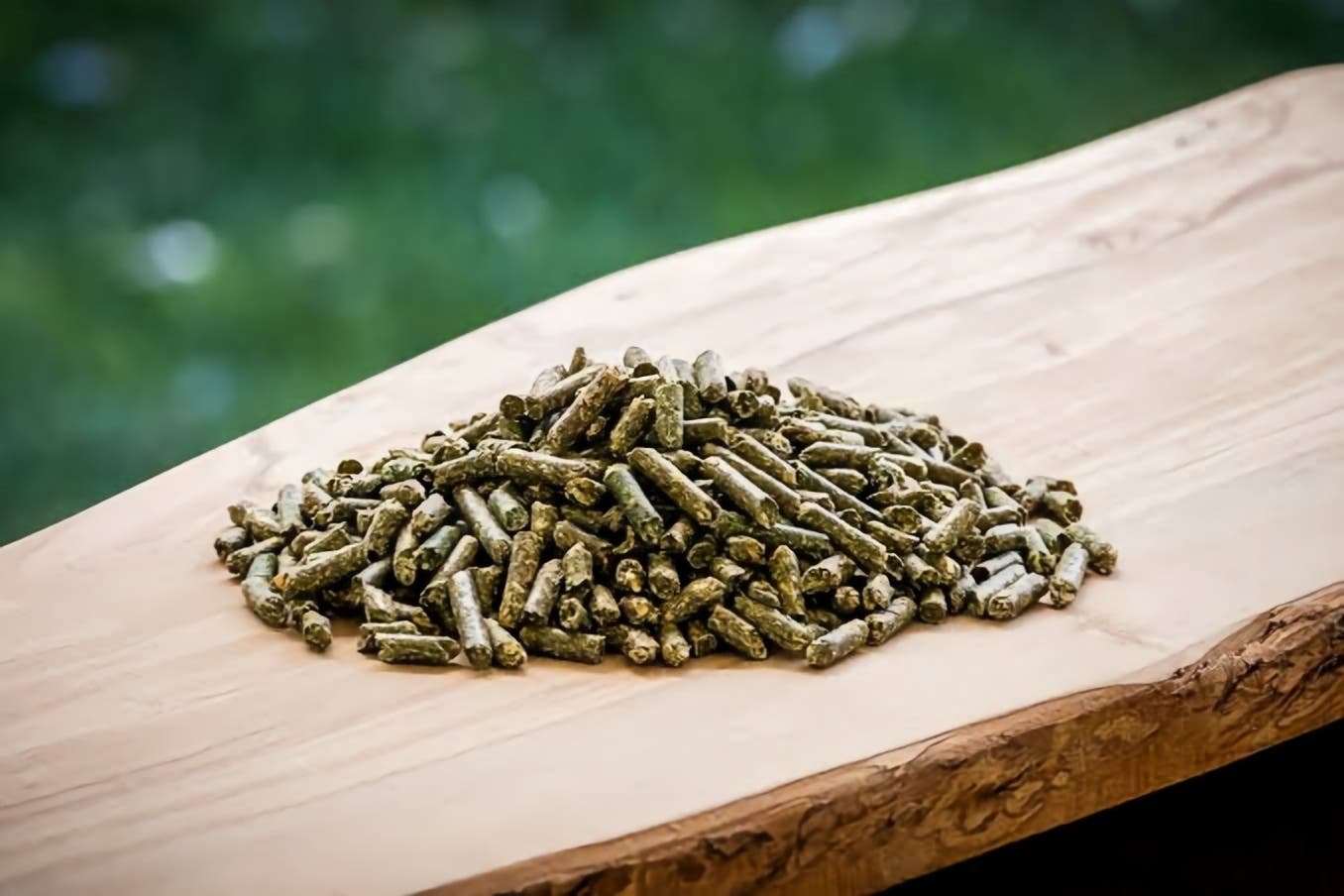
After preparation, the material enters the high-performance wood pellet mill. Under high pressure and temperature, the natural lignin in the wood softens and acts as a binder, allowing pellets to form without chemical additives. The finished pellets are dense, uniform, and easy to transport and store.

Many investors pay close attention to the wood pellet production line price when planning a biomass fuel project. The total investment depends on several factors, including production capacity, automation level, raw material type, and equipment configuration. Small-scale lines require lower investment and are suitable for local fuel markets, while industrial-scale production lines are designed for export-oriented or commercial energy projects.

Modern biomass pellet plants also emphasize energy efficiency and environmental sustainability. Compared with coal, wood pellets produce lower carbon emissions and less ash during combustion. This makes biomass fuel an attractive alternative energy source in many countries promoting clean energy policies.

As renewable energy demand continues to grow, wood shavings pellet fuel production offers strong market potential. With stable raw material supply, efficient equipment, and proper production management, biomass pellet manufacturing can become a highly profitable and sustainable business.

More Classifieds

Post a classifiedPost