Wood sawdust is one of the most widely available biomass resources in the forestry and wood processing industries. Every year, sawmills, furniture factories, and woodworking workshops generate large quantities of sawdust as a by-product. Traditionally, much of this material was discarded, burned, or left to decompose. Today, however, wood sawdust has become a valuable raw material for biomass fuel production, thanks to advances in pelletizing technology.
pelletisingmachine.com/wood-pellet-production-line/
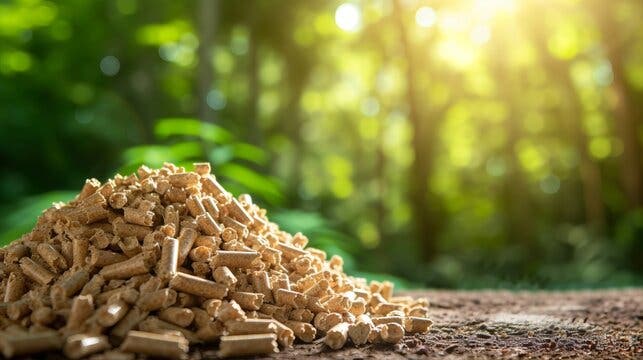
The growing demand for renewable energy has driven the expansion of the wood pellet industry worldwide. Wood pellets are dense, uniform biofuels produced by compressing sawdust and other wood residues under high pressure. They are widely used in residential heating systems, industrial boilers, and biomass power plants as a sustainable alternative to coal and other fossil fuels.
The production process begins with the collection and preparation of raw materials. Fresh sawdust often contains varying levels of moisture, which can affect pellet quality. Therefore, the material is first screened to remove impurities and then dried to an optimal moisture content, usually between 10% and 15%. Proper moisture control is essential for producing strong and durable pellets.
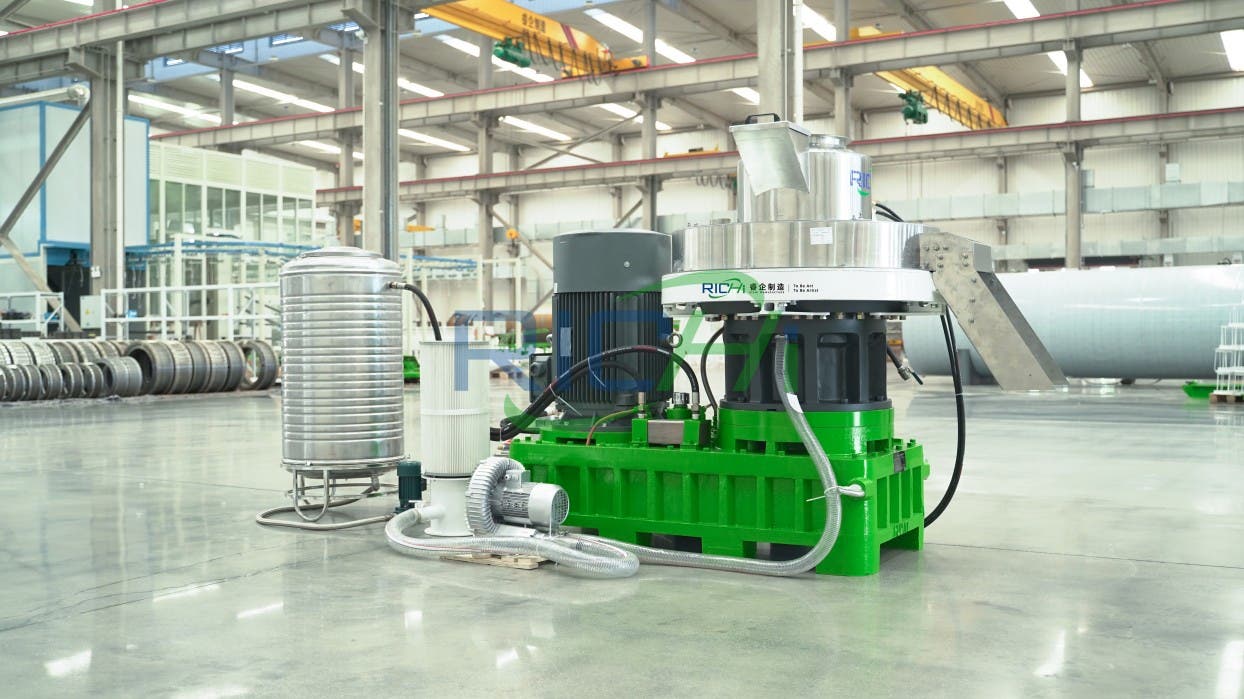
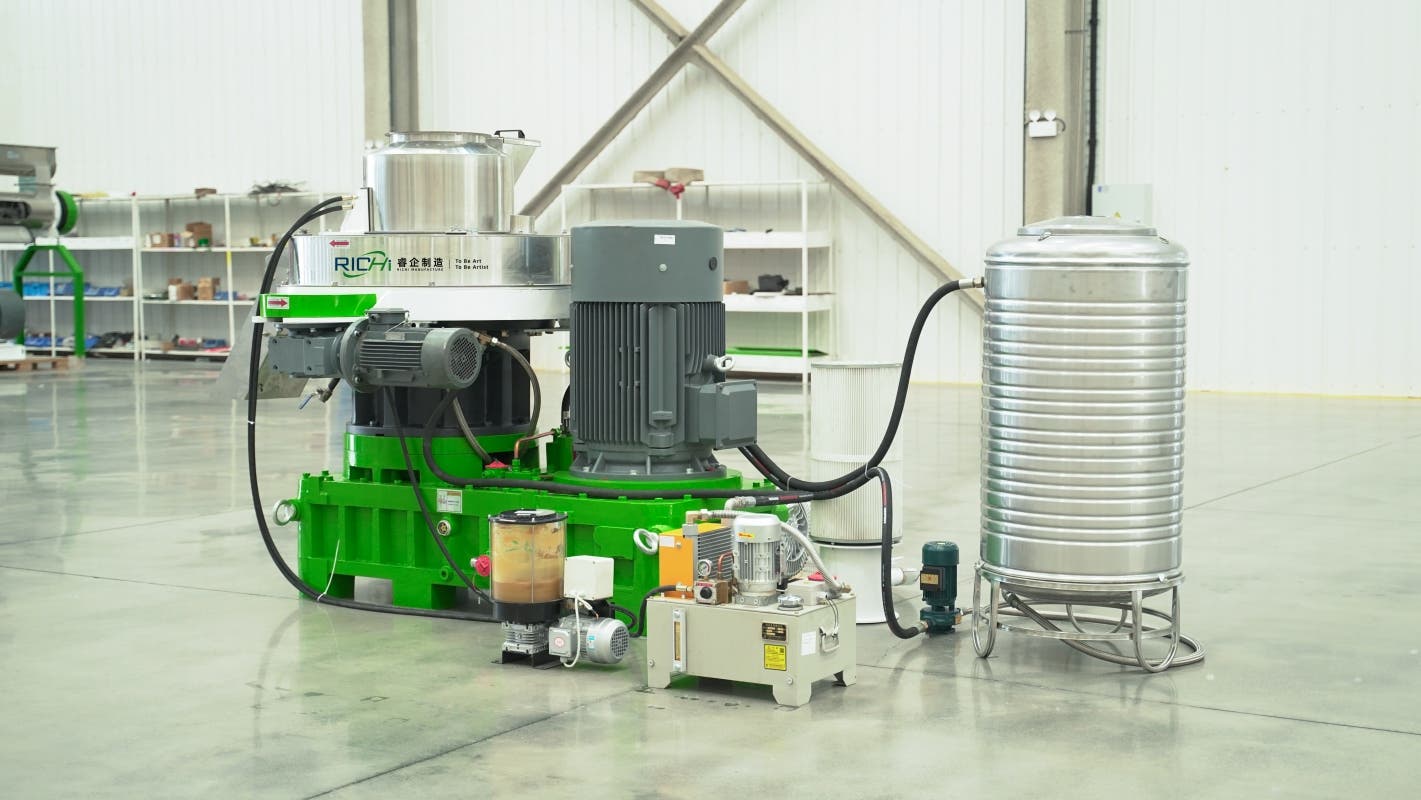
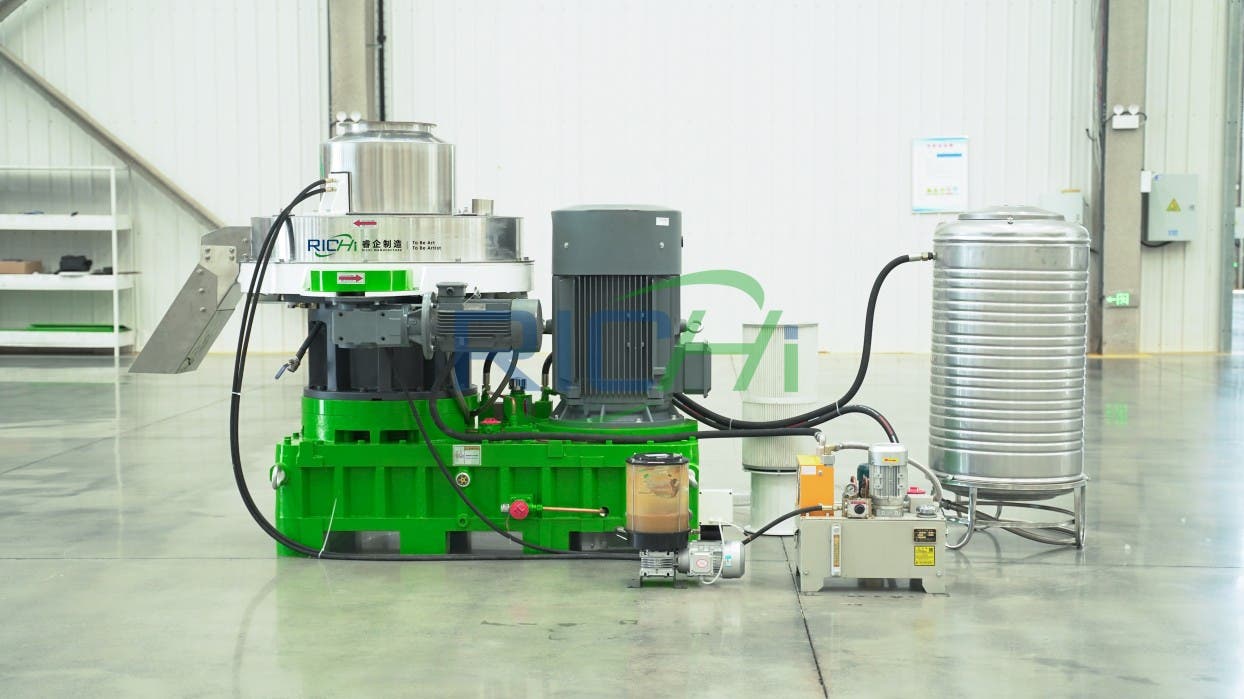
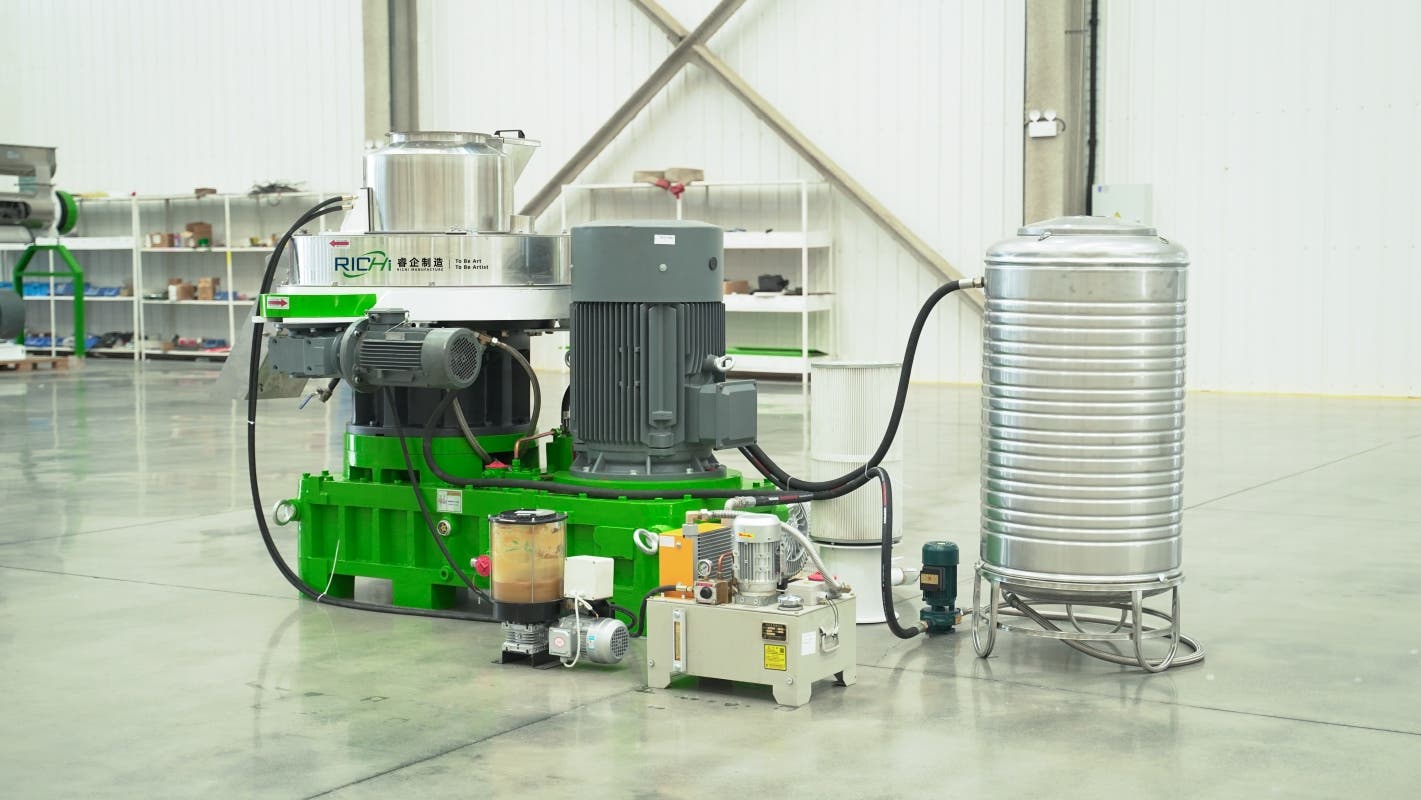
After drying, the sawdust is fed into a pellet mill where it is compressed through a die using high pressure. During this process, the natural lignin in the wood softens due to frictional heat and acts as a binder. As a result, the sawdust particles are fused together into compact cylindrical pellets without the need for chemical additives.
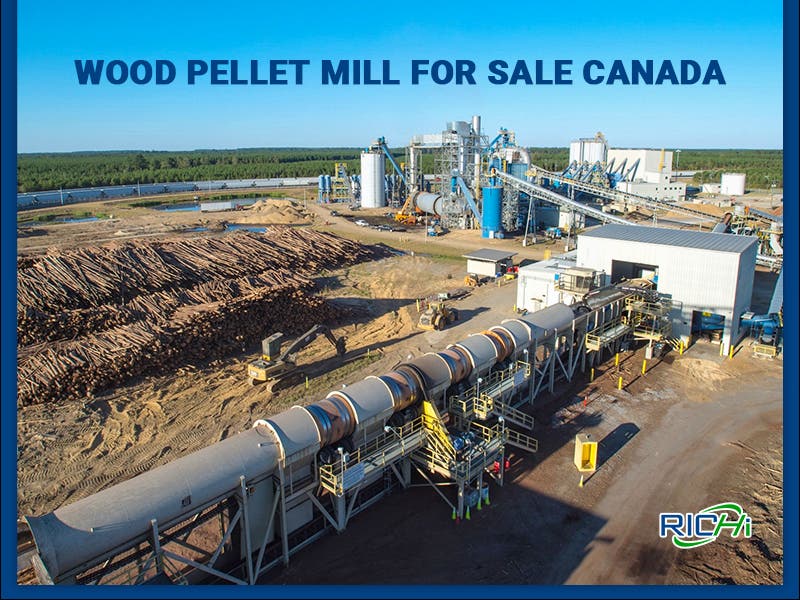
A modern wood pellet manufacturing plant integrates several pieces of equipment into a complete production line. Typical components include raw material handling systems, dryers, pellet mills, coolers, screening machines, and packaging equipment. This integrated approach ensures continuous production and consistent pellet quality.
Once the pellets are formed, they are cooled to improve hardness and stability. Cooling reduces the pellet temperature and prevents deformation during storage and transportation. The pellets are then screened to remove fines and broken particles before being packaged for sale.
One of the major advantages of wood pellets is their high energy density. Compared with loose sawdust, pellets are easier to transport, require less storage space, and provide more efficient combustion. They also produce lower emissions than traditional fossil fuels, making them an environmentally friendly energy solution.
As governments and industries continue to pursue carbon reduction goals, investment in biomass fuel production is expected to increase. A well-designed wood pellet plant can transform low-value wood waste into a profitable renewable energy product while supporting sustainable forestry practices and reducing environmental impact.
With abundant raw material resources and growing demand for clean energy, wood sawdust pellet production remains one of the most promising sectors in the global biomass industry.