Albany, NY|Local Classified|For Sale|
The Future of Forage Pellet Manufacturing in Global Agriculture

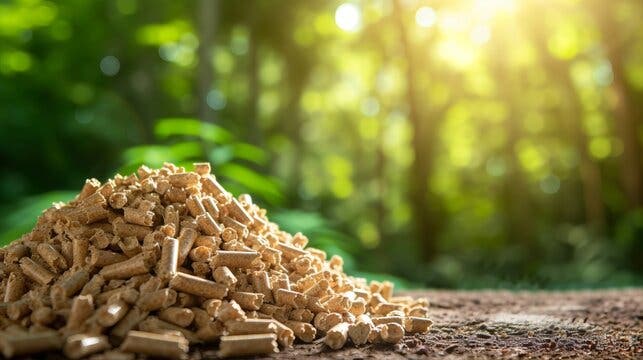
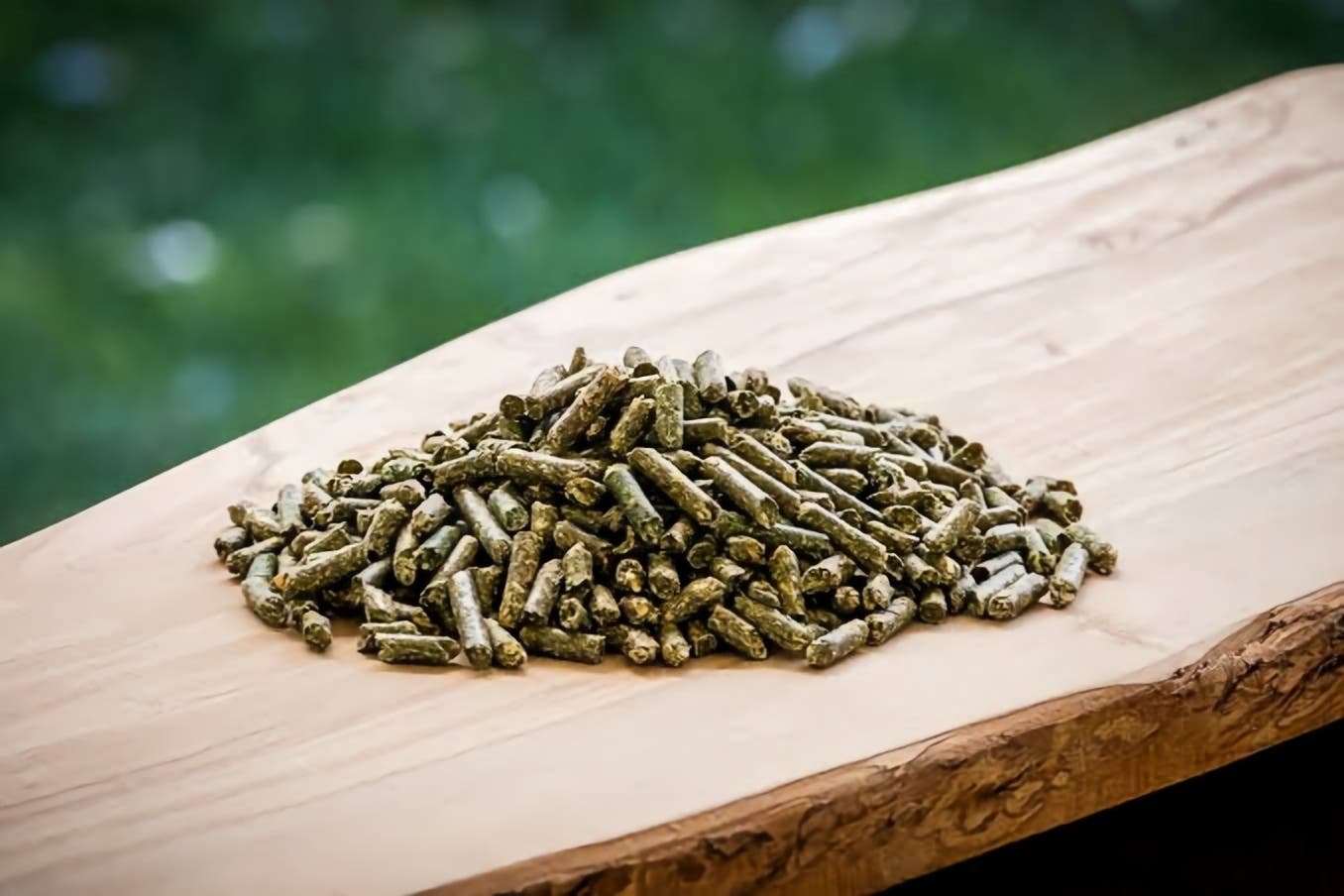
The global demand for efficient livestock feed continues increasing as commercial farming operations expand worldwide. Forage pellets are becoming increasingly popular because they provide convenient storage, balanced nutrition, and improved feeding efficiency.
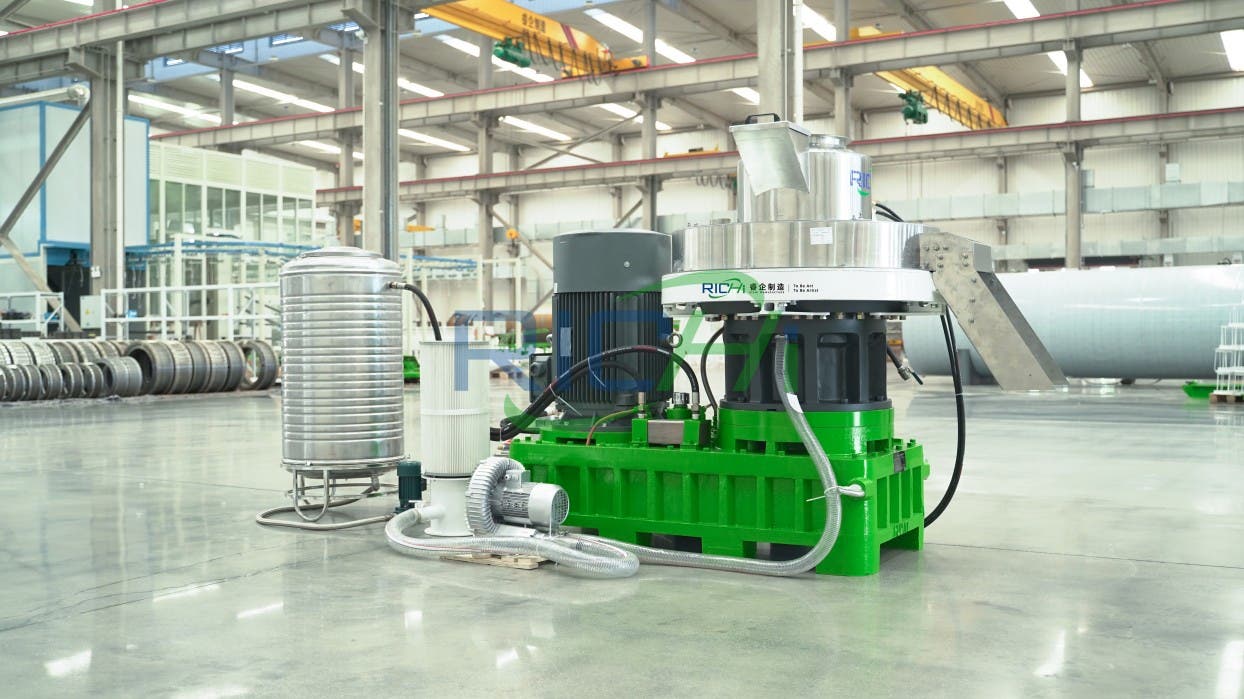
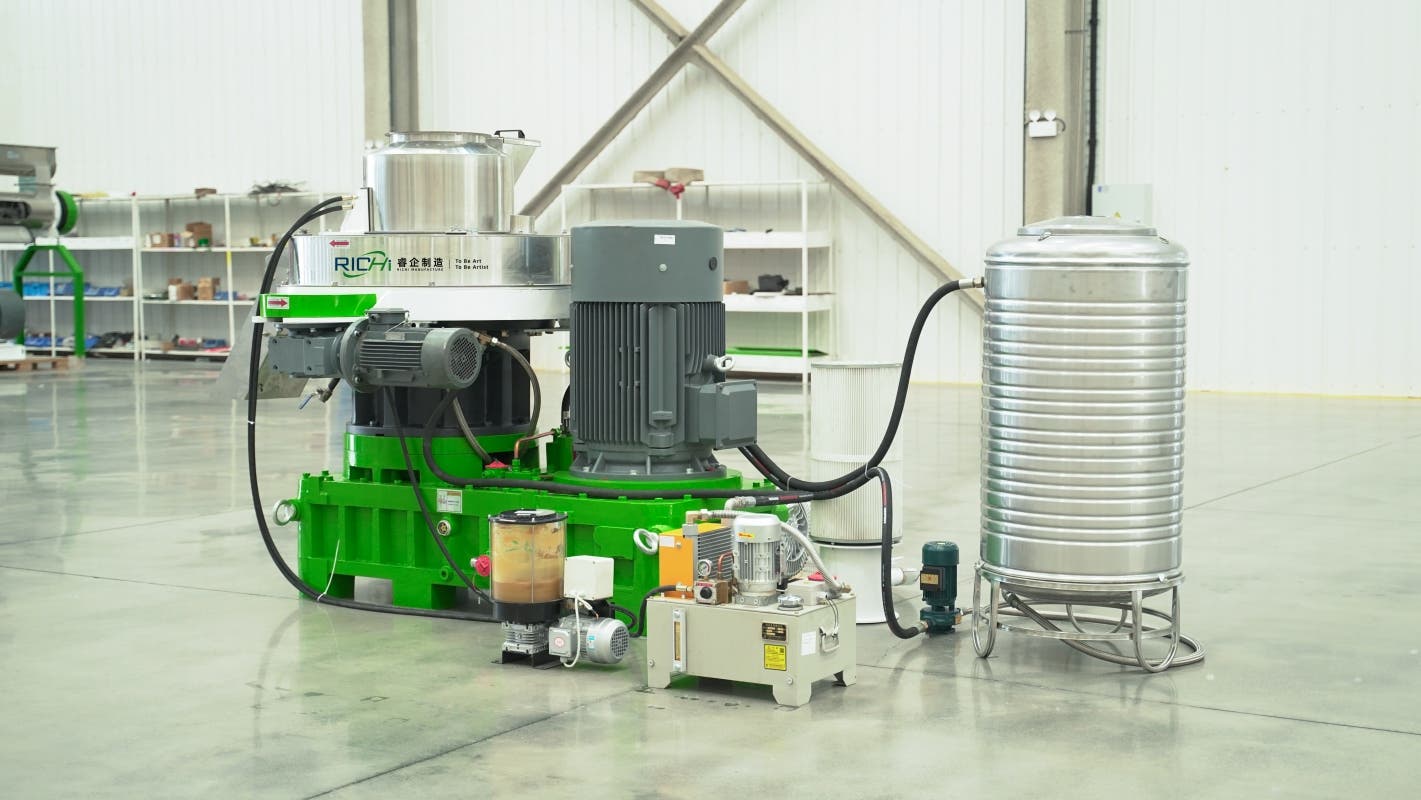
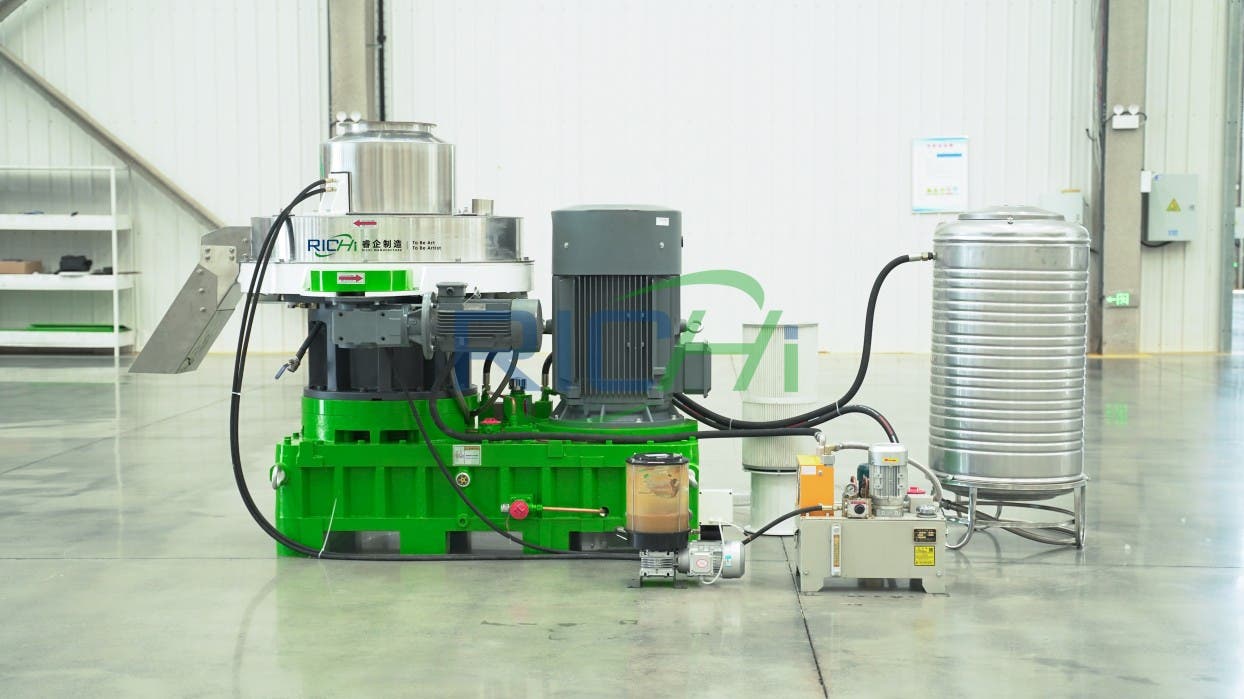
One of the key machines driving this industry is the alfalfa pelleting machine, which converts dried forage into compact pellets suitable for animal feed.
pelletisingmachine.com/alfalfa-pellet-mill-for-sale/
Alfalfa is widely used because it contains high levels of protein, fiber, and essential nutrients. Pelletizing improves forage handling and reduces feed waste significantly.
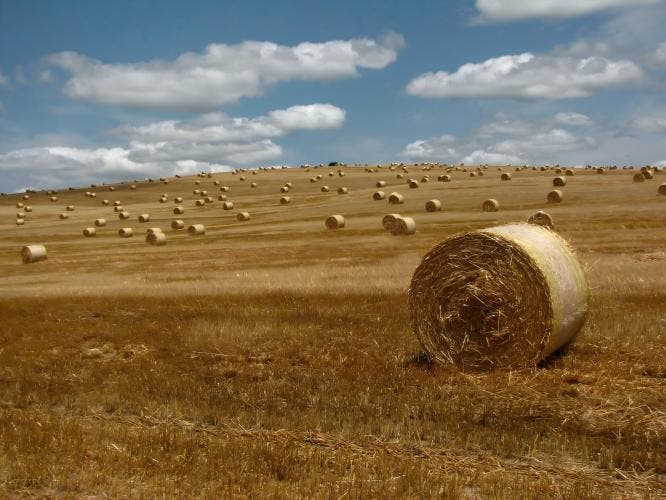
The production process begins with harvesting and drying the forage to proper moisture levels. The material is then ground into smaller particles before pelletizing.
Inside the alfalfa pelleting machine, rollers compress the material through dies under high pressure. Natural lignin in the plant fibers helps bind the pellets together.
After pelletizing, cooling systems reduce pellet temperature and improve structural stability. Pellets are then screened and packaged for distribution.
Pelletized forage is widely used in dairy farming, horse feeding, sheep production, and rabbit farming.
Automation technology has improved pellet production efficiency in recent years. Modern systems monitor production conditions and maintain stable pellet quality.(important site)
Routine maintenance is essential for reliable machine performance. Proper inspection and lubrication help reduce downtime and improve equipment lifespan.
Environmental sustainability is another advantage of forage pellet production because pelletizing improves agricultural resource utilization and reduces waste.
As livestock production continues growing globally, the alfalfa pellet machine will remain an important technology supporting modern agriculture and efficient forage management.