This post was contributed by a community member. The views expressed here are the author's own.

|Local Classified|For Sale|

Straw Biomass Energy and the Role of Modern Pelletization Technology

Straw Biomass Energy and the Role of Modern Pelletization Technology

As global energy demand continues to rise, countries around the world are actively searching for cleaner and more sustainable alternatives to fossil fuels. Among the many renewable energy solutions available, biomass fuel produced from agricultural residues has become one of the most practical and widely adopted options. Straw, in particular, is a major raw material for biomass pellet production due to its abundance, renewability, and low cost.

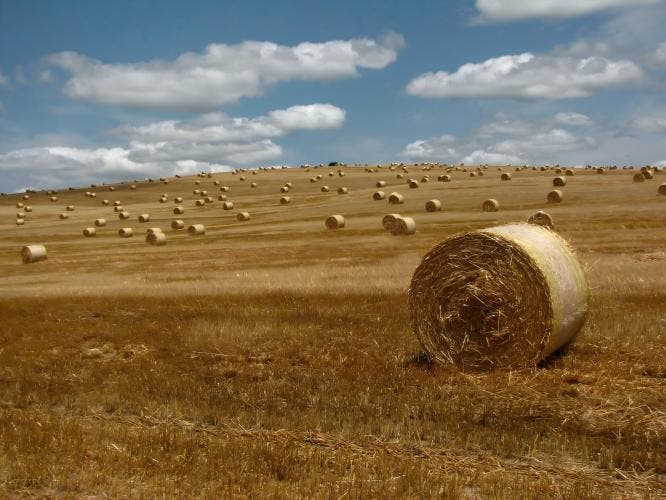
Every year, large quantities of wheat straw, rice straw, and corn stalks are generated after crop harvesting. In many agricultural regions, this biomass is still burned in open fields, which leads to serious air pollution and wasted energy resources. To address this issue, modern biomass processing technology converts straw into high-density fuel pellets that can be used for heating and power generation.

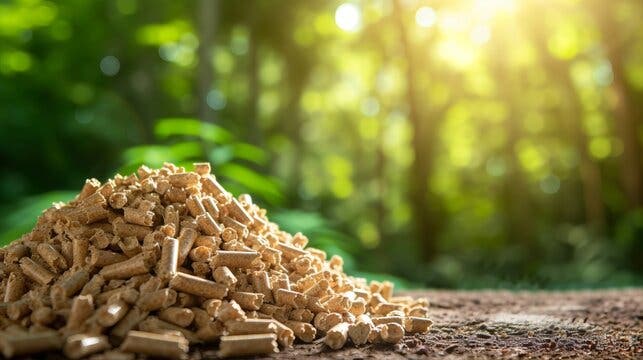
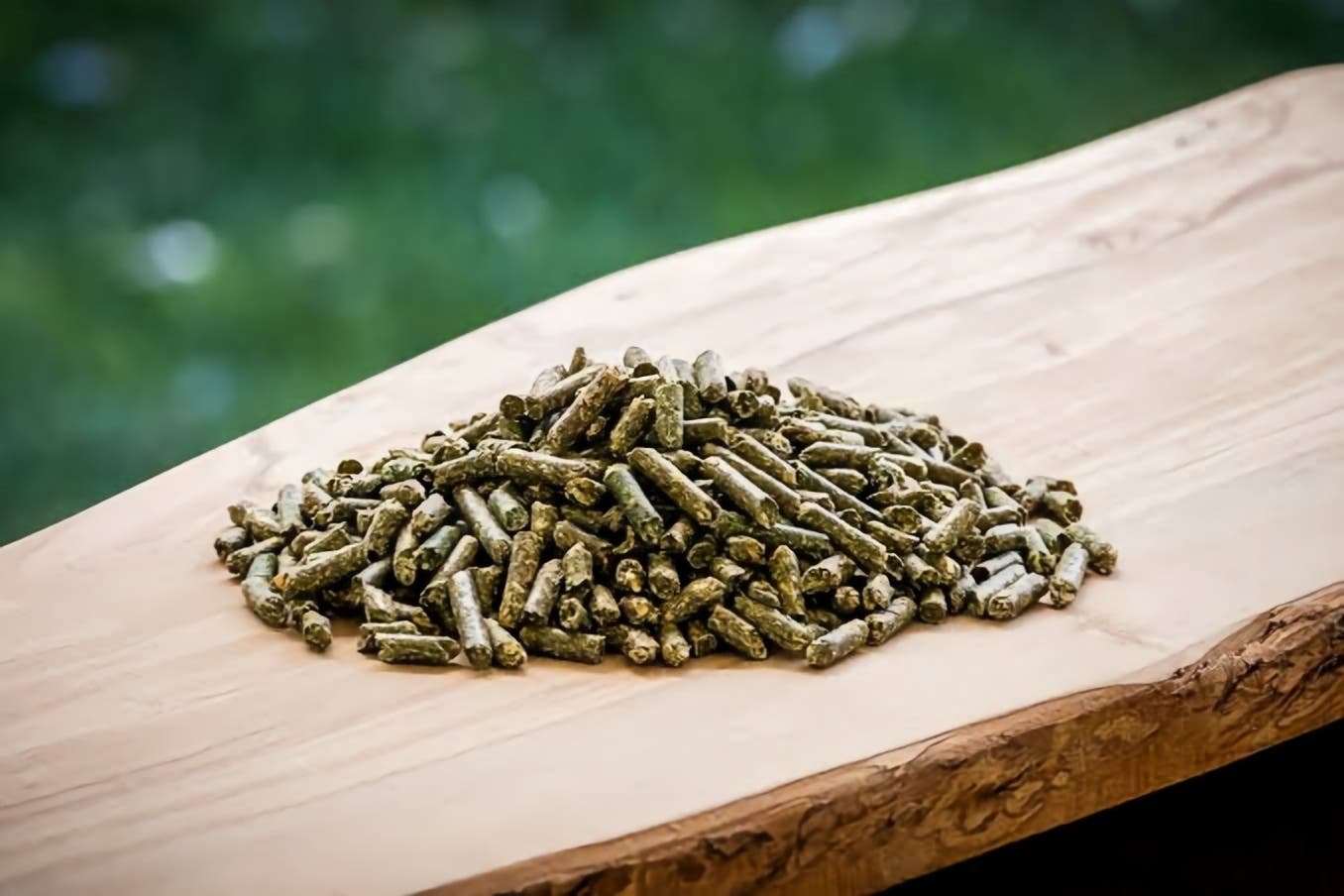
Straw pellets offer several important advantages over raw agricultural residues. They have higher energy density, lower moisture content, and more stable combustion performance. These characteristics make them suitable for industrial boilers, residential heating systems, and biomass power plants.

The production process begins with collecting and cleaning raw straw materials. Impurities such as stones, dust, and metal fragments must be removed to ensure smooth processing. After cleaning, the straw is dried to reduce moisture content, which is essential for efficient pellet formation and combustion quality.

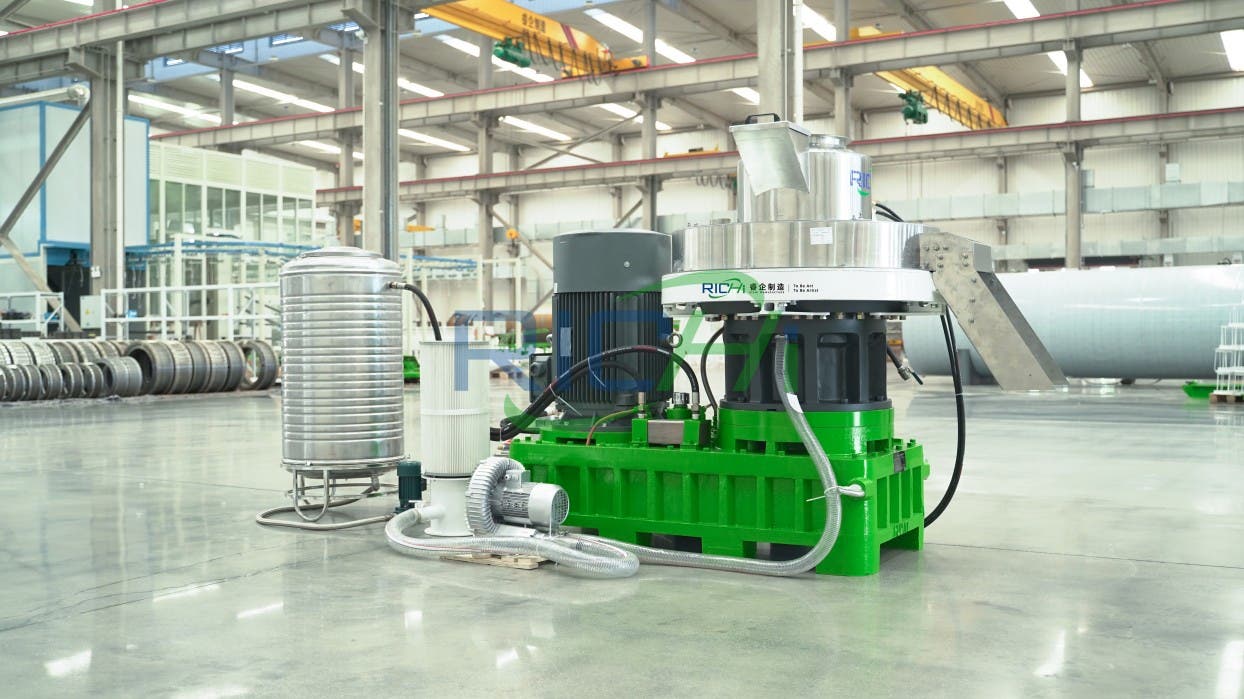
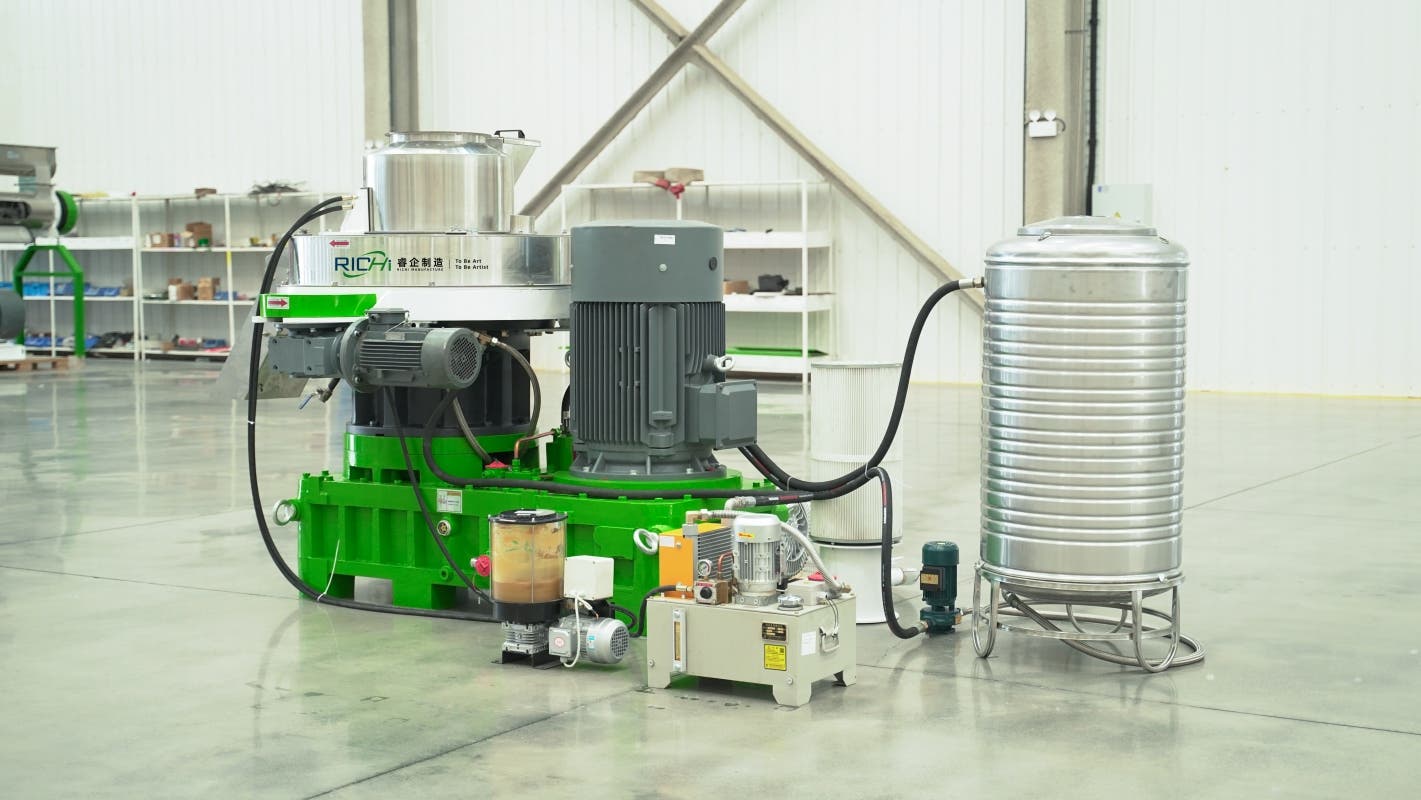
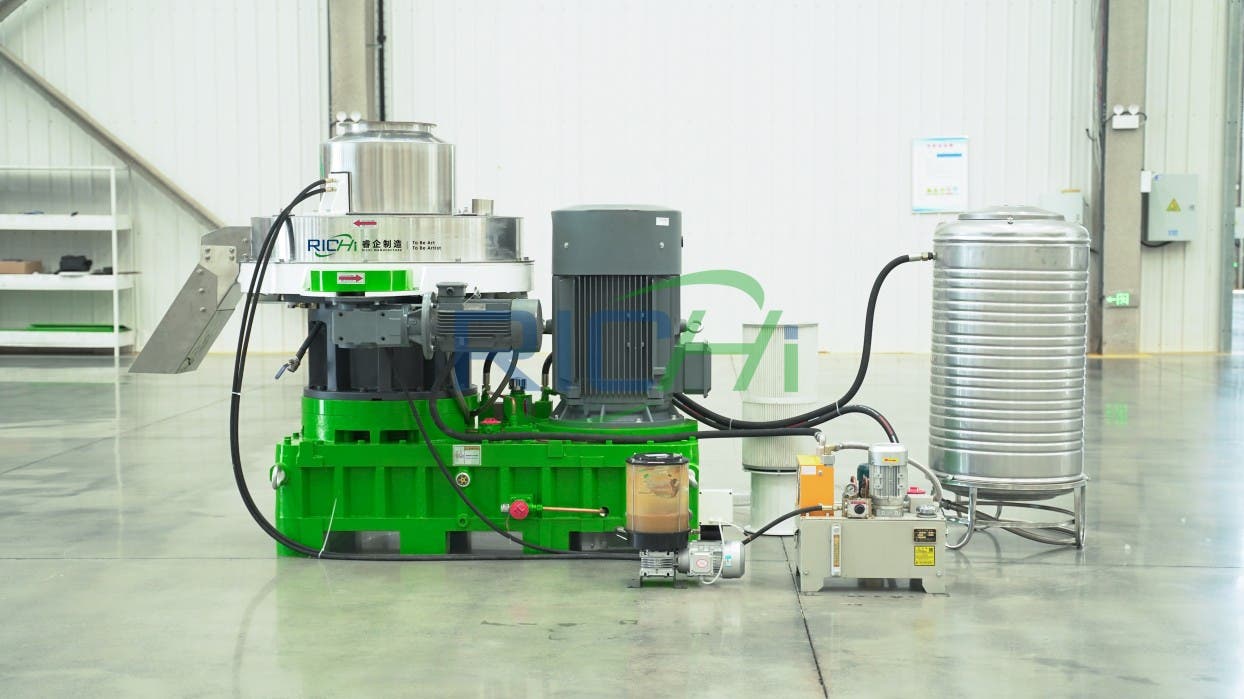
Next, the dried material is crushed into fine particles to ensure uniform size. This improves compression efficiency and helps produce consistent pellet quality. The prepared material is then fed into a straw pellets machine, which is the core equipment in biomass pellet production.

Inside the machine, high pressure and mechanical force compress the straw particles through a die. The heat generated during this process activates natural lignin in the plant fibers, which acts as a binder without the need for chemical additives. This results in strong, dense, and durable pellets.

pelletisingmachine.com/straw-pellet-mill/

After pellet formation, cooling and screening processes are used to improve product stability and remove any broken particles. The finished pellets are then packaged for storage or transportation.

Overall, the straw pellet maker machine plays a vital role in transforming agricultural waste into valuable renewable energy. As global efforts toward carbon reduction continue, straw biomass pellets will remain an important part of the sustainable energy future. 

More Classifieds

Post a classifiedPost