Albany, NY|Local Classified|For Sale|
Small-Scale Wood Pellet Business Opportunities

The growing demand for renewable energy has created new business opportunities in the biomass fuel industry. Among various renewable fuels, wood pellets have become highly popular because they provide clean combustion, stable energy output, and convenient transportation. Small and medium-sized investors are increasingly interested in building a wood pellet factory to convert wood waste into profitable biomass fuel products.
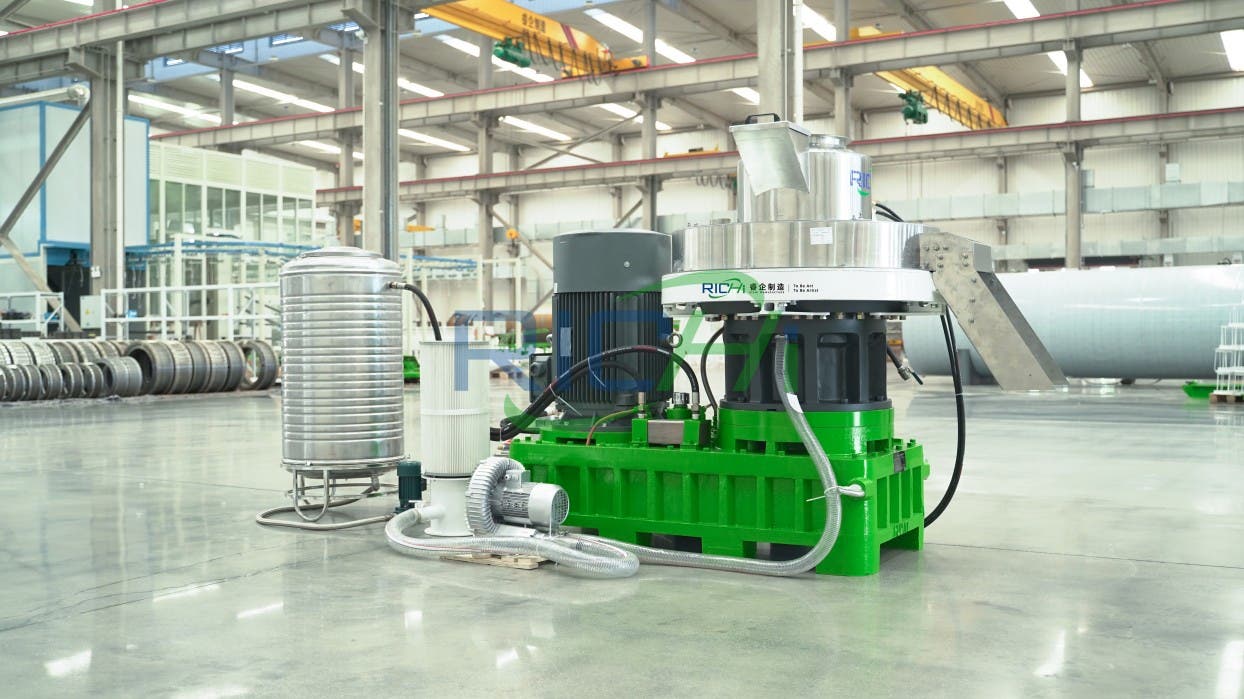
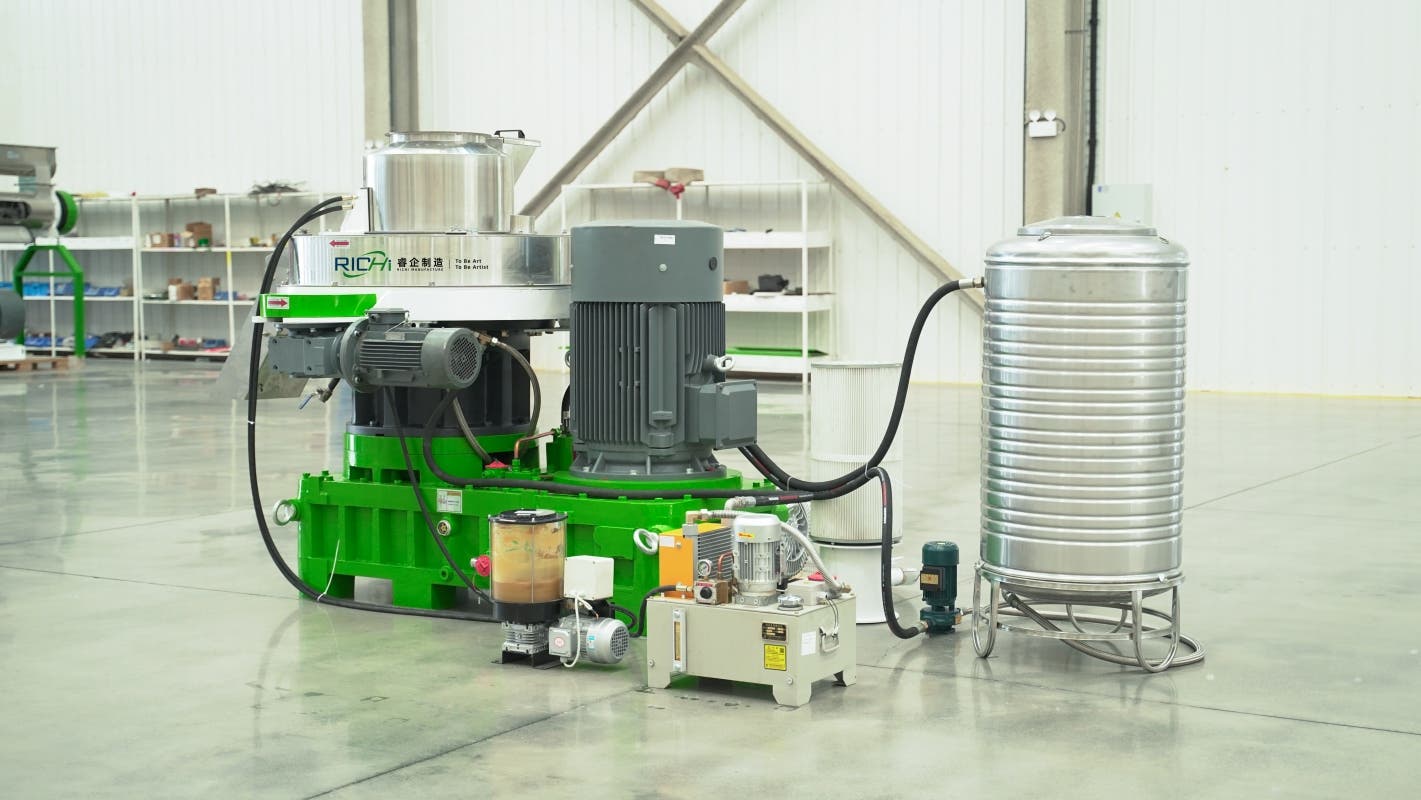
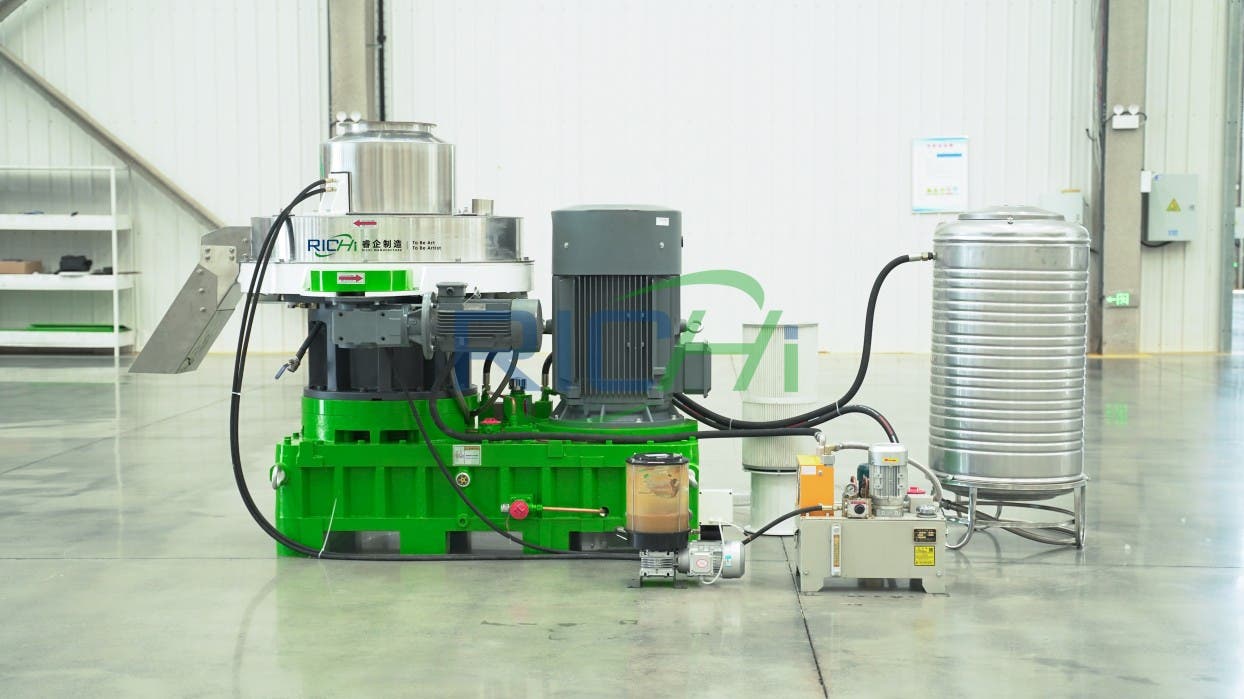
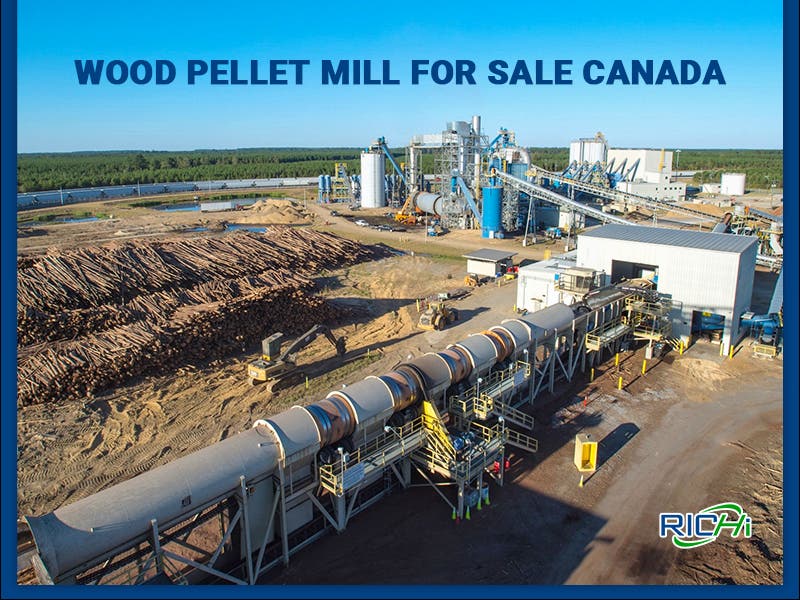
A modern wood pellet production line can process materials such as sawdust, wood chips, wood shavings, and forestry residues into dense fuel pellets. These raw materials are widely available from sawmills, furniture factories, and woodworking industries, making biomass fuel production both sustainable and cost-effective.
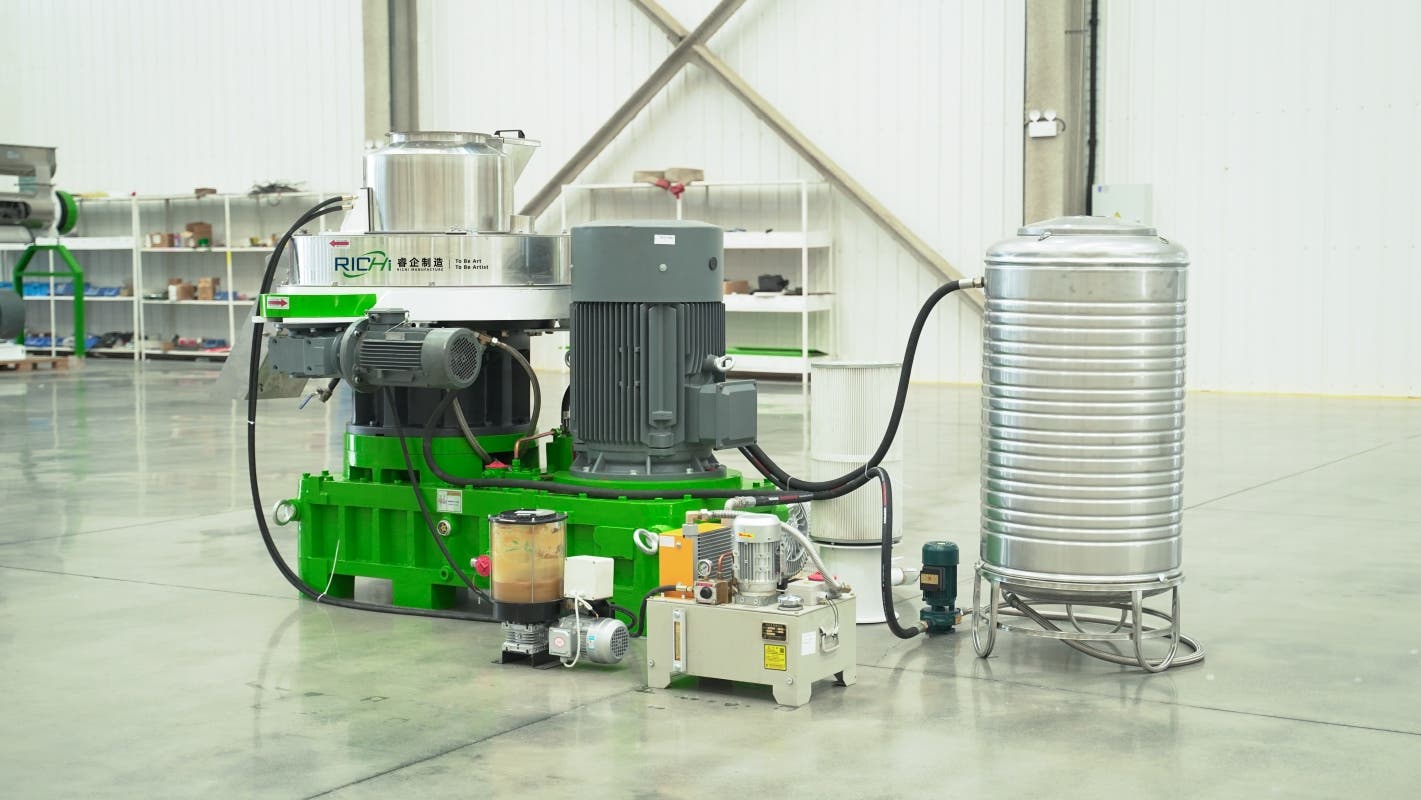
The production process typically includes crushing, drying, pelletizing, cooling, screening, and packaging. The most important stage is pelletizing, where biomass materials are compressed under high pressure. During this process, natural lignin inside the wood softens and binds particles together without chemical additives.
pelletisingmachine.com/wood-pellet-production-line/
Many investors focus on the wood pellet production line price before starting a project. Equipment costs vary depending on capacity, automation level, and machine configuration. Small-scale systems are suitable for local heating markets, while larger systems can support industrial fuel supply and export businesses.
A complete wood pellet production line offers several advantages:
- Continuous production efficiency
- Stable pellet quality
- Lower labor costs
- Improved energy utilization
Modern factories also use automation systems to monitor temperature, moisture, and production pressure in real time. This improves operational stability and reduces maintenance requirements.
Wood pellets produced by a wood pellet line are widely used in industrial boilers, biomass power plants, commercial heating systems, and residential heating equipment. Compared with coal, wood pellets produce lower carbon emissions and support environmentally friendly energy development.
As renewable energy policies continue expanding worldwide, investment in biomass fuel production is expected to increase further. A well-designed wood pellet factory can provide long-term profitability while supporting sustainable energy goals and efficient wood waste utilization.