Weather
Virginia Weather: Road Conditions, New Forecast, Airport Updates, Power Outages
The late winter storm brought a mix of snow and sleet to Virginia. Hundreds of crashes, National Guard called out, and more.


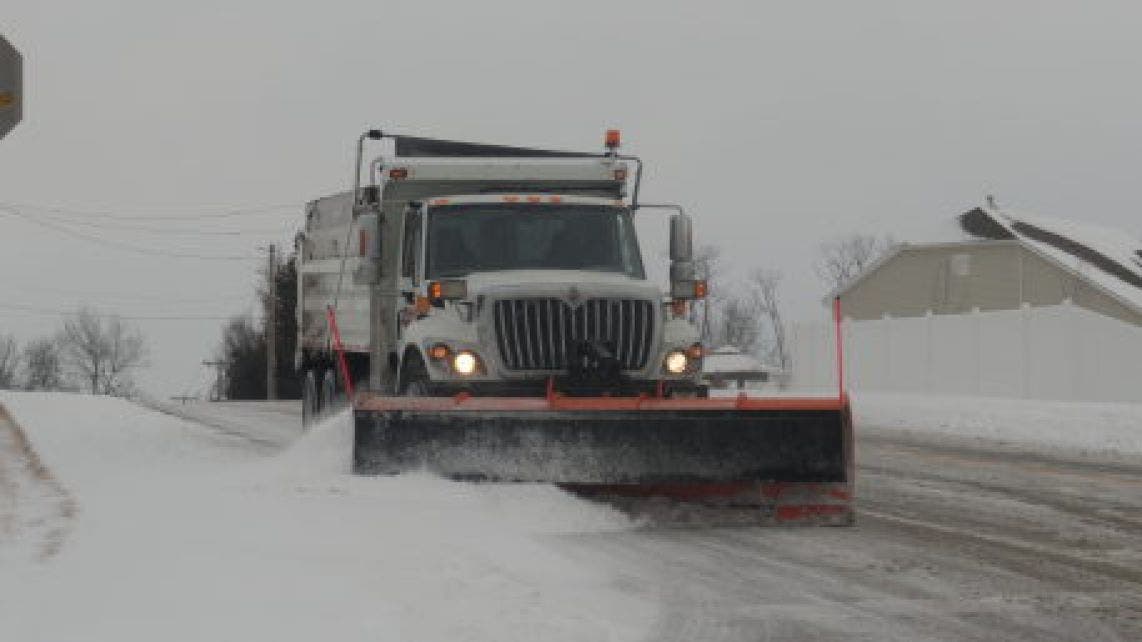
With some parts of Virginia receiving about 10 inches of snow — although the D.C. metro area seems likely to top out closer to 4 inches of snow — Gov. Terry McAuliffe continues to urge residents to stay off the roads Tuesday so crews can clear highways. (For more storm updates, subscribe to a Virginia Patch News Alert and Newsletter.)
Overnight, a mix of snow, sleet and ice moved through the region, leaving snow and sleet especially in northern and northwestern Virginia. McAuliffe's office says that Virginia State Police had responded to more than 150 traffic crashes and disabled vehicles statewide by 9 a.m. Tuesday. Drivers should slow down and increase following distance between vehicles to allow more time to react to changing road conditions.
Weather Forecast:
Find out what's happening in Kingstowne-Rose Hillfor free with the latest updates from Patch.
Washington, D.C., along with parts of Loudoun County, are under a hazardous weather outlook until 2 p.m. Wednesday. The advisory says wind gusts around 45 to 50 mph are possible Wednesday, especially in northern Virginia.
The National Weather Service forecasts that snow will wind down Tuesday afternoon, with a high near 35. Expect a northwest wind around 18 mph, with gusts as high as 26 mph. On Tuesday night, snow showers should end by 11 p.m. Mostly cloudy skies with a low around 20. Blustery, with a northwest wind 15 to 20 mph, with gusts as high as 25 mph.
Find out what's happening in Kingstowne-Rose Hillfor free with the latest updates from Patch.
And on Wednesday, there is a 20 percent chance of snow showers after 8 a.m. It will be a cloudy day with a high near 29. Blustery, with a northwest wind 15 to 25 mph, with gusts as high as 38 mph.
Airport Status:
Reagan National Airport is open Tuesday, and airlines are resuming flight operations. Check with your airline to confirm flight status and to rebook affected flights. Keep in mind this storm is affecting airports in the Northeast, including Philadelphia, New York and Boston and may affect your flight plans even if you are traveling to destinations that are not in the path of the storm.
At Dulles Airport, officials say the mixture of snow, sleet and freezing rain tapered off before noon, dropping a few inches of densely packed snow on the ground. Airfield snow teams worked throughout the storm to keep at least one runway available for aircraft. Only a few flights departed and arrived in the morning, but Dulles is ready for the increase of domestic and international flights expected as airlines work their way back to a normal operating schedule, officials said. Passengers should double check the status of their flight and rebook canceled flights directly with their airline.
Expect several cancellations to persist until normal operations resume at other airports throughout the northeastern U.S.
Snow has dissapated and airfield operations at #FlyDulles are normalizing in time for the afternoon arrivals bank. https://t.co/Q4BbwFiHys pic.twitter.com/MRLF9Xao8Y
— Dulles Airport (IAD) (@Dulles_Airport) March 14, 2017
Power outages:
Here are some need-to-know tips and resources in case the power goes out in the storm.
Dominion Power:
- Report a power outage and check the status on an outage.
- Or call 866-366-4357.
- Northern Virginia outage map.
- Outage safety and preparations.
- Outage FAQ.
NOVEC:
- Report power outages.
- Or call 703-335-0500, 888-335-0500.
- Northern Virginia outage map.
Preparation Tips from Dominion Virginia Power and Ready.gov:
- Make a habit of keeping mobile phones and other portable devices charged.
- Keep stock of matches, candles, flashlights and batteries nearby.
- Bookmark our Website (www.dom.com) on your mobile devices so you can easily report and check the status of outages.
- Keep extra water and non-perishable foods on hand.
- If you have access to an OUTSIDE generator, have an electric cord long enough to keep the generator at least 20 feet from any door, window, or vent.
- Make specific plans for how you will avoid driving.
When the power goes out:
- Close off unused rooms to consolidate and retain heat.
- Wear layered clothing and use blankets or sleeping bags to stay warm.
- NEVER use generators, outdoor heating or cooking equipment, such as a grill, camp stove, or a gasoline or propane heater, indoors.
Virginia Department of Transportation crews continue to clear and treat roadways. While some areas of the state only had rain or trace amounts of snow, drivers should use caution, especially on bridges and overpasses, since temperatures in much of the state hover around the freezing mark and black ice can form quickly. Dropping temperatures overnight could cause re-freeze on roads that have been plowed or treated throughout the day.
Monitor online neighborhood tracking maps to check on the status of snow plowing in the Northern Virginia area at http://novasnowplowing.virginia.gov.
Nearly 200 Virginia National Guard members are staged at readiness centers across Northern Virginia to support requests for help, such as using Humvees and light/medium tactical trucks to provide transportation for first responders through deep snow, help evacuate people in need of shelter or wield chainsaws to cut up downed trees blocking roads.
McAuliffe declared a state of emergency Monday afternoon so state agencies could position resources for quick response anywhere they are needed in Virginia.
“Virginians throughout much of the Commonwealth woke up this morning to slick and wet roads, while Northern Virginia and northwestern Virginia have seen snow accumulations of up to 10 inches in some places,” said McAuliffe. “We appreciate motorists who have heeded warnings to stay off of roadways, telework, and to give VDOT crews extra time to clear roadways this morning. Schools in Northern Virginia are closed today to keep students safe. And state resources are coordinating with Dominion Virginia Power and other utilities to restore power to more than 30,000 customers without power due to the storm.”
What Residents Should Do:
- Stay off the roads during the storm unless travel is absolutely necessary. If travel is necessary, drive with caution and allow extra space around other vehicles.
- Use extreme caution around slow-moving equipment being used to treat roads, such as snow plows.
- If you have electric-dependent medical equipment, make sure all primary and backup batteries are fully charged. Make sure you have the medical supplies you will need for at least 72 hours.
- If you receive dialysis treatments or have other critical medical appointments during the week, make plans now for transportation or reschedule if possible.
- Make sure your vehicle is ready for winter and is in safe driving condition. Keep an emergency kit in your car. Include items such as jumper cables, blankets, first aid kit, water, non-perishable food, cat litter or sand, shovel, flash light and batteries, ice scraper and cell phone charger.
- Check on elderly or neighbors who are unable to leave their homes, family, and friends to ensure they are ready for this storm and any possible inconveniences or interruptions that may result.
- Bring pets inside from the cold.
- Be prepared to take care of yourself and your family for at least 72 hours, in case roads are blocked and/or there are power outages.
- Have a battery-powered or hand-cranked radio and extra batteries for emergency information. Listen to local weather forecasts and instructions from local officials.
- If you need help, information or resources during the storm, call 211. Those with hearing impairments can call 711 for the Virginia Relay Center and then call 1-800-230-6977. Out of state or videophone users may also dial 1-800-230-6977 for assistance.
- Download the free VDOT 511 app for updates on road conditions at: http://www.virginiadot.org/travel/511.asp.
For more information on the Commonwealth’s response efforts, visit http://www.vaemergency.gov.
»Patch file photo
Get more local news delivered straight to your inbox. Sign up for free Patch newsletters and alerts.