Politics & Government
Virginia Governor's Race: Candidate Views On Teacher Pay, Charter Schools
As the Virginia governor's race heats up, here's what the candidates have to say about education, including teacher pay and charter schools.


ALEXANDRIA, VA -- Issues like health care and immigration in the national spotlight have dominated the conversations in the Virginia governor's race. There's no question that these issues are important, but often others get drowned out in the process.
Education is something that should concern all Virginians, whether they be families with children or adults paying taxes. And the candidates have diverging views on teacher pay, school choice, college tuition and other education policies.
Sign up for real time alerts and a newsletter. iPhone users can download the Patch app in the App Store.
Find out what's happening in Kingstowne-Rose Hillfor free with the latest updates from Patch.
Overall Virginia's schools perform well compared to other states, but inequality among districts is something the state continues to tackle. Districts in Richmond and Norfolk have consistently not performed well, and many of their students are minority or disadvantaged. And on the higher education side, Virginia was ranked first this year, although there are ongoing issues to address like rising tuition and workforce development.
A good sign is that some candidates have been talking a lot about education, from teacher's pay to school choice. Here's what the candidates have to say about a number of educational topics.
Find out what's happening in Kingstowne-Rose Hillfor free with the latest updates from Patch.
The two Democratic candidates believe increasing teacher's pay is the first step in reducing inequality among public schools. Democratic candidates Tom Perriello and Ralph Northam have used Teachers Appreciation Week (May 8-12) as a platform to speak about teacher pay. The two have promised to work with both parties to increase teacher's pay.
Studies on teachers pay have produced mixed results. Virginia's average teacher salary is $63,493, 10th in the nation, according to a recent GoBankingRates.com study. But a National Education Association report ranked Virginia as the 32nd state for teacher pay. The report says Virginia teachers make $7,900 less than the national average.
Northam, the current lieutenant governor running for the Democratic nomination, said in a Facebook post, "Not only are Virginia's teachers underpaid, but too often they're left out of the policymaking process. Teachers should be paid—both financially and with the respect they deserve. That means asking for their input on policy decisions and providing opportunities for regular professional development."
Perriello, a former Congressman echoes this point, saying, "Quality teachers are the bedrock of our public education system -- but Virginia is taking ours for granted. For Virginia to attract and retain the best educators, we must treat and *pay* them like the valuable professionals they are."
Ed Gillespie, the Republican frontrunner and former RNC chair, has not commented on teacher pay but released several videos to mark Teacher Appreciation Week. However, his campaign website states he wants to "channel more money into the classroom."
School Choice
Gillespie and his Republican competitors Corey Stewart and Frank Wagner have focused more on expanding school choice, particularly charter schools. While the District of Columbia alone has 118 charter schools, Virginia has just nine.
At a May 9 Democratic debate near Richmond, Perriello and Northam voiced opposition to charter schools. Perriello plainly opposed while Northam said public schools should be properly funded before any charter school expansion.
Gov. Terry McAuliffe has vetoed bills that would aid in the creation of more charter schools, most recently in March. Gillespie responded in saying he would sign the bill and has taken jabs at his Democratic opponents for their opposition. Wagner, a state senator, voted for the bills that McAuliffe vetoed.
Stewart, chair of the Prince William Board of Supervisors, has voiced support for various forms of school choice, including including private school vouchers. "Corey strongly believes parents need to be in charge of their education and will work to give them as many choices as possible including vouchers - that create competition that is good for all schools," states his campaign website.
Higher Education
Both Democratic candidates proposed free community college, the Richmond Times-Dispatch reported at the May 9 debate. Northam has pitched free community college paid back with community service. The estimated cost is $37 million.
Perriello has taken a more progressive approach, proposing two years of free community college or trade school, along with universal pre-K. The programs would cost $1 billion, which Perriello says will be paid by raising taxes on the wealthy and corporations and cutting spending.
Wagner has not gone as far as proposing free tuition, but has called for additional state funding to freeze college tuition.
Gillespie's campaign site does not mention specifics on high education funding, although he states, "I will work with local educators, colleges and universities, and businesses to reform and better align our workforce development system with the demands of the marketplace of today and the future." Stewart has broadly said budget cuts in other areas would allow more money to flow toward education.
Republicans, do agree with their Democratic counterparts on expanding career and technical training programs.
Pre-K
Just the Democratic nominees have expressed support for eventual universal Pre-K. Northam has advocated for expanding Pre-K, but does not give specifics on how much. Perriello has called for universal Pre-K as part of a $1 billion investment in higher education and Pre-K. He said his proposal would expand access to 3-year-olds and families below 250 percent of the poverty line.
In 2007, the General Assembly estimated universal Pre-K would cost $115 million and $534 million in 2007 dollars, the Daily Press reported. The state spends about $70 million annually on Pre-K.
The primary election is June 13. Follow Patch in the coming weeks as we provide coverage on candidates' positions on more issues leading up to the primary.
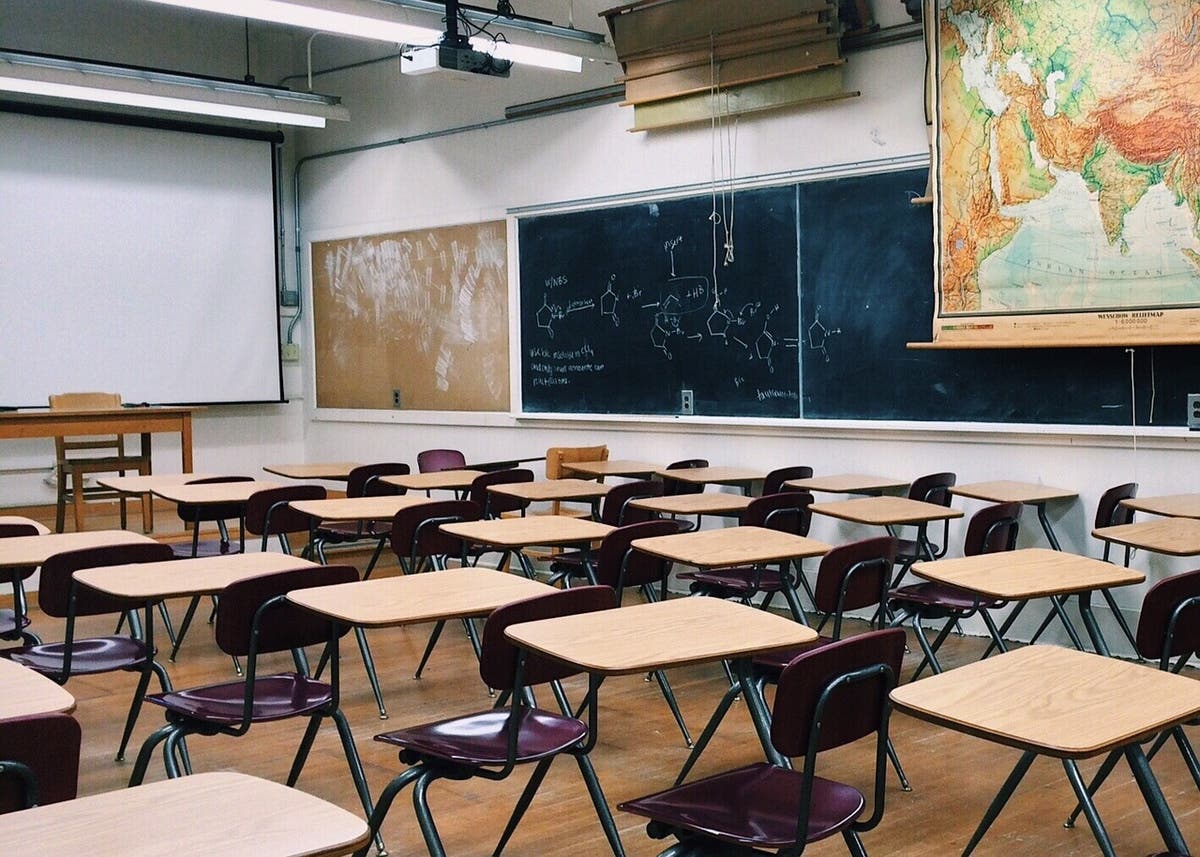
Image via Pixabay
Get more local news delivered straight to your inbox. Sign up for free Patch newsletters and alerts.