Aquaculture has become one of the fastest-growing food production industries in the world as demand for seafood continues to rise while natural fish stocks decline. To support this rapid expansion, high-quality fish feed production is essential because feed directly determines fish growth rate, health condition, and overall farming efficiency. Modern fish farming relies heavily on scientifically formulated feed that can meet the nutritional needs of different aquatic species at various growth stages.
Fish feed production typically involves selecting raw materials such as fish meal, soybean meal, corn flour, wheat bran, vitamins, minerals, and essential amino acids. These ingredients are carefully balanced to ensure proper protein content, energy levels, and digestibility. Nutritional balance is especially important in intensive aquaculture systems where fish depend entirely on artificial feed.
The production process begins with grinding raw materials into fine powder to ensure uniform particle size. This step improves mixing efficiency and helps guarantee consistent nutrient distribution in every pellet. After grinding, ingredients are thoroughly mixed using high-efficiency blending machines to achieve a homogeneous feed formulation.
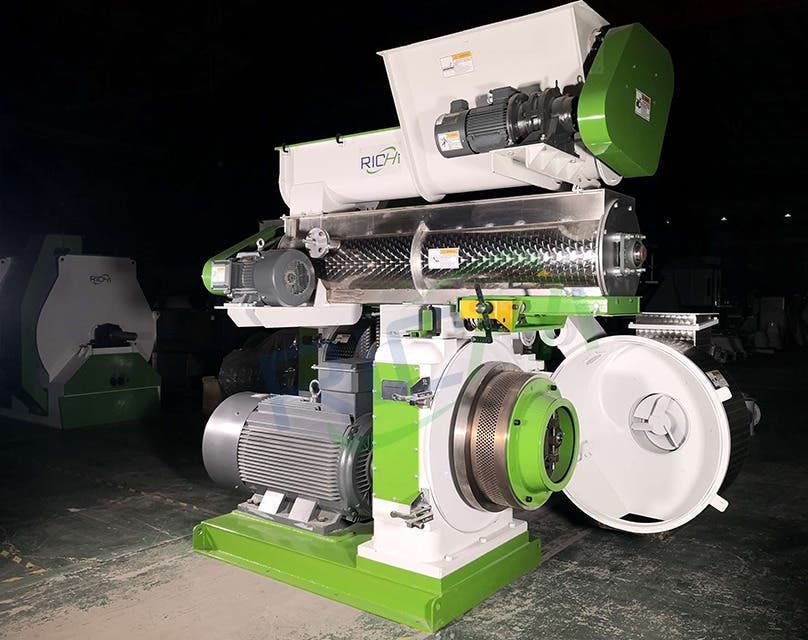
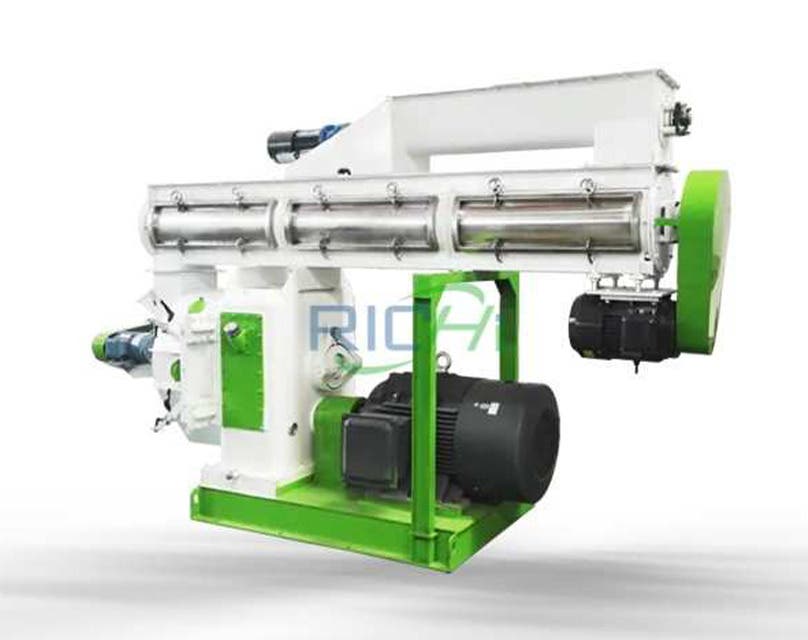
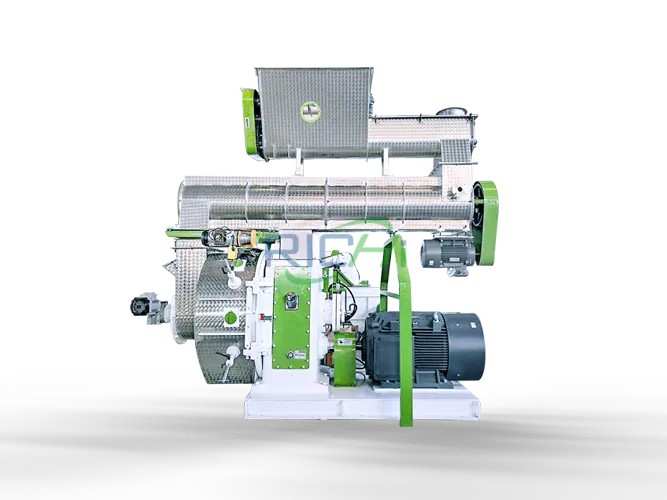
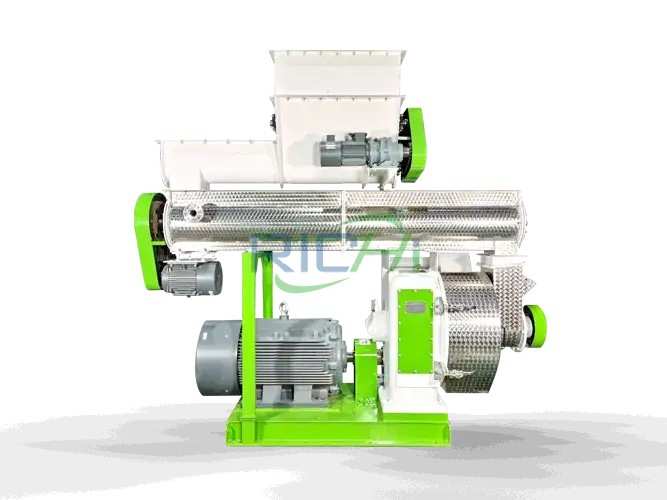
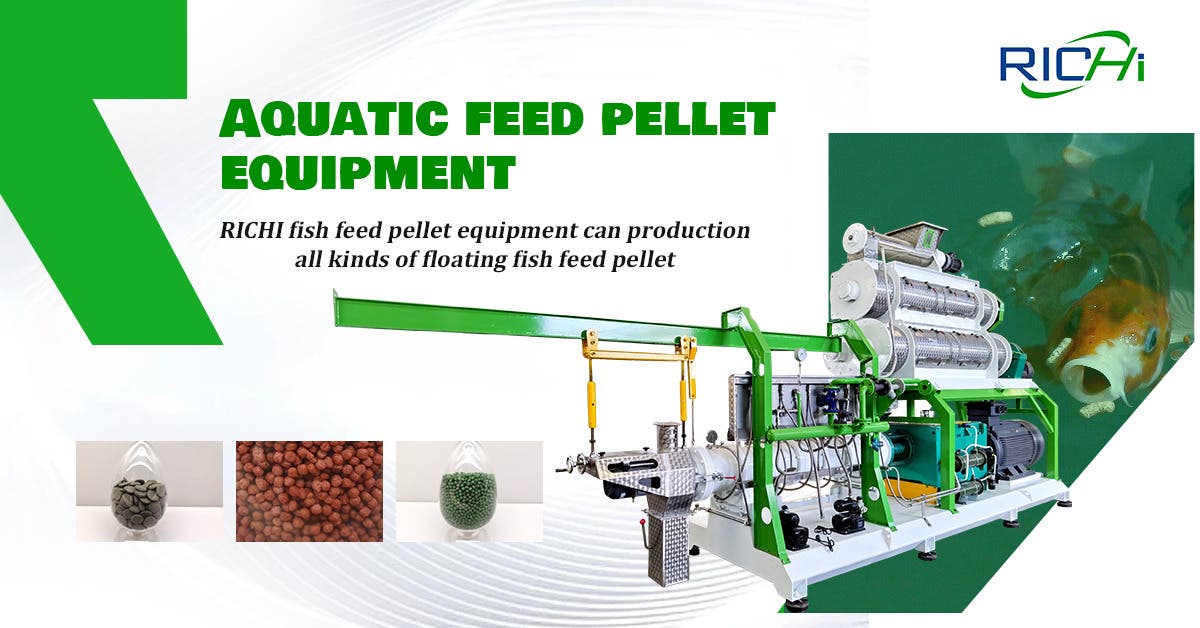
One of the most important stages in modern fish feed production is extrusion. The wet type fish feed extruder plays a key role in this process by processing conditioned feed materials under high temperature, moisture, and pressure. This technology helps improve feed gelatinization, enhance digestibility, and ensure strong pellet formation. The extrusion process also allows the production of floating or sinking fish feed depending on specific aquaculture requirements.
Floating feed is particularly important in fish farming because it allows farmers to monitor feeding behavior and reduce feed waste. The structure of extruded pellets is carefully controlled to ensure uniform size, stability in water, and optimal nutrient retention. At the same time, sinking feed is used for species that feed at lower water levels.
(Learn more about high-performance fish feed extruder machine)
After extrusion, fish feed pellets are dried to reduce moisture content and improve storage stability. Proper drying helps prevent mold growth and extends shelf life. Cooling systems are then used to stabilize pellet structure and prevent breakage during packaging and transportation.
Screening systems remove broken particles and ensure uniform product quality before packaging. Finally, the finished fish feed is packaged and stored under dry conditions to maintain nutritional value. (take a look at the site here)
Modern fish feed production lines are highly automated, allowing precise control of temperature, moisture, and production speed. This improves efficiency, reduces labor costs, and ensures consistent feed quality.
With the continuous expansion of global aquaculture, advanced equipment such as the wet type fish feed extruder plays a crucial role in supporting sustainable seafood production and improving aquaculture productivity worldwide. (Richi Machinery)