The global shift toward renewable energy has created strong demand for efficient biomass fuel production systems. Among various biomass resources, agricultural straw has become one of the most widely used raw materials due to its abundance, low cost, and sustainable nature. Wheat straw, rice straw, and other crop residues are produced in large quantities every year, and converting them into usable energy has become an important solution for both environmental protection and energy diversification.
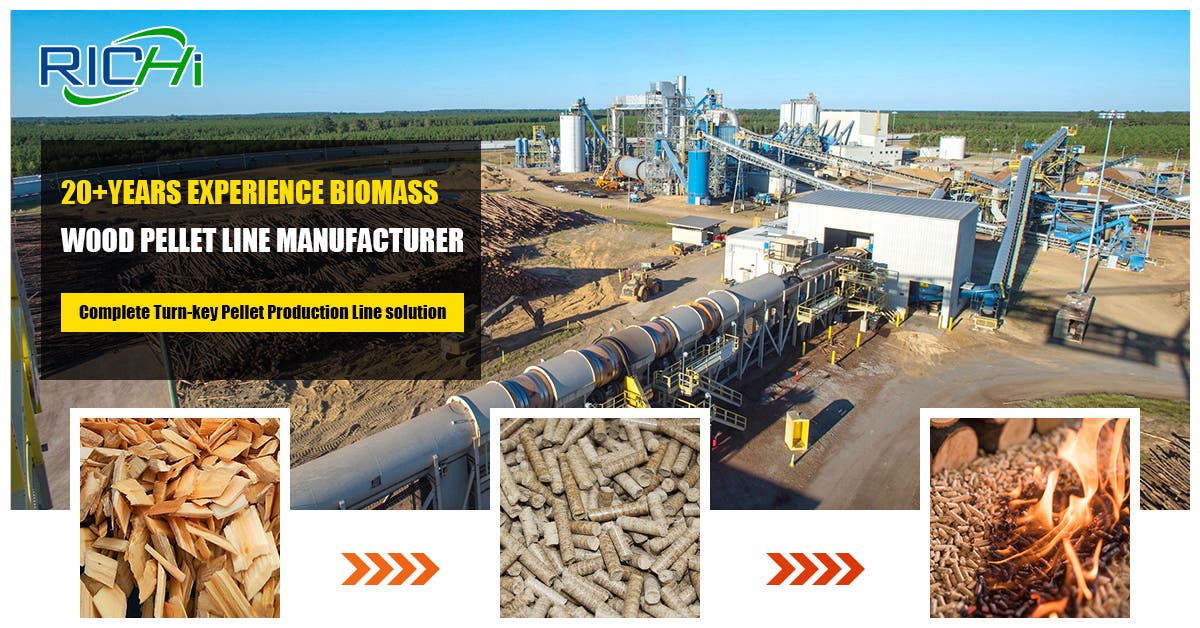
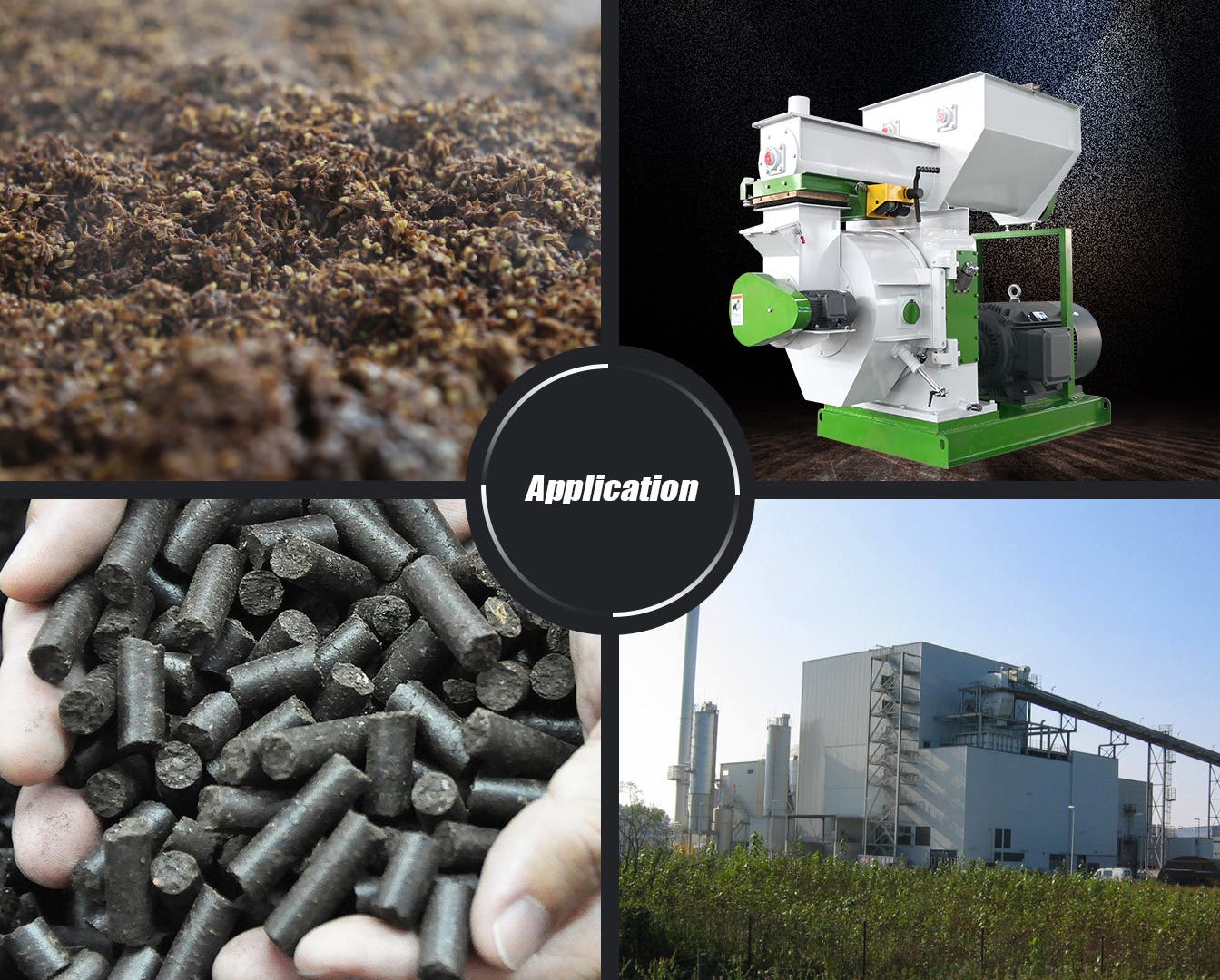
Straw pellet production transforms loose agricultural waste into compact fuel pellets that are easier to transport, store, and burn efficiently. Compared with raw straw, pelletized fuel offers higher energy density and more stable combustion performance, making it suitable for industrial boilers, heating systems, and biomass power plants.
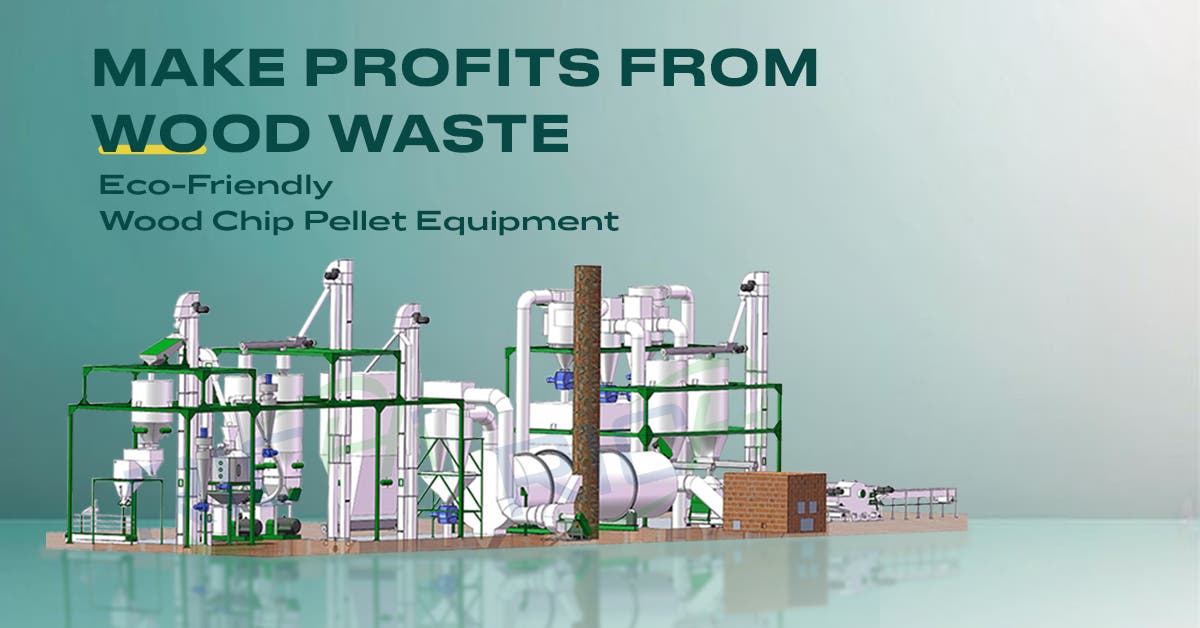
The production process begins with collecting straw from farms after harvesting. The raw materials are then transported to processing facilities where they undergo crushing and size reduction. This step ensures that straw particles are uniform, which is essential for stable pellet formation. After crushing, the material is dried to reduce moisture content, improving pellet quality and reducing energy consumption during processing.
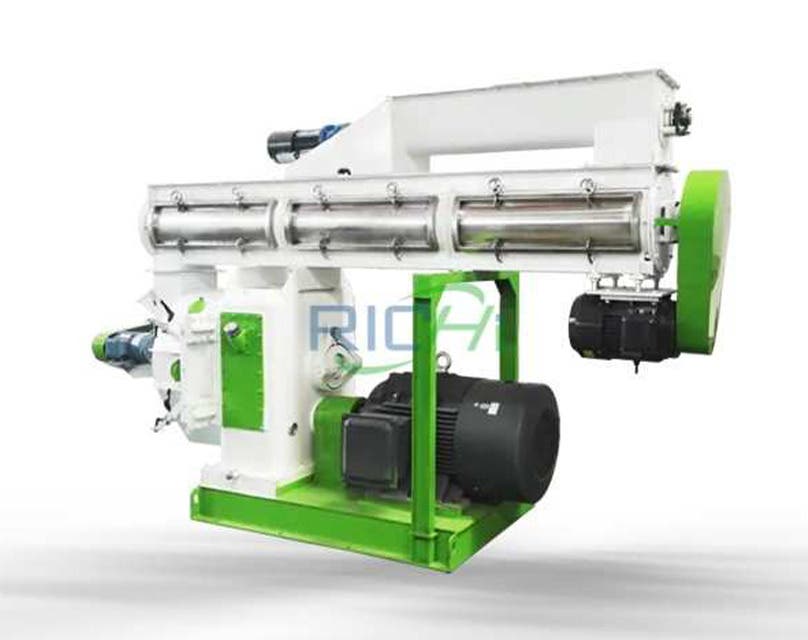
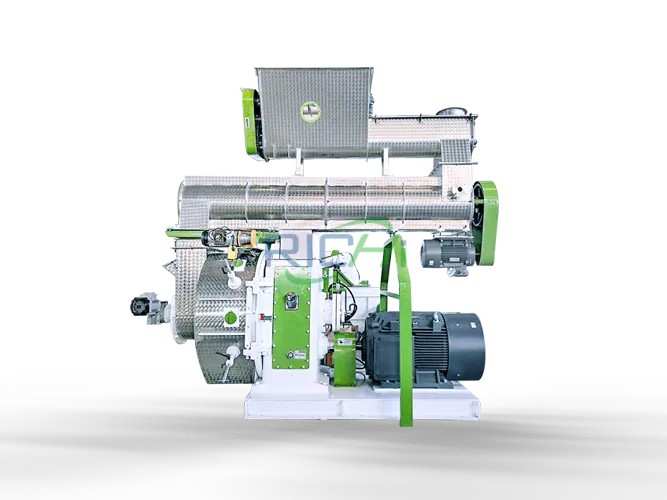
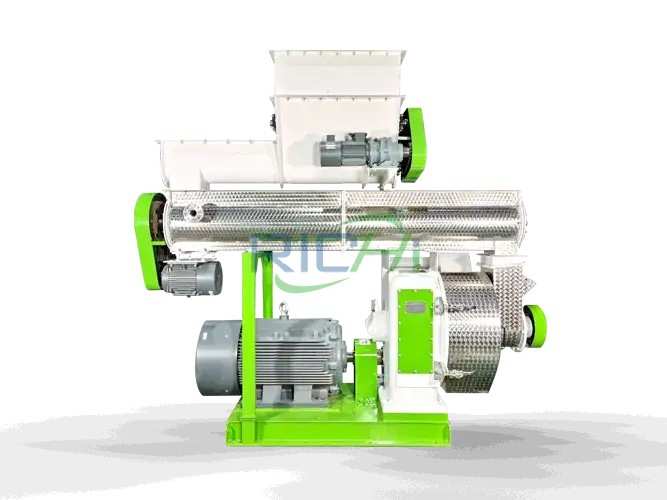
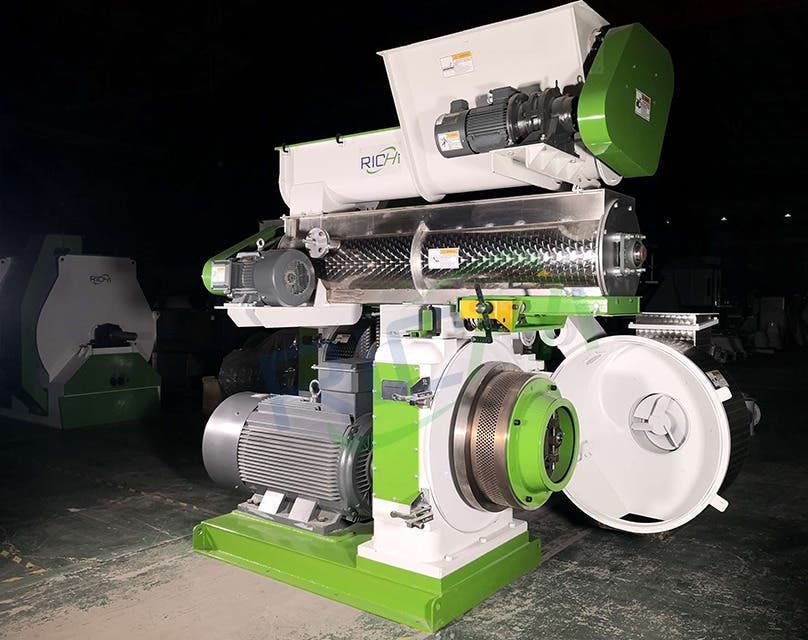
Once the raw material is properly prepared, it is fed into a pelletizing system. The straw pellets machine manufacturers design advanced equipment that compresses straw under high pressure to form dense cylindrical pellets. During this process, natural lignin in the straw acts as a binding agent, allowing pellets to form without chemical additives. This makes the process environmentally friendly and cost-effective.
After pellet formation, the pellets are cooled to stabilize their structure and increase hardness. Cooling also helps prevent moisture absorption during storage. The pellets are then screened to remove dust and broken particles before being packaged for distribution.
Modern straw pellet production lines are highly automated, allowing precise control over temperature, pressure, and material flow. This improves production efficiency, reduces labor costs, and ensures consistent product quality. In addition, many manufacturers are focusing on energy-efficient designs to reduce electricity consumption and improve overall sustainability. (click reference)
As global demand for renewable energy continues to grow, straw pellet fuel is becoming an important alternative to fossil fuels. The role of straw pellets machine manufacturers is crucial in advancing this industry by developing more efficient, durable, and environmentally friendly production equipment. pelletisingmachine.com/straw-pellet-mill/
With continued technological innovation and increasing environmental awareness, straw pellet production will play a key role in the future of sustainable energy systems worldwide. (Richi Pelletizer)