The global pet care market has expanded rapidly in recent years as more families choose to keep cats as household companions. Along with the increase in pet ownership, the demand for high-quality cat litter products has also grown significantly. Consumers now expect cat litter to provide strong odor control, excellent absorption performance, low dust generation, and environmental sustainability. To meet these market demands, manufacturers increasingly rely on advanced production systems such as the cat litter production line.
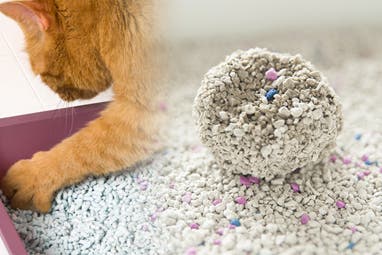
Modern cat litter products are made from a variety of raw materials including bentonite clay, tofu residue, sawdust, corn fiber, recycled paper, and other biodegradable agricultural materials. Each material offers different advantages in terms of clumping ability, absorbency, and environmental performance. Eco-friendly cat litter products are especially popular because they reduce environmental pollution and make use of renewable resources.
pelletisingmachine.com/cat-litter-production-line/
The production process begins with raw material preparation. Large materials are first crushed and ground into fine particles to ensure uniformity. Proper particle size is important because it directly affects the quality and performance of the final product. After grinding, the materials are transferred into mixing systems where additives such as deodorizing agents or antibacterial compounds may be added.
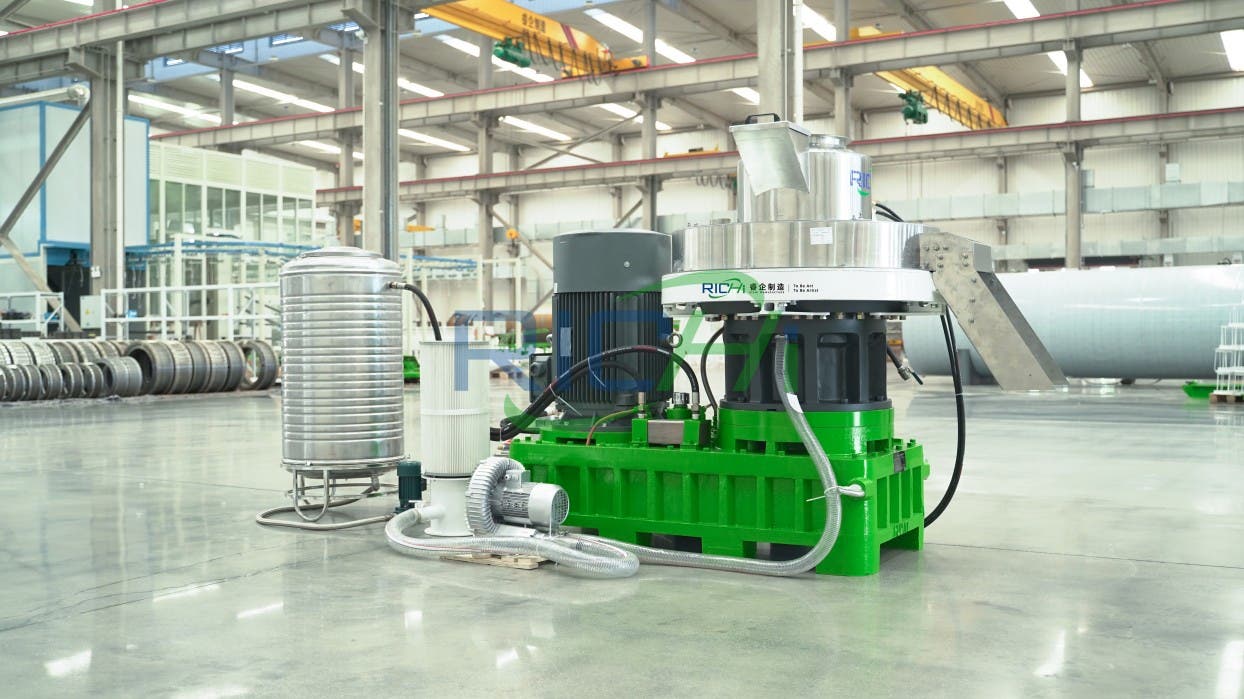
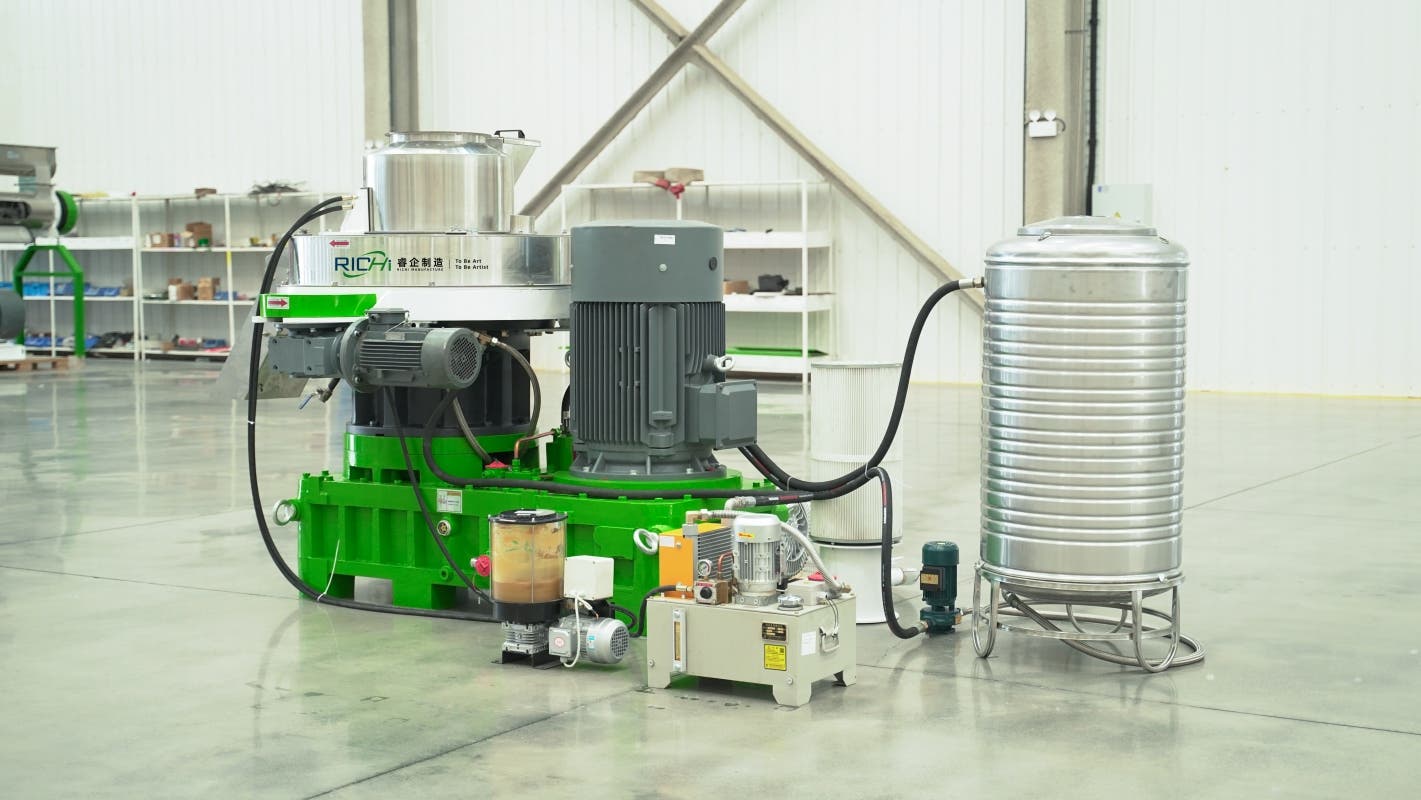
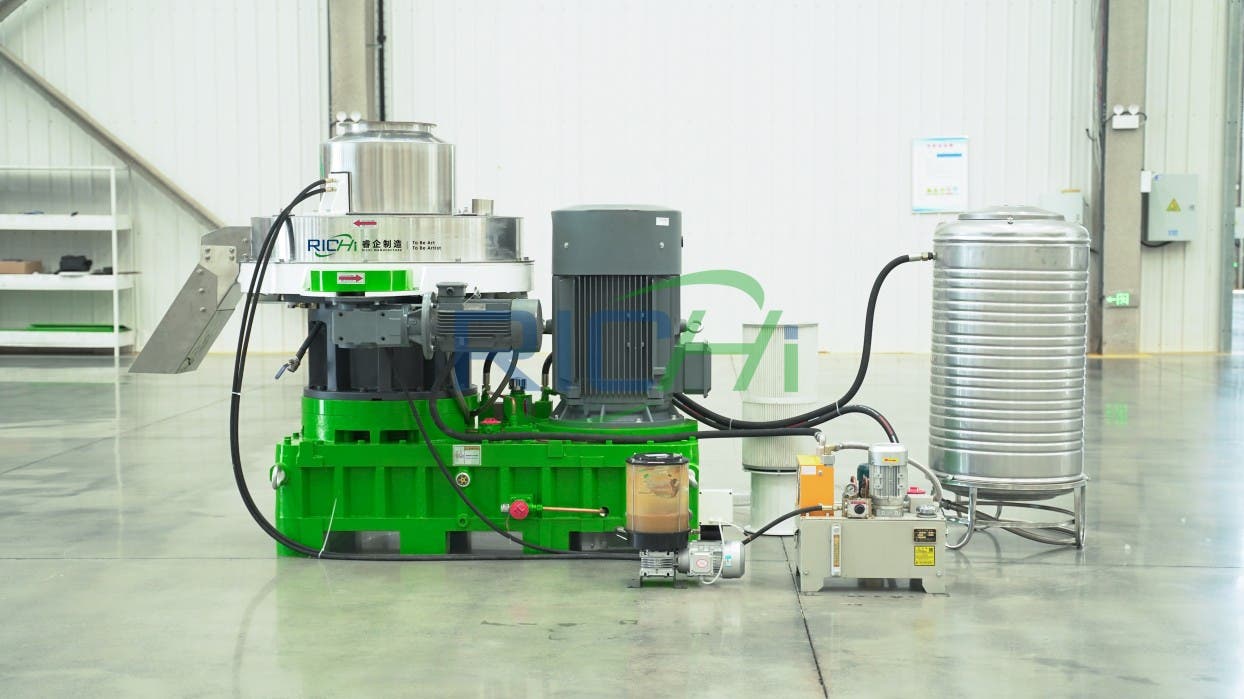
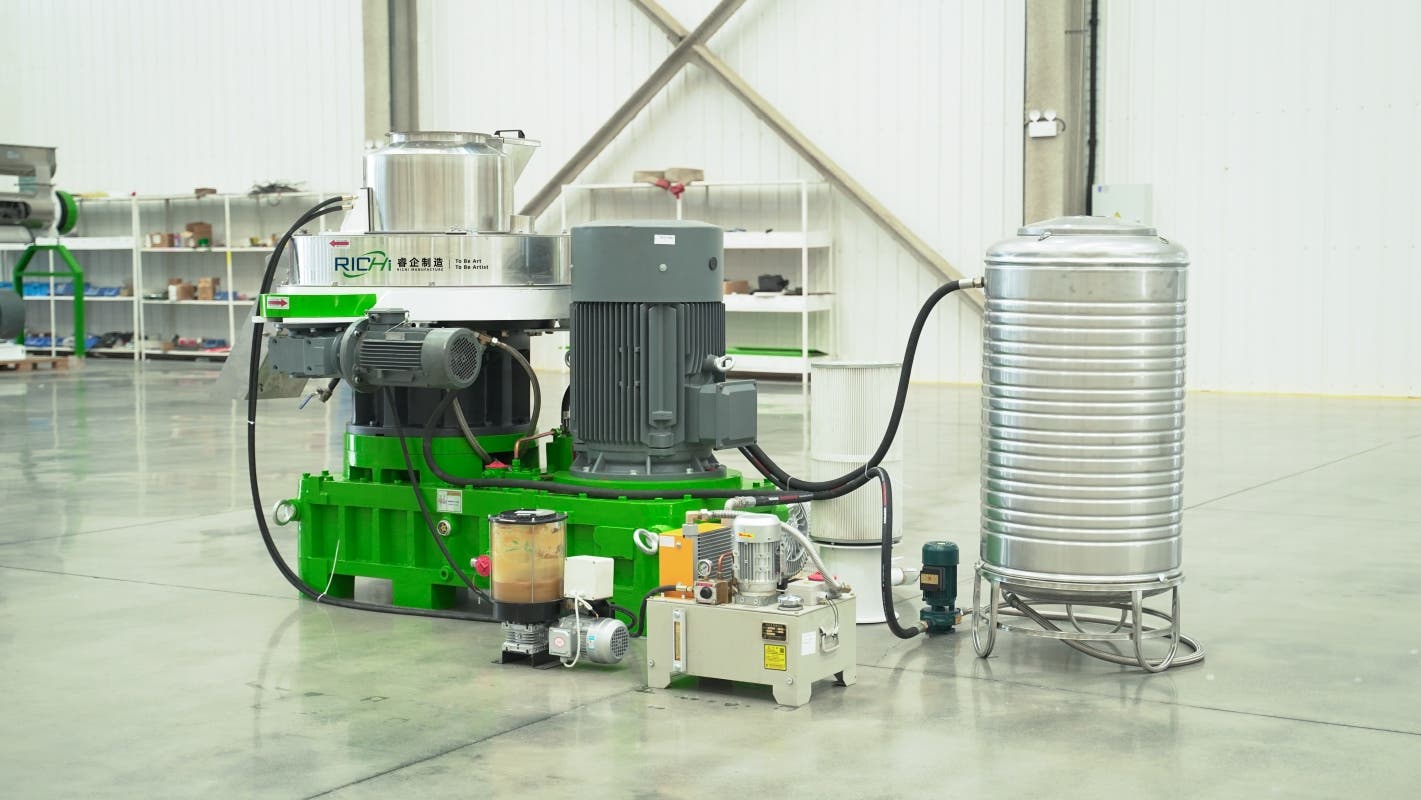
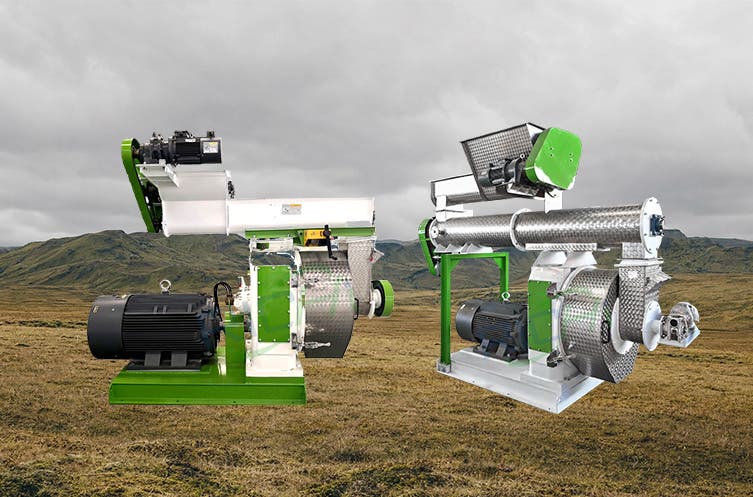
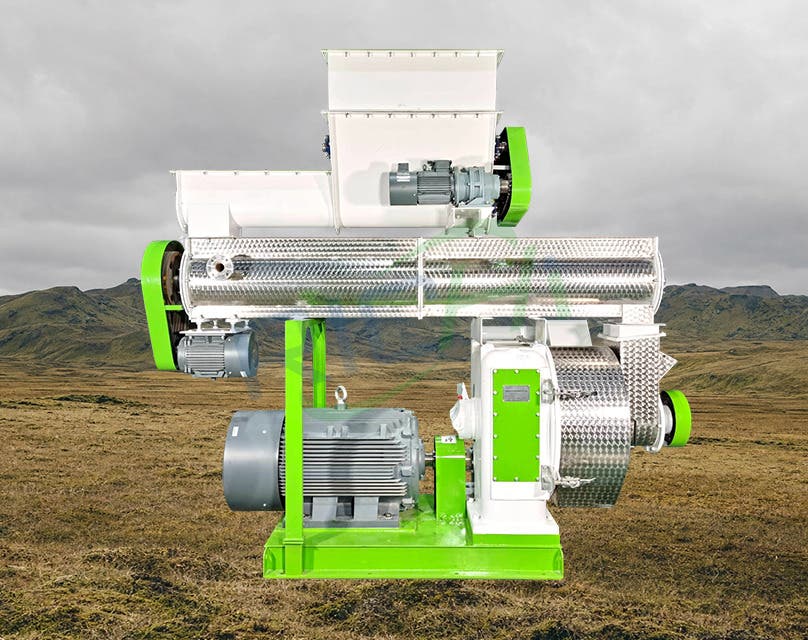
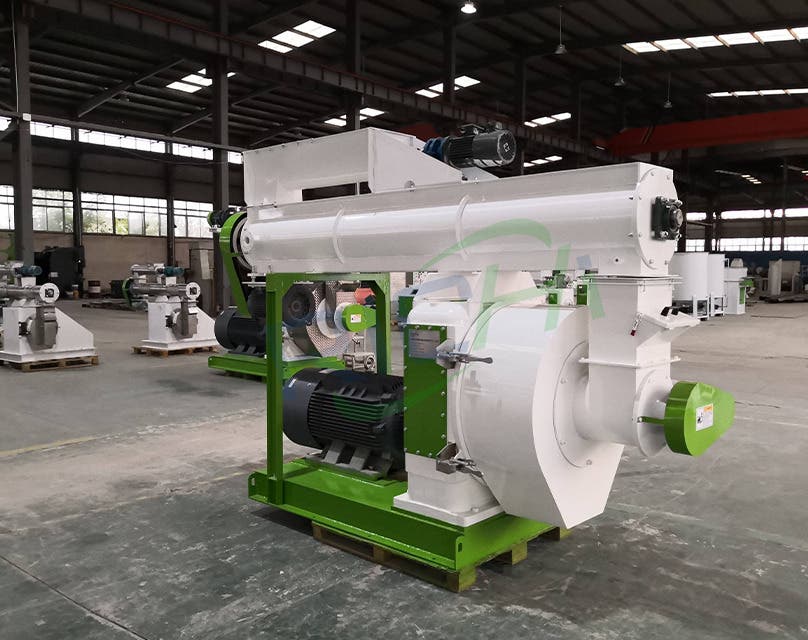
The most important stage of manufacturing is granulation or pelletizing. The cat litter production line compresses prepared materials into uniform pellets or granules with stable structure and excellent absorption capacity. Pellet size and density can be adjusted depending on product requirements and market demand.
(Learn more about efficient cat litter pellet machine)
After pellet formation, drying systems reduce moisture content to improve storage stability and prevent microbial growth. Cooling systems are then used to stabilize the pellets and improve hardness. Screening equipment removes dust and broken particles to ensure product consistency and improve overall quality.
Modern production facilities often use automated control systems to improve manufacturing efficiency. Automation allows precise control over temperature, moisture, material flow, and pellet density, ensuring stable product quality while reducing labor costs.
Environmental sustainability has become a major focus in the cat litter industry. Many manufacturers now recycle agricultural waste materials into cat litter products, reducing resource waste and supporting green manufacturing practices. Biodegradable cat litter products are increasingly preferred by consumers because they are safer for the environment and easier to dispose of responsibly.
With the continued growth of the global pet industry, advanced manufacturing equipment and efficient production technologies will play an increasingly important role in supporting high-quality cat litter production worldwide. (Richi Machinery)