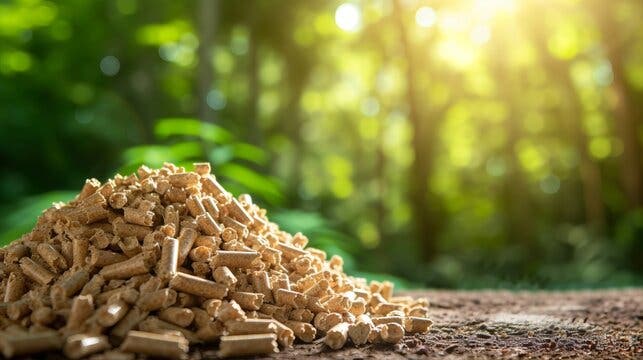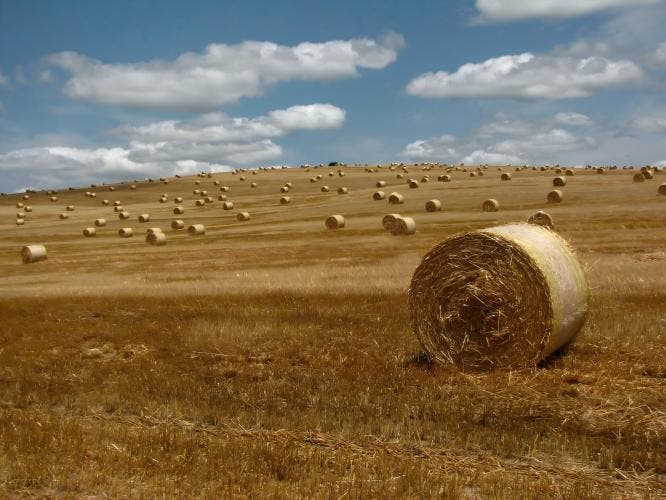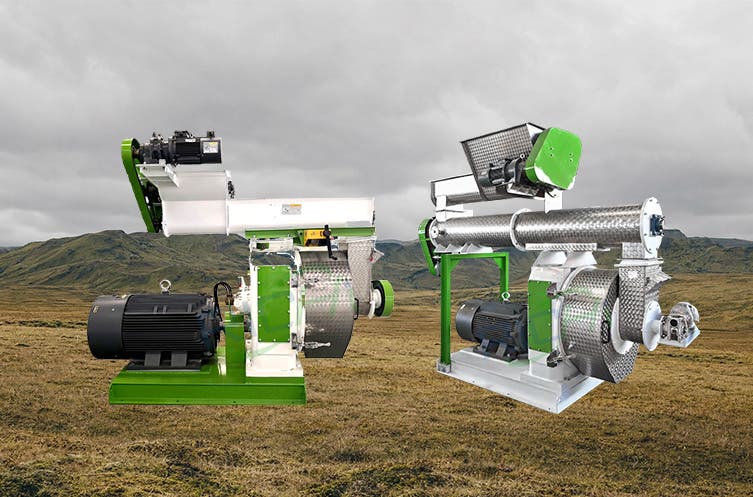
Corn stalk pellet production has become an important method for converting agricultural waste into renewable energy. Every year, large amounts of corn residues are generated after harvest, and instead of burning or discarding them, many industries now process them into biomass pellets. These pellets can be used for heating systems, industrial boilers, and even power generation, making them a sustainable alternative to fossil fuels.
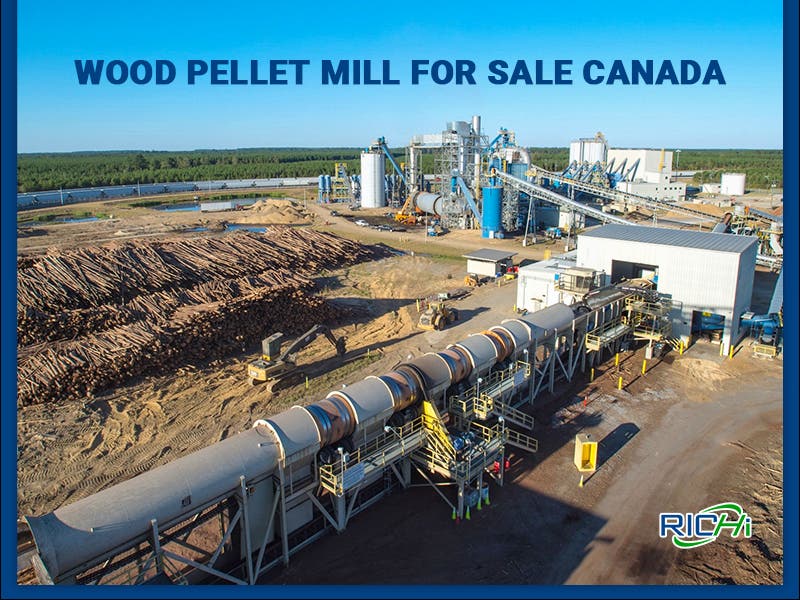
The production process begins with collecting and storing corn stalks. After harvesting, the stalks must be kept dry to prevent mold and nutrient loss. Once transported to the processing plant, the material is fed into a crushing system where a hammer mill reduces the long fibers into small, uniform particles suitable for pelletizing.
Moisture control is a key factor in achieving high-quality pellets. The ideal moisture content is usually between 10% and 18%. If the material is too wet, a drying system such as a rotary dryer is used to reduce excess moisture. If it is too dry, a small amount of water or steam may be added during conditioning.
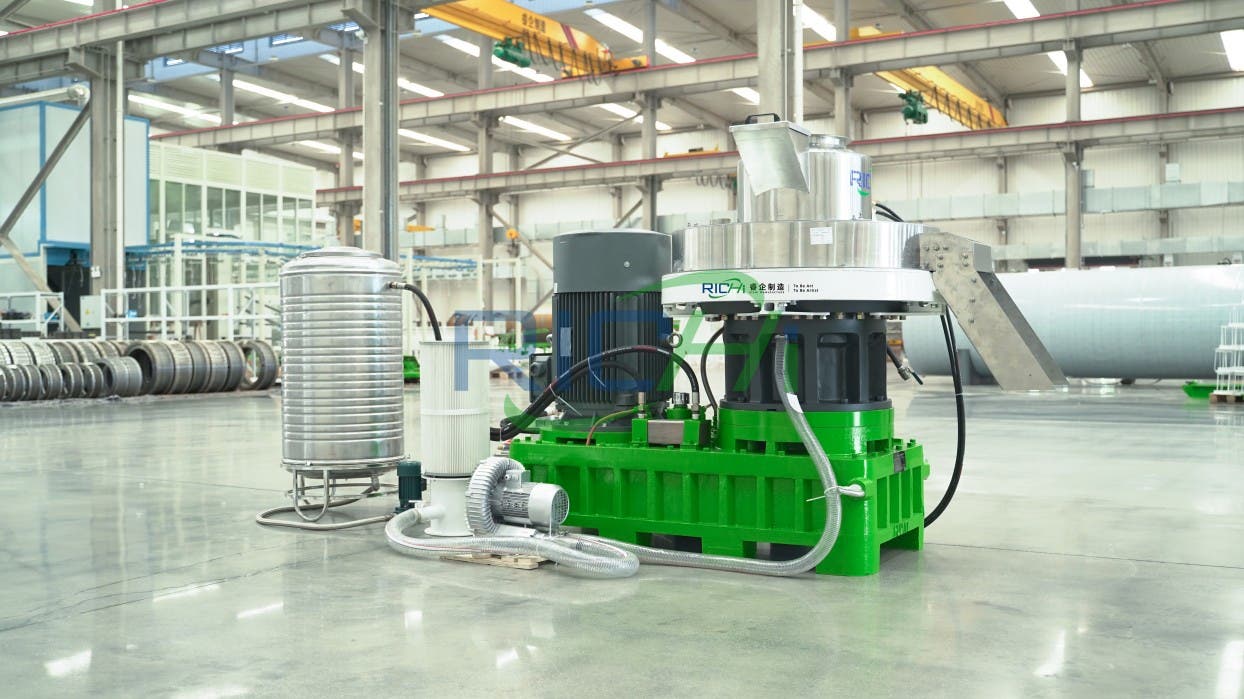
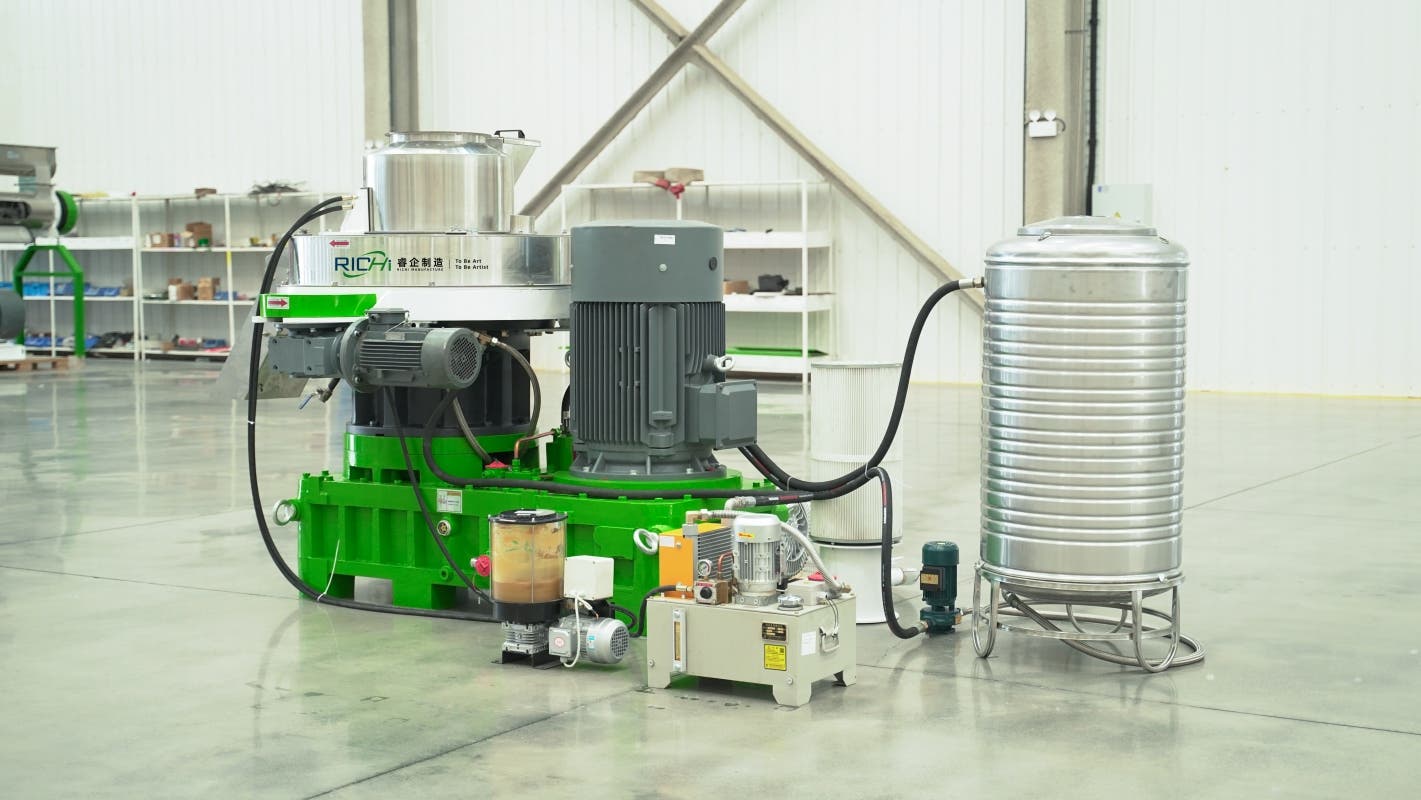
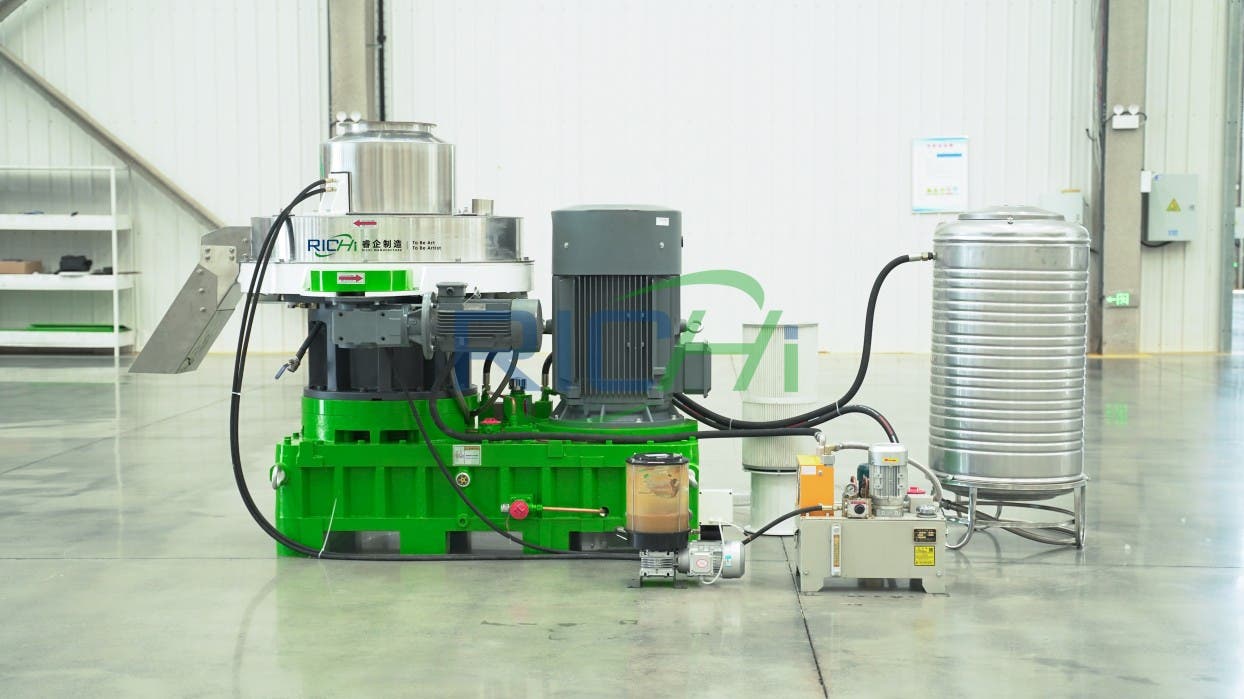
The core of the process is the pelletizing stage, where a corn stalk pellet machine compresses the prepared material under high pressure. The rollers push the biomass through a die, forming dense cylindrical pellets. During this process, heat is generated, which helps natural lignin bind the particles together without the need for chemical additives.
After pellet formation, the pellets are hot and soft. A cooling system is then used to stabilize their structure, improve hardness, and reduce moisture content. The cooled pellets are screened to remove dust and broken particles before being sent to packaging systems. (look at here now)
The final product is a clean, energy-dense fuel that is easy to transport and store. Compared with raw corn stalks, pellets offer higher combustion efficiency, lower emissions, and more consistent energy output.
A corn stalk pelleting machine plays a crucial role in this industry by enabling efficient and continuous production of biomass fuel. As global demand for renewable energy increases, corn stalk pellet production is expected to expand further, offering both environmental and economic benefits to agricultural regions worldwide.