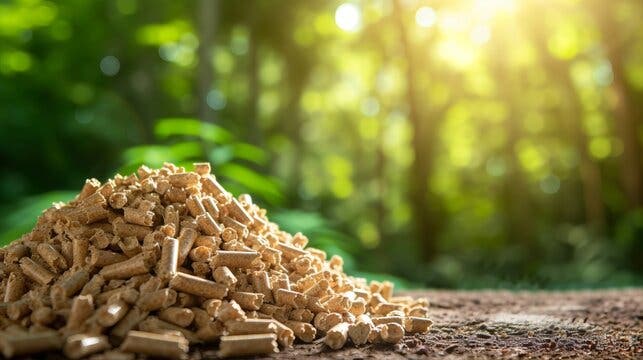
Grass pellet production has become an increasingly important industry as farmers and feed manufacturers seek efficient ways to utilize forage resources. By converting loose grass into dense pellets, producers can improve storage, transportation, and feeding efficiency while creating value-added products for the livestock sector.
Various types of grass can be used for pellet production, including alfalfa, timothy grass, ryegrass, Bermuda grass, and mixed pasture grasses. These materials are rich in fiber and nutrients, making them suitable for animal feed applications. In addition, grass pellets can also be used as biomass fuel in certain heating systems, further expanding their market potential.
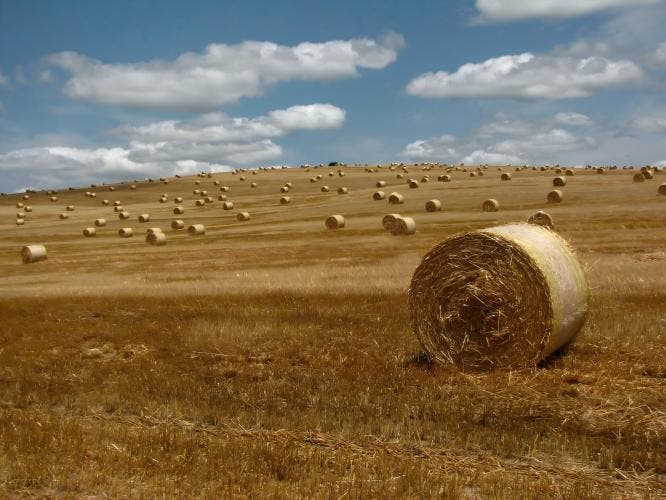
The production process begins with harvesting and drying the grass. Proper moisture control is essential because excessive moisture can reduce pellet quality and increase production costs. Once the grass reaches the desired moisture level, it is ground into smaller particles using a hammer mill or similar crushing equipment. Uniform particle size helps ensure smooth pellet formation and consistent product quality.
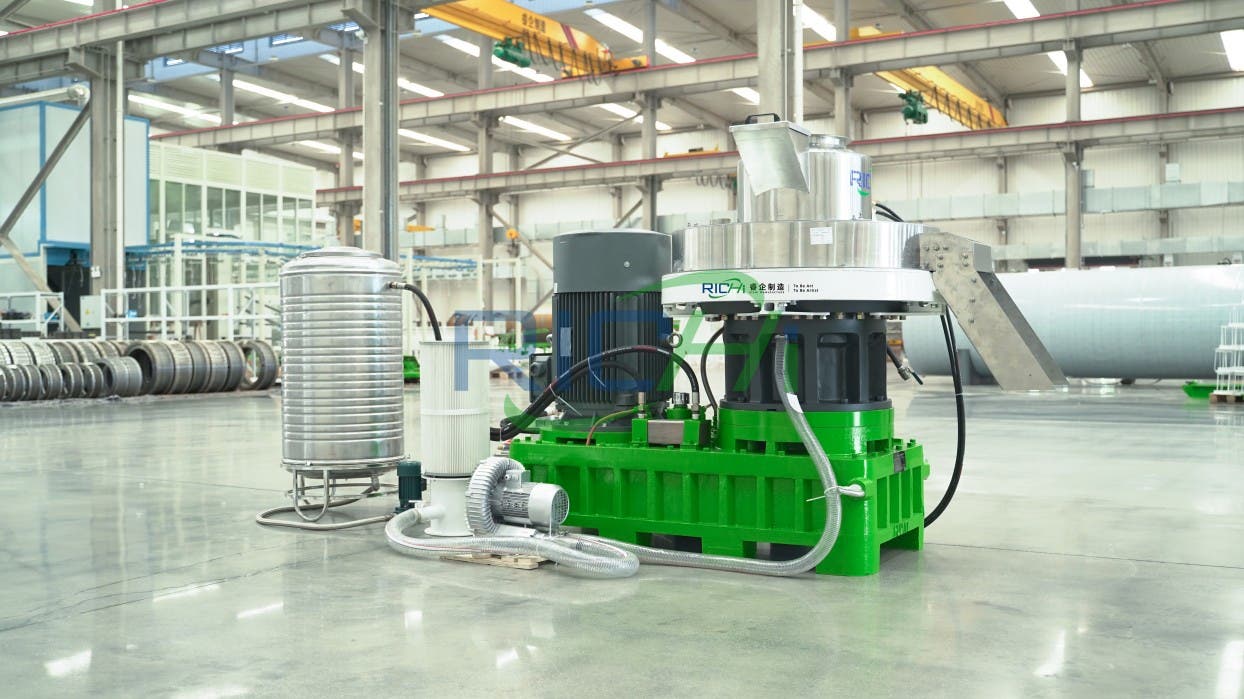
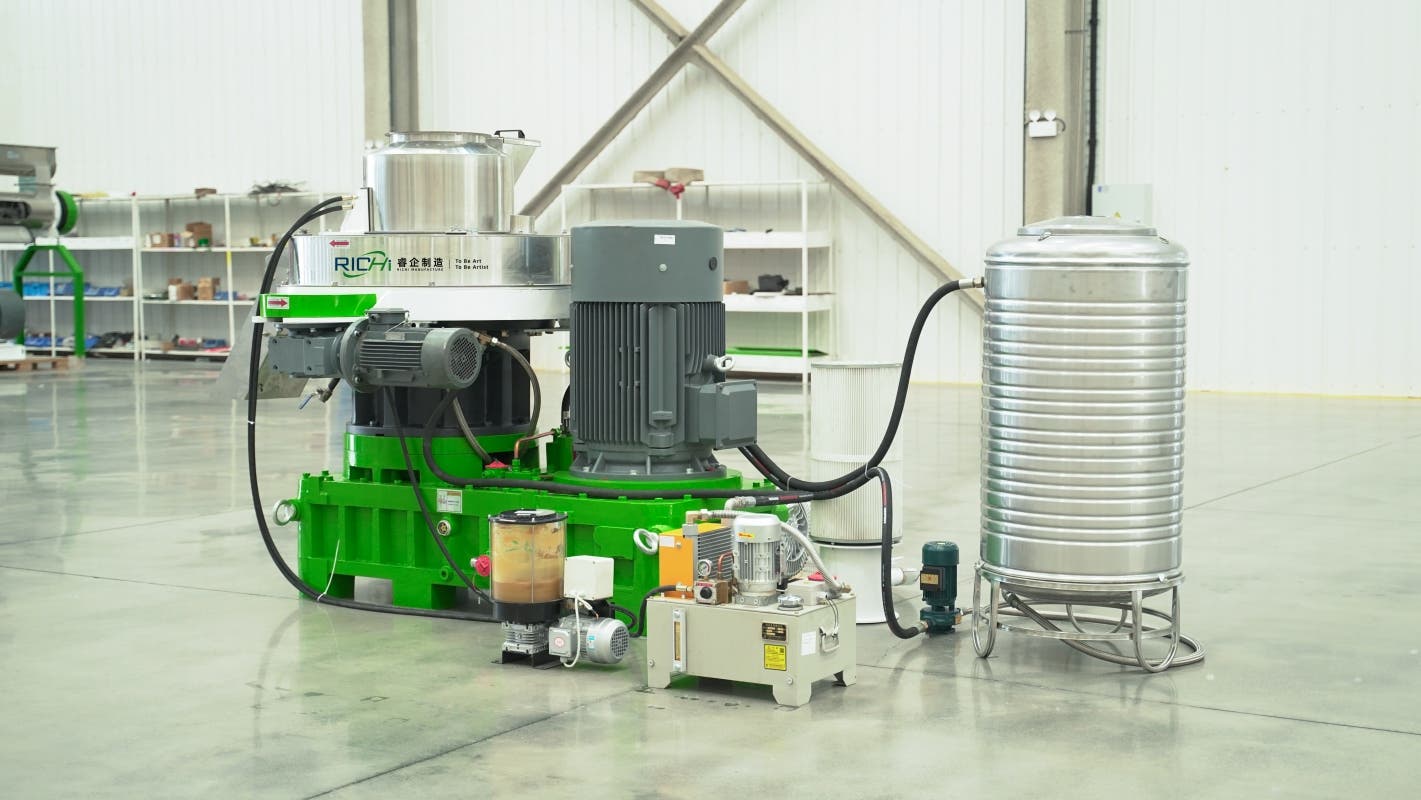
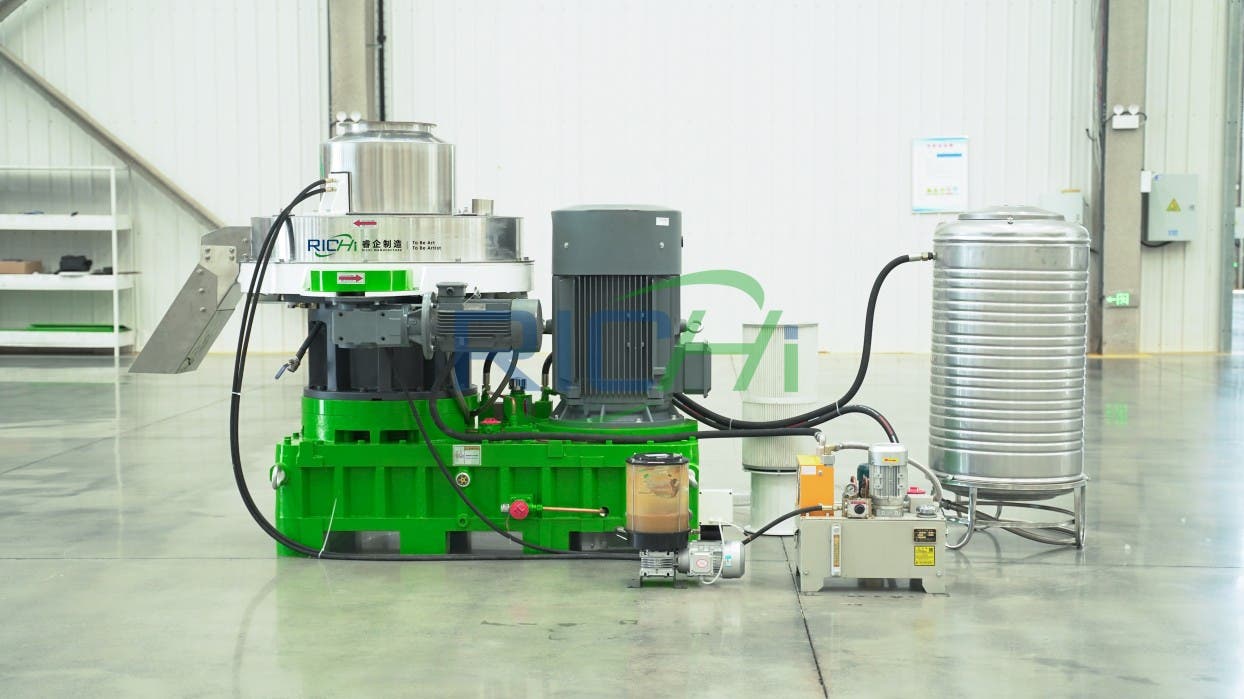
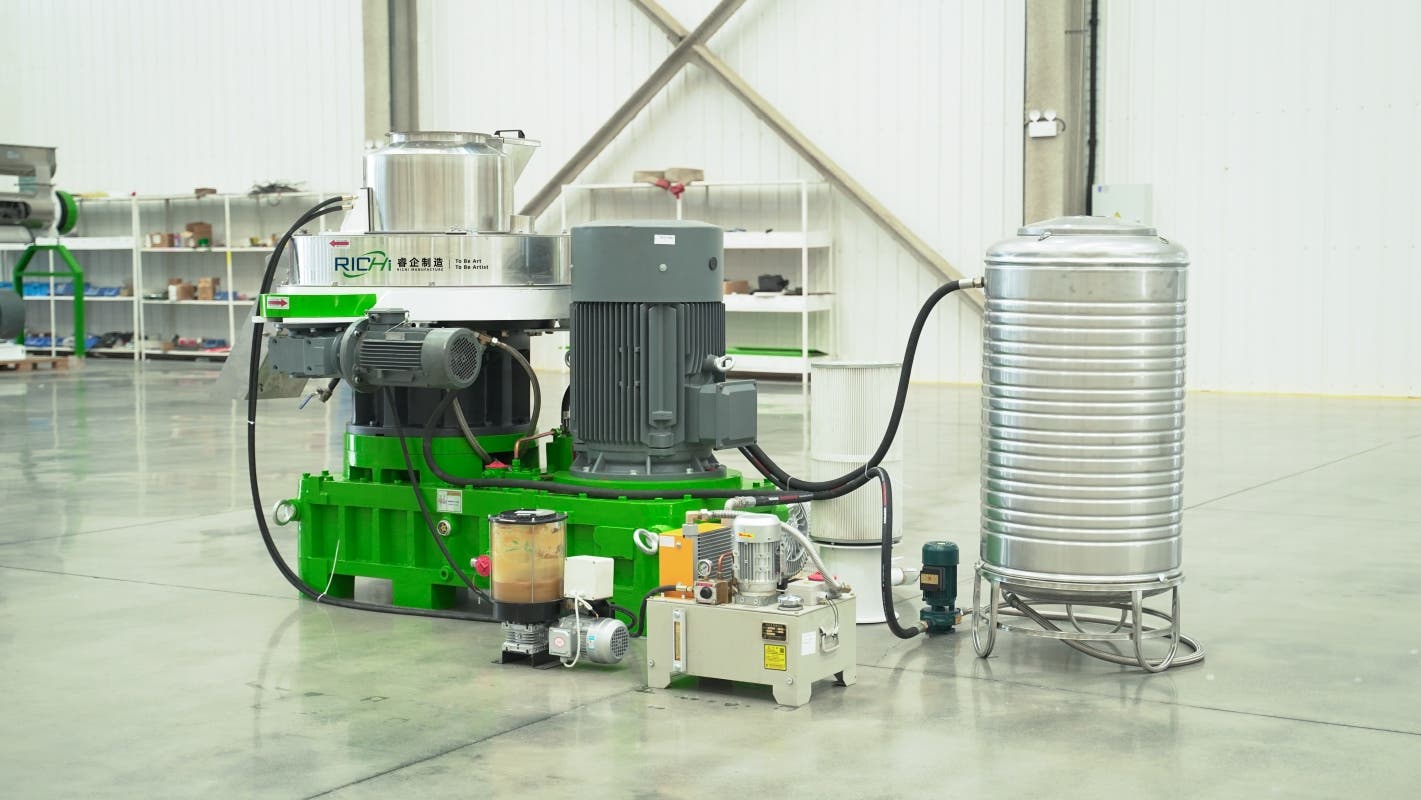
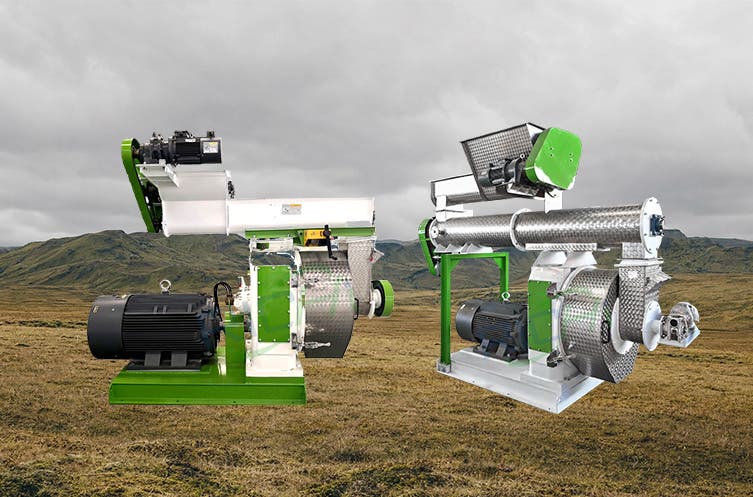
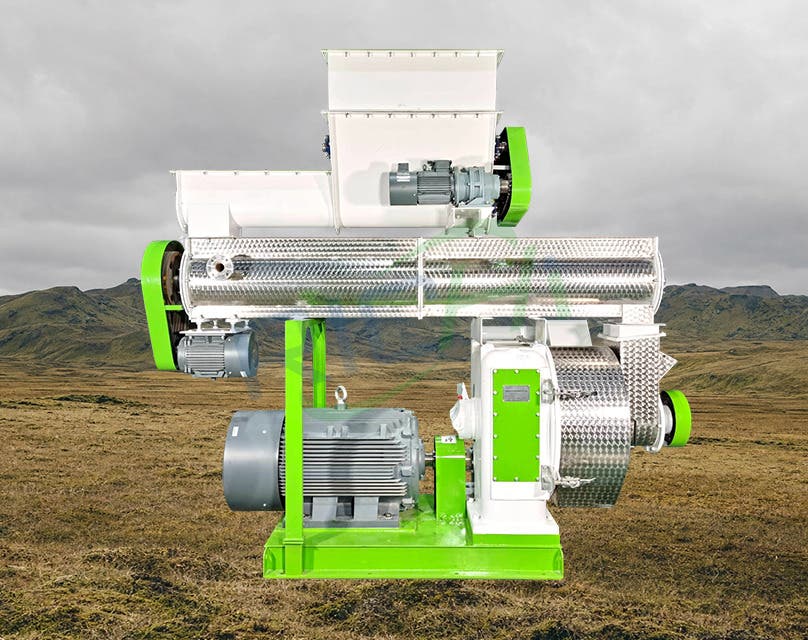
After grinding, the material enters the conditioning stage, where moisture and temperature are adjusted if necessary. The prepared material is then fed into a hay pellet making machine, which serves as the core equipment of the production line. Inside the machine, rollers force the grass material through a die under high pressure. The friction generated during this process produces heat, allowing natural lignin within the plant fibers to act as a binder. As a result, durable pellets are formed without requiring additional chemical additives.
The freshly produced pellets are hot and relatively soft when they leave the pellet mill. Therefore, they are transferred to a cooling system where excess heat and moisture are removed. Cooling improves pellet hardness and storage stability. Afterward, the pellets are screened to remove fines and broken particles before being packaged for sale or storage.
Grass pellets offer several advantages compared to loose forage. Their higher density significantly reduces storage space requirements and transportation costs. Livestock producers also benefit from reduced feed waste because animals are less likely to sort or scatter pelletized feed. Furthermore, pellets provide a more uniform nutritional profile, helping farmers maintain consistent feeding programs.
pelletisingmachine.com/hay-pellet-machine-for-sale/
As demand for high-quality animal feed continues to rise, grass pellet production presents attractive opportunities for agricultural businesses. Modern pelletizing technology enables producers to process forage efficiently while improving product value and market competitiveness. With the support of a reliable hay pellet making machine and proper production management, grass pellet manufacturing can become a profitable and sustainable agricultural enterprise. (Richi Pellet Mill)