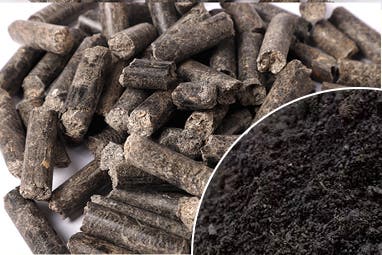
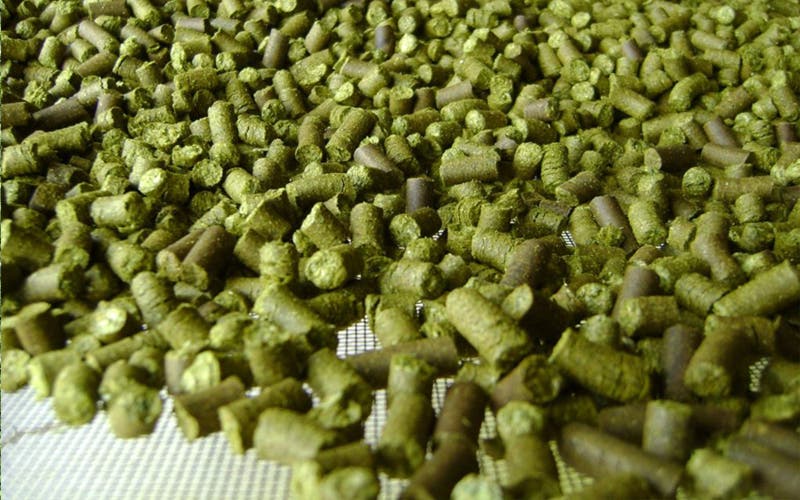
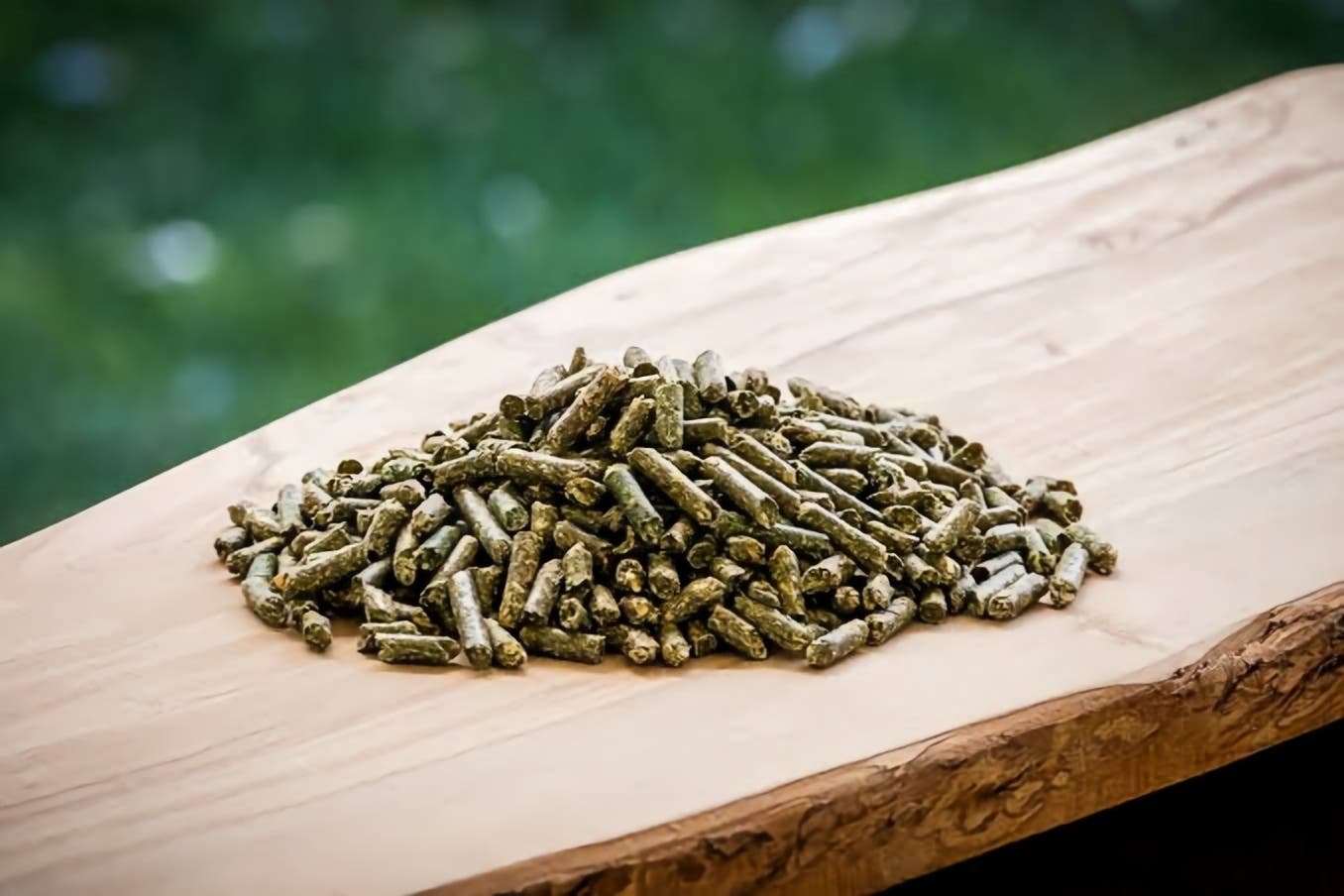
Alfalfa is one of the most nutritious forage crops available for sheep production. Rich in protein, digestible fiber, vitamins, and minerals, it provides essential nutrients that support healthy growth, reproductive performance, and efficient feed utilization. As sheep farming becomes more intensive and commercialized, many producers are choosing pelletized alfalfa instead of loose hay because it offers better storage, easier transportation, and more consistent feeding results.
The production of alfalfa pellets begins with harvesting high-quality forage at the early bloom stage, when nutritional value is at its peak. After harvesting, the alfalfa is dried to an ideal moisture content of around 10–15%, cleaned to remove impurities, and ground into fine particles. The material is then conditioned with steam before entering the pellet mill, where it is compressed through a ring die to form dense, durable pellets. Finally, the pellets are cooled, screened, and packaged for storage or transportation.
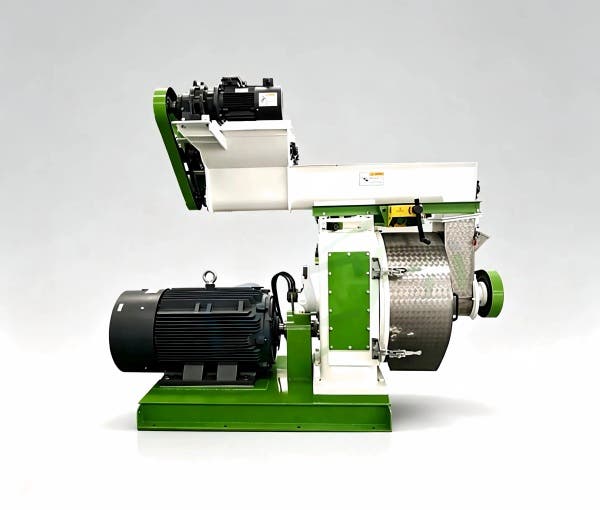
Many commercial feed manufacturers invest in an alfalfa pellet machine for sheep because sheep require forage pellets with good palatability, consistent fiber content, and high durability. These specialized pellet machines are designed to process fibrous alfalfa efficiently while maintaining stable production capacity. Equipped with heavy-duty gear transmission, wear-resistant alloy steel ring dies, precision rollers, automatic lubrication systems, and PLC-based controls, they can operate continuously with low maintenance requirements. The result is uniform pellets that retain valuable nutrients and withstand handling during transportation and feeding.
Pelletized alfalfa offers several advantages for sheep producers. First, the compact pellets significantly increase bulk density, reducing transportation and storage costs. Second, pelletizing minimizes leaf loss, ensuring that sheep receive more of the protein and vitamins naturally found in alfalfa. Third, pellets generate less dust than loose hay, creating a cleaner feeding environment and reducing feed waste. Their uniform size also makes them suitable for automatic feeding systems used on modern sheep farms.
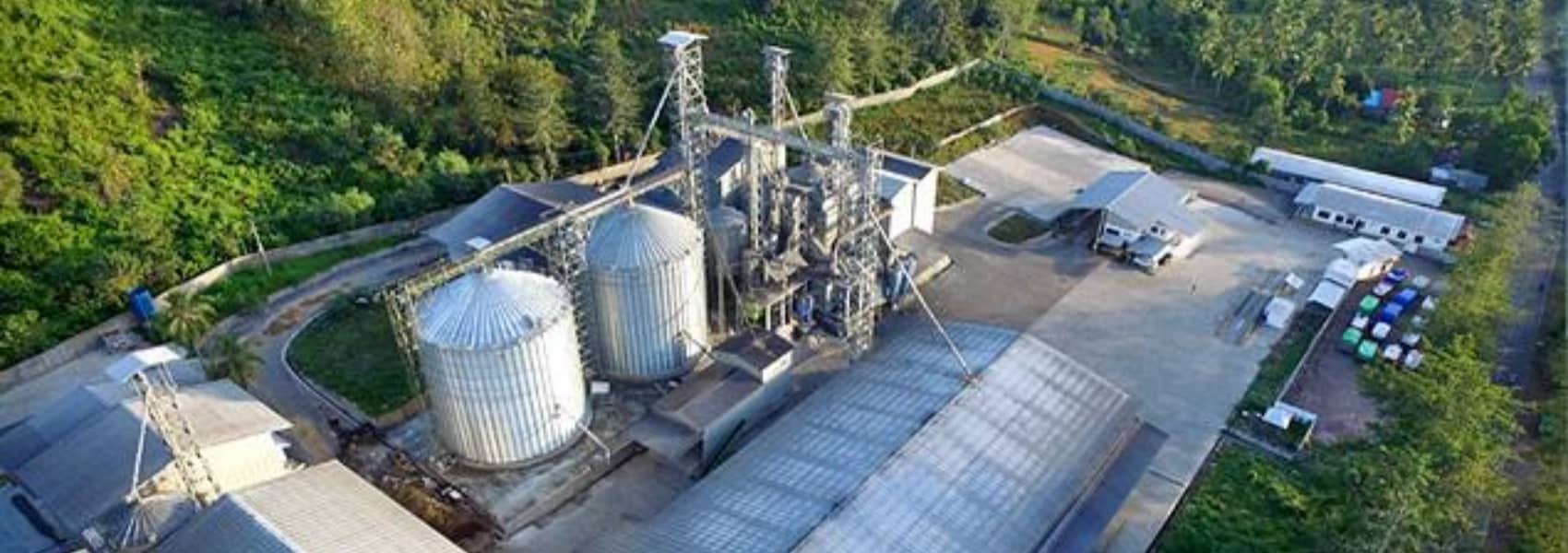
When selecting equipment, manufacturers should consider production capacity, pellet diameter, automation level, and raw material characteristics. A complete production line generally includes a bale breaker, hammer mill, mixer, steam conditioner, ring die pellet mill, counterflow cooler, vibrating screener, automatic packaging machine, dust collection system, and PLC control cabinet. Regular maintenance of the ring die, rollers, bearings, and lubrication system helps ensure long-term reliability and consistent pellet quality.
pelletisingmachine.com/alfalfa-pellet-mill-for-sale/
As global demand for premium sheep feed continues to grow, pelletized alfalfa has become an increasingly valuable product. By investing in efficient pellet production technology, feed manufacturers and sheep farmers can improve forage utilization, reduce operating costs, enhance feed quality, and strengthen their competitiveness in the expanding livestock industry. (Richi Pellet Press)