Alfalfa is one of the most valuable forage crops used in modern livestock farming. Rich in protein, fiber, vitamins, and minerals, it provides excellent nutrition for goats throughout different stages of growth. However, fresh or dried alfalfa can be difficult to store and transport due to its bulky volume and seasonal availability. Converting alfalfa into pellets solves these challenges while improving feed handling and reducing waste.
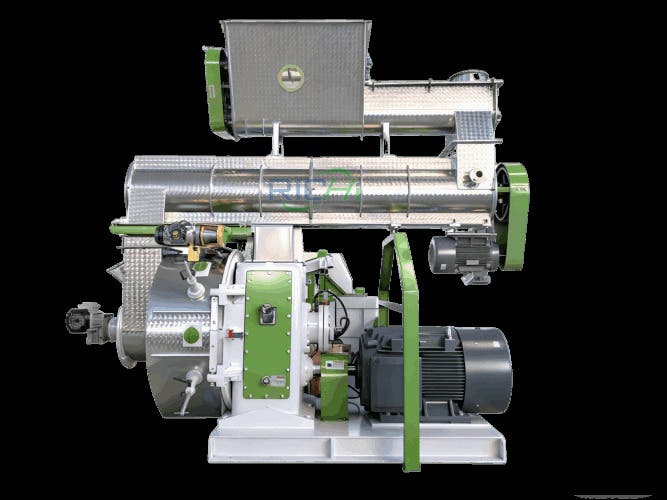
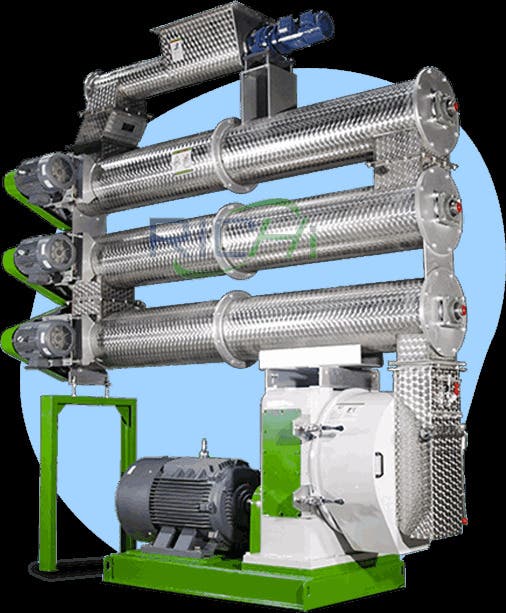
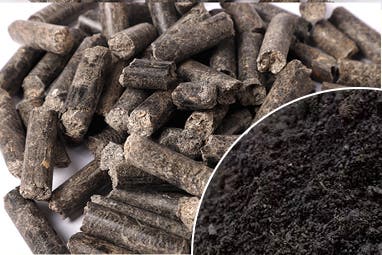
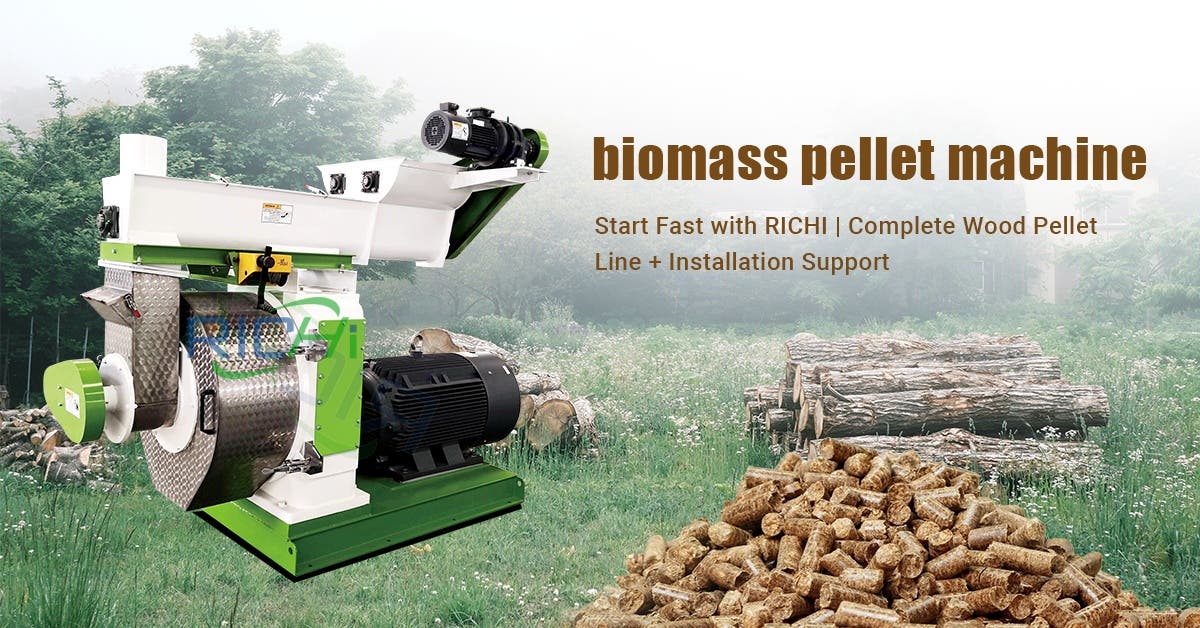
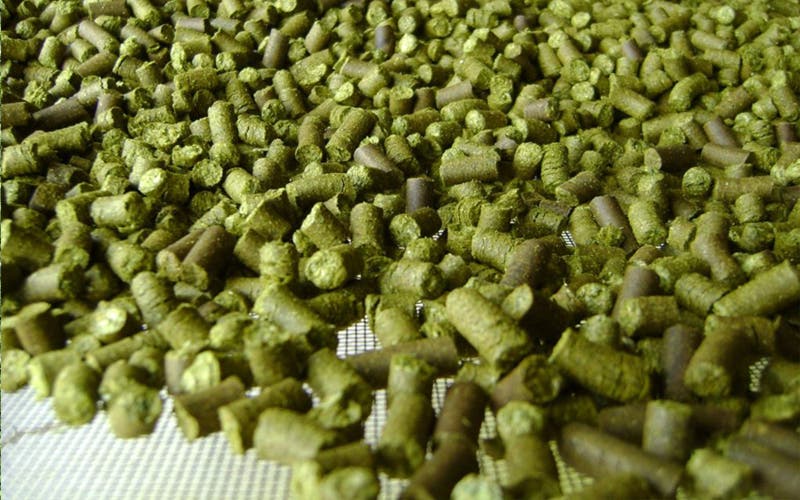
A goat alfalfa pellet machine is designed to compress chopped and ground alfalfa into dense, uniform pellets. During the pelletizing process, the natural fibers in alfalfa act as a binding agent, allowing high-quality pellets to be produced without the need for excessive additives. The finished pellets are compact, easy to package, and convenient to transport over long distances.
Using alfalfa pellets offers several advantages for goat farmers. First, pellets provide consistent nutrition in every bite, preventing selective feeding and ensuring that goats receive a balanced diet. Second, pelletized feed generates less dust and reduces feed loss during storage and feeding. This helps lower overall feed costs while maintaining a cleaner feeding environment.
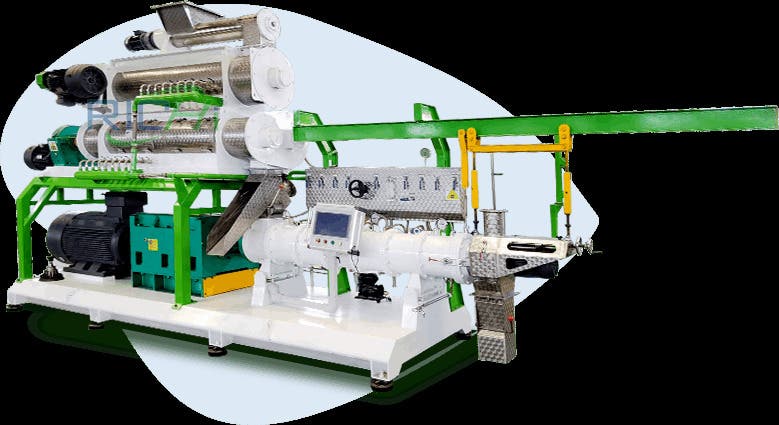
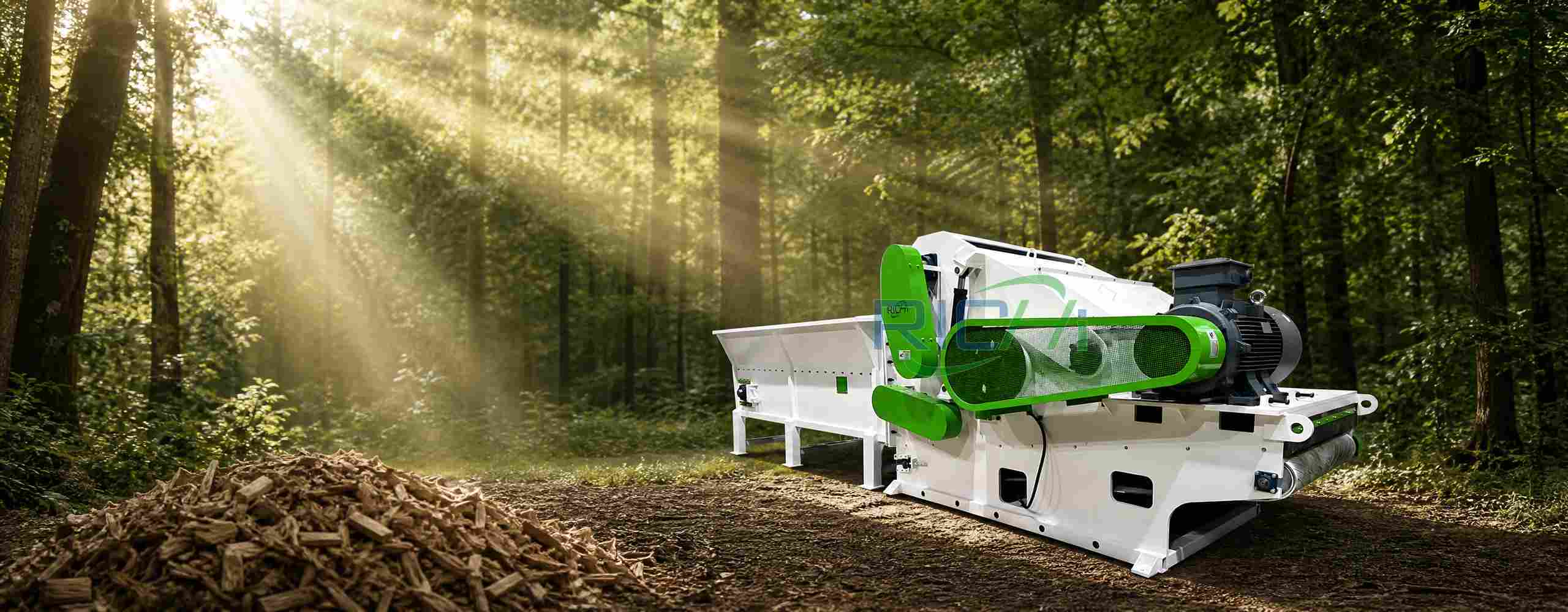
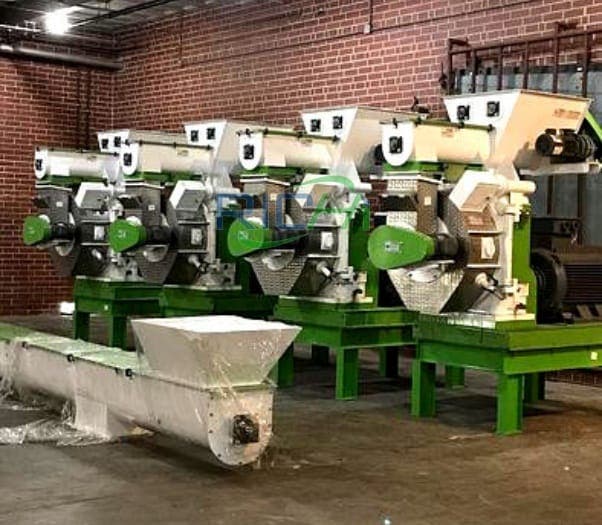
A modern goat alfalfa pellet machine can process dried alfalfa with a controlled moisture content to produce pellets of different diameters, typically ranging from 4 mm to 8 mm depending on the feeding requirements. The machine is equipped with a durable ring die, wear-resistant rollers, and an efficient feeding system to ensure stable production and high pellet quality. Many commercial models also feature automatic lubrication and intelligent control systems that reduce maintenance requirements and improve operating efficiency.
pelletisingmachine.com/alfalfa-pellet-mill-for-sale/
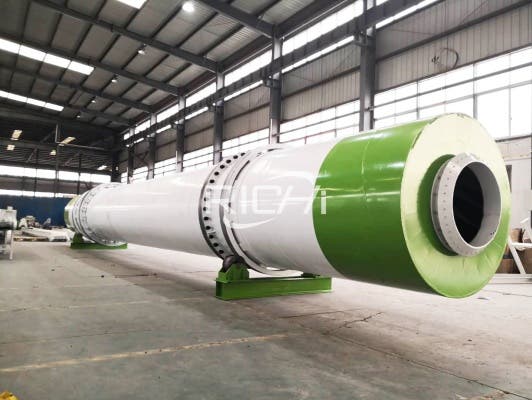
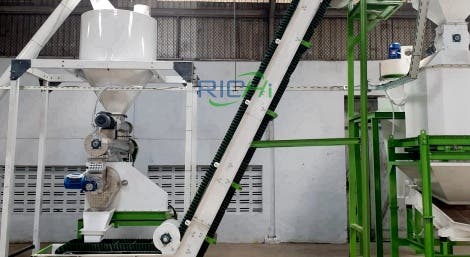
The complete alfalfa pellet production process usually includes raw material collection, drying, crushing, mixing if necessary, pelletizing, cooling, screening, and packaging. Each stage plays an important role in producing durable pellets with low moisture content and excellent storage stability. Proper cooling and screening help maintain pellet strength and reduce breakage during transportation.
For commercial feed manufacturers and livestock farms, investing in a goat alfalfa pellet machine offers significant economic benefits. Pelletized alfalfa occupies less storage space, simplifies inventory management, and extends shelf life. It also allows producers to utilize seasonal forage more efficiently by processing large quantities during harvest and storing pellets for year-round feeding.
As goat farming continues to expand worldwide, the demand for high-quality forage feed is expected to grow steadily. Alfalfa pellet production provides an effective solution for improving feed quality, reducing waste, and increasing farm productivity. By adopting advanced pelletizing technology, farmers and feed producers can supply nutritious, uniform alfalfa pellets that support healthy goat growth while improving the efficiency and profitability of livestock operations.