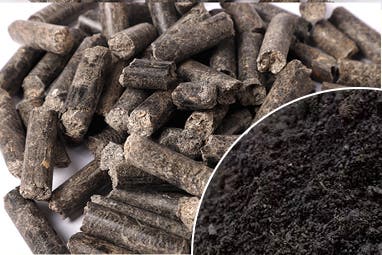
As global demand for renewable energy continues to grow, bamboo has become one of the most promising raw materials for biomass pellet production. Thanks to its rapid growth, high fiber content, and sustainable harvesting cycle, bamboo offers an abundant and environmentally friendly alternative to traditional wood resources. Converting bamboo residues into fuel pellets not only reduces waste but also creates a valuable renewable energy product for industrial and commercial applications.
For businesses aiming to produce pellets on a larger scale, selecting a reliable commercial bamboo pellet machine is essential. Unlike small-scale equipment, commercial models are designed for continuous operation, higher production capacity, and long service life. They can efficiently process a wide range of bamboo materials, including bamboo sawdust, chips, shavings, fibers, and processing residues, delivering consistent pellet quality while maintaining low operating costs.
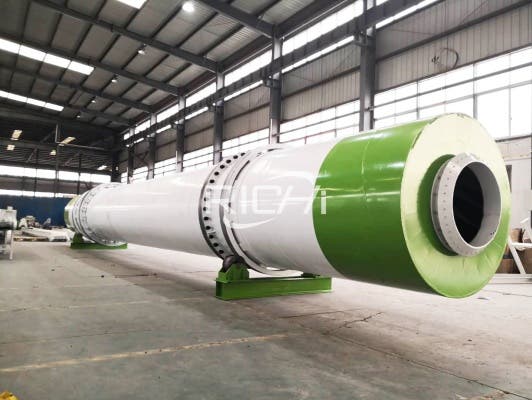
A typical commercial bamboo pellet production process begins with raw material preparation. Bamboo residues are first crushed into uniform particles and then dried until the moisture content reaches approximately 10% to 15%. Proper moisture control is crucial because excessive moisture can reduce pellet density, while overly dry materials may cause poor pellet formation and increased dust generation.
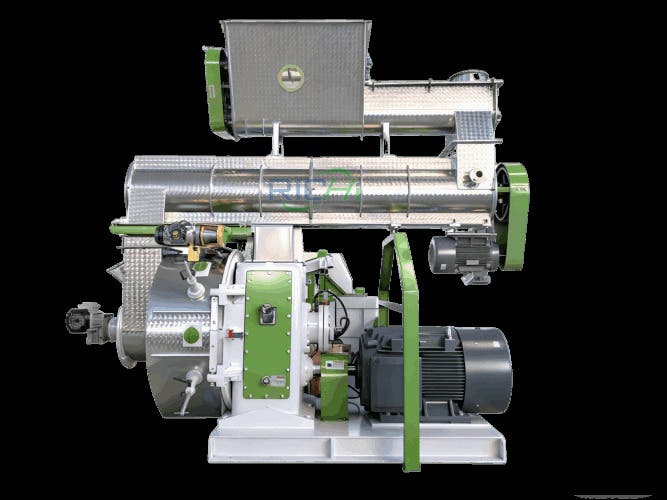
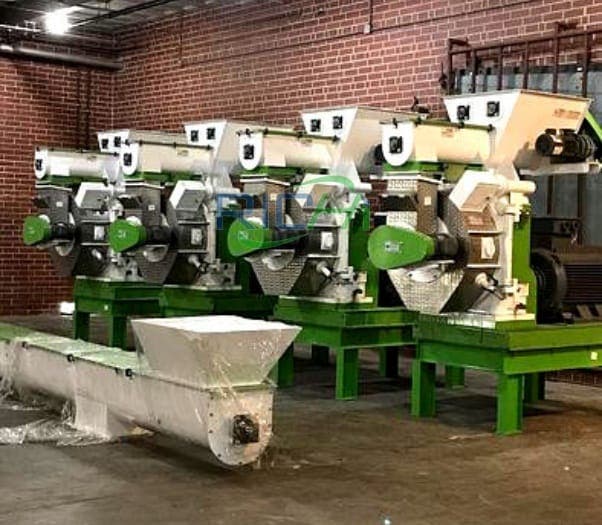
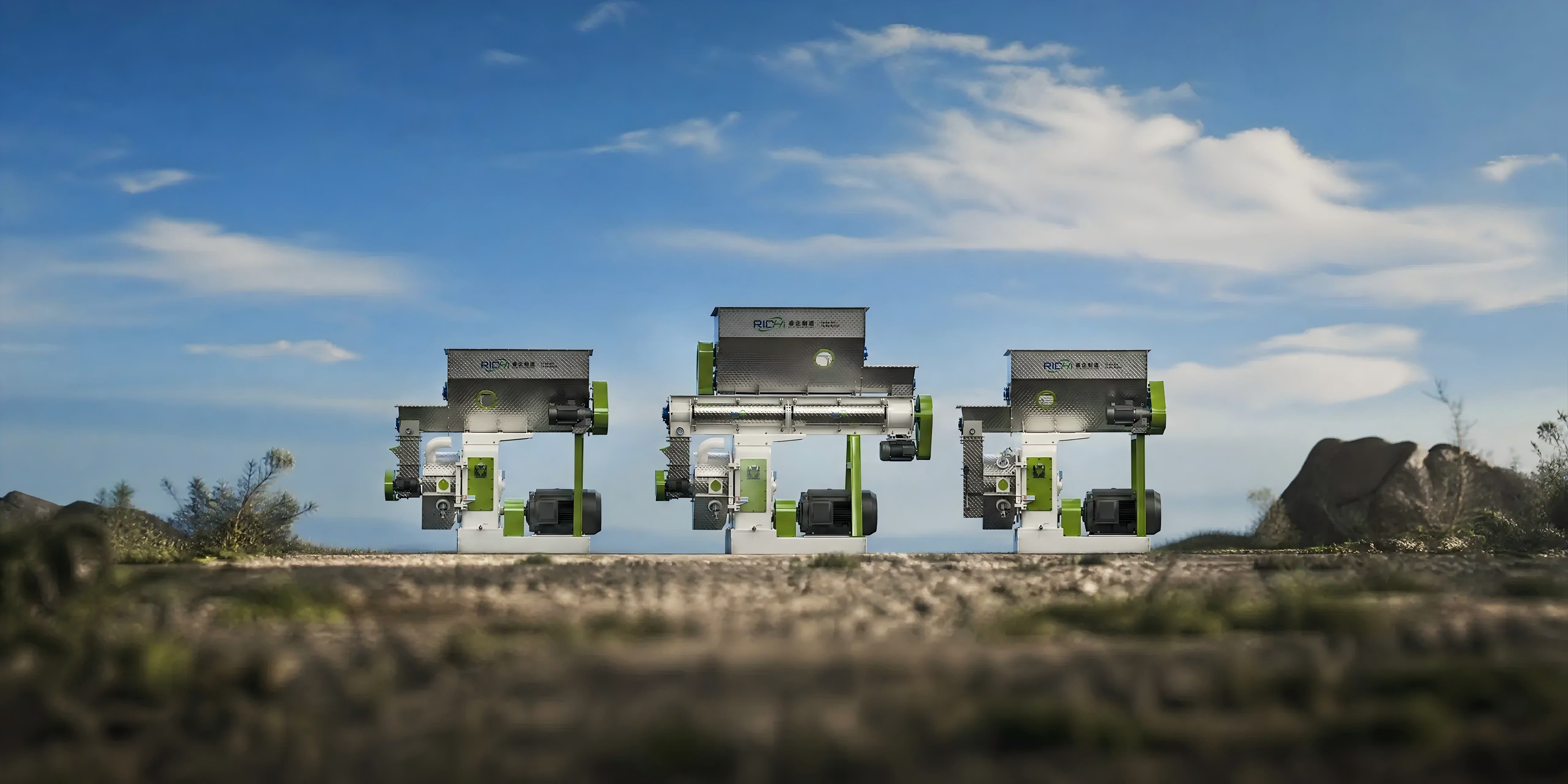
Once the raw materials are properly prepared, they enter the commercial bamboo pellet machine. Inside the pellet chamber, feed rollers continuously compress the bamboo particles against a rotating ring die. The pressure and friction generated during this process soften the natural lignin contained in bamboo, allowing the fibers to bond together without the need for chemical binders. The compressed material is then extruded through the die holes and cut into pellets of uniform length.
pelletisingmachine.com/bamboo-pellet-machine/
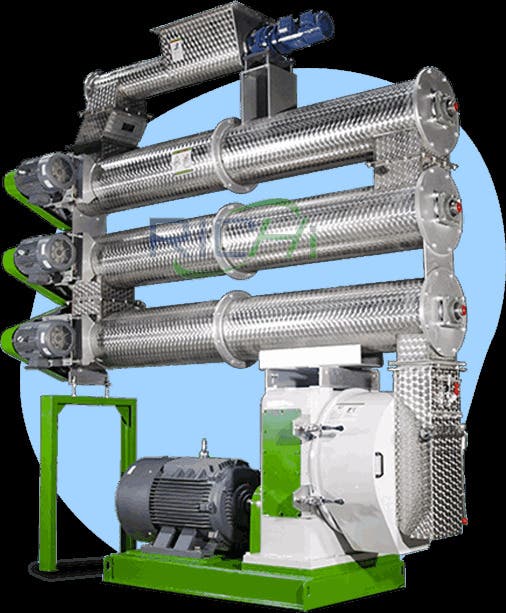
Fresh pellets are discharged at a relatively high temperature and should pass through a cooling system before storage or packaging. Cooling improves pellet hardness, reduces moisture migration, and enhances durability during transportation. After cooling, vibrating screens remove fine particles and broken pellets, ensuring that only qualified products proceed to the packaging stage.
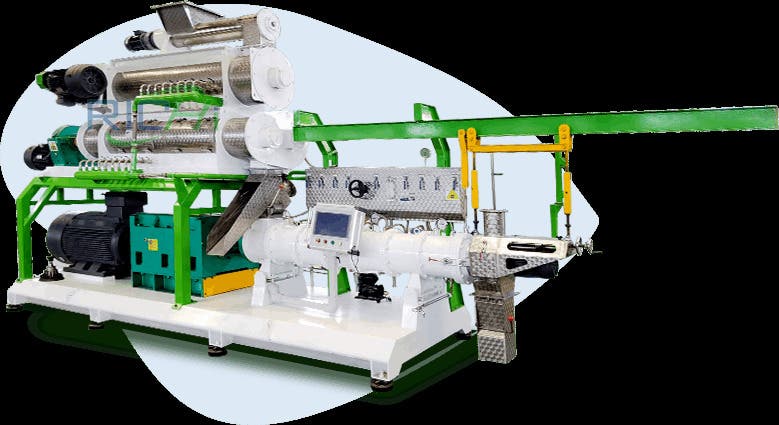
One of the major advantages of a commercial bamboo pellet machine is its ability to operate continuously under demanding production conditions. High-quality machines are equipped with wear-resistant ring dies, durable rollers, heavy-duty bearings, and efficient gear transmission systems. Automated feeding devices help maintain a stable material flow, while PLC control systems allow operators to monitor production parameters, improve efficiency, and reduce manual intervention.
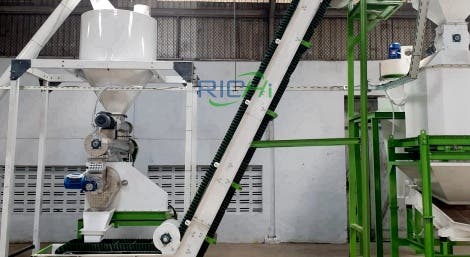
Commercial bamboo pellet equipment is widely used by biomass fuel manufacturers, bamboo processing factories, forestry enterprises, renewable energy companies, and industrial heating fuel suppliers. Depending on production requirements, complete pellet plants may also include crushing equipment, dryers, conveyors, coolers, screening systems, dust collection units, and automatic packaging machines, creating an integrated production line that maximizes productivity.
When selecting a pellet machine, investors should evaluate factors such as raw material characteristics, production capacity, energy consumption, maintenance requirements, automation level, and future expansion plans. Choosing equipment that is specifically designed for bamboo materials helps improve pellet quality while minimizing component wear caused by the material's fibrous structure.
As the renewable energy market continues to expand, bamboo pellets are expected to play an increasingly important role in replacing conventional fossil fuels. Investing in a high-performance commercial bamboo pellet machine enables manufacturers to efficiently convert bamboo residues into premium biomass fuel, creating long-term economic value while supporting sustainable energy development and environmental protection.