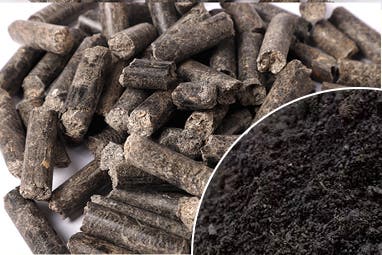
The growing demand for renewable energy has encouraged industries to explore better ways to utilize biomass resources. Bamboo, as a fast-growing and renewable material, has become an attractive raw material for producing biomass pellets. With abundant availability and excellent processing characteristics, bamboo provides an effective solution for converting agricultural and industrial waste into valuable renewable products.
During bamboo cultivation and processing, large amounts of residues are generated, including bamboo branches, bamboo chips, bamboo sawdust, and bamboo scraps. Traditionally, these wastes were often burned or discarded, resulting in resource loss and environmental problems. Through modern pelletizing technology, bamboo residues can be transformed into high-density pellets with stable combustion performance, convenient storage, and easy transportation.
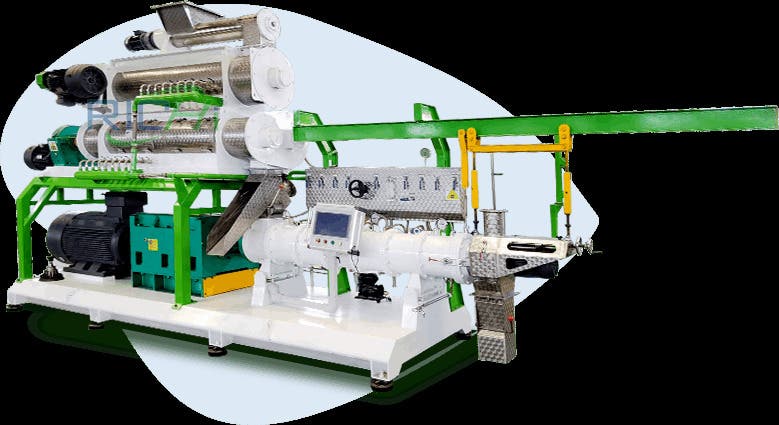
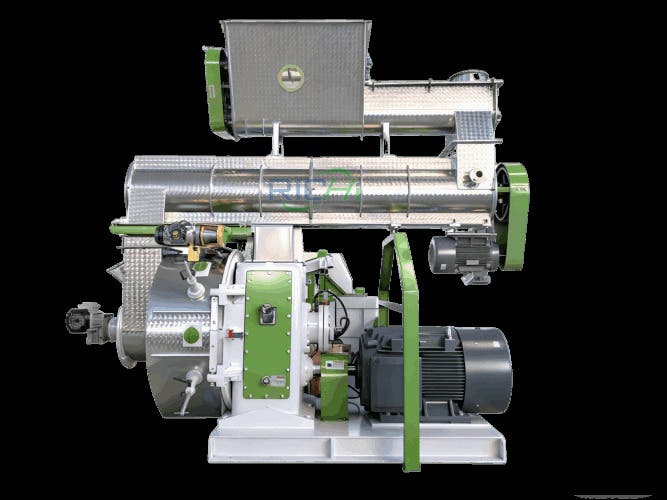
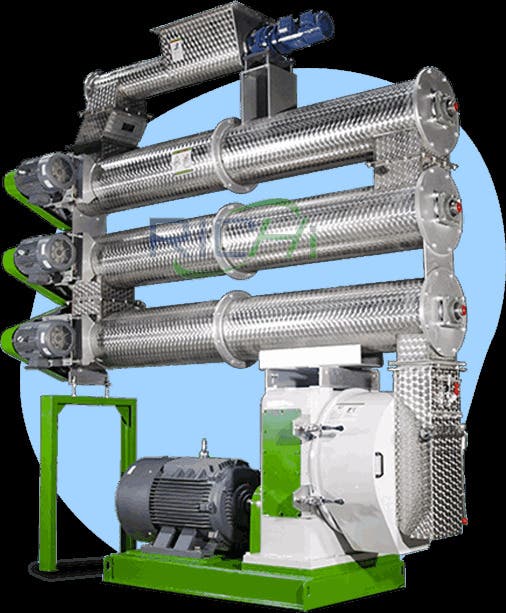
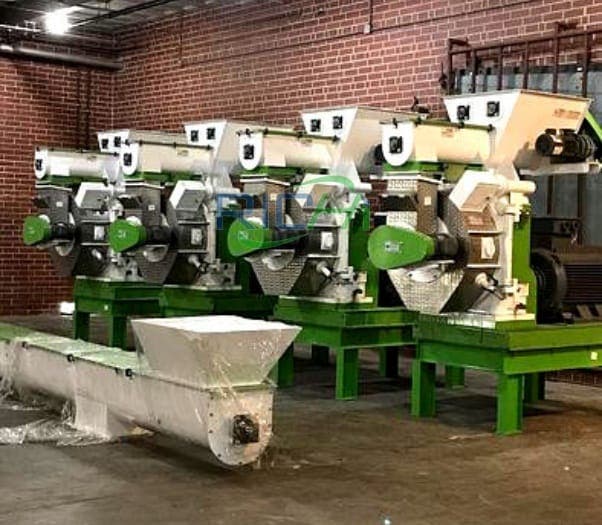
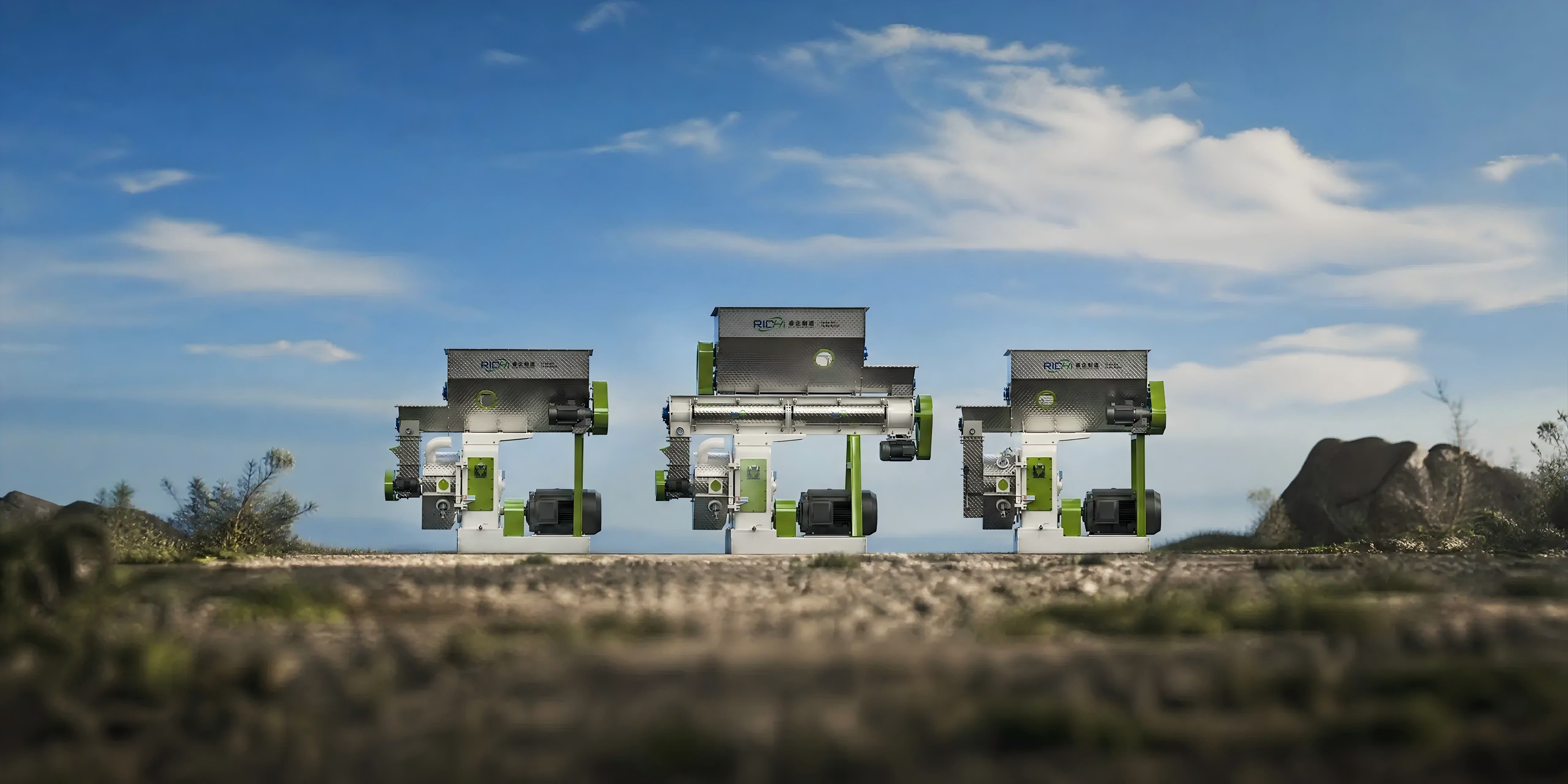
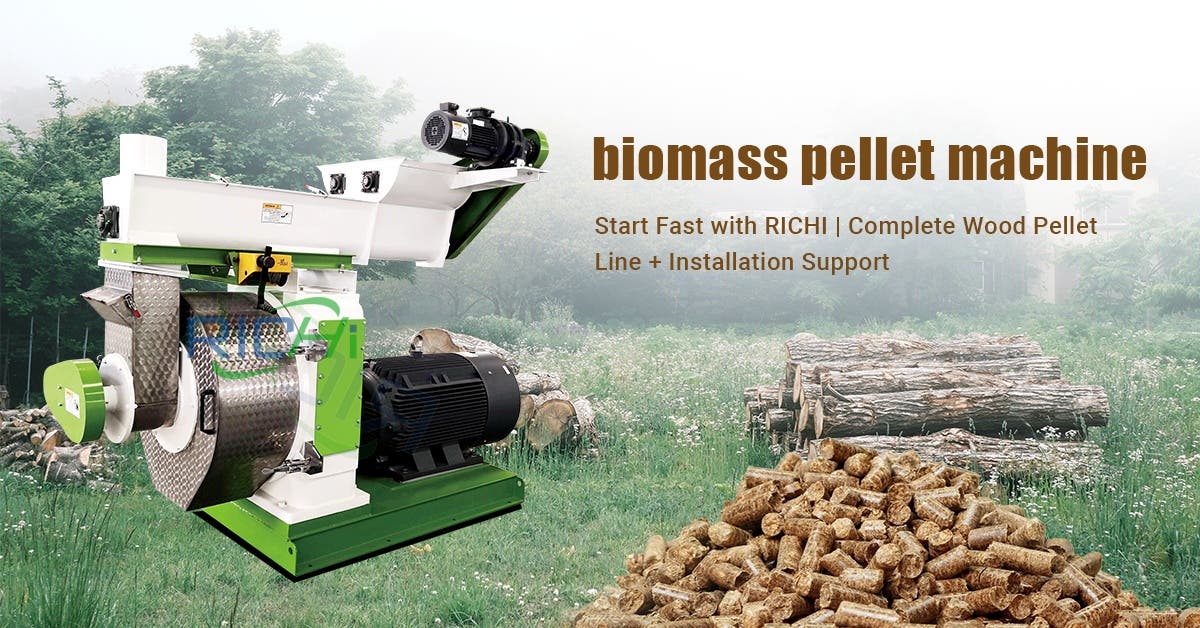
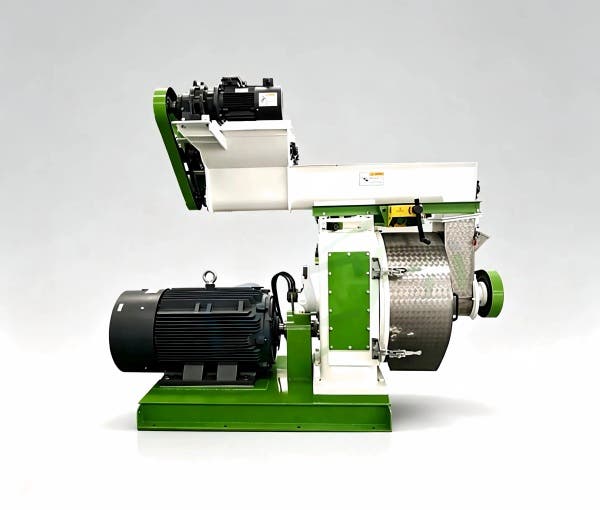
A professional bamboo pellet maker is the key equipment for producing high-quality bamboo pellets. It compresses prepared bamboo materials under high pressure, allowing natural lignin in bamboo to act as a binder during the pelletizing process. The result is durable and uniform pellets that can be used in various applications.
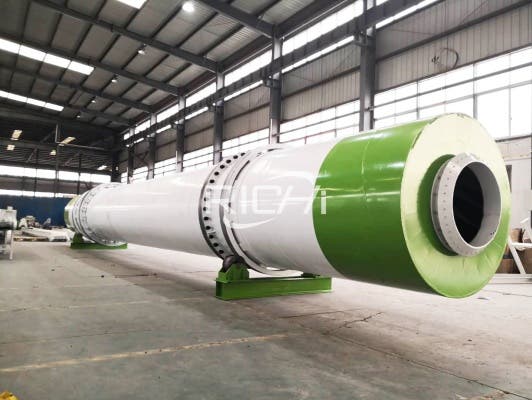
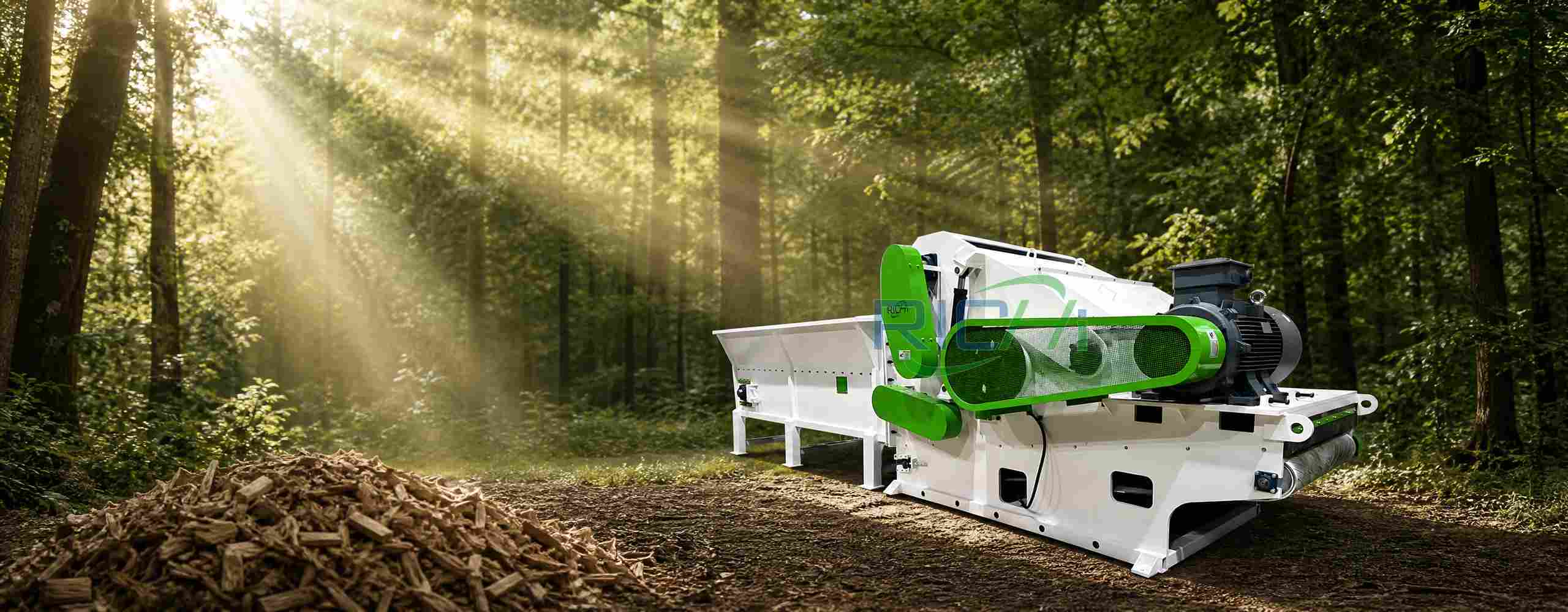
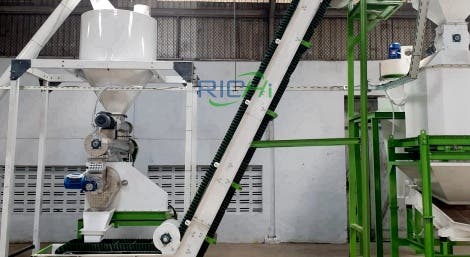
Before pelletizing, bamboo waste usually needs to go through several processing steps. Large bamboo materials are first crushed into suitable particle sizes, and the moisture content is adjusted through drying to achieve better pellet formation. After preparation, the materials enter the pelletizing stage, where the bamboo pellet maker compresses them into cylindrical pellets. The finished pellets are then cooled, screened, and packaged for transportation or storage.
Bamboo pellets are widely used as renewable fuel in industrial boilers, biomass power plants, heating systems, and manufacturing facilities. Compared with loose bamboo waste, pellets have higher density, better combustion efficiency, and lower transportation costs. In addition, bamboo pellets can also be used as environmentally friendly animal bedding materials due to their good absorbency and easy handling characteristics.
pelletisingmachine.com/bamboo-pellet-machine/
The advantages of bamboo pellet production extend beyond energy generation. By recycling bamboo waste, manufacturers can reduce disposal costs, improve resource utilization, and create additional economic value. For regions with abundant bamboo resources, establishing a bamboo pellet production project can provide new opportunities in the renewable energy market.
Selecting suitable pellet equipment is essential for achieving stable production and high-quality output. A reliable bamboo pellet maker should provide efficient compression, continuous operation, low energy consumption, and consistent pellet quality. With proper equipment configuration and production management, businesses can process different types of bamboo residues and develop competitive biomass products.
As global industries continue to focus on clean energy and sustainable development, bamboo pellets will play an increasingly important role in the biomass market. By turning bamboo waste into renewable fuel, pellet production not only supports environmental protection but also creates new opportunities for resource recycling and green energy development.