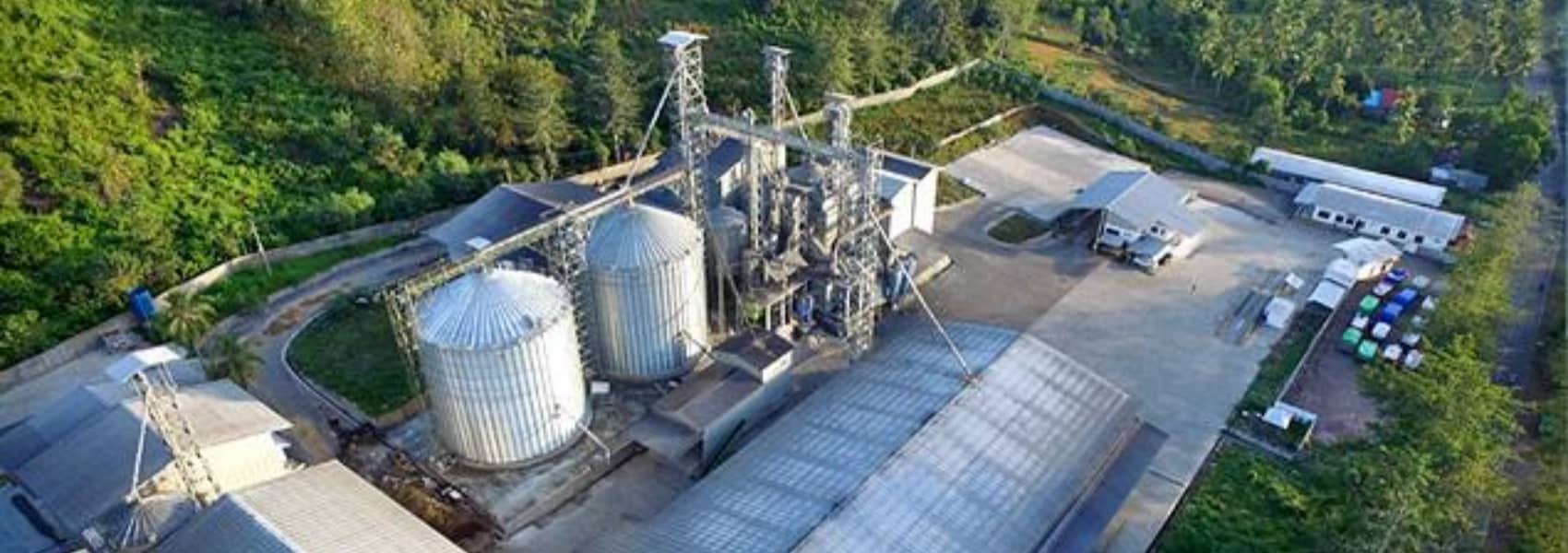
Malaysia’s agricultural industry is experiencing continuous development as farmers and businesses search for more efficient ways to support livestock production. With increasing demand for poultry, livestock, and aquaculture products, reliable animal nutrition has become an important part of the country’s agricultural supply chain.
Feed production is no longer focused only on increasing output. Modern producers are paying more attention to quality control, resource efficiency, and sustainable manufacturing methods. This transformation is driving changes across the feed mill industry in malaysia, where companies are upgrading their production capabilities to meet new market expectations.
Improving Feed Quality Through Technology
Animal feed directly influences livestock growth, production efficiency, and farm performance. As agricultural operations become more professional, producers require feed products with consistent quality and better nutritional balance.
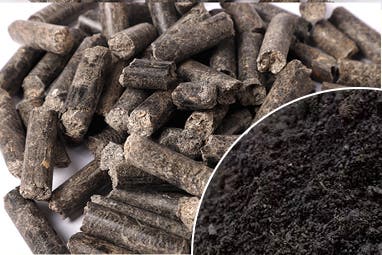
Pellet feed has become increasingly popular because it offers advantages in storage, transportation, and animal consumption. Compared with traditional loose feed, pellets provide better uniformity and reduce material separation during handling.
To support this development, many businesses are investing in improved processing systems that can handle different raw materials efficiently. Agricultural resources such as corn, rice bran, cassava, and other local materials provide opportunities for more flexible feed production.
Making Better Use of Local Resources
Malaysia has abundant agricultural resources that can contribute to feed manufacturing. However, different materials require suitable processing methods to achieve stable results.
High-fiber agricultural materials, for example, need proper preparation before they can be used effectively. Advanced pellet processing technology helps transform these resources into practical feed products while reducing waste.
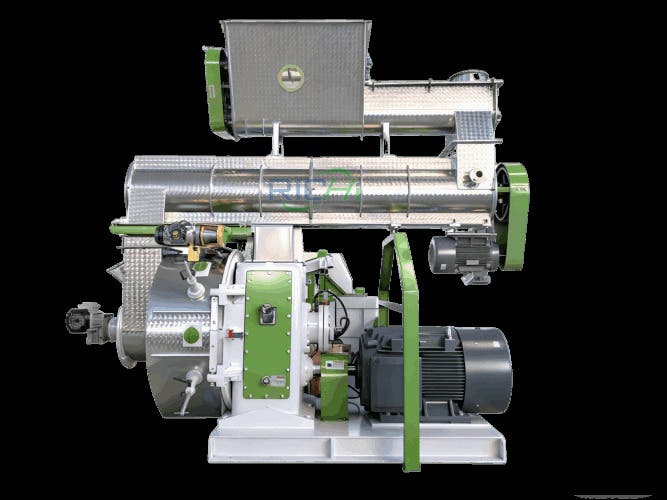
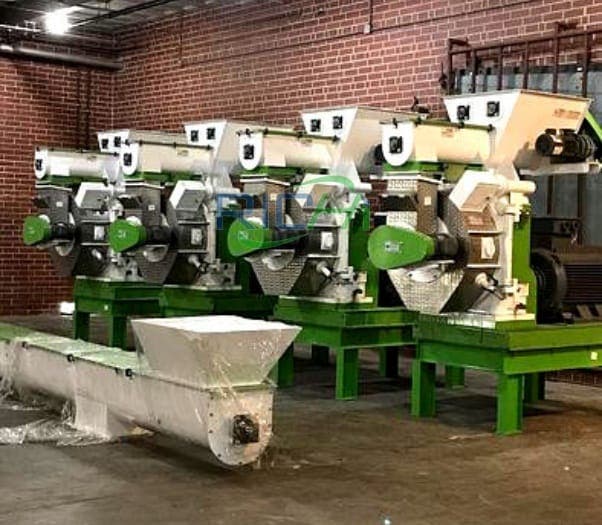
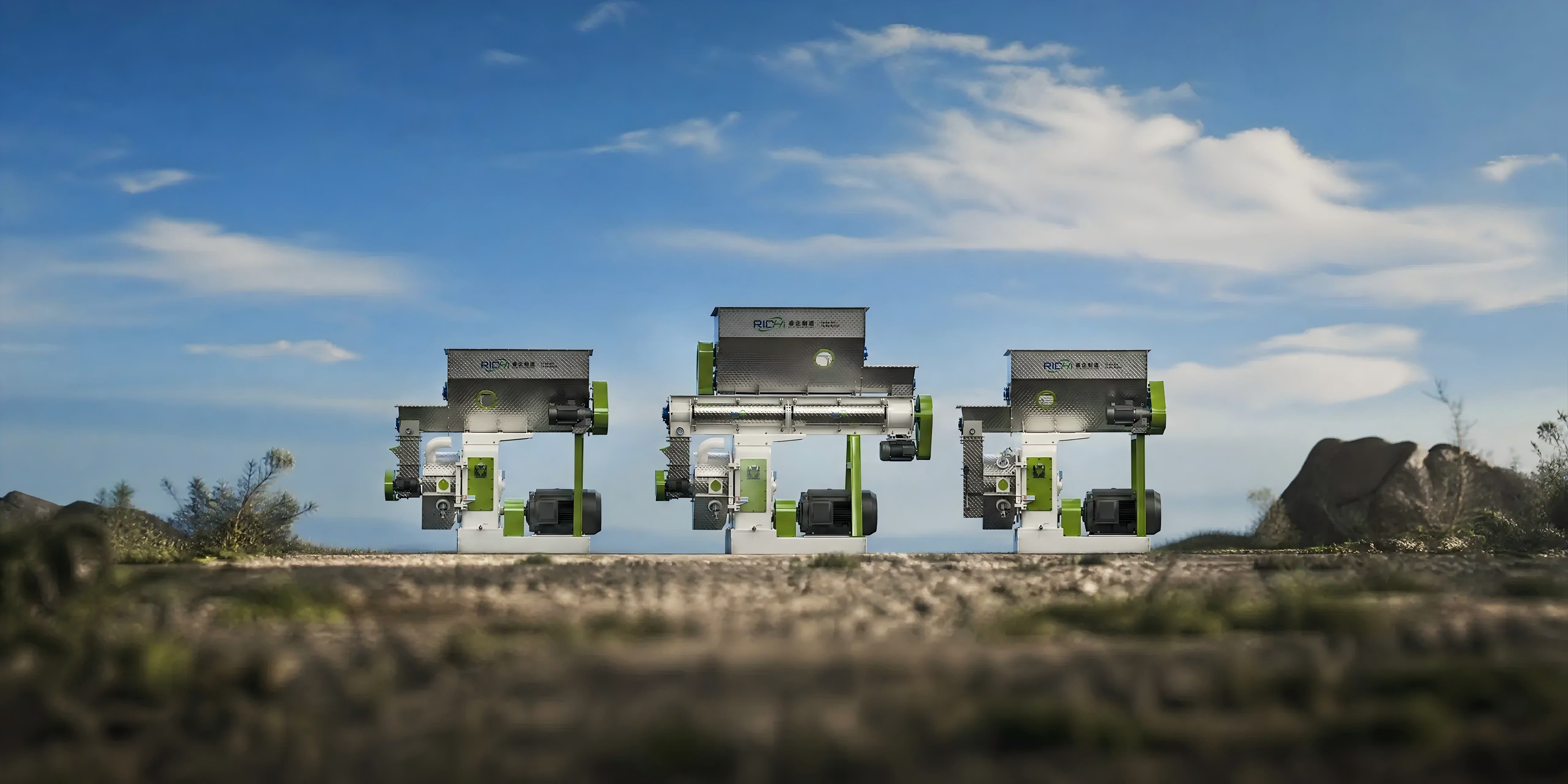
Equipment designed for specific applications, such as an industrial hay pellet machine for sale, can help businesses process fibrous materials and improve resource utilization.
This approach supports a more sustainable agricultural system by creating additional value from locally available materials.
The Future of Feed Manufacturing in Malaysia
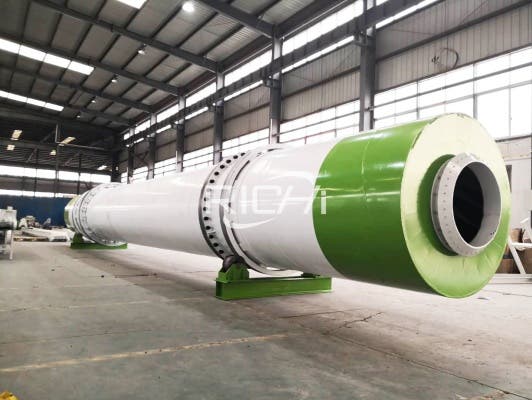
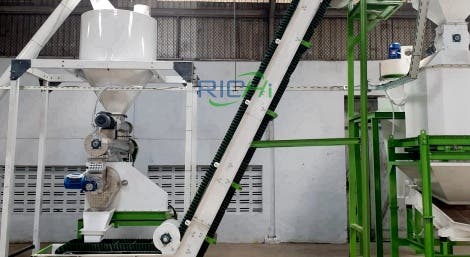
Technology continues to play an important role in the development of Malaysia’s feed sector. Automated systems, improved production control, and efficient processing equipment are helping manufacturers reduce costs and maintain consistent quality.
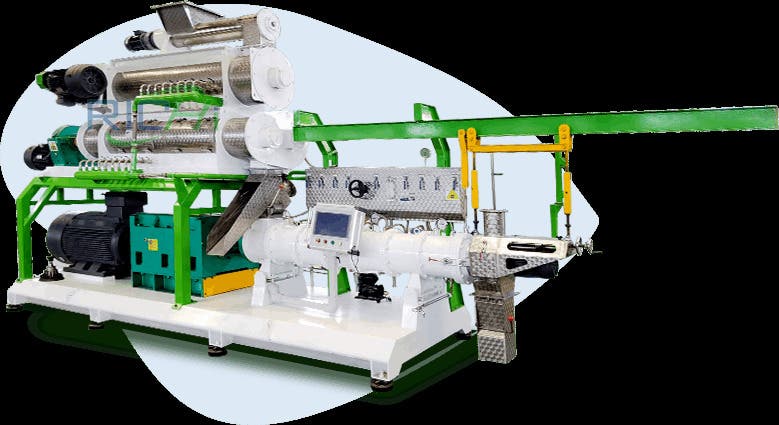
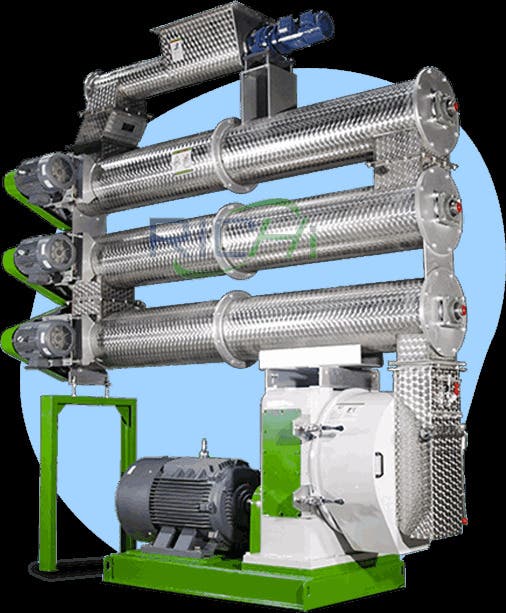
A modern production facility requires reliable equipment that can adapt to changing raw materials and production demands. For many businesses, selecting the right pellet press is an important step in improving production efficiency.
Industry professionals also continue following agricultural trends and technical discussions through resources such as blog here to understand how feed production is evolving.
Supporting Sustainable Agricultural Growth
The modernization of feed production is not only about improving efficiency. It also supports broader sustainability goals by encouraging better use of agricultural resources and reducing unnecessary waste.
As Malaysia’s livestock industry continues to expand, demand for advanced feed solutions is expected to grow. Businesses that adopt efficient technologies and sustainable practices will be better prepared for future opportunities.
Malaysia’s feed sector is entering a new stage of development, where innovation, resource management, and modern production methods will shape the future of agricultural growth.