Albany, NY|Local Classified|For Sale|

How Agricultural Waste Recycling Is Creating New Biomass Opportunities
Introduction
With the growth of sustainable development, industries are searching for better ways to manage waste materials. Wood waste, agricultural residues, and discarded pallets are no longer only disposal problems. With proper processing, they can become valuable resources for renewable energy and recycled products.
Wooden pallets are widely used in logistics, warehouses, and manufacturing. After repeated use, many pallets become damaged and unsuitable for transportation. However, the wood inside these pallets still has great recycling potential.
By using advanced recycling technology, waste pallets can be processed into biomass fuel, recycled wood materials, and other useful products.
Why Waste Pallets Can Be Recycled
Wood pallets are usually made from strong and durable wood materials. Even after damage, they still contain valuable fibers and biomass energy.
Recycled pallet wood can be used for:
- Biomass fuel production
- Composite board manufacturing
- Construction materials
- Agricultural applications
Among these applications, biomass pellet production is becoming increasingly popular because it helps industries reduce dependence on traditional fuels.
Challenges of Processing Waste Pallets
Although waste pallets have high recycling value, they are not easy to process directly.
First, pallets have large and irregular structures. Their size makes transportation, storage, and feeding more difficult.
Second, most pallets contain metal components such as nails and screws. These parts need to be removed or separated to protect downstream equipment.
In addition, waste pallets from different sources may have different moisture levels and contamination conditions. Therefore, companies need reliable processing equipment that can handle various raw materials.
Waste Pallet Recycling Process
A complete recycling process usually includes several steps.
Collection and Sorting
Waste pallets are collected from warehouses, factories, logistics centers, and other industrial locations. Before processing, recyclable materials are separated from unsuitable ones.
Crushing and Size Reduction
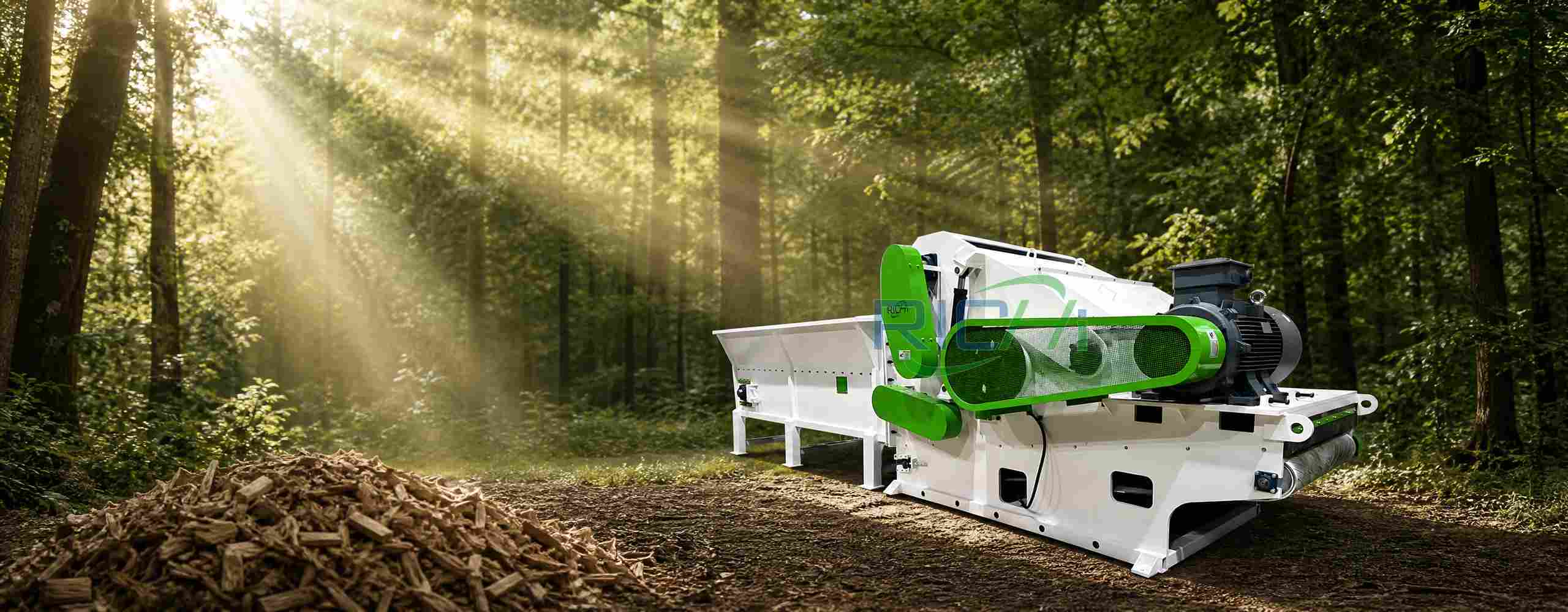
The first important processing step is reducing pallet size. A professional waste pallet recycling machine can crush large wooden pallets into smaller pieces, improving transportation efficiency and preparing materials for further use.
Drying and Preparation
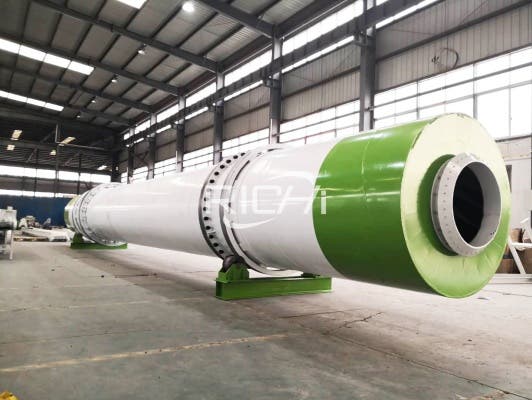
If the recycled wood is used for biomass production, moisture adjustment is necessary. Proper preparation improves pellet quality and production efficiency.
Producing Biomass Fuel from Waste Wood
After crushing and preparation, recycled pallet materials can be used for biomass pellet production.
The typical process includes:
Crushing → Drying → Grinding → Pelletizing → Cooling → Packaging
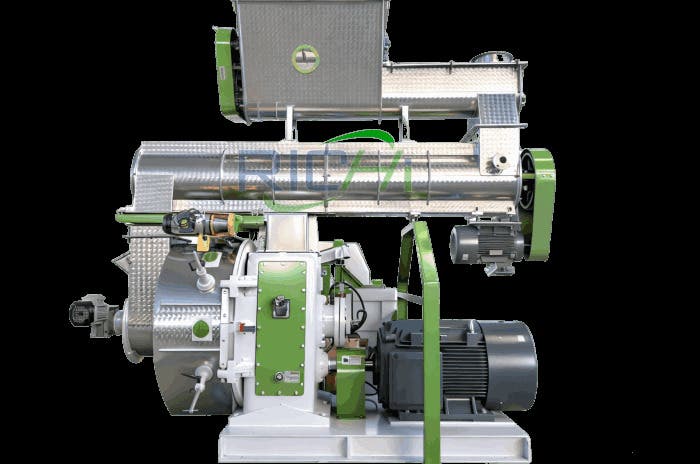
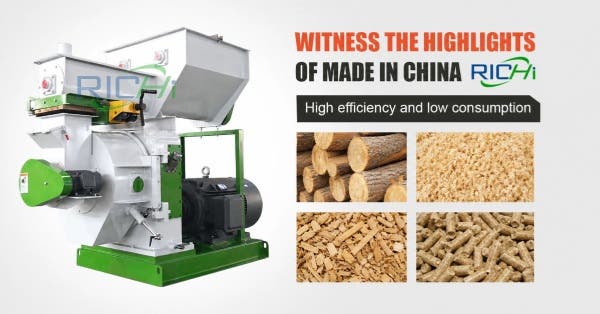
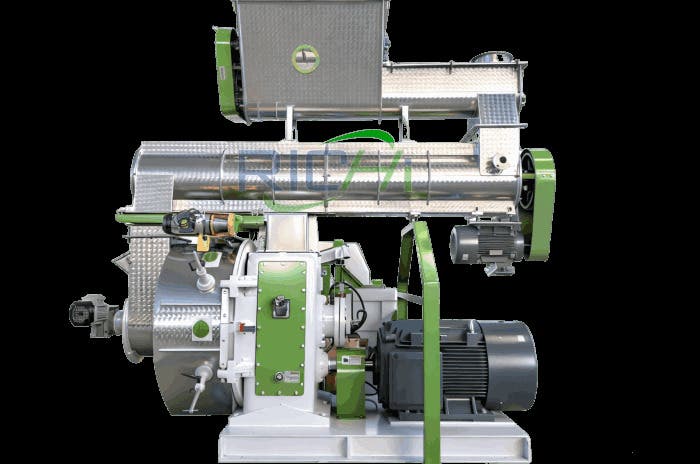
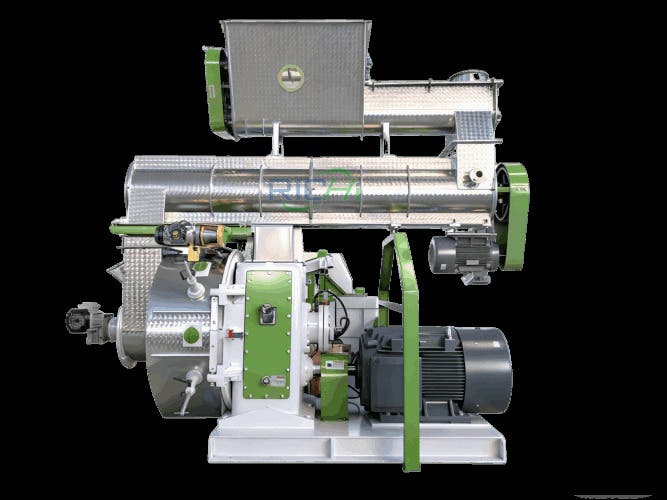
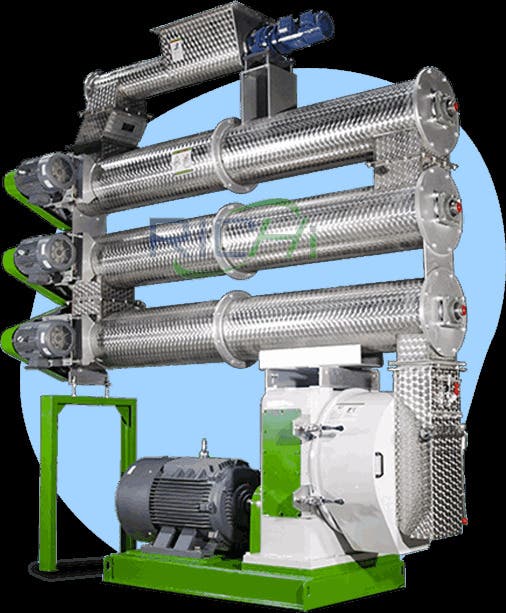
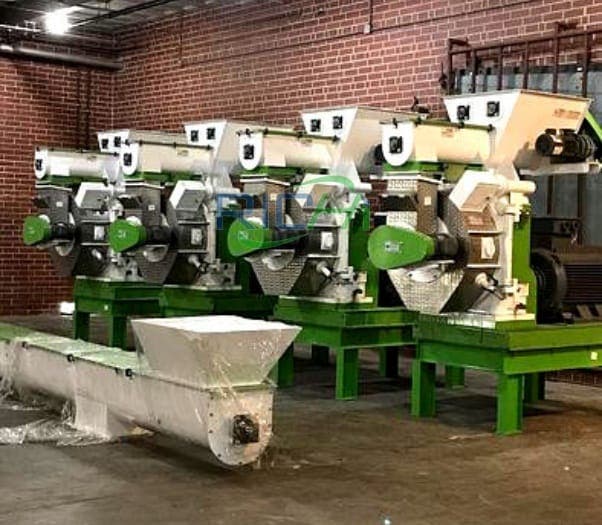
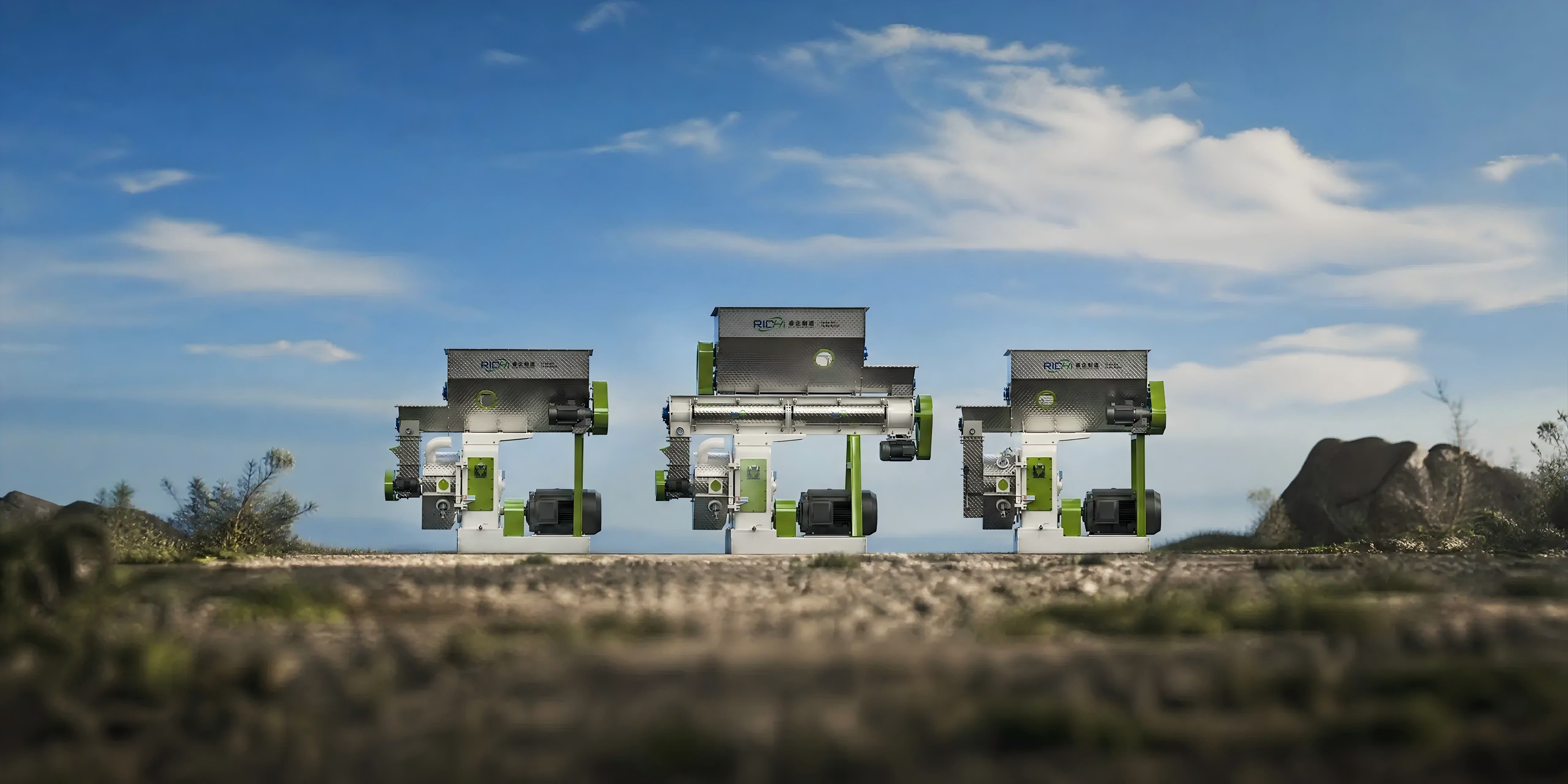
An advanced industrial wood pellet machine for biomass fuel can compress prepared wood materials into high-density pellets.
Compared with loose wood waste, biomass pellets provide:
- Easier transportation
- Better storage performance
- More stable combustion
- Higher energy density
These advantages make recycled wood pellets an attractive renewable energy solution.
Planning a Waste Wood Recycling Project
Before investing in recycling equipment, companies should consider several factors.
Raw Material Supply
A stable supply of waste pallets is essential. Businesses should evaluate:
- Available pallet quantity
- Collection sources
- Long-term supply stability
Production Requirements
Different applications require different equipment designs. Companies should determine whether they want to produce biomass fuel, recycled wood products, or other materials.
A professional wood recycling system design can help integrate crushing, processing, and production stages into an efficient solution.
Future Development of Wood Recycling
The demand for sustainable resource utilization continues to grow. Future recycling systems will focus on:
- Higher automation
- Lower energy consumption
- Improved processing efficiency
- Better resource utilization
Waste pallets and other wood residues will continue becoming important resources in the circular economy.
Conclusion
Waste pallets should not be considered useless materials. Through efficient recycling technology, discarded wood can be transformed into valuable biomass fuel and recycled products.
By reducing waste and improving resource utilization, pallet recycling helps companies achieve both economic benefits and environmental goals.
Related Post:pelletizerequipment.com/corn-stalk-pellet-machine/