Dairy farms generate large amounts of manure every day, making effective waste management an important part of modern livestock production. Rather than treating dairy manure as a disposal problem, many farms and fertilizer manufacturers are turning it into a valuable organic fertilizer that supports sustainable agriculture and creates additional revenue. With the help of modern processing equipment, fresh manure can be converted into durable fertilizer pellets that are easy to store, transport, and apply.
The first stage of production is raw material preparation. Fresh dairy manure is collected and inspected to remove impurities such as stones, plastic, and metal objects. Because dairy manure usually has a high moisture content, dry materials such as rice husks, sawdust, straw, or corn stalks are often added to improve the carbon-to-nitrogen ratio and create suitable conditions for composting.
The prepared material then enters the composting process. During aerobic fermentation, beneficial microorganisms break down organic matter while generating heat that destroys harmful bacteria, parasite eggs, and weed seeds. Composting also reduces unpleasant odors, lowers moisture content, and converts unstable nutrients into forms that plants can absorb more efficiently. Proper fermentation generally takes several weeks, depending on the raw materials and environmental conditions.
Once composting is complete, the mature material is crushed into fine particles to ensure uniform processing. At this stage, manufacturers may also add humic acid, beneficial microbes, or trace elements to enhance the fertilizer's nutritional value and improve its performance in different soil conditions.
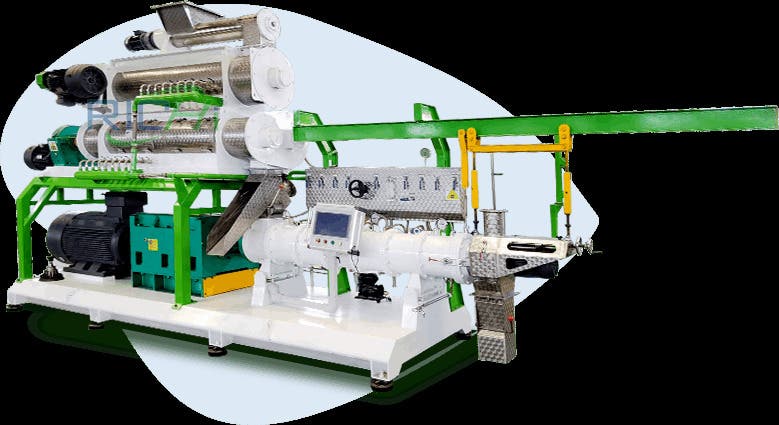
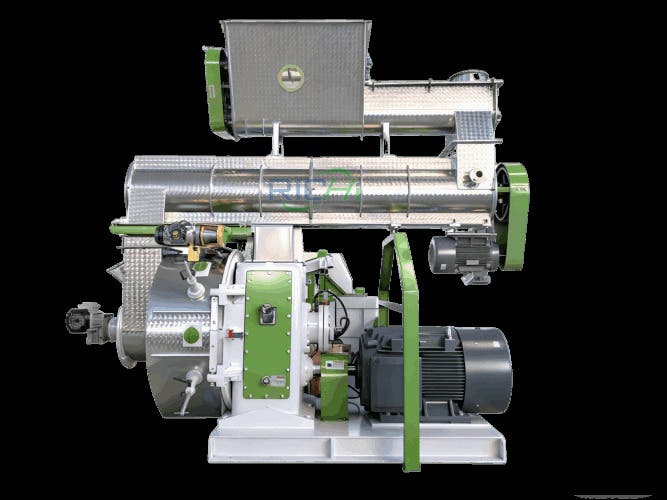
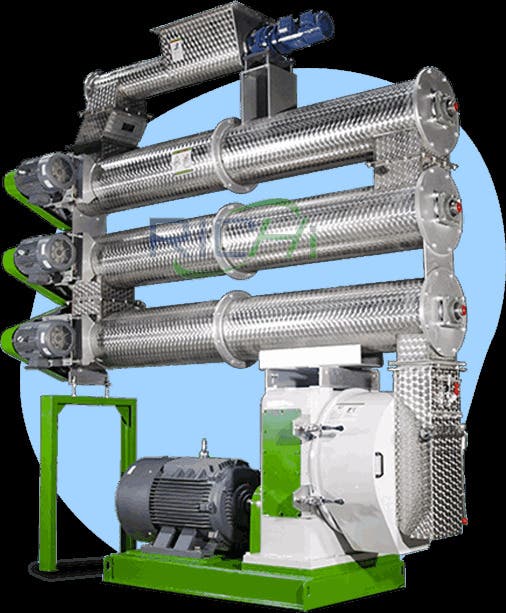
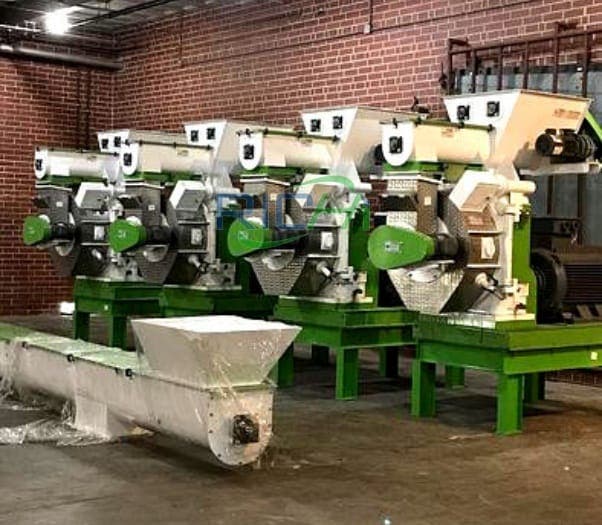
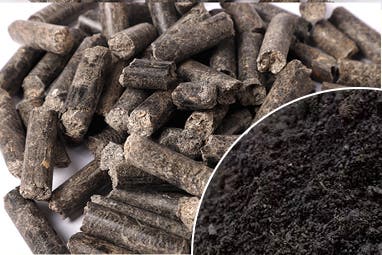
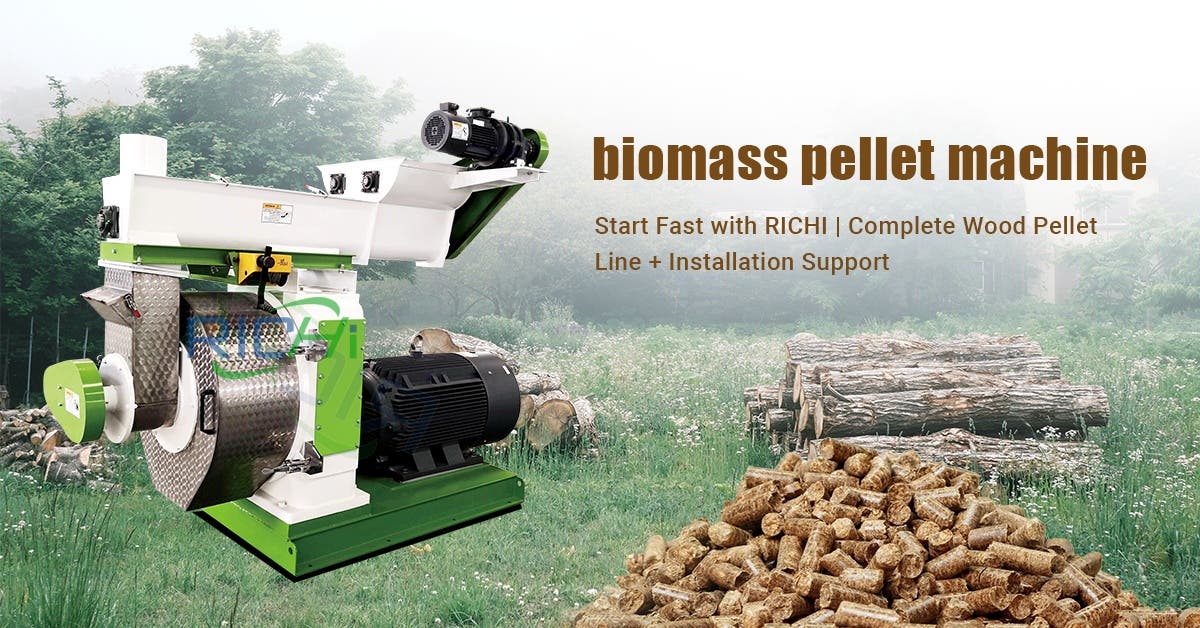
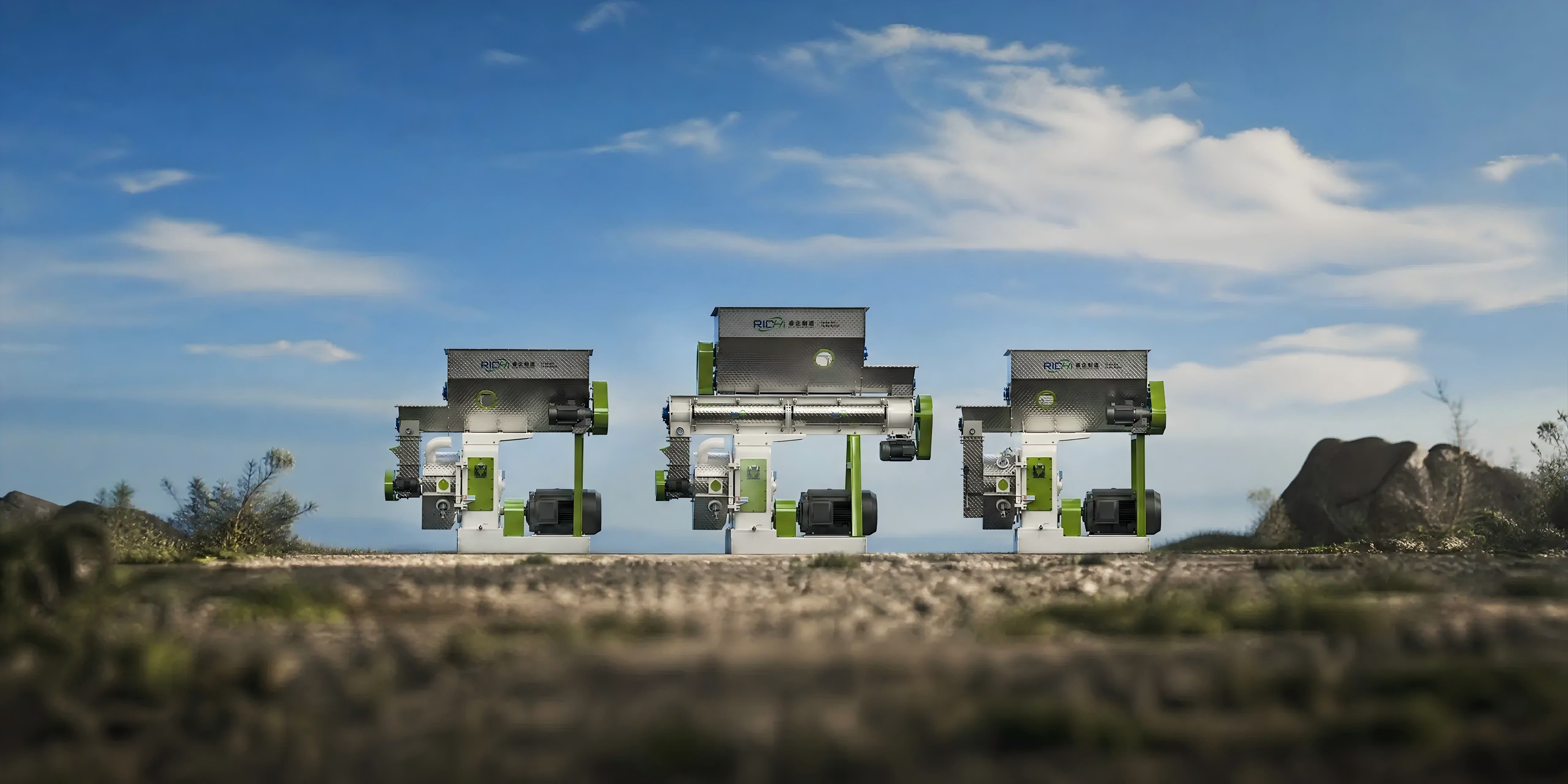
The next step is pelletizing. A dairy manure pellet machine compresses the composted material into dense and uniform fertilizer pellets. Pelletized fertilizer offers significant advantages over loose compost, including higher bulk density, better storage stability, reduced dust, and easier handling. Uniform pellets can also be applied more accurately with modern agricultural equipment, improving fertilizer efficiency in the field.
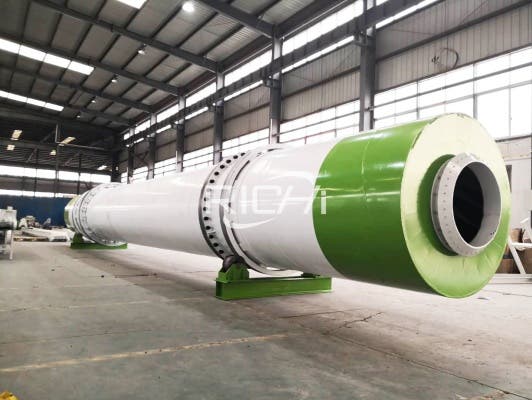
Fresh pellets contain excess moisture immediately after pelletizing, so they are transferred to a rotary dryer. The drying process reduces moisture content to a suitable level for storage and transportation while increasing pellet hardness. After drying, the pellets enter a cooling system where their temperature is gradually reduced to prevent condensation and maintain product quality.
The cooled fertilizer then passes through a vibrating screen that separates qualified pellets from oversized particles and fine powder. Any unqualified material is recycled back into the production process, minimizing waste and improving production efficiency.
Finally, the finished fertilizer pellets are automatically weighed and packaged into bags of various sizes, such as 10 kg, 25 kg, or 50 kg, according to market demand.
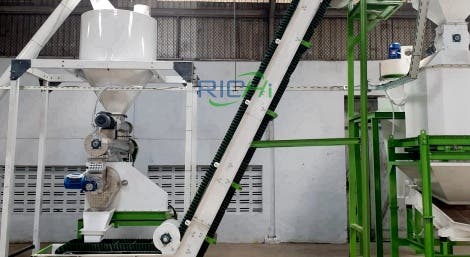
A complete dairy manure fertilizer production line typically consists of a compost turner, crusher, mixer, dairy manure pellet machine, rotary dryer, cooler, vibrating screen, conveyor system, automatic packaging machine, and PLC control system. Depending on production requirements, the line can be configured for capacities ranging from small farm operations to large industrial fertilizer plants.
pelletisingmachine.com/organic-fertilizer-production-line/
Recycling dairy manure into organic fertilizer offers numerous economic and environmental benefits. It reduces waste disposal costs, minimizes pollution, improves soil fertility, and creates a valuable product for commercial sale. As demand for organic fertilizers continues to grow worldwide, investing in a dairy manure pellet machine provides an efficient and sustainable solution for transforming livestock waste into premium fertilizer while supporting the development of environmentally responsible agriculture.