Albany, NY|Local Classified|For Sale|

Efficient Alfalfa Pellet Production for Modern Livestock Farming
Alfalfa is widely recognized as one of the most valuable forage crops in animal husbandry due to its high nutritional value, excellent palatability, and rich fiber content. It is commonly used in dairy cattle, beef cattle, horse, sheep, and goat feeding programs. However, traditional loose alfalfa hay has limitations in storage, transportation, and feeding management. Converting alfalfa into pellets provides an efficient solution for improving forage utilization and reducing handling costs.
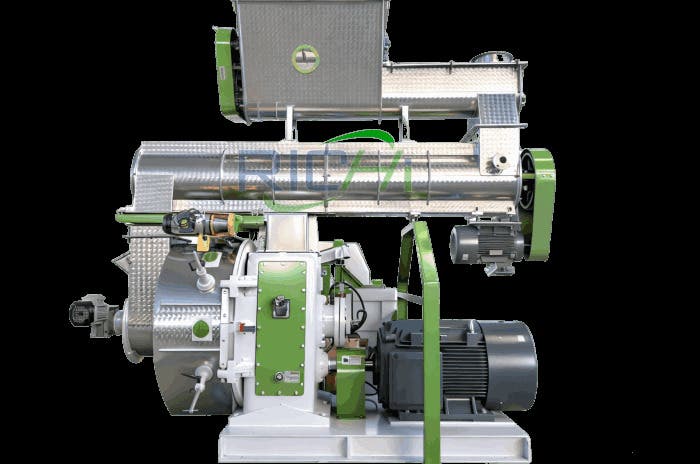
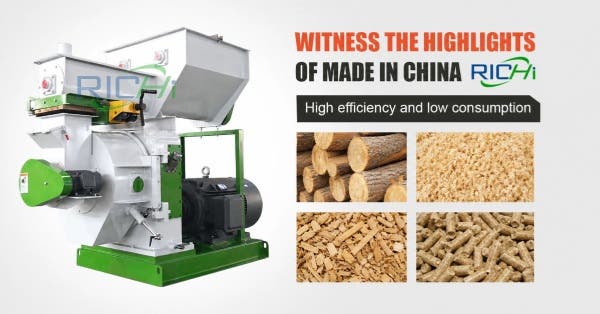
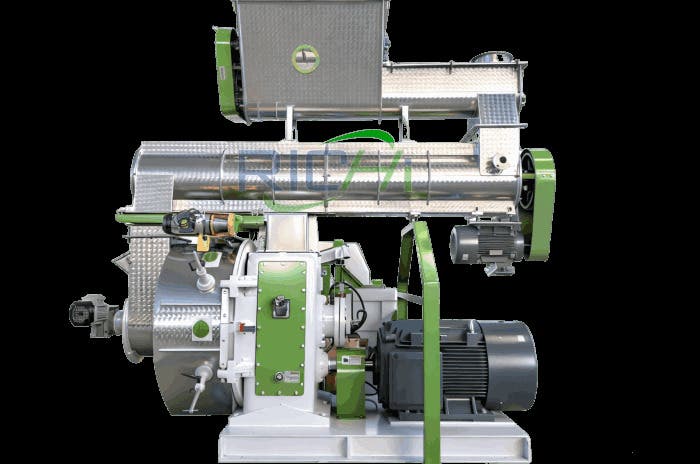
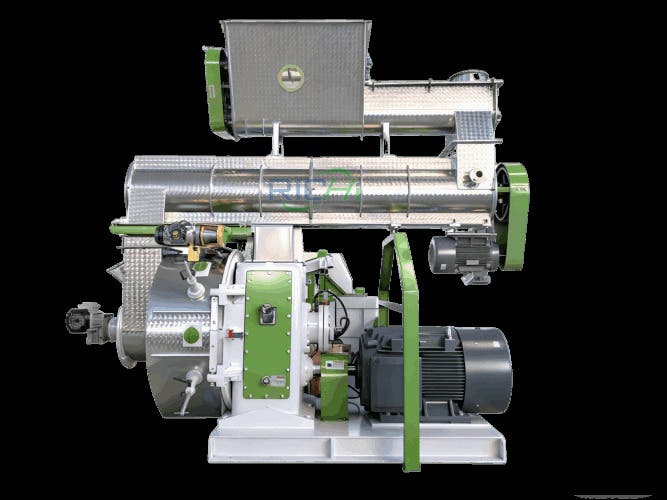
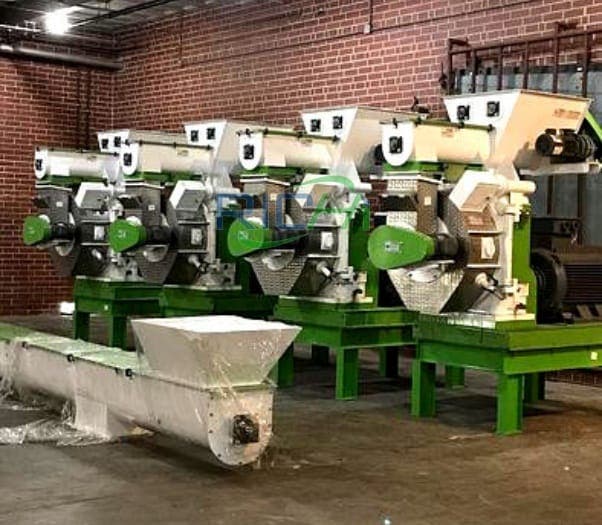
An alfalfa pellet mill is specially designed to process dried alfalfa into compact and uniform forage pellets. Through crushing, conditioning, and mechanical compression, the machine transforms loose hay materials into dense pellets with better storage stability and easier transportation characteristics. Compared with conventional hay bales, alfalfa pellets occupy less space, reduce feed waste, and provide more consistent feeding results.
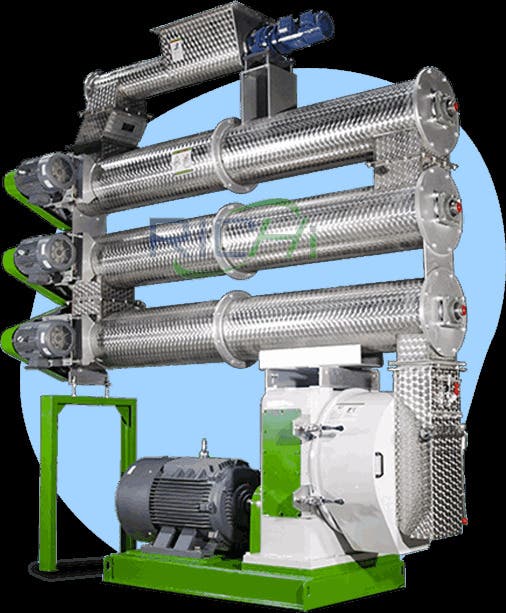
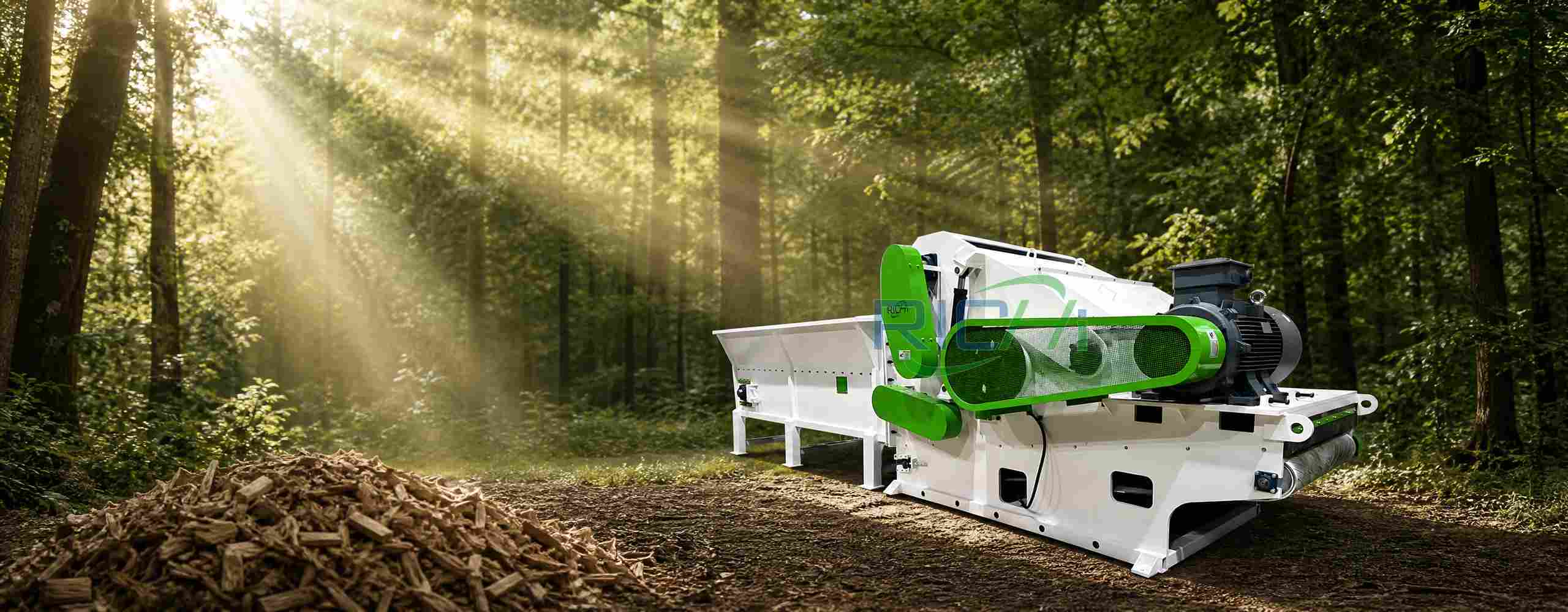
The production process of alfalfa pellets usually starts with raw material preparation. High-quality dried alfalfa is first crushed into suitable particle sizes to improve compression performance. Since alfalfa contains a large amount of fiber, proper particle size control is essential for producing durable pellets. After crushing, the material is conditioned by adding controlled moisture and heat. This process softens the plant fibers and improves their natural binding ability.
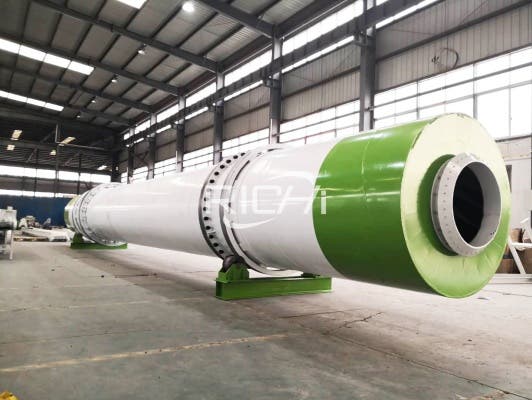
The prepared material then enters the pelletizing chamber of the machine. Inside the equipment, rollers press the alfalfa material through the die holes, forming cylindrical pellets under high pressure. The natural lignin contained in alfalfa acts as a binder, helping the pellets maintain their shape and strength. After pellet formation, the products are cooled and screened to remove broken particles before packaging or storage.
Using an alfalfa pellet production system offers multiple benefits for livestock producers. For dairy farms, pelletized alfalfa can be easily mixed with other feed ingredients to create balanced rations. For horse farms, alfalfa pellets provide a convenient alternative to loose hay, especially where storage space is limited. Sheep and goat producers can also benefit from reduced feed waste and improved feeding efficiency.
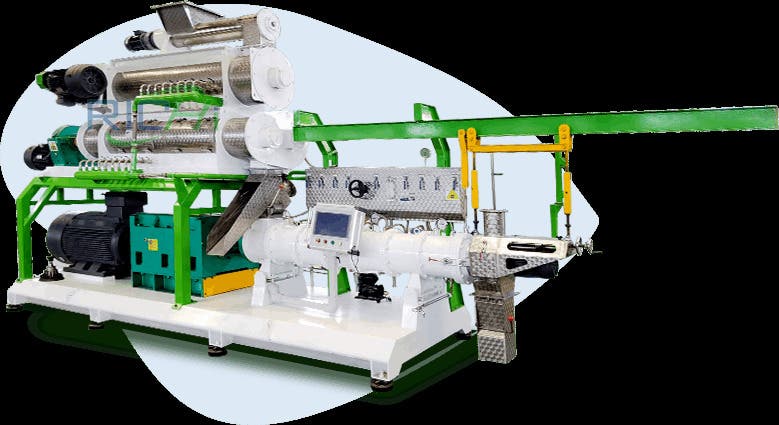
For commercial forage suppliers, investing in advanced alfalfa pellet mill creates opportunities to add value to agricultural resources. Instead of selling raw hay with limited profitability, businesses can produce standardized forage pellets with wider market applications. A properly designed production line can include crushing, mixing, conditioning, pelletizing, cooling, screening, and packaging systems to achieve continuous and efficient operation.
Modern alfalfa pellet equipment also supports automated production management. With intelligent control systems, operators can monitor production conditions, adjust processing parameters, and maintain stable pellet quality. This helps reduce labor costs and improve overall productivity.
As the demand for high-quality forage products continues to grow worldwide, alfalfa pellet processing technology will play an increasingly important role in modern livestock farming. By improving storage efficiency, reducing waste, and creating higher-value feed products, alfalfa pellet production provides a practical solution for farms and agricultural businesses seeking sustainable growth.