Albany, NY|Local Classified|For Sale|

Why More Aquaculture Businesses Are Comparing Sinking Fish Feed Machine Price
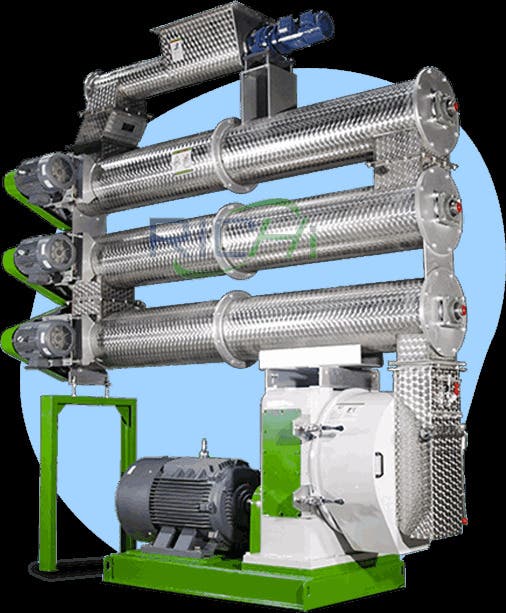
The rapid growth of global aquaculture has increased the demand for high-quality aquatic feed. Many fish farms and feed manufacturers are choosing to produce feed themselves to improve quality control, reduce costs, and respond more quickly to market demand.
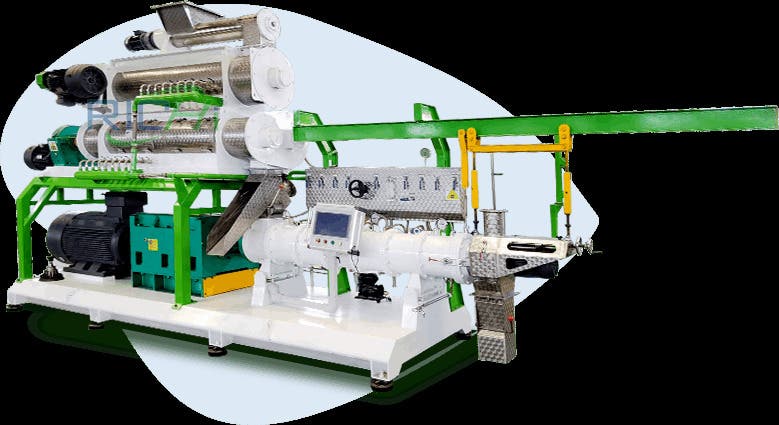
When investing in equipment, businesses should evaluate the sinking fish feed machine pricebased not only on purchase cost but also on production efficiency, maintenance requirements, and long-term return on investment.
Why Produce Your Own Fish Feed?
Manufacturing feed in-house offers several advantages:
- Better control of feed formulas
- Lower dependence on external suppliers
- More flexible use of local raw materials
- Reduced production costs
- Consistent pellet quality
These benefits make self-produced feed increasingly attractive for commercial aquaculture operations.
Features of High-Quality Sinking Feed
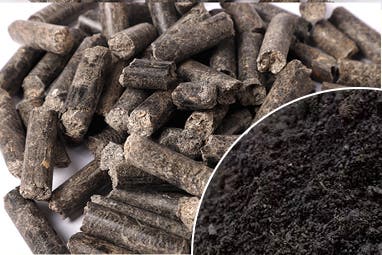
Sinking fish feed is widely used for species that feed below the water surface. Good-quality pellets should provide:
- Stable sinking performance
- Strong water resistance
- Uniform pellet size
- Consistent nutritional value
Reliable production equipment helps maintain these standards throughout the manufacturing process.
Choosing the Right Equipment
Before purchasing a feed production system, businesses should consider:
- Required production capacity
- Available raw materials
- Types of fish feed to be produced
- Future business expansion
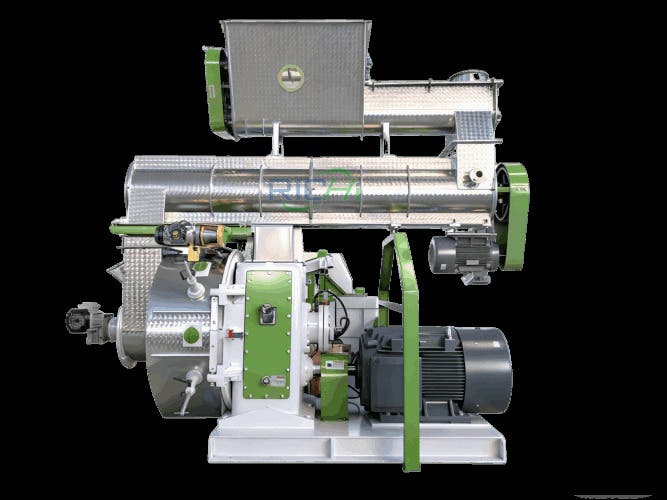
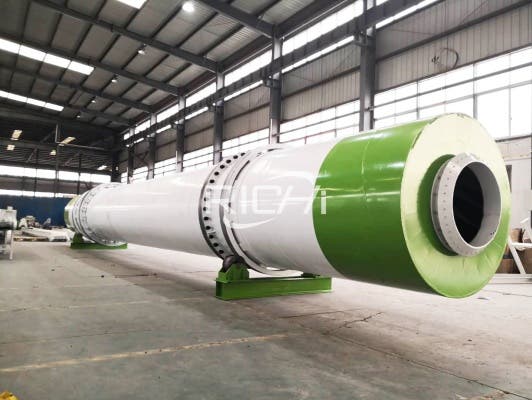
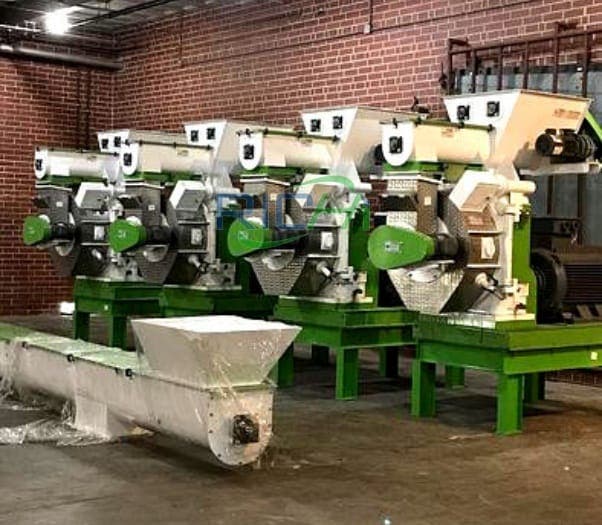
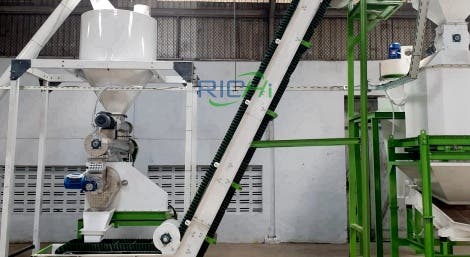
A complete production line typically includes crushing, mixing, pelletizing, cooling, screening, and packaging equipment, ensuring efficient and stable production.
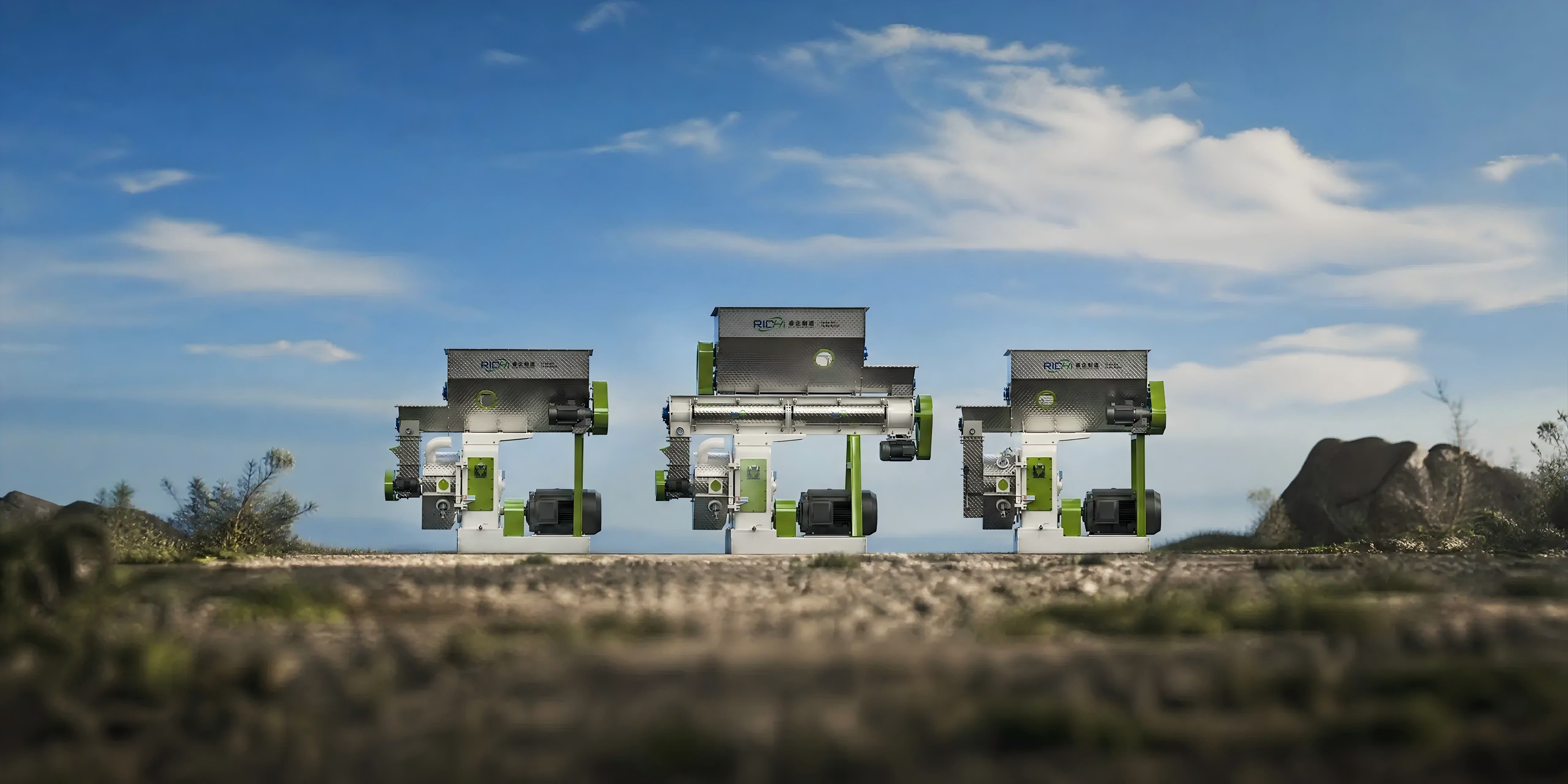
Working with a professional fish feed machine factory can help businesses receive customized equipment recommendations, optimize production layouts, and ensure stable operation throughout the project lifecycle.
Reducing Operating Costs
Feed represents one of the largest expenses in aquaculture. Efficient production equipment can help reduce costs by:
- Improving raw material utilization
- Producing durable pellets with less waste
- Lowering energy consumption
- Increasing overall production efficiency
These improvements contribute directly to higher profitability.
Working with an Experienced Supplier
Selecting an experienced equipment manufacturer is just as important as choosing the machine itself. Professional suppliers can provide production line design, equipment selection, installation guidance, and long-term technical support.
Businesses looking for customized aquatic feed production solutions can learn more from Richi Pellet Mill, which provides equipment for a wide range of commercial feed processing projects.
Conclusion
As the aquaculture industry continues to expand, efficient feed production has become an important competitive advantage. Investing in reliable equipment allows producers to improve feed quality, reduce operating costs, and increase production flexibility.
For more information about fish feed production technology and complete processing solutions, explore additional industry resources and professional equipment guides.