As biomass energy continues to grow, more companies are investing in biomass processing projects. Agricultural waste, sawdust, wood chips, and crop residues can all be converted into valuable renewable products. Before starting a project, however, choosing the right drying equipment is an important investment decision.
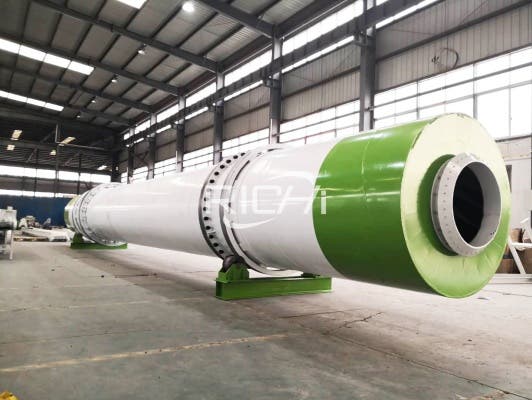
The rotary drum dryer pricedepends on more than the machine itself. Capacity, raw materials, automation, and production requirements all influence the final cost. Understanding these factors helps businesses choose equipment that fits their production goals.
Why Drying Matters
Most biomass materials contain excessive moisture after harvesting or storage. Common materials include:
- Wood chips
- Sawdust
- Straw
- Rice husks
- Corn stalks
- Bamboo waste
Proper drying can improve pellet quality, reduce energy consumption, increase production stability, and prepare materials for pelletizing.
Main Factors That Influence Equipment Cost
Production Capacity
Capacity is one of the biggest pricing factors. Small workshops require compact equipment, while commercial factories need larger continuous drying systems with higher output and automation.
Raw Materials
Different materials require different drying conditions. Sawdust, wood chips, straw, and agricultural residues all have different moisture levels and drying characteristics. Flexible equipment is often needed when processing multiple raw materials.
System Configuration
Modern drying systems usually include:
- Feeding system
- Rotary drum dryer
- Hot air furnace
- Dust collection
- Control system
More advanced configurations generally increase investment but improve efficiency and operating stability.
Drying in the Complete Production Line
Drying is only one step in biomass production. A typical process includes:
- Raw material preparation
- Crushing
- Drying
- Pelletizing
- Cooling
- Packaging
Planning the entire production line helps improve efficiency and reduce operating costs.
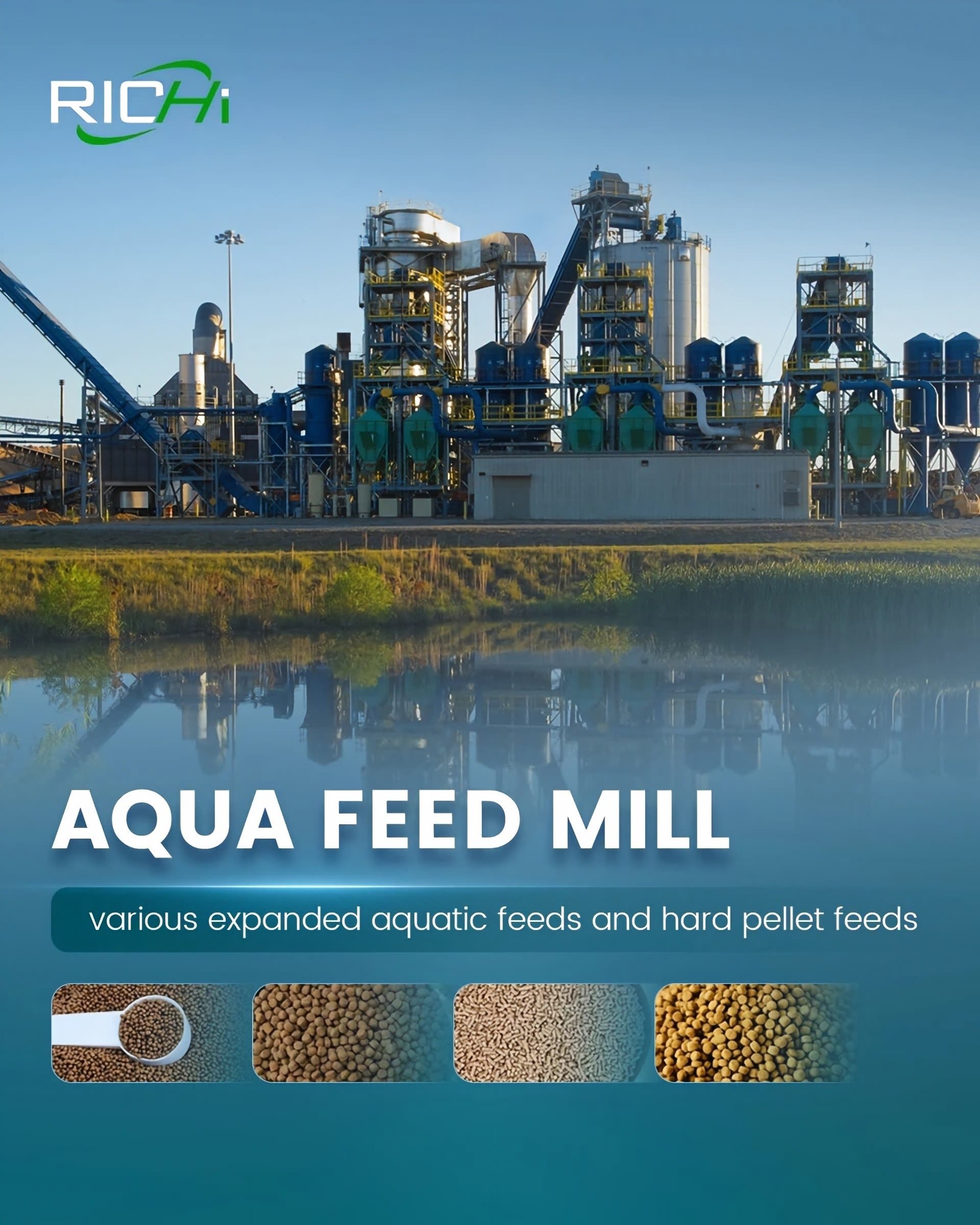
For example, companies planning agricultural processing facilities often refer to successful commercial pig feed mill project designs, where equipment layout and production flow are considered together.
Choosing the Right Equipment Supplier
Besides equipment quality, professional suppliers can provide:
- Equipment selection
- Process design
- Installation support
- Technical training
- After-sales service
Reliable support helps reduce project risks and ensures stable long-term operation.
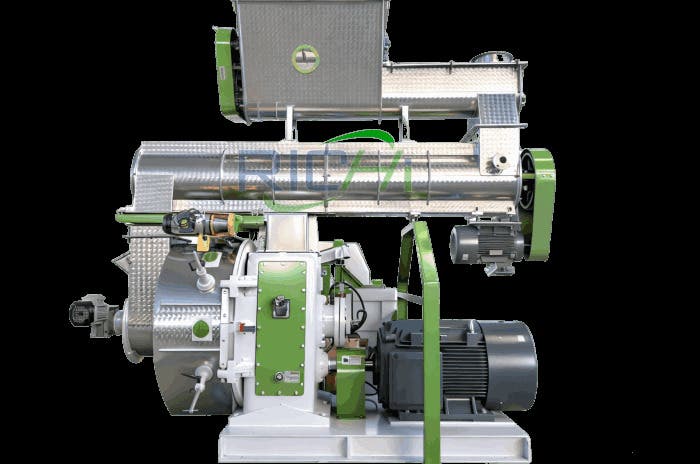
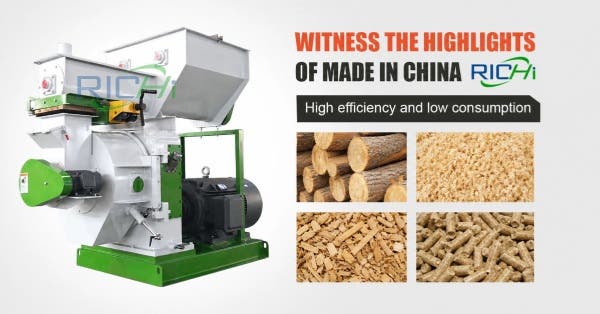
After drying, materials require efficient pelletizing equipment. Manufacturers like Richi Pellet Mill offer customized biomass production solutions for different capacities and raw materials.
Long-Term Operating Costs
Equipment investment should also consider future operating expenses, including:
- Energy consumption
- Maintenance requirements
- Spare parts availability
- Labor costs
Efficient equipment often reduces overall production costs over time.
Conclusion
Choosing drying equipment involves much more than comparing prices. Production capacity, raw materials, system configuration, and future expansion all affect the final investment.
Understanding these factors allows businesses to select the right equipment and improve overall production efficiency. For more biomass processing knowledge and industry updates, you can also visit check my source.
Related Post:pelletizerequipment.com/pig-feed-pellet-machine/