Albany, NY|Local Classified|For Sale|

How USA Wood Pellet Mills Create Efficient Industrial Fuel Solutions
Introduction
The renewable energy market in the United States has created new opportunities for biomass utilization. Among different renewable fuel solutions, wood pellets have become an important product because they can transform wood residues into clean and convenient energy sources.
The USA has a developed forestry and wood processing industry, producing large amounts of sawdust, wood chips, and other wood waste every year. Through advanced processing technology, these materials can be converted into valuable biomass fuel pellets for heating, power generation, and industrial applications.
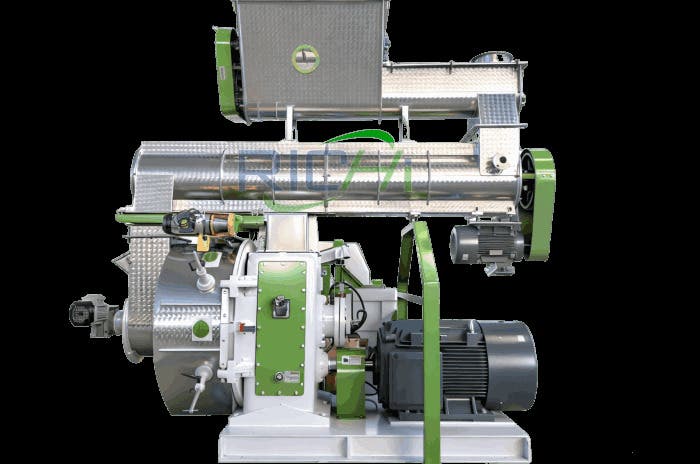
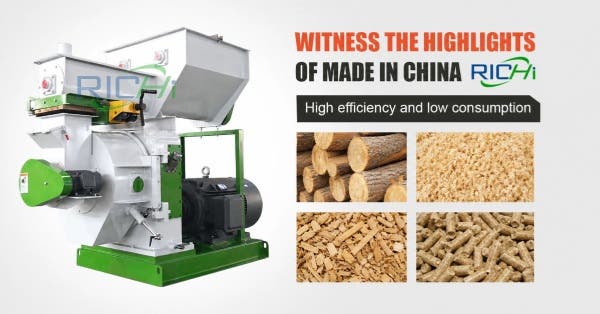
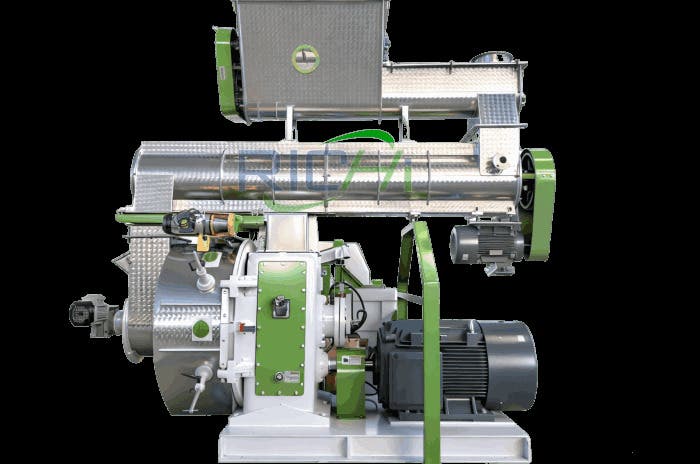
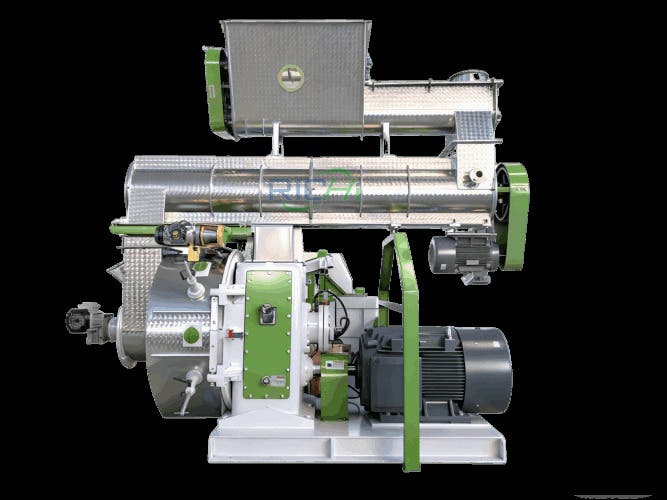
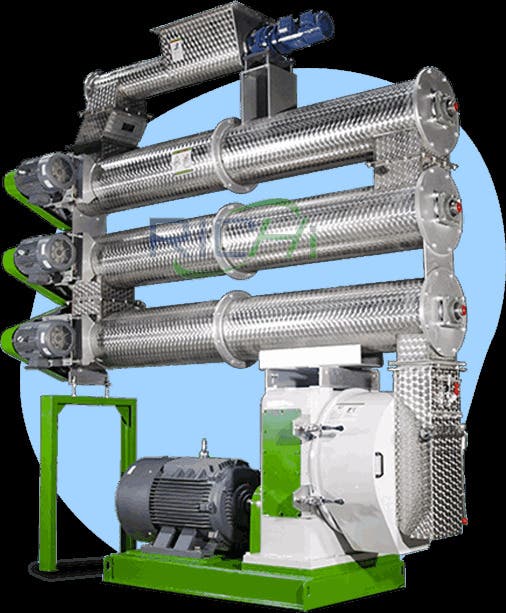
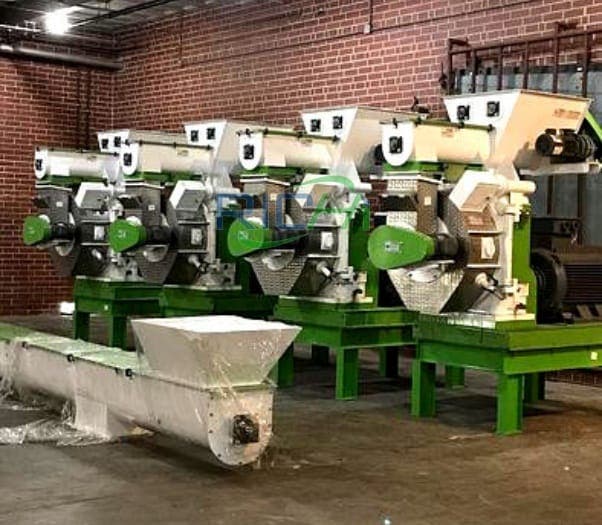
For companies planning biomass projects, selecting suitablewood pellet mill USA equipment is essential. A properly designed pellet production system can improve resource efficiency, reduce waste, and produce consistent fuel pellets for commercial markets.
Suitable Materials for Wood Pellet Production
Different biomass materials can be processed into pellets depending on local availability and production requirements.
Sawdust
Sawdust is one of the most popular materials because of its small particle size and good compression characteristics. It requires less preparation and can produce smooth, durable pellets.
Wood Chips
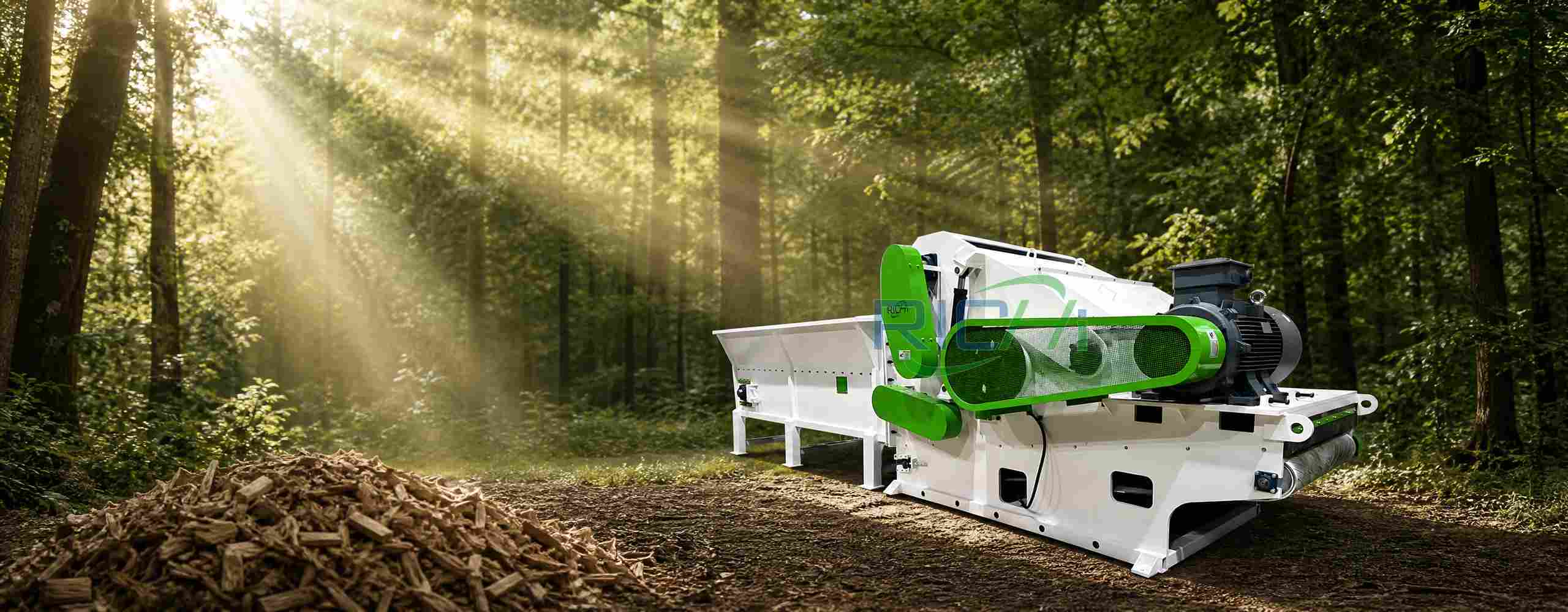
Wood chips from sawmills and wood processing factories are also suitable for pellet production. They usually need crushing, moisture adjustment, and screening before entering the pelletizing process.
Forestry Residues
Branches, bark, and other forestry waste can also be utilized. Although they may require additional processing, they provide an abundant resource for biomass fuel production.
How Does a Wood Pellet Production Process Work?
A complete pellet production system usually includes several key steps:
Raw Material Preparation
Biomass materials are collected, stored, and prepared according to production requirements.
Crushing and Drying
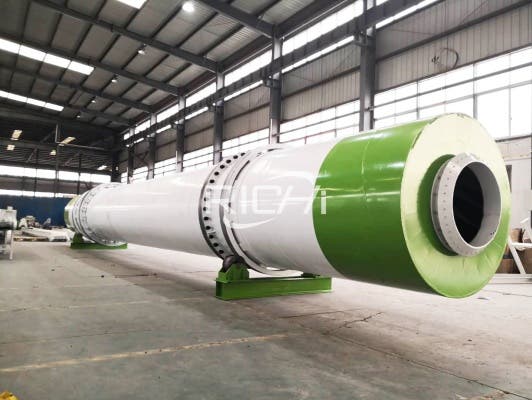
Large materials are crushed into suitable sizes, while moisture is adjusted to improve pellet quality.
Pelletizing
Prepared biomass enters the pellet machine, where pressure compresses the material into dense cylindrical pellets.
Cooling and Screening
Fresh pellets are cooled and screened to remove broken particles and improve final product quality.
Choosing the Right Equipment for a Pellet Project
Different businesses have different production goals. Small producers may focus on local heating fuel markets, while larger companies may supply industrial customers or energy projects.
Before investing in a pellet plant, companies should evaluate:
- Raw material availability
- Required production capacity
- Equipment configuration
- Operating costs
- Market demand
A professional biomass equipment supplier can provide customized solutions based on project requirements.
Advantages of Modern Pellet Production Equipment
Stable Production
Advanced pellet equipment provides reliable feeding, efficient compression, and continuous operation, helping manufacturers maintain stable output.
High-Quality Fuel Pellets
Modern production systems help produce pellets with:
- Uniform size
- High density
- Good durability
- Stable combustion performance
Better Resource Utilization
Wood pellet production provides an effective way to recycle wood waste and create additional economic value while supporting renewable energy development.
Future Development of the USA Wood Pellet Industry
The wood pellet industry in the United States is expected to continue expanding as companies focus more on renewable energy and waste recycling.
Future development trends include:
- Increased automation
- Better energy efficiency
- Greater use of forestry waste
- Higher-quality biomass fuel production
For businesses interested in complete biomass processing solutions, exploring professional wood pellet production line 5 ton per hour
technology can help improve production efficiency and long-term competitiveness.
Conclusion
USA wood pellet production offers an effective solution for converting wood waste into renewable fuel. With abundant biomass resources and growing demand for sustainable energy, wood pellet projects provide strong business opportunities.
A successful project requires suitable raw materials, proper production planning, and reliable equipment. By adopting advanced pellet technology, companies can maximize resource value while contributing to cleaner energy development.