Health & Fitness
Squishy Toy Social Media Challenge Poses Burn Hazard, But That’s Not The Toy’s Only Danger
Kids are microwaving squishy toys to soften them. Some have burst, causing burns. Others have ruptured in hot cars or while being squeezed.


Those squishy toys kids are bringing home in their backpacks and birthday party bags can go from adorable to dangerous in a hot minute due to a viral social media challenge that federal safety officials say can have life-changing consequences.
These sensory fidget toys, which are shaped like animals, food or characters are made to be squeezed, stretched and palmed to improve focus and relieve stress. They’re not meant to be microwaved, despite suggestions to the contrary on TikTok, Instagram and YouTube.
The idea is that heating the toys makes them softer, more pliable and satisfying to squeeze. Some videos also focus on watching them expand or change color inside the microwave.
Find out what's happening in Across Americafor free with the latest updates from Patch.
‘An Educational Moment’
Whatever the reason for heating the squishy like it’s a leftover baked potato, it’s a breathtakingly bad choice, according to a range of experts who’ve seen the dangers firsthand.
They include fire officials in Nassau County, New York, who said a child’s severe burns in July resulted from a TikTok microwave challenge.
Find out what's happening in Across Americafor free with the latest updates from Patch.
The liquid inside doesn’t just get hot; it can reach the boiling point within seconds, fire officials said. This makes the toy more likely to rupture or explode, spraying hot, sticky filling that can cause severe burns to the hands, faces, or chests.
Chief Fire Marshal Michael Uttaro said the incident underscores the imperative for parents to educate their children about unsafe online challenges, Patch reported.
“This is an educational moment for sure to protect other kids from this dangerous challenge,” he said. “Accidents can happen to an adult in the kitchen, even if they take precautions, so for a child who doesn't know any better, the risk is even greater.”
Burns Aren’t The Only Hazard
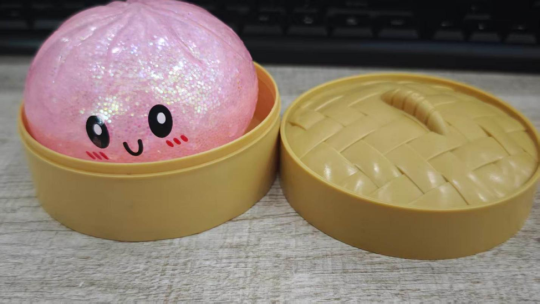
In an update on squishy toys last month, the U.S. Consumer Product Safety Commission reiterated an earlier warning about serious burn hazards associated with a viral social media trend encouraging children and teens to microwave squishy toys.
Squishy toys can also get dangerously hot in a car, in direct sunlight or near a heater, the agency said. Also, counterfeit versions may contain hazardous materials or fail to meet toy safety rules, the agency said.
Some toys contain water beads that can expand if swallowed and cause an intestinal blockage. Others may release gels, powders or small parts when they tear. The CPSC says fake and counterfeit versions may also contain excessive lead or prohibited chemicals.
Trend Tracks In Poison Calls
The scale of the concern came into sharper focus in a recent Business Insider investigation published Sept. 19.
America’s Poison Centers told the outlet its member organizations had received more than 11,500 reports involving squishies since 2024, more than half of them in the first six months of 2026. The figure covers exposures, not confirmed serious injuries, and 85 percent of cases had no documented symptoms, the report said.
In West Virginia, 13-year-old Natalee Staggs picked up a squishy that had been left in the family car. It burst over her legs, leaving sticky filling that her family could not wash off. “It popped on me, and it’s burning me,” she told her mother. At the emergency room, nurses spent more than an hour removing the material. Her burns were minor, her mother told Business Insider.
A Birthday Party Explosion
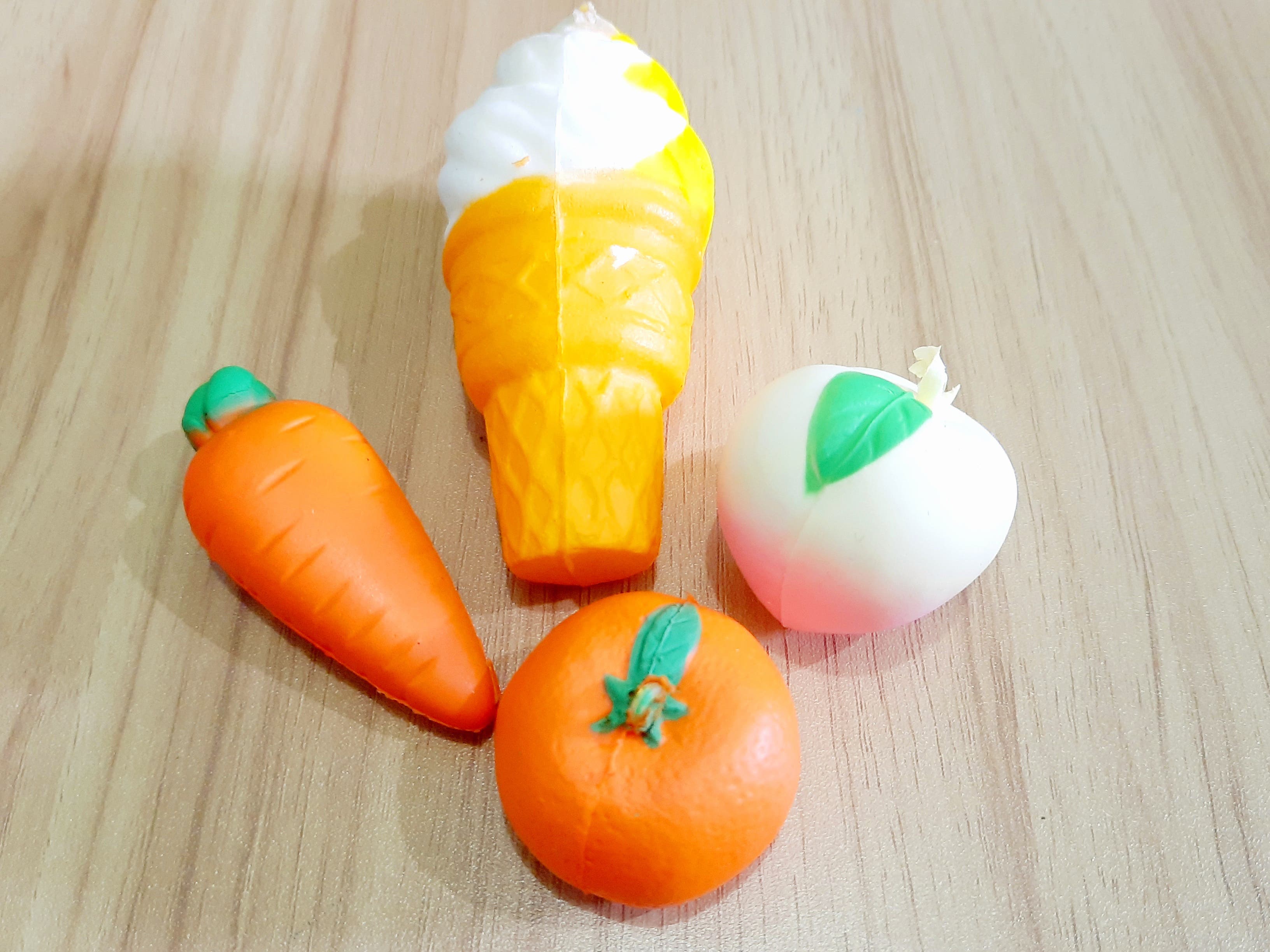
The Business Insider review of reports to the CPSC found about two dozen accounts this year of children being burned when squishy toys ruptured after being microwaved, left in hot cars or squeezed. Roughly 20 other reports described strong chemical smells. Hospital reports collected by the agency documented about a dozen cases of toys bursting in 2025, the latest year for which those records were available.
In one report filed in August, a parent said a toy ruptured while an 8-year-old boy was squeezing it, spraying filling into his face and eyes and causing immediate burning. Another parent reported that a toy “exploded” when her daughter squeezed it on her 10th birthday. The reports describe incidents submitted to the CPSC; they do not establish how often squishy toys cause injuries.
Kelly McElligott, a burn outreach coordinator at Loyola Medical Center in Illinois, told Business Insider she had seen about six squishy toy burn cases this year.
Her team may follow children for up to two years, watching for scarring that can develop beneath skin that appears to have healed or tighten around a joint and limit movement. Families face that uncertainty while caring for a child who was playing with a toy moments earlier.
“Everything’s fine one instant to everything is 100% not fine the next,” she said.
What’s Being Done?
In its August alert, the CPSC said it had stopped 355,683 noncompliant squishy toys in 55 shipments from entering the country. Business Insider later reported that the agency and U.S. Customs had intercepted more than 640,000 toys in 96 shipments this year.
A consumer who filed a report with the CPSC said a “squishy dumpling” purchased as a gift for a friend’s daughter noticed “a very strong odor of paint thinner or other strong chemical” after opening the container.
The toy is not subject to a recall.
“I am worried there is significant concern of a chemical exposure and risk to long-term health side effects directly caused by this toy,” the consumer said. “The label only warns of a choking hazard. ... There is nothing to indicate what type(s) of materials these are made with.”
To be clear, some squishy toys meet federal toy safety requirements. But there’s no way of knowing just by looking at it.
Packaging for toys from reputable sellers should contain the manufacturer’s name, age guidance and safety warnings, according to the CPSC. Children’s toys generally must be tested by a CPSC-accepted third-party laboratory and certified as complying with applicable federal requirements.
Consumers should avoid a toy with missing information, a strong chemical smell or an unusually low price, as well as check for recalls, and stop using any squishy that tears, leaks or becomes sticky.
Those checks can reduce uncertainty, but they don’t guarantee safety, especially when counterfeit packaging can look convincing, the CPSC said.
If a burn occurs, it’s important to cool the skin under running water for at least 20 minutes, gently wash away remaining material and cover the area with a sterile, nonstick wound dressing. More severe burns and burns involving a young child require medical care, the agency said.
Also On Patch
Get more local news delivered straight to your inbox. Sign up for free Patch newsletters and alerts.