Albany, NY|Local Classified|For Sale|

Floating Feed Mill Expansion Strengthens Aquaculture Supply Chain
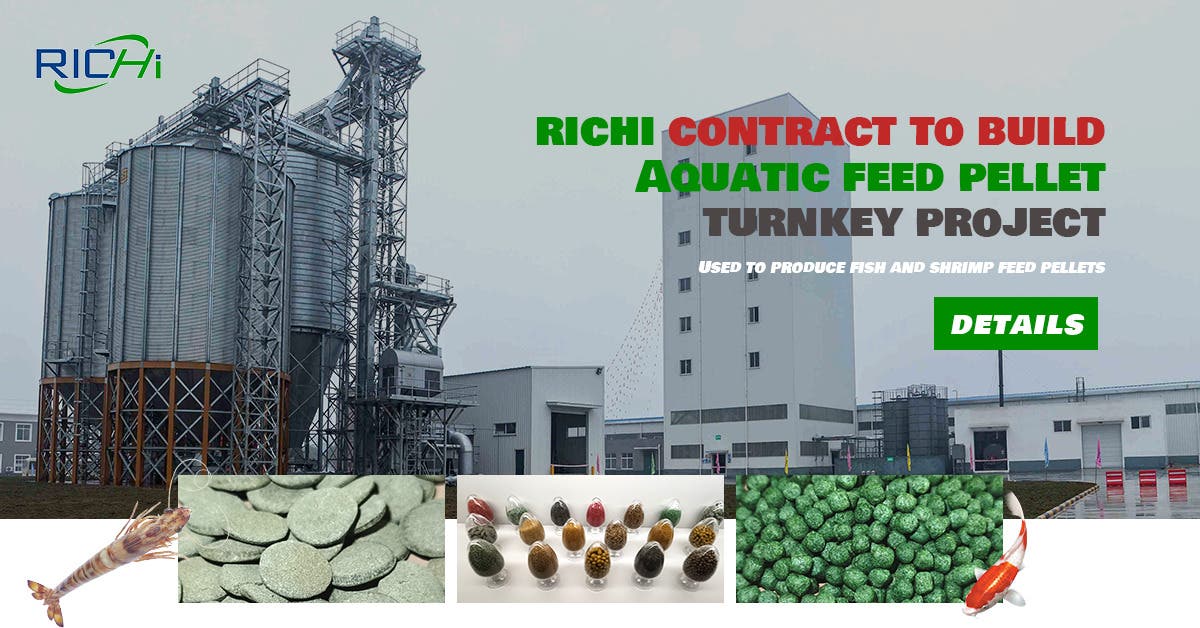
In recent industry updates, global aquaculture stakeholders are increasingly investing in modern feed production infrastructure to meet the rising demand for high-quality fish feed. Among the most notable developments is the rapid expansion of the floating fish feed mill plant, which is becoming a key component in strengthening global aquaculture supply chains.
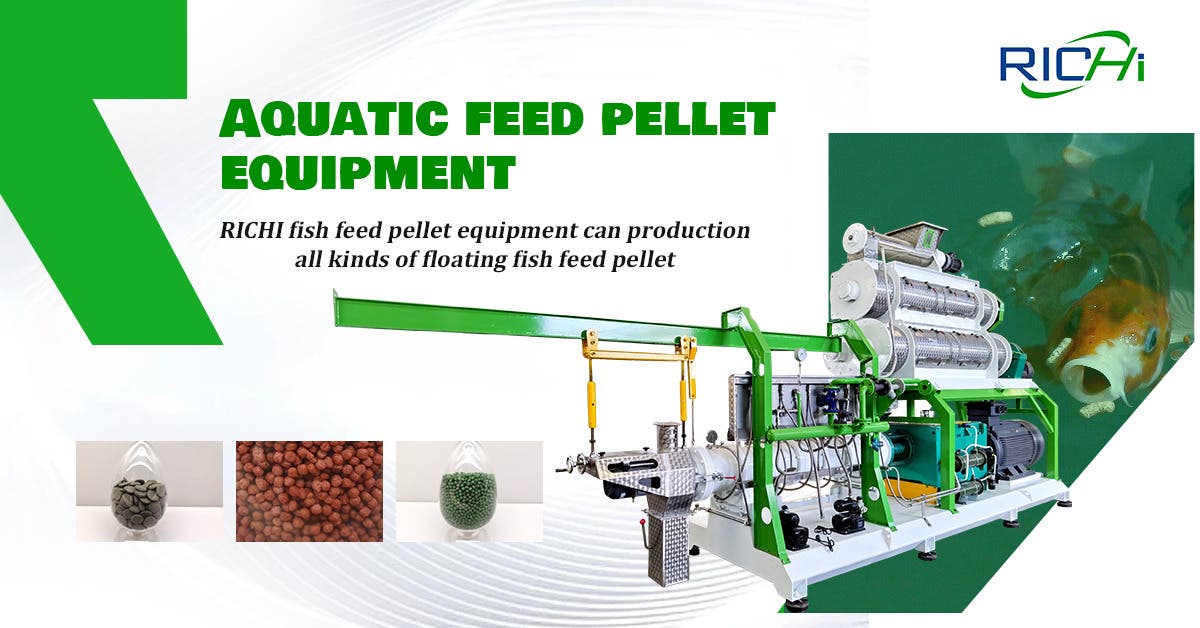
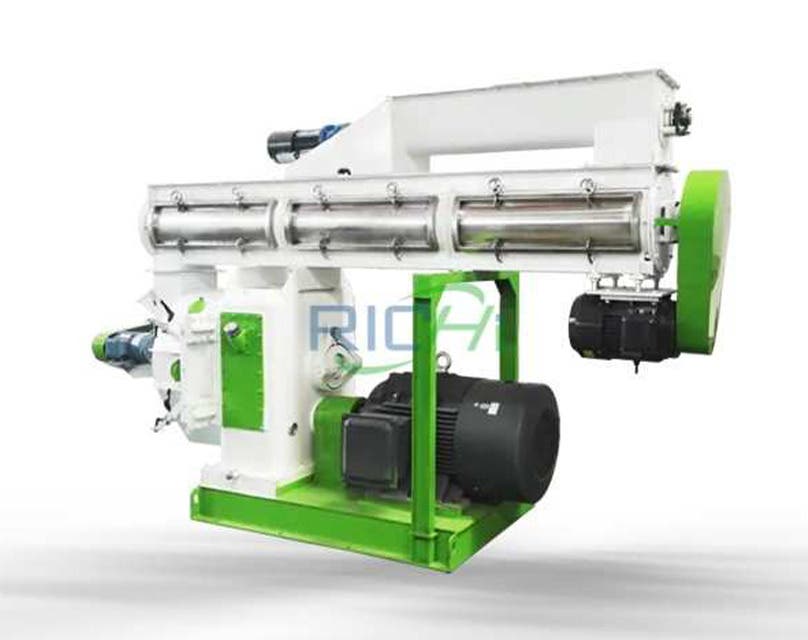
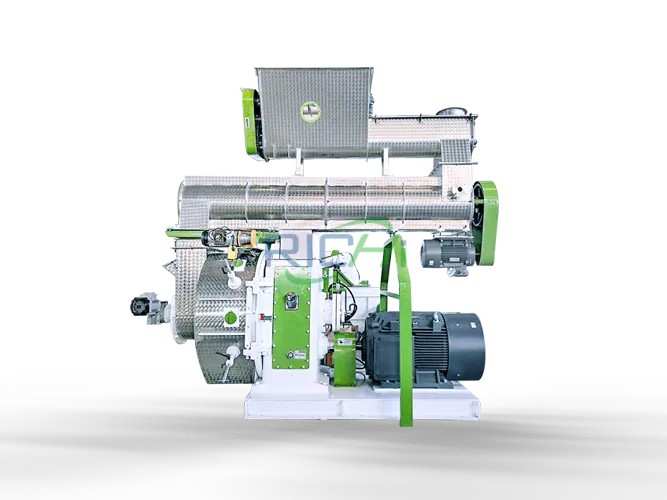
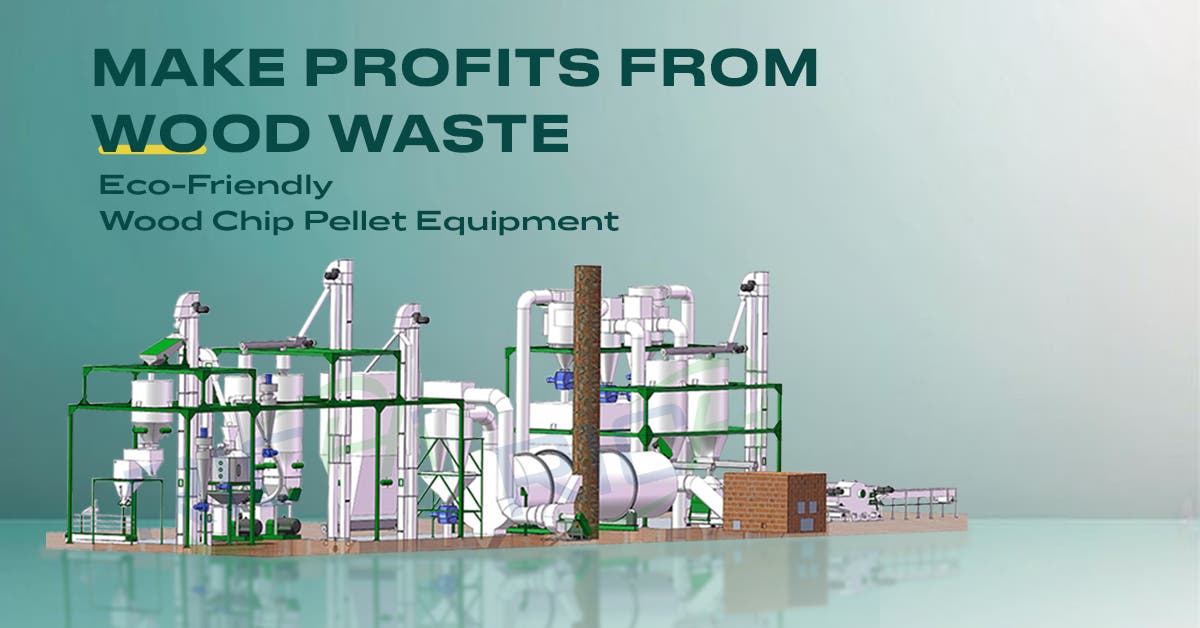
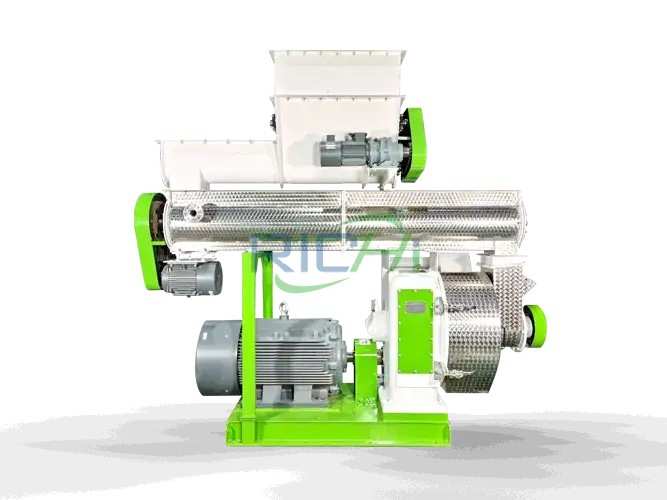
The floating fish feed mill plant is designed to provide integrated feed production capabilities, combining raw material processing, grinding, mixing, conditioning, extrusion, drying, and packaging into a continuous and highly efficient production system. This integrated structure allows manufacturers to produce consistent and nutritionally balanced floating fish feed at industrial scale.
Industry experts report that the growing demand for floating feed is closely linked to the expansion of commercial fish farming operations worldwide. Floating pellets offer significant advantages in feeding management, allowing farmers to visually monitor feed consumption, reduce waste, and improve water quality control. These benefits have made floating feed the preferred choice in many intensive aquaculture systems.
Modern floating fish feed mill plant facilities are equipped with advanced automation systems that improve production accuracy and reduce labor requirements. Real-time monitoring technologies regulate temperature, moisture, and pressure throughout the production process, ensuring consistent product quality. This level of automation also enhances operational efficiency and reduces production costs.
pelletisingmachine.com/floating-fish-feed-plant/
Sustainability is another key driver behind the increasing adoption of floating feed production systems. Efficient feed manufacturing helps reduce resource waste and improves feed conversion ratios, contributing to more environmentally responsible aquaculture practices. By optimizing production efficiency, floating feed mills help minimize the ecological impact of fish farming operations.
Market analysts expect continued investment in floating fish feed mill plant infrastructure over the coming years as global seafood demand continues to rise. With aquaculture playing an increasingly important role in global food security, advanced feed production facilities are becoming essential for ensuring stable supply and long-term industry growth.
In conclusion, the expansion of floating fish feed pellet plant projects reflects the modernization of the aquaculture industry. Through automation, efficiency improvements, and sustainable production practices, these facilities are helping to meet growing global demand for fish feed while supporting the long-term development of the aquaculture sector.